PetMall Knowledge Hub

Dog Breed Guide NZ

Jack Russell Terrier

The Jack Russell Terrier is a small dog with a huge engine. It is popular in New Zealand because it is compact, tough, clever, and full of personality, but it is not a couch ornament. Owners need to manage digging, chasing, barking, recall, and terrier confidence from day one.

House with SectionRural / Farm

Photo Gallery

NZ Ownership Snapshot

Noise Level
Moderate high

Breed Snapshot

Size
5 - 8 kg
Lifespan
12 - 16 years
Origin
England; developed as a small fox-working terrier.
Temperament
Bold, lively, intelligent, independent, playful, prey-driven, and often very affectionate with familiar people.
NZ Price
$800-$2,500+ NZD is a broad pet-market range; adoption may be lower. Verify breeder quality, health checks, and current NZ listings before buying.
Annual Vet Cost
$600-$1,300 NZD per year for routine care, dental checks, parasite control, and active-terrier injuries; eye or orthopaedic care can be higher.

Personality Scores

Friendliness4/5
Trainability4/5
Energy5/5
Grooming2/5
Health Risk3/5
Apartment3/5
With Kids4/5
With Pets2/5

NZ Lifestyle Fit

Very NZ-relevant and common. They can suit many Kiwi homes, from farms to suburbs, when owners respect the terrier temperament. Secure fencing, recall, legal off-lead choices, and wildlife-safe management are important around reserves, beaches, lifestyle blocks, and chickens.

Register with your local NZ council, microchip where required, and follow local dog access, leash, menacing/dangerous dog, and wildlife protection rules.

Origins & Recognition

England; developed as a small fox-working terrier. Recognised by Dogs New Zealand in the terrier group.

Appearance

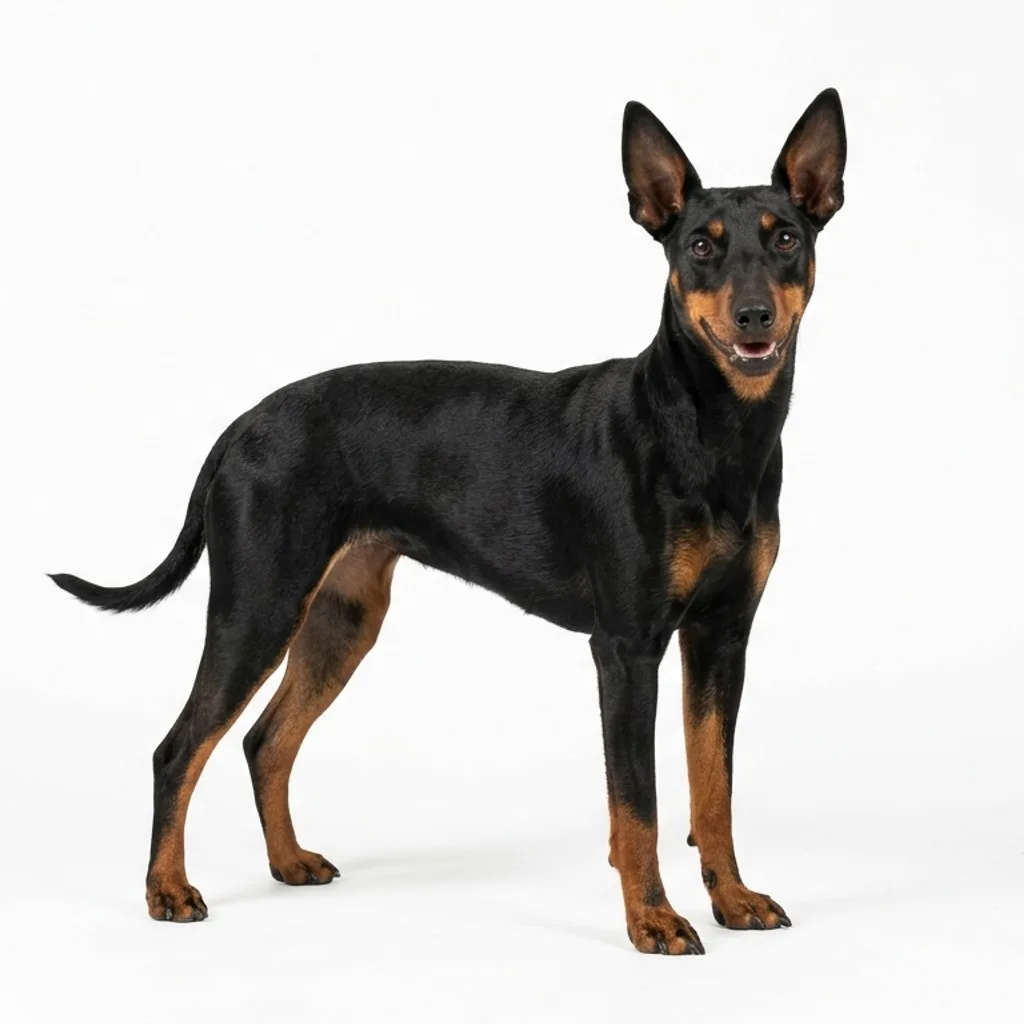
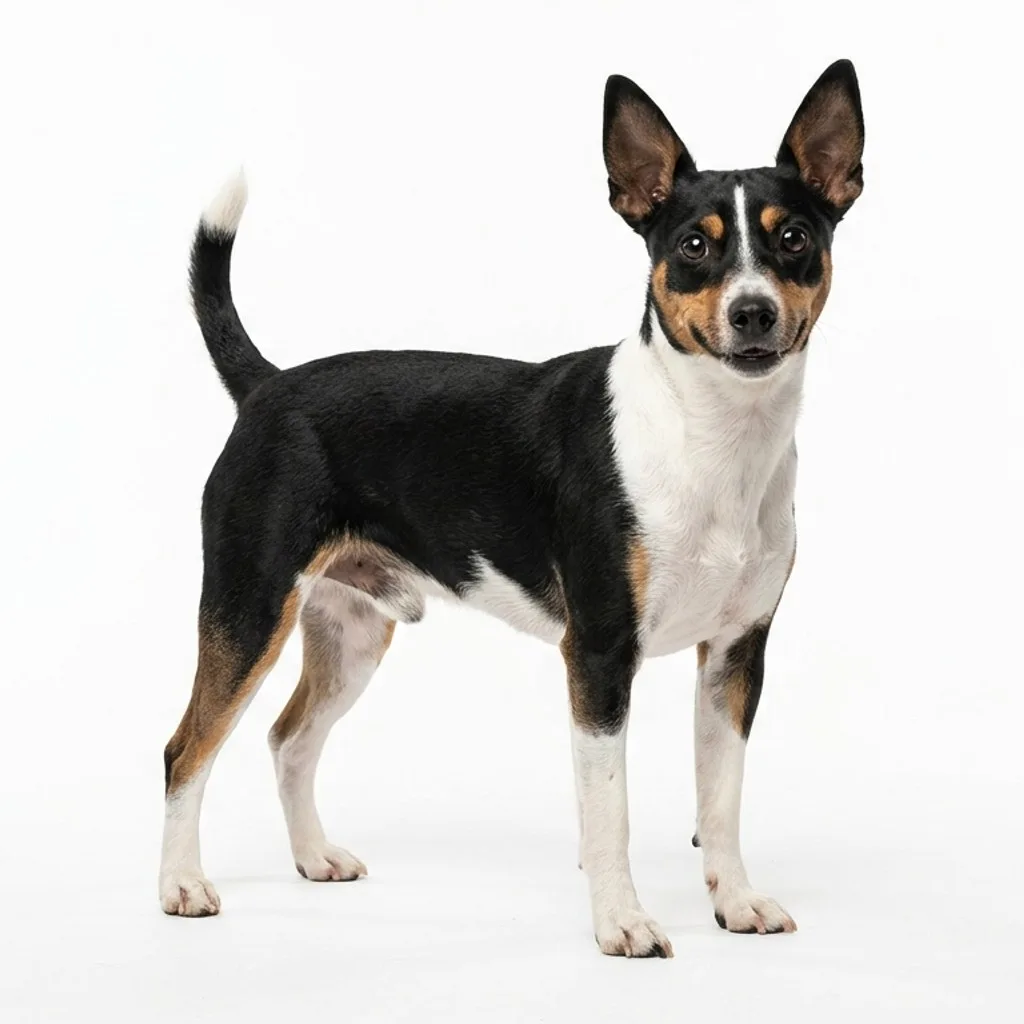
Jack Russells are compact, active terriers with mostly white coats and tan, black, or brown markings. Coats may be smooth, rough, or broken. The body should look athletic and workmanlike, not fragile.

Temperament & Training

Bold, lively, intelligent, independent, playful, prey-driven, and often very affectionate with familiar people. Use short, fun, consistent sessions. Teach recall, leave-it, settle, polite greetings, safe digging outlets, and calm behaviour around cats, chickens, wildlife, bikes, and children.

Life in New Zealand

Very NZ-relevant and common. They can suit many Kiwi homes, from farms to suburbs, when owners respect the terrier temperament. Secure fencing, recall, legal off-lead choices, and wildlife-safe management are important around reserves, beaches, lifestyle blocks, and chickens. Owners should also follow local registration, microchipping, access, and control rules.

Care Commitment

High for the size. Needs daily walks, training, play, sniffing, problem-solving, and safe outlets for terrier instincts. Low to moderate. Brush weekly; rough or broken coats may need hand-stripping or trimming. Check teeth, nails, ears, and skin. Use breeder screening and vet checks for eyes, kneecaps, hearing, teeth, allergies, and any limp after jumping or chasing. Small size does not make high-impact play harmless.

Fun Facts

Fact 1

The breed is small enough for many homes but energetic enough for serious adventures.

Fact 2

Coats can be smooth, rough, or broken.

Fact 3

Digging and chasing are normal terrier behaviours that need safe outlets.

Fact 4

A reliable recall takes practice because movement is exciting.

Fact 5

Many Jack Russells enjoy trick training and puzzle games.

Related Breeds

PetMall Editorial Desk

Reviewed and curated for practical, vet-informed guidance

Every guide is edited into a consistent house style so readers can scan quickly, compare recommendations, and understand where general education stops and personal veterinary advice begins.

Updated
Recently updated
Positioning
Evidence-based pet care for NZ households

Structured Guide

Life Stage Care

Scan the most important priorities for each stage so readers can adapt routine, home setup, and monitoring as this profile matures.

Puppy · 8 weeks to 12 months

Jack Russell Terrier puppies need safe socialisation, recall, handling, grooming practice, and age-appropriate exercise.

  • Start name response, recall, settle, handling, tooth brushing, nail handling, and polite greetings early.
  • Build calm confidence around children, visitors, other dogs, traffic, grooming tools, and new surfaces.
  • Avoid repetitive jumping or hard running while joints are developing.
  • Feed a complete puppy diet and transition foods gradually over 1-2 weeks.
  • Register and microchip according to local council rules.

Adult · 1 to 8 years

Adult Jack Russell Terrier care should focus on exercise, training, grooming, body condition, and household routines.

  • High for the size. Needs daily walks, training, play, sniffing, problem-solving, and safe outlets for terrier instincts.
  • Use short, fun, consistent sessions. Teach recall, leave-it, settle, polite greetings, safe digging outlets, and calm behaviour around cats, chickens, wildlife, bikes, and children.
  • Low to moderate. Brush weekly; rough or broken coats may need hand-stripping or trimming. Check teeth, nails, ears, and skin.
  • Keep parasite control, vaccination, dental care, and annual vet checks current.
  • Refresh recall, lead manners, settle, visitor routines, and safe public behaviour throughout adulthood.

Senior · 8 years and older

Senior Jack Russell Terrier dogs need lower-impact exercise, comfort, and earlier vet attention for subtle changes.

  • Use shorter walks, scent games, puzzle feeders, and gentle training refreshers.
  • Monitor teeth, eyes, ears, skin, appetite, drinking, weight, stiffness, and behaviour changes.
  • Keep bedding warm and dry through damp NZ winters.
  • Maintain grooming so mats, soreness, lumps, or skin changes are noticed early.
  • Ask your vet about senior checks, pain management, and mobility support if activity changes.

NZ Specific Tips

New Zealand Care Notes

These local notes translate general breed guidance into climate, housing, and routine realities for New Zealand households.

NZ Fit

Start with local availability and purpose

Jack Russell Terrier is in the NZ top-30 dog registration signal used for this补录. Check whether you are choosing a working-line, show-line, breeder, rescue, or farm-bred dog, because care expectations can differ a lot.

Legal

Registration and control rules still apply

Register with your council, microchip where required, follow leash and access rules, and check beaches, reserves, DOC land, and seasonal wildlife restrictions before off-lead exercise.

Lifestyle

Match energy to the home

Good for active homes, rural properties, and families who enjoy training. They can live in townhouses if barking, digging, enrichment, and safe off-lead choices are handled well.

Health

Use breed risks as vet questions

Discuss Patella problems, eye disease such as lens luxation discussion, deafness risk in predominantly white dogs, dental disease, allergies, and injuries from hard play. with your vet or breeder. This is an owner-awareness prompt, not a diagnosis checklist.

Care

Plan food, grooming, and annual costs

Feed measured portions; Jack Russells can gain weight when treats and scraps are not counted. Use part of the daily food allowance for training rewards. $600-$1,300 NZD per year for routine care, dental checks, parasite control, and active-terrier injuries; eye or orthopaedic care can be higher.

Owner Questions

Common Questions

Is a Jack Russell Terrier a good dog for New Zealand homes?+

Yes, for the right home. The Jack Russell Terrier is a small dog with a huge engine. It is popular in New Zealand because it is compact, tough, clever, and full of personality, but it is not a couch ornament. Owners need to manage digging, chasing, barking, recall, and terrier confidence from day one. Good for active homes, rural properties, and families who enjoy training. They can live in townhouses if barking, digging, enrichment, and safe off-lead choices are handled well.

Is a Jack Russell Terrier recognised in New Zealand?+

Recognised by Dogs New Zealand in the terrier group.

How much exercise does a Jack Russell Terrier need?+

High for the size. Needs daily walks, training, play, sniffing, problem-solving, and safe outlets for terrier instincts.

How much grooming does a Jack Russell Terrier need?+

Low to moderate. Brush weekly; rough or broken coats may need hand-stripping or trimming. Check teeth, nails, ears, and skin.

What health issues should Jack Russell Terrier owners discuss with a vet?+

Discuss Patella problems, eye disease such as lens luxation discussion, deafness risk in predominantly white dogs, dental disease, allergies, and injuries from hard play.. Use this as a vet conversation prompt rather than a diagnosis checklist.

What should owners prepare before bringing home a Jack Russell Terrier puppy?+

Prepare council registration and microchipping tasks, a vet plan, safe bedding, suitable food, grooming tools, enrichment, training rewards, and a gradual socialisation plan. SPCA NZ notes food changes should be transitioned gradually.

How much does a Jack Russell Terrier cost in NZ?+

In New Zealand, a Jack Russell Terrier typically costs $800-$2,500+ NZD is a broad pet-market range; adoption may be lower. Verify breeder quality, health checks, and current NZ listings before buying. from a registered breeder, and usually less through rescue or adoption. Budget for ongoing costs too — food, vet care, parasite prevention and insurance — on top of the purchase price.

How big does a Jack Russell Terrier get and how long do they live?+

The Jack Russell Terrier is a 5 - 8 kg dog breed, typically living 12 - 16 years. Size affects food, equipment and exercise needs, so plan space and budget accordingly.

Are Jack Russell Terriers good with children?+

In our breed profile the Jack Russell Terrier scores 4/5 for getting on with children — generally very good with kids. Always supervise young children with any dog and teach gentle, respectful handling.

Are Jack Russell Terriers easy to train?+

The Jack Russell Terrier scores 4/5 for trainability in our profile — a quick, willing learner. Early socialisation and short, positive sessions work best in NZ homes.

Care Guides

Related Care Guides

Useful reading for NZ owners of this species.

Tools

Helpful Tools

Free interactive tools for NZ owners.

petmall.co.nz

Shop at PetMall

The products below are practical support items for your pet. PetMall ships across New Zealand.

Important Note

Information on PetMall is for education only and does not replace an in-person assessment by a veterinarian. If your pet is unwell, in pain, rapidly deteriorating, or you are unsure whether something is urgent, contact your local veterinary clinic promptly.