Dog Breed Guide NZ
Bearded Collie
The Bearded Collie, affectionately known as the 'Beardie', is an exuberant and shaggy-coated herder renowned for its charismatic personality and distinctive 'Beardie Bounce'. These intelligent and playful dogs make wonderful companions for active Kiwi families who are prepared for a bit of regular grooming. With their alert nature and boundless energy, they thrive in environments where they can be part of family activities, from a stroll along the beach to a tramp in the bush. Their adaptable and affectionate nature makes them a joyful addition to many New Zealand households, especially those with a love for the outdoors.
Photo Gallery
Breed Snapshot
- Size
- 20-25 kg
- Lifespan
- 12-14 years
- Origin
- Being enriched
- Temperament
- Intelligent, energetic, playful, affectionate, alert, confident, outgoing
- NZ Price
- $2,000 - $4,000 NZD from registered breeders; $150-$350 NZD adoption via SPCA
- Annual Vet Cost
- Estimated annual vet costs for a Bearded Collie in New Zealand typically range from $400 - $800 NZD for routine care, including vaccinations, worming, flea and tick prevention, and annual check-ups. However, due to the breed's predispositions to certain health issues, owners should budget for potential additional costs. Common health concerns include hip and elbow dysplasia, certain eye conditions (like Progressive Retinal Atrophy), autoimmune diseases (such as Hypothyroidism and Addison's Disease), and bloat (gastric dilatation-volvulus). Managing these conditions can significantly increase vet expenses, potentially adding $500 - $3,000+ NZD per incident or annually for ongoing treatment.
Personality Scores
NZ Lifestyle Fit
Bearded Collies are adaptable but thrive best with space. An apartment in Auckland, while possible, would require exceptional commitment to daily, vigorous exercise outside the flat, as their energy levels are high. Auckland's humid summers can be challenging for their dense coat, necessitating extra grooming to prevent matting and ensuring they have access to cool, shaded areas to prevent overheating. A house with a secure section is a much better fit, offering room for their 'Beardie Bounce' and outdoor play. Rural NZ farms are an excellent environment, allowing them to utilise their natural herding instincts, though proper training is crucial to ensure they don't harass livestock. South Island cold winters are generally well-tolerated thanks to their thick double coat. However, New Zealand's high UV index means owners should protect any exposed skin (like their nose) during summer, and ensure they have shade. There are no specific MPI (Ministry for Primary Industries) restrictions on owning Bearded Collies in New Zealand.
Origins & History
Originating from Scotland, the Bearded Collie's roots trace back centuries as a hardy herding dog, specifically bred to work sheep and cattle in the rugged Scottish Highlands. Their exact lineage is somewhat debated, but they are thought to be descendants of Polish Lowland Sheepdogs brought to Scotland in the 16th century, crossbred with local herding dogs. They were valued for their intelligence, endurance, and ability to work independently in challenging conditions, often driving livestock over vast distances and through difficult terrain. Despite their long history, the breed only gained significant recognition and standardisation in the mid-20th century, evolving from a purely working dog to a beloved companion animal known for its charming personality and distinctive appearance. Their history as working dogs means they retain a strong instinct for herding, intelligence, and a need for purpose, even in a family pet setting.
Appearance
The Bearded Collie is a medium-sized dog, typically weighing between 20-25 kg, with a sturdy yet agile build. Their most striking feature is their luxuriant, shaggy double coat, which comes in various shades of black, blue, brown, or fawn, often with white markings. The coat is long and coarse, providing excellent protection against harsh weather, while a soft, furry undercoat offers insulation. Their expressive eyes, usually matching their coat colour, are often peeking through their long fringe, giving them a whimsical, endearing look. The 'beard' from which they get their name is formed by the longer hair on their chin and cheeks. Their tail is long and carried low, often with a slight curve, adding to their balanced and elegant silhouette. Their overall appearance is one of natural ruggedness combined with a gentle, intelligent gaze.
Temperament & Personality
Bearded Collies are celebrated for their intelligent, energetic, and playful temperament. They possess a confident and outgoing nature, making them highly sociable dogs who generally get along well with children and other pets when properly socialised from a young age. Their affectionate disposition means they thrive on human companionship and are happiest when involved in family activities. They are alert and can make good watchdogs, though their friendly nature means they are more likely to greet strangers with enthusiasm than suspicion. The 'Beardie Bounce' – a characteristic playful pounce – is a testament to their joyful and spirited personality. While intelligent and eager to please, they can also have an independent streak, a remnant of their herding ancestry, which requires consistent and positive training. They are not suited to being left alone for long periods, as boredom can lead to destructive behaviours.
Life in New Zealand
Bearded Collies are well-suited to the active, outdoor-loving lifestyle prevalent in New Zealand. Their robust build and protective coat make them adaptable to various climates, from the cooler South Island winters to the more temperate North Island. They thrive in homes where they can join their families on adventures, whether it's a walk on a local beach, exploring a dog-friendly reserve, or a weekend tramp in the bush. However, their long coat does require significant attention, especially after outdoor excursions, to prevent matting from mud, sand, and burrs. Their intelligence and energy mean they excel in dog sports like agility, obedience, and herding trials, which are popular activities in NZ. They integrate well into Kiwi family life, provided their needs for exercise, mental stimulation, and grooming are consistently met.
Is This the Right Breed for You?
The Bearded Collie is an excellent choice for active individuals or families who are committed to providing consistent training, regular exercise, and dedicated grooming. They thrive in homes where they are central to family life and not left alone for extended periods. If you enjoy outdoor activities and are looking for an intelligent, playful, and affectionate companion who will keep you entertained, a Beardie could be a fantastic fit. However, if you prefer a low-maintenance dog, are unable to commit to daily exercise, or are not prepared for the grooming demands of their long coat, this may not be the ideal breed for you. Prospective owners should also consider their potential for barking, especially if not adequately stimulated. With the right environment and care, a Bearded Collie will bring immense joy and a lively presence to any New Zealand home.
Fun Facts
Fact 1
Bearded Collies are known for their distinctive 'Beardie Bounce,' a playful pounce they often use when excited or herding.
Fact 2
Despite their long history as working dogs, the breed only gained significant recognition and standardisation in the mid-20th century.
Fact 3
Their shaggy coat provides excellent insulation, making them well-suited to working in the harsh Scottish Highlands.
Fact 4
Beardies are often described as having a 'sense of humour' due to their playful and sometimes mischievous nature.
Fact 5
They are one of the few dog breeds that can change coat colour as they mature, often lightening or darkening over time.
Related Breeds
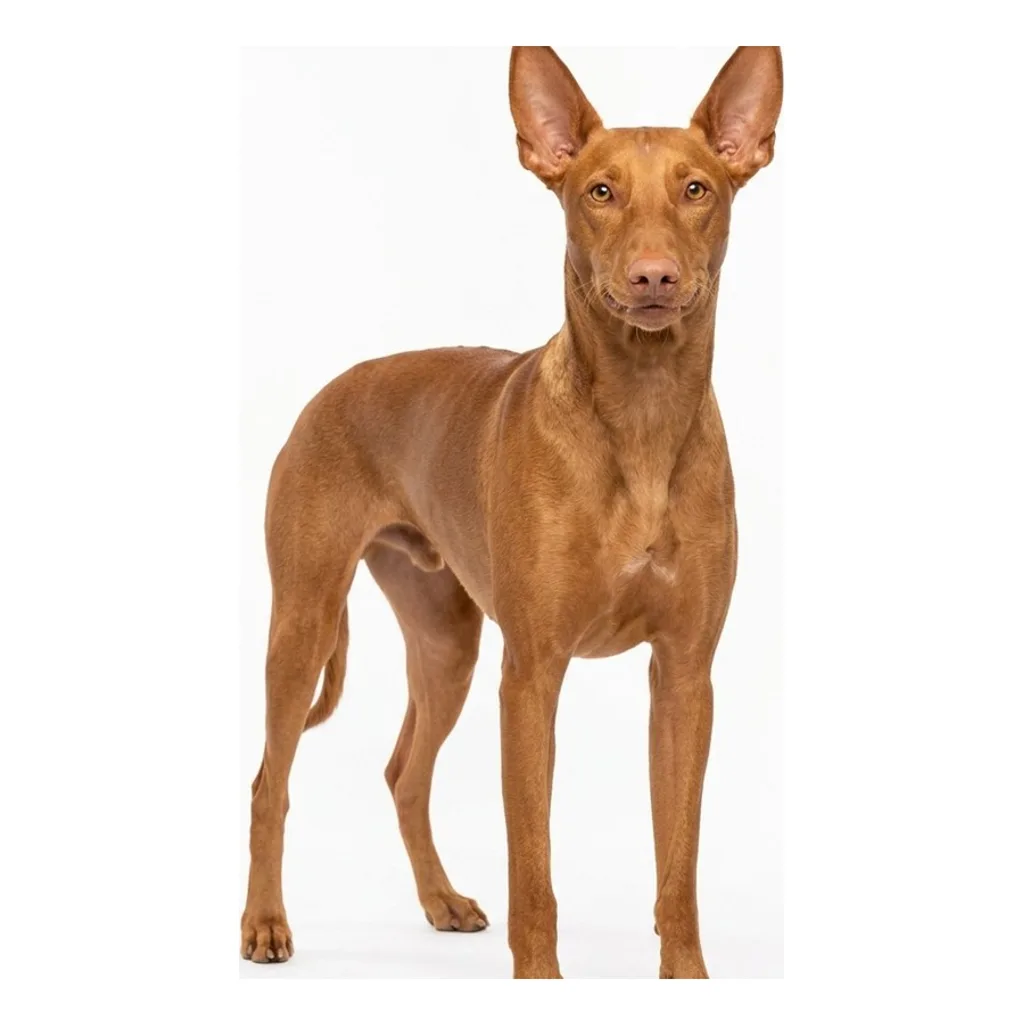
Pharaoh Hound
Elegant, athletic, and ancient, the Pharaoh Hound is known for its incredible speed and unique ability to 'blush'. They are independent thinkers but deeply affectionate with their family.
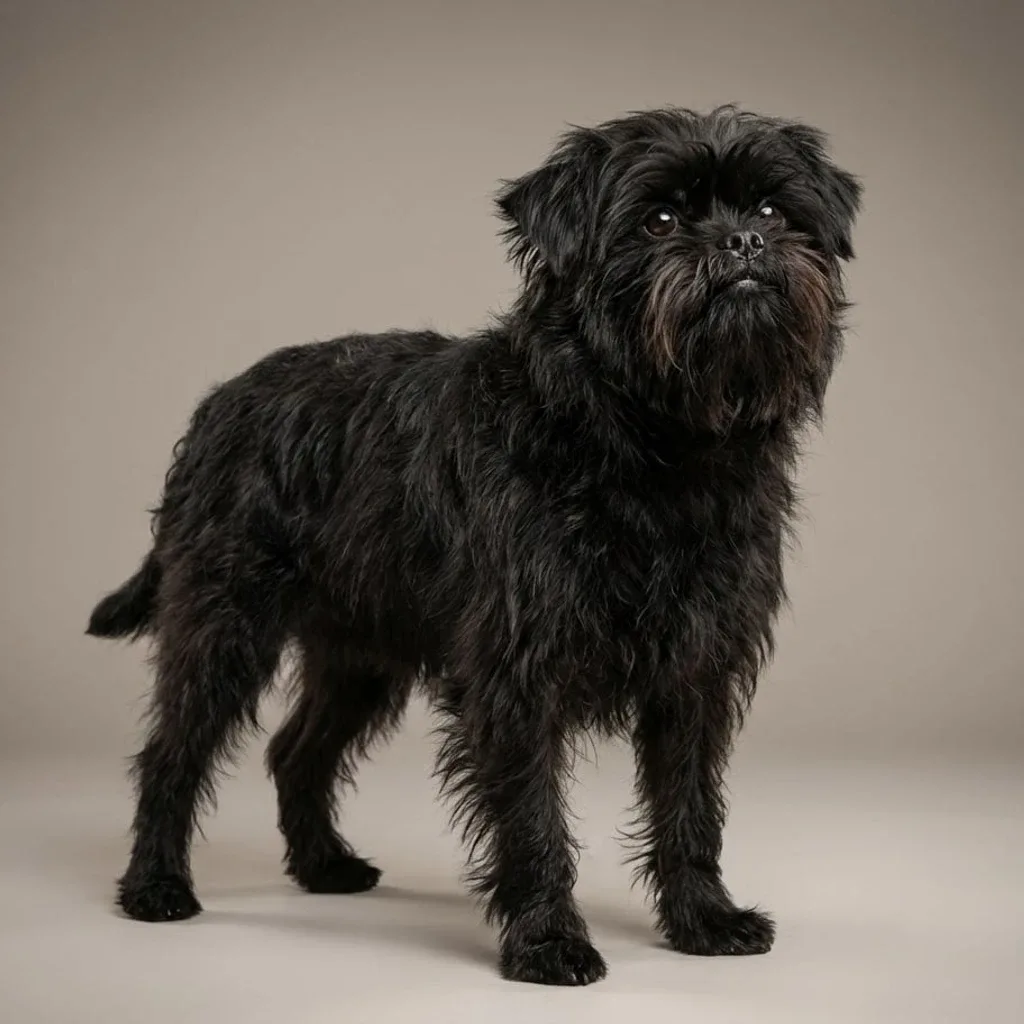
Affenpinscher
The Affenpinscher is a sturdy, monkey-like terrier-type toy breed known for its confidence and playful spirit. Despite its small size, it possesses a courageous heart and a loyal personality, making it a wonderful companion for Kiwi apartment dwellers or those with smaller sections.
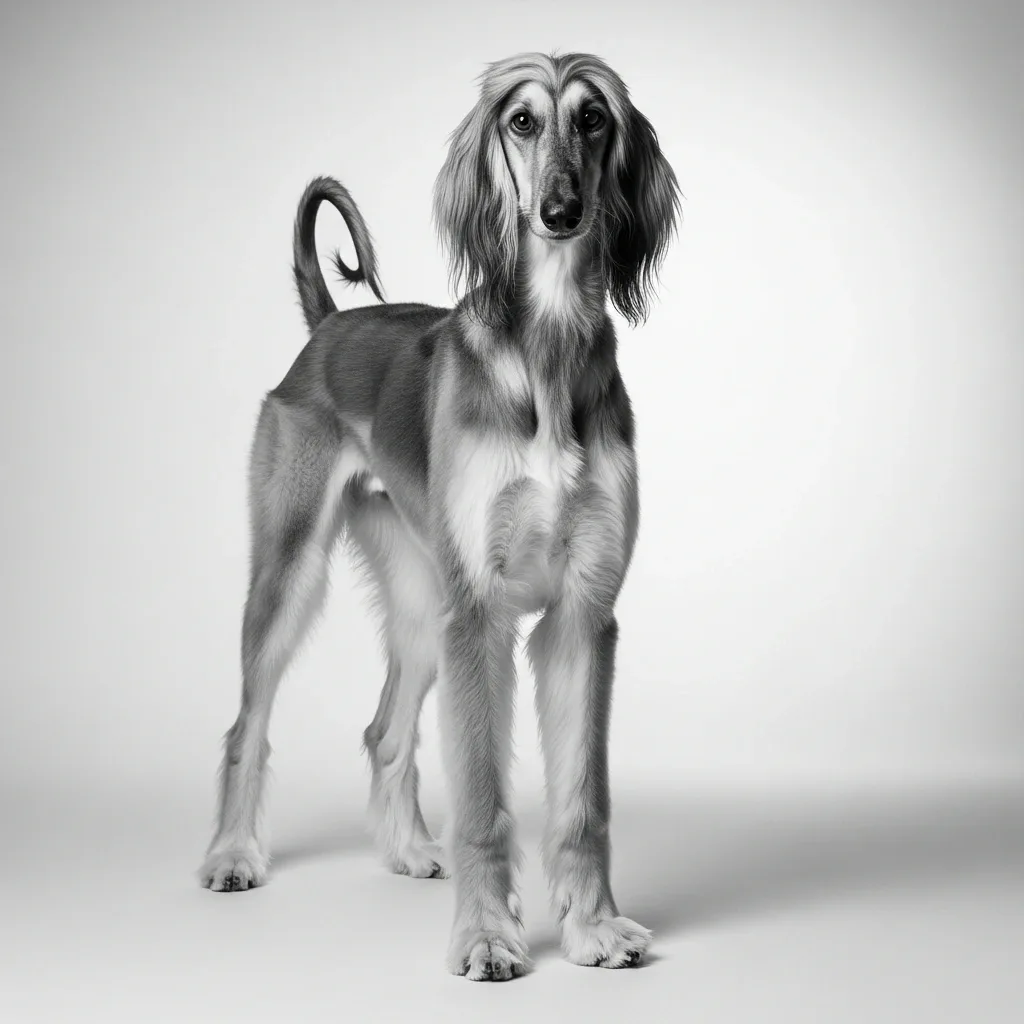
Afghan Hound
The Afghan Hound is an elegant aristocrat with a dignified and aloof personality. Known for its striking, silky coat, this breed is a high-maintenance beauty that requires ample space to run and an owner dedicated to its complex grooming needs.
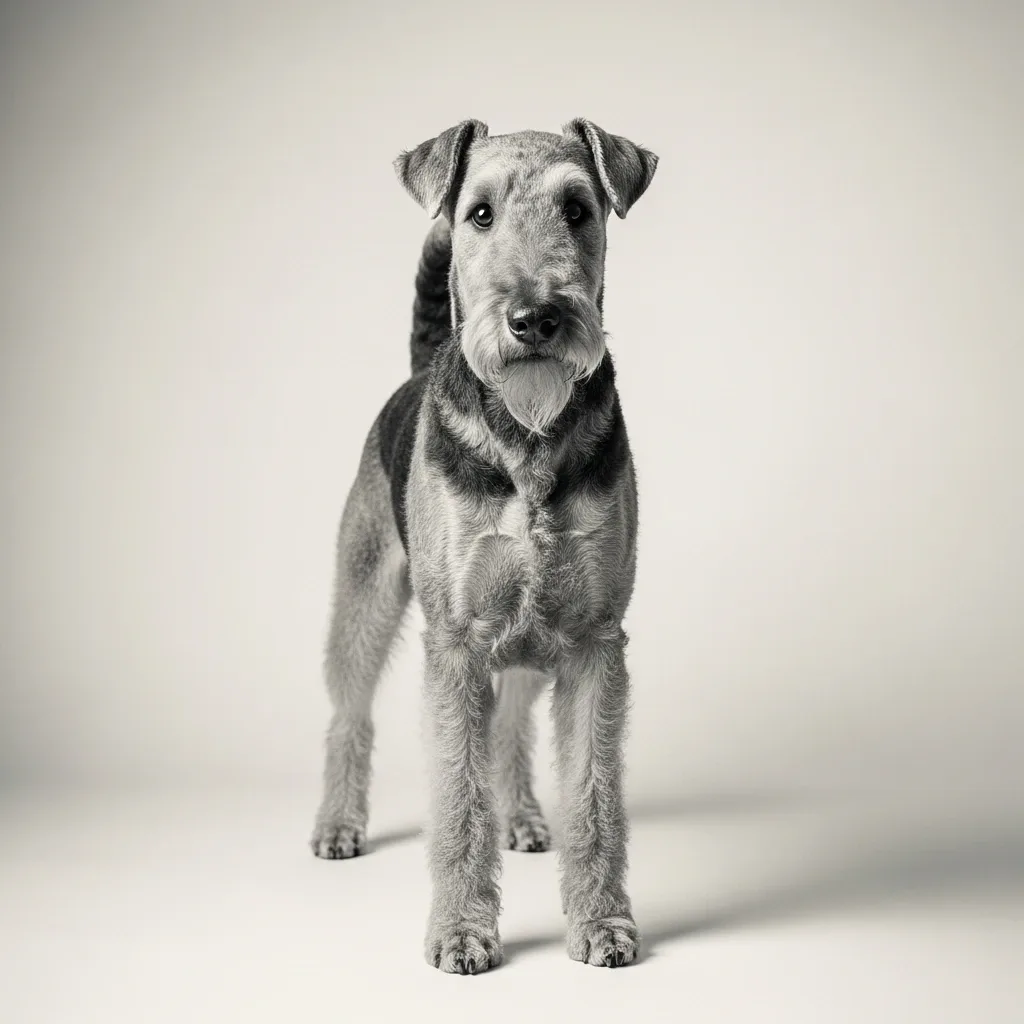
Airedale Terrier
The 'King of Terriers', the Airedale is the largest of all terrier breeds. They are brave, hardworking, and highly intelligent, making them excellent partners for active Kiwi families who love tramping and outdoor adventures.