Dog Breed Guide NZ
Pharaoh Hound
The Pharaoh Hound, an ancient and elegant sighthound, is a truly unique canine companion. Known for its incredible speed, graceful athleticism, and distinctive ability to 'blush' when excited or happy, this breed stands out from the pack. While they possess an independent and intelligent mind, Pharaoh Hounds are deeply affectionate and loyal to their families, thriving on companionship. Their striking appearance, with a sleek short coat and amber eyes, is matched by a playful and alert temperament. For active New Zealand families who can provide ample space for running and consistent mental stimulation, the Pharaoh Hound can be a captivating and devoted addition to the home.
Photo Gallery
Breed Snapshot
- Size
- 20-25 kg
- Lifespan
- 12-14 years
- Origin
- Being enriched
- Temperament
- Intelligent, friendly, playful, alert, affectionate
- NZ Price
- $3,000 - $5,000 NZD from registered breeders (they are a rare breed in NZ); $150-$350 NZD adoption via SPCA (highly unlikely for this specific breed, but possible for similar sighthound mixes).
- Annual Vet Cost
- Estimated annual vet costs for a Pharaoh Hound in NZ range from $600 - $1,000 NZD. This includes routine check-ups, vaccinations, flea and worm treatments, and general preventative care. While generally a healthy breed, they can be sensitive to anaesthesia, requiring careful monitoring and specific protocols during any surgical procedures, which can slightly increase costs. They also have a risk of bloat (gastric torsion), a serious condition that requires immediate veterinary attention and can be very costly to treat. Regular dental care and potential for minor injuries from their active lifestyle should also be factored in.
Personality Scores
NZ Lifestyle Fit
The Pharaoh Hound's suitability for different New Zealand living situations largely depends on the owner's commitment to their exercise needs. For an **apartment in Auckland**, it's generally not ideal. While they are calm indoors, their high energy requires significant daily exercise, which can be challenging without a private outdoor space. Auckland's humid summers are generally fine for their short coat, but South Island's cold winters would necessitate a warm indoor environment and potentially a dog coat for outdoor activities. A **house with a secure section** is far more suitable, allowing them space to stretch their legs and burn off energy. The section must be well-fenced, as their sighthound instincts mean they can clear fences quickly if something catches their eye. For **rural NZ farm life**, they can thrive, enjoying the vast open spaces. However, their strong prey drive means they might chase livestock or local wildlife, so secure boundaries and careful supervision are crucial. There are no specific MPI restrictions on the Pharaoh Hound breed. Given NZ's high UV, ensure they always have access to shade outdoors to protect their sensitive skin.
The Pharaoh Hound is a breed steeped in history and renowned for its striking appearance and unique personality. Elegant, athletic, and intelligent, these dogs are more than just beautiful; they are loyal companions with a playful spirit.
Origins & History
Despite their name, the Pharaoh Hound's true origins are debated, though they are often associated with ancient Egypt due to their resemblance to dogs depicted in Egyptian art. However, genetic studies and historical records suggest their development primarily occurred on the island of Malta, where they are known as the 'Kelb tal-Fenek' (rabbit dog). For thousands of years, these sighthounds were prized for their exceptional hunting prowess, particularly for rabbits, using their keen sight, speed, and scenting abilities. They are one of the oldest dog breeds, with their lineage tracing back millennia, making them a living link to ancient canine companions. Their unique characteristics have been preserved through careful breeding, maintaining the traits that made them such effective hunters and devoted family members.
Appearance
The Pharaoh Hound is a medium-sized dog, typically weighing between 20-25 kg, with a lean, muscular, and graceful build. Their most distinctive feature is their short, fine coat, which ranges in colour from a rich tan to a chestnut red, often with white markings on the chest, toes, and tip of the tail. Their amber-coloured eyes, which complement their coat, have an intelligent and alert expression. When excited or happy, their nose and ears can 'blush' a deep rose colour, a truly charming and unique trait. They possess large, erect ears that are highly mobile, contributing to their alert demeanour. Their long, tapering tail is carried high when they are active and excited, adding to their elegant silhouette.
Temperament & Personality
Pharaoh Hounds are known for their intelligent, friendly, and playful nature. They form strong bonds with their families and are deeply affectionate, often seeking out cuddles and attention. While they are alert and make good watchdogs, they are generally not aggressive. Their sighthound heritage means they possess an independent streak and a strong prey drive, which owners must manage. They are highly intelligent and can learn quickly, but their independent nature means training requires consistency, patience, and positive reinforcement. With proper socialisation from a young age, they can be good with children and other pets, though their prey drive necessitates caution around smaller animals. They thrive on mental stimulation and can become bored or destructive if not given enough to do.
Life in New Zealand
Pharaoh Hounds can adapt well to life in New Zealand, provided their specific needs are met. Their short coat means they'll appreciate warm, sheltered sleeping areas, especially during cooler South Island winters, and might benefit from a dog coat during outdoor excursions. The high UV index in New Zealand means they should always have access to shade, as their light skin can be sensitive to sunburn. Their need for regular, vigorous exercise makes them well-suited to homes with secure, spacious sections or owners committed to daily runs at dog-friendly beaches or parks. While relatively rare in New Zealand, dedicated breeders and enthusiasts are slowly growing their presence, ensuring the breed's health and welfare are prioritised.
Is This the Right Breed for You?
The Pharaoh Hound is an excellent choice for active individuals or families who understand the unique needs of a sighthound. They require consistent exercise, mental engagement, and a secure environment to prevent them from chasing perceived prey. Their affectionate nature makes them wonderful companions, but their independence means they are not always the easiest to train. If you appreciate an elegant, intelligent, and playful dog that thrives on companionship and outdoor adventures, and you can commit to their exercise and training requirements, a Pharaoh Hound could be the perfect addition to your Kiwi household.
Fun Facts
Fact 1
Pharaoh Hounds are one of the few breeds that can 'blush', with their nose and ears turning a deep rose colour when excited or happy.
Fact 2
Despite their name, their primary development as a distinct breed occurred on the island of Malta, where they are known as 'Kelb tal-Fenek' (rabbit dog).
Fact 3
They are an ancient breed, with their lineage believed to trace back thousands of years, resembling dogs depicted in ancient Egyptian art.
Fact 4
Pharaoh Hounds are sighthounds, meaning they hunt primarily by sight, possessing incredible speed and agility.
Fact 5
They have a unique 'bark-howl' that can sound quite distinct from other dog breeds.
Related Breeds
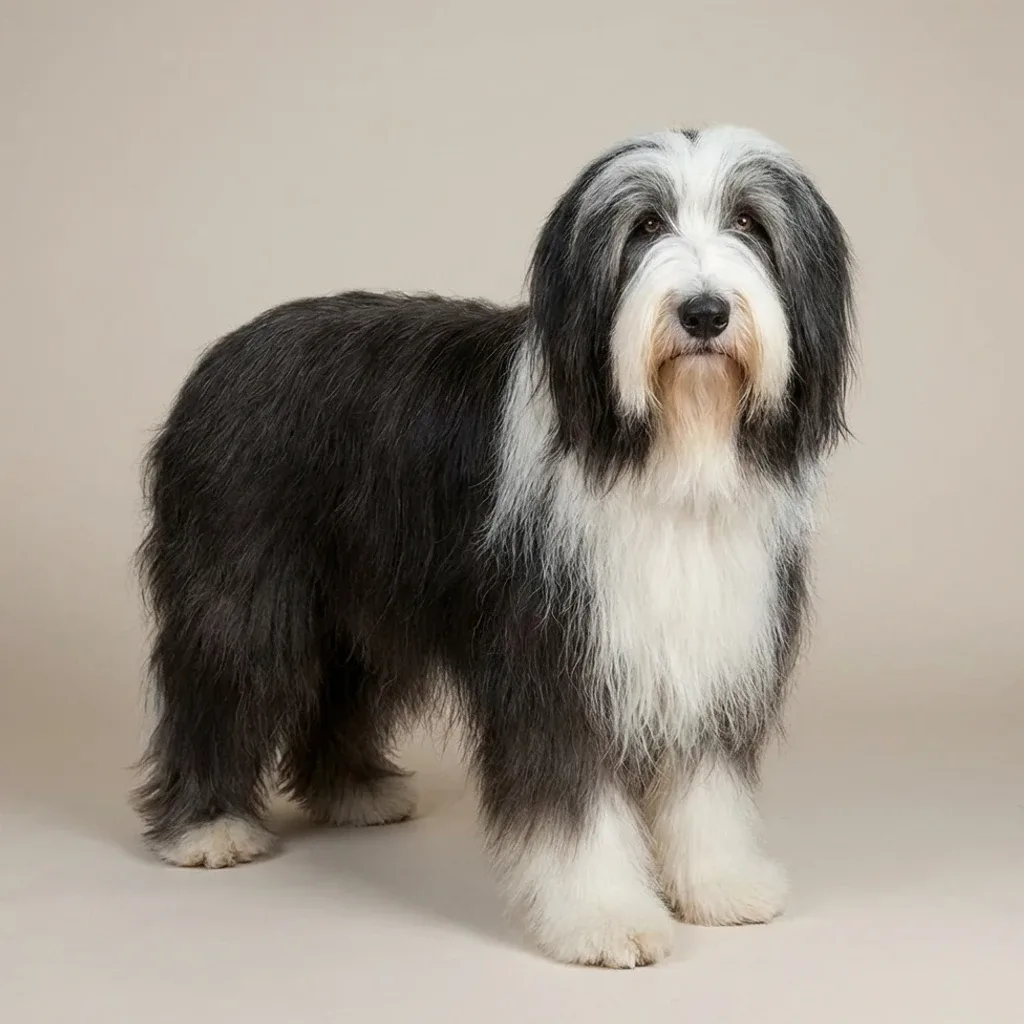
Bearded Collie
The 'Beardie' is an exuberant, shaggy-coated herder with a charismatic personality. Known for their 'Beardie Bounce,' they are playful and intelligent, making them wonderful companions for active families who don't mind a bit of grooming.
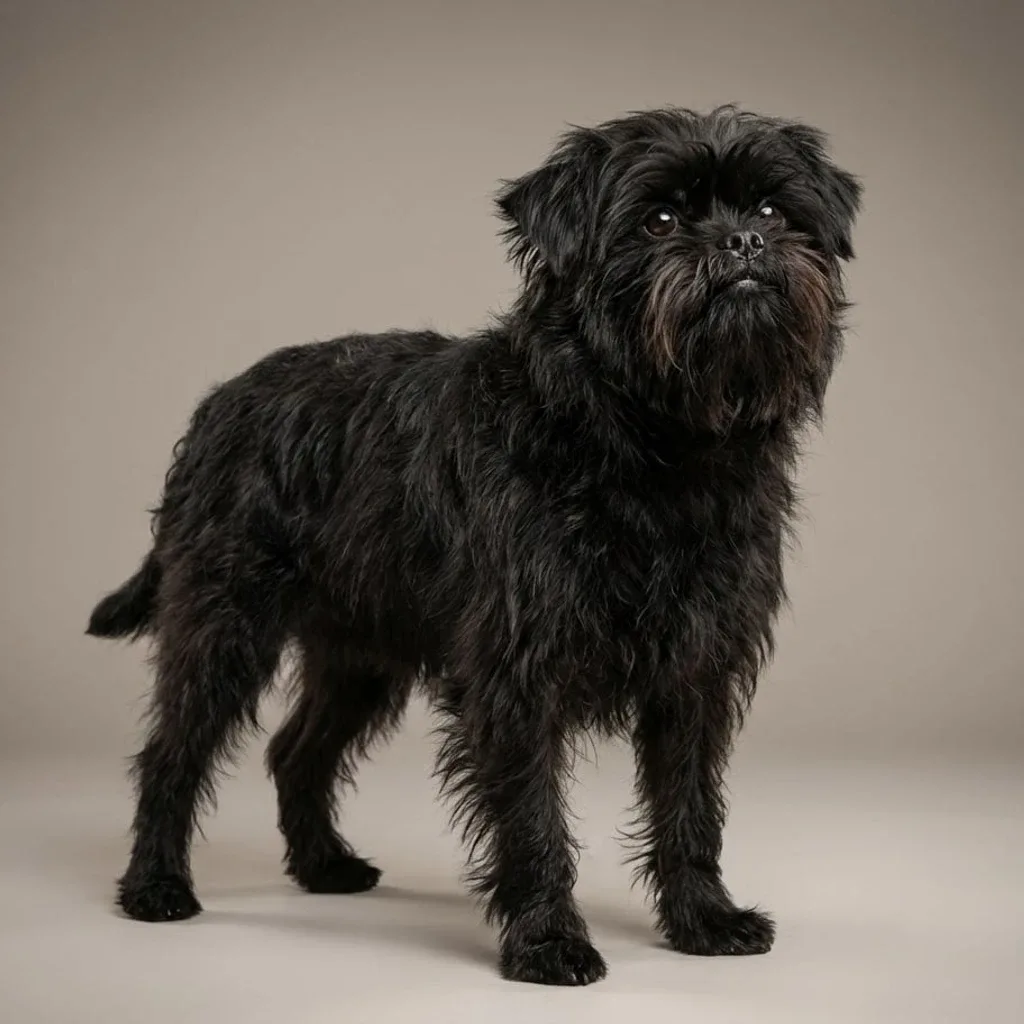
Affenpinscher
The Affenpinscher is a sturdy, monkey-like terrier-type toy breed known for its confidence and playful spirit. Despite its small size, it possesses a courageous heart and a loyal personality, making it a wonderful companion for Kiwi apartment dwellers or those with smaller sections.
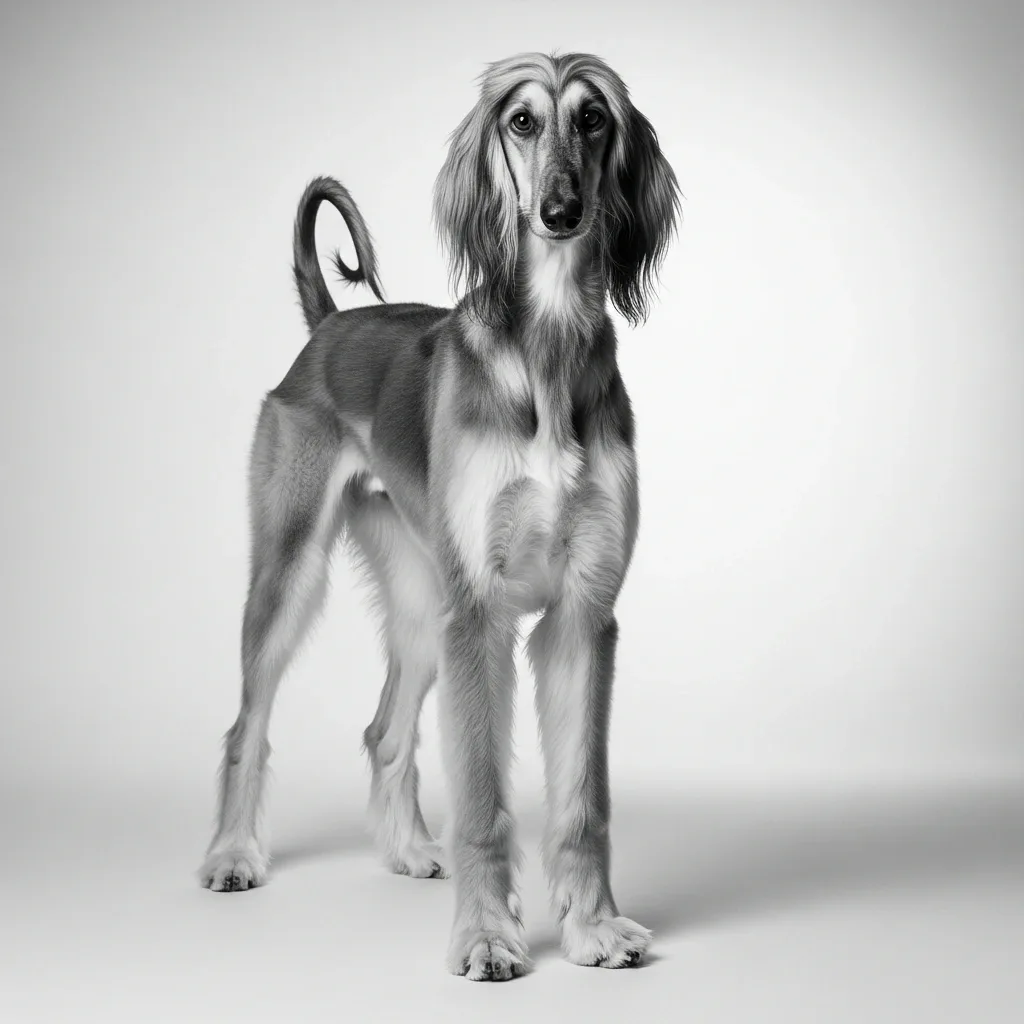
Afghan Hound
The Afghan Hound is an elegant aristocrat with a dignified and aloof personality. Known for its striking, silky coat, this breed is a high-maintenance beauty that requires ample space to run and an owner dedicated to its complex grooming needs.
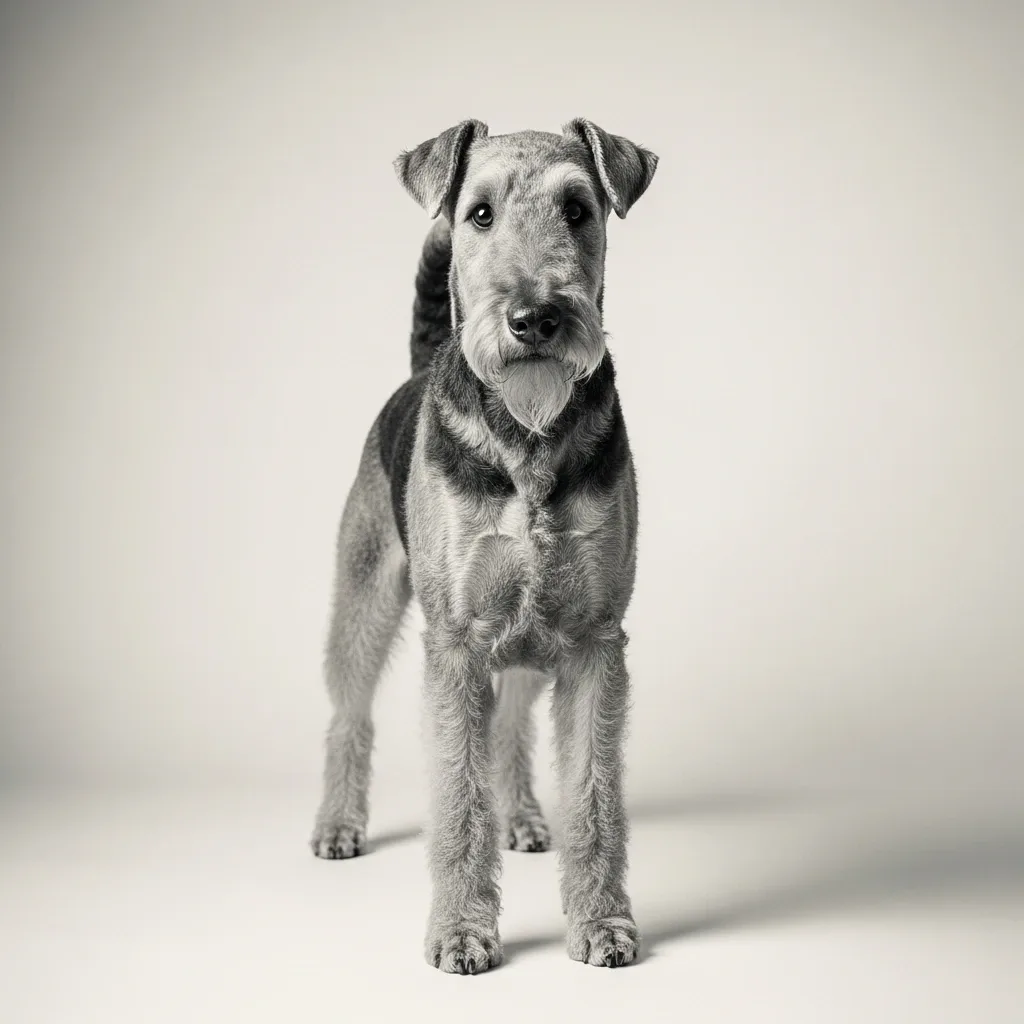
Airedale Terrier
The 'King of Terriers', the Airedale is the largest of all terrier breeds. They are brave, hardworking, and highly intelligent, making them excellent partners for active Kiwi families who love tramping and outdoor adventures.