Dog Breed Guide NZ
German Shepherd
The German Shepherd, a truly magnificent and highly versatile breed, is celebrated in New Zealand for its unwavering loyalty, keen intelligence, and protective nature. These dogs form incredibly strong bonds with their families, thriving when given a purpose and consistent guidance. Renowned for their courage and confidence, they excel in almost any canine job, from assistance roles to police work. Their impressive trainability and desire to please make them rewarding companions for experienced owners. In the Kiwi lifestyle, a German Shepherd fits best with active individuals or families who can provide ample space, consistent training, and daily mental and physical stimulation, ensuring they become a well-adjusted and cherished member of the whānau.
Photo Gallery
Breed Snapshot
- Size
- Male: 29-41 kg; Female: 23-32 kg
- Lifespan
- 9-13 years
- Origin
- Germany
- Temperament
- Confident, courageous, intelligent, loyal, protective
- NZ Price
- $2,000 - $4,500 NZD from registered health-testing breeders; $800 - $1,500 NZD unregistered or backyard litters; $150-$450 NZD adoption via SPCA or breed-specific rescues
- Annual Vet Cost
- Estimated annual vet costs for a German Shepherd in NZ can range from $600 - $1,200 NZD for routine care, including vaccinations, regular flea and worm treatments, and annual check-ups. However, due to their predisposition to certain health issues like hip and elbow dysplasia, degenerative myelopathy, and bloat, owners should budget for potential specialist consultations, medications, or surgeries. Treatments for these conditions can easily add thousands of dollars if they arise. For instance, hip or elbow surgery can cost upwards of $4,000 - $8,000 per joint. Regular screening for these conditions also adds to the cost. Pet insurance is highly recommended by the NZVA to help manage these unforeseen expenses.
Personality Scores
NZ Lifestyle Fit
The German Shepherd's suitability for different New Zealand living situations varies significantly. An Auckland apartment might be challenging unless the owner is highly committed to daily, extensive exercise and mental stimulation, as the humid summers can make long walks uncomfortable during peak heat. A house with a good-sized, securely fenced section is far more suitable, offering space for patrolling and play, which aligns well with their protective instincts. Rural NZ farms are often ideal, providing ample space and opportunities for these intelligent dogs to thrive with a job, such as guarding livestock or property. South Island cold winters are generally well-tolerated thanks to their dense double coat, but shelter from the elements is always essential. High UV levels across NZ mean owners should be mindful of sun exposure, especially for lighter-coated dogs, and ensure access to shade during peak sun hours. MPI has no specific restrictions on German Shepherds in New Zealand, but responsible ownership, including registration and microchipping, is mandatory.
Origins & History
The German Shepherd Dog (GSD) boasts a relatively modern history, originating in Germany in the late 19th century. Captain Max von Stephanitz is credited with developing the breed, aiming to create the ultimate working dog. His vision was a dog with intelligence, strength, and utility, primarily for herding sheep. As Germany industrialised and the need for herding dogs declined, von Stephanitz shrewdly adapted the breed's purpose, advocating for its use in police and military work. Their exceptional trainability, courage, and keen senses quickly made them indispensable in these roles, gaining international recognition during World War I. Today, the German Shepherd remains one of the most popular and respected breeds globally, highly valued for its versatility and unwavering dedication.
Appearance
German Shepherds are striking dogs, known for their noble and athletic build. Males typically stand between 60-65 cm at the shoulder and weigh 29-41 kg, while females are slightly smaller, 55-60 cm and 23-32 kg. They possess a strong, muscular body, a deep chest, and a distinctive, often slightly sloped backline. Their head is proportionate to their body, with erect ears and intelligent, dark eyes. The breed has a dense double coat, which can be medium or long, offering protection against various weather conditions. Common coat colours include black and tan, sable, black, and bi-colour, with the classic black and tan being the most widely recognised. Their powerful gait is characterised by a smooth, flowing trot, showcasing their endurance and agility.
Temperament & Personality
The German Shepherd's temperament is a cornerstone of its appeal. They are renowned for being confident, courageous, and highly intelligent. This breed forms incredibly strong, loyal bonds with their families, often displaying a protective instinct that makes them excellent guardians. While affectionate and playful with their loved ones, they can be reserved or aloof with strangers, a trait that makes them effective watchdogs. Their intelligence means they are highly trainable and thrive on having a 'job' to do, whether it's obedience, agility, herding, or simply being a well-behaved family companion. However, this intelligence also means they require significant mental stimulation to prevent boredom, which can lead to destructive behaviours. A confident, consistent owner who can provide clear leadership and early socialisation is crucial for a well-adjusted German Shepherd.
Life in New Zealand
German Shepherds are a popular and well-loved breed in New Zealand, fitting into various Kiwi lifestyles. Their adaptability means they can thrive in diverse environments, from suburban homes with good sections to rural properties where they can truly stretch their legs. They are often seen participating in dog sports like agility and obedience, or serving as working dogs with the police and search and rescue teams across the country. Their protective nature makes them excellent family guardians, and their love for outdoor activities aligns well with New Zealand's active culture, enjoying walks on dog-friendly beaches, reserves, and tramping tracks. However, owners must be prepared for their significant exercise and training needs to ensure they are happy and well-behaved members of the community.
Is This the Right Breed for You?
Bringing a German Shepherd into your home is a significant commitment. This is not a breed for first-time dog owners or those who cannot dedicate substantial time to training, socialisation, and exercise. They require a confident, consistent leader who understands canine behaviour and can provide firm yet fair guidance. Without proper training and mental stimulation, a German Shepherd can become bored, anxious, and develop behavioural issues. They thrive in environments where they are an integral part of the family, not left alone for long periods. If you are an active individual or family, committed to providing structure, daily activity, and ongoing engagement, a German Shepherd will reward you with unparalleled loyalty, intelligence, and companionship, becoming a devoted and cherished member of your Kiwi household.
Fun Facts
Fact 1
German Shepherds were originally bred in Germany in the late 1800s specifically for herding sheep.
Fact 2
They are one of the most popular breeds worldwide for police, military, and search and rescue work due to their intelligence and courage.
Fact 3
The first guide dogs for the blind were German Shepherds, establishing a legacy of assistance dog roles.
Fact 4
Rin Tin Tin, a famous canine movie star of the 1920s and 30s, was a German Shepherd rescued from a WWI battlefield.
Fact 5
Their exceptional sense of smell makes them highly effective in detection roles, from drugs and explosives to missing persons.
Related Breeds
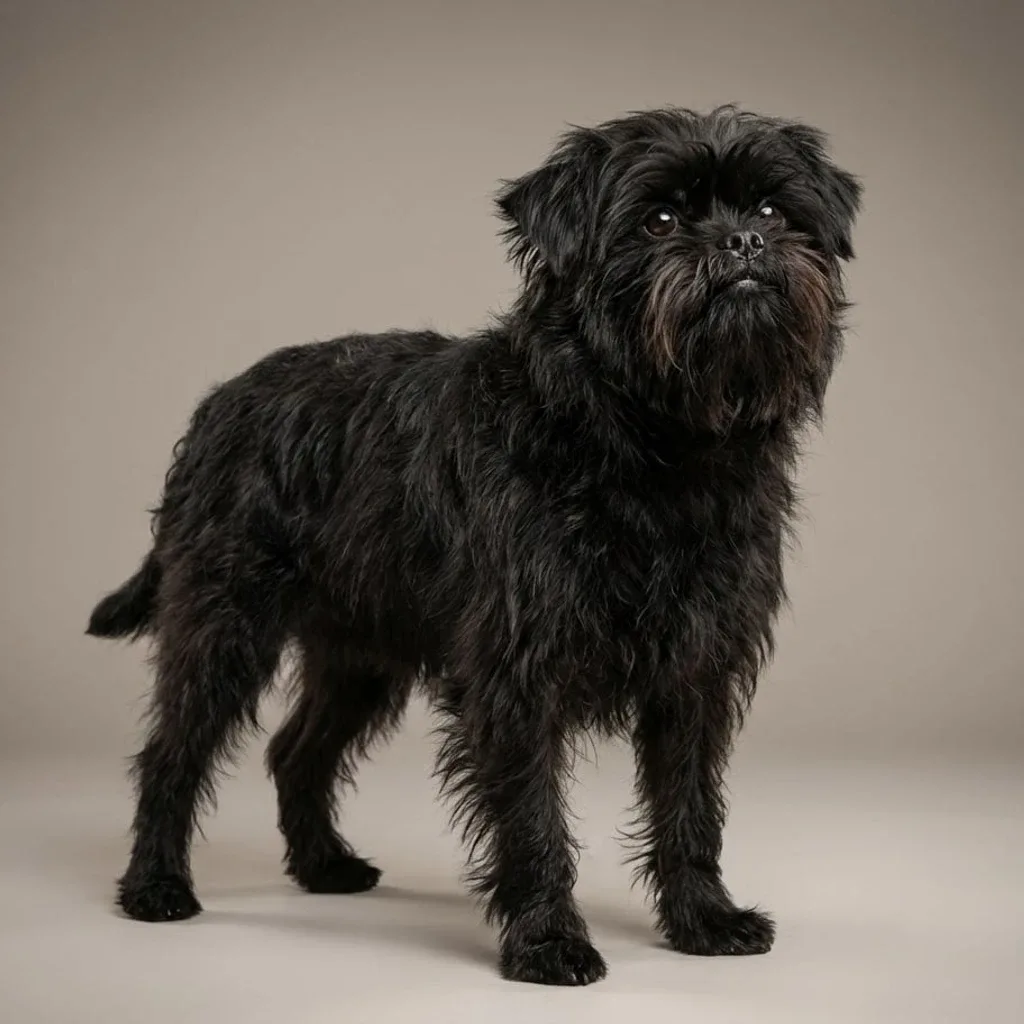
Affenpinscher
The Affenpinscher is a sturdy, monkey-like terrier-type toy breed known for its confidence and playful spirit. Despite its small size, it possesses a courageous heart and a loyal personality, making it a wonderful companion for Kiwi apartment dwellers or those with smaller sections.
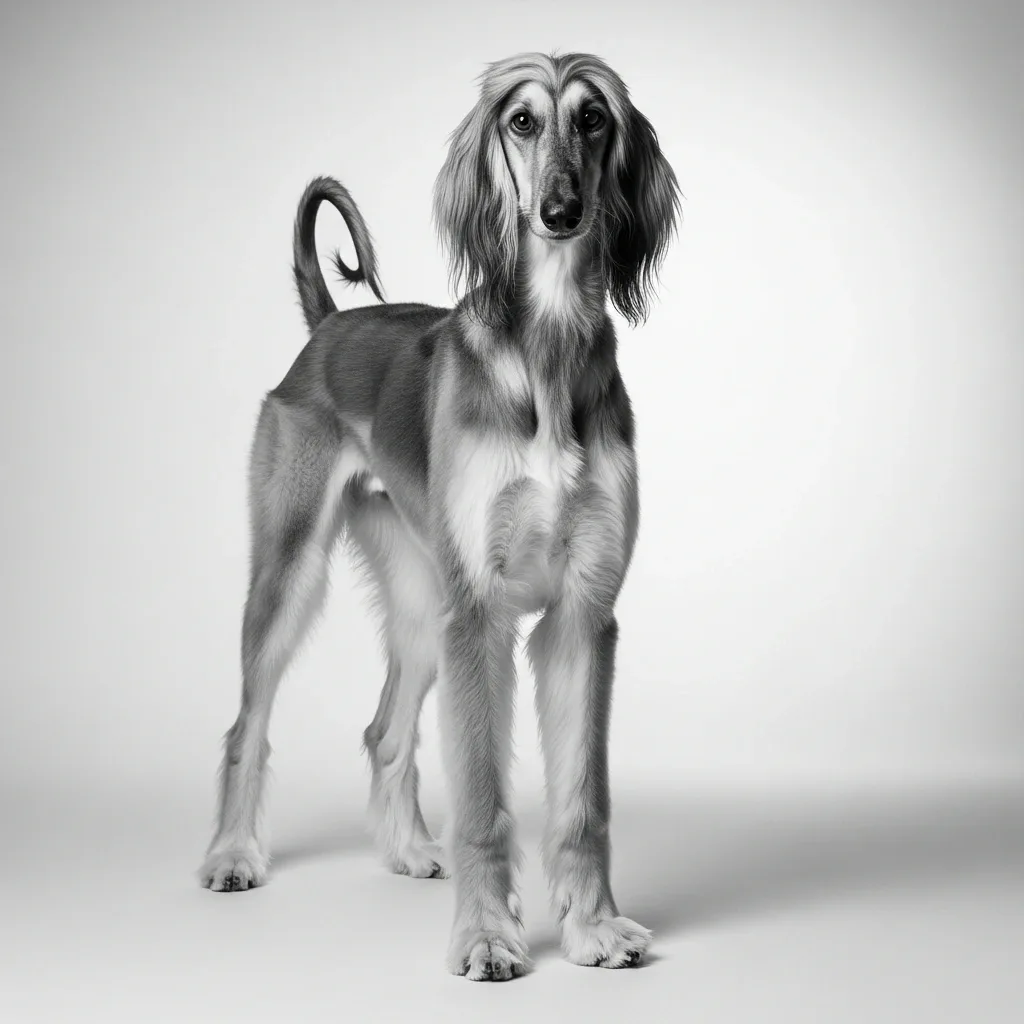
Afghan Hound
The Afghan Hound is an elegant aristocrat with a dignified and aloof personality. Known for its striking, silky coat, this breed is a high-maintenance beauty that requires ample space to run and an owner dedicated to its complex grooming needs.
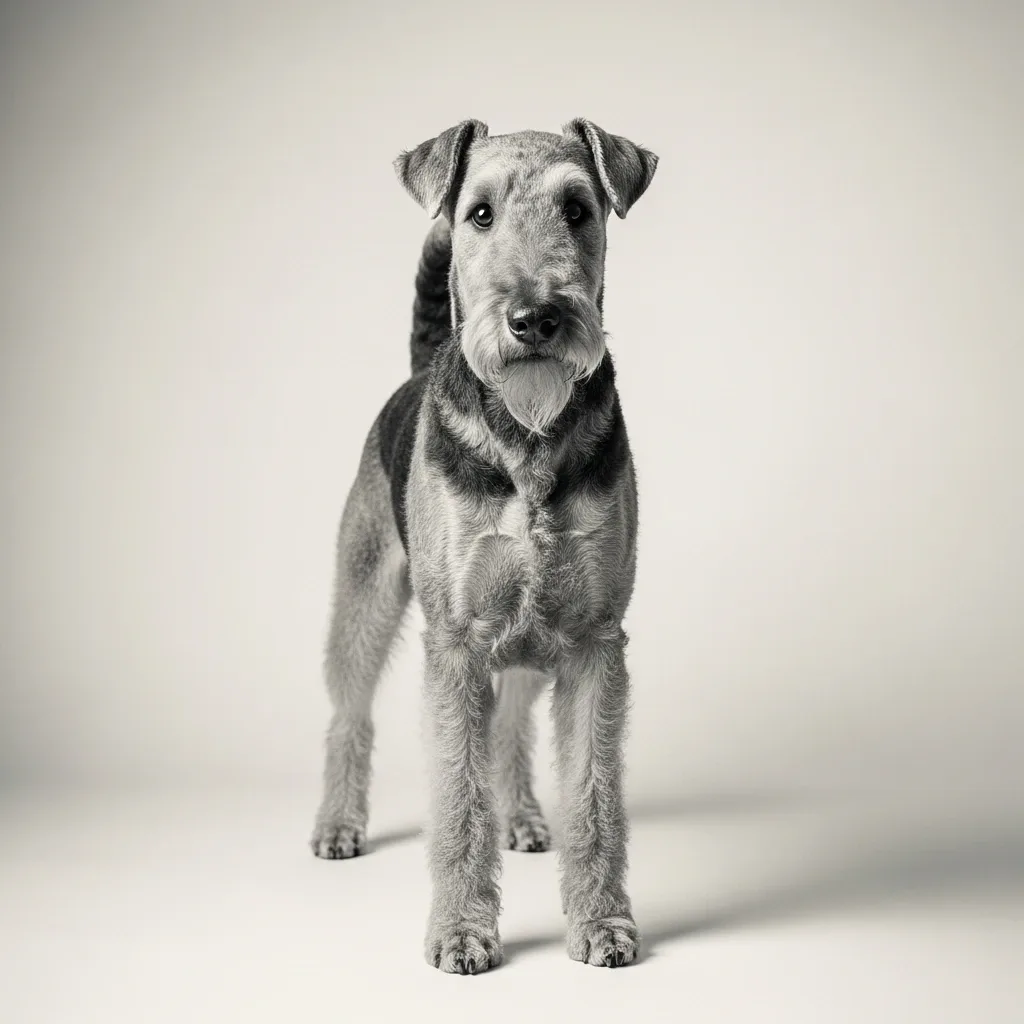
Airedale Terrier
The 'King of Terriers', the Airedale is the largest of all terrier breeds. They are brave, hardworking, and highly intelligent, making them excellent partners for active Kiwi families who love tramping and outdoor adventures.
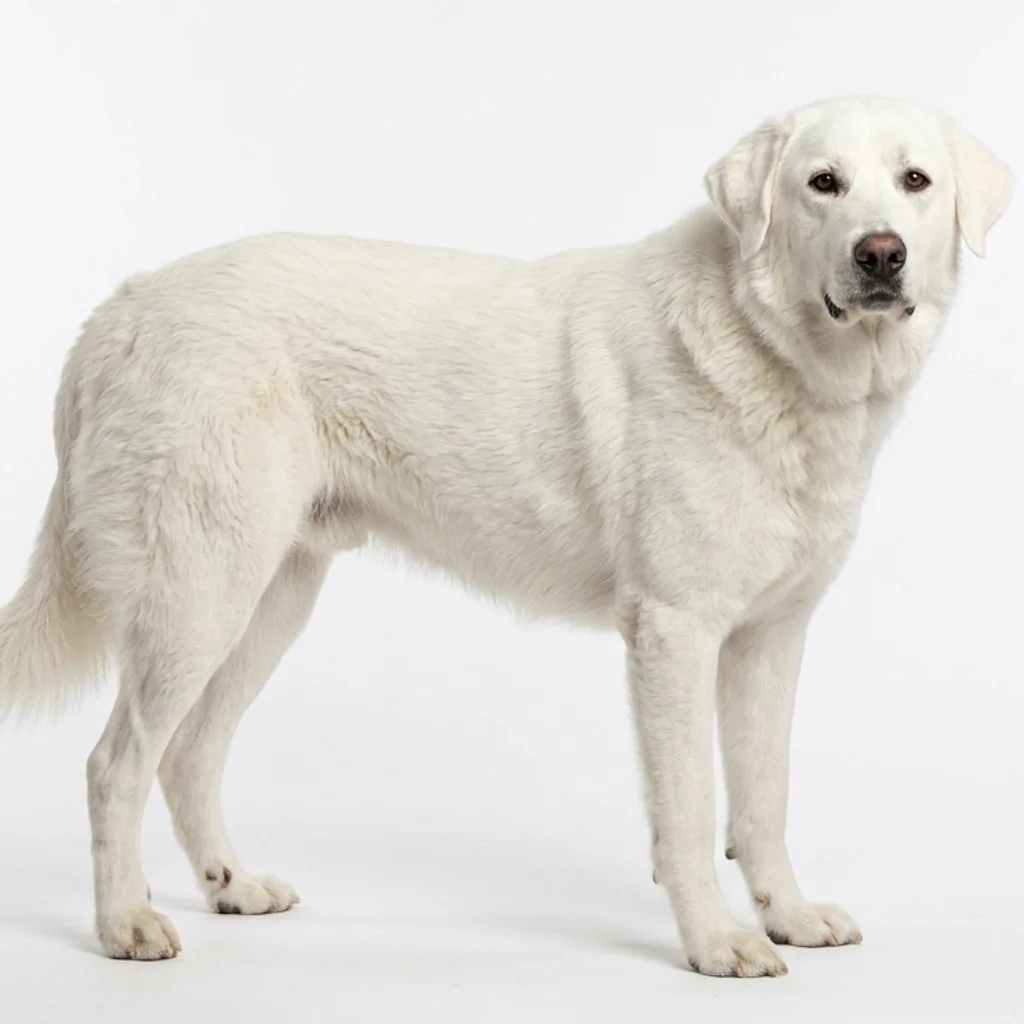
Akbash Dog
Originally a Turkish livestock guardian, the Akbash is a serious, protective, and independent breed. They are not suited for apartment living and thrive on large NZ lifestyle blocks where they can have a 'territory' to watch over.