Dog Breed Guide NZ
Australian Cattle Dog
The Australian Cattle Dog, widely known in New Zealand as the Blue Heeler, is a compact, tough and exceptionally intelligent herding breed originally developed in Australia. Loyal and alert, they thrive on structured outdoor jobs and active training.
Photo Gallery
Breed Snapshot
- Size
- 16-23 kg
- Lifespan
- 12-16 years
- Origin
- Being enriched
- Temperament
- Intelligent, alert, loyal, energetic, courageous
- NZ Price
- $1,000 - $3,000 NZD from registered breeders; $150-$450 NZD adoption via SPCA or breed-specific rescues
- Annual Vet Cost
- Estimated annual vet costs for an Australian Cattle Dog in New Zealand typically range from $400 - $800 NZD for routine care (vaccinations, flea/worming, annual check-ups). However, this breed is prone to certain genetic health issues such as Hip and Elbow Dysplasia, Progressive Retinal Atrophy (PRA), and congenital deafness. Should these conditions arise, treatment can significantly increase costs, potentially ranging from $1,500 - $5,000+ NZD for surgical interventions or ongoing specialist care. Regular health screenings and responsible breeding practices can help mitigate some risks.
Personality Scores
NZ Lifestyle Fit
The Australian Cattle Dog's suitability in New Zealand largely depends on the owner's lifestyle and living situation. For an apartment in Auckland, they are generally not recommended. Their high energy levels and need for space mean they would quickly become bored and potentially destructive without significant daily outings, which can be challenging in a dense urban environment. A house with a secure, large section offers a better fit, but even then, daily vigorous exercise outside the property is essential. They need a job or an activity to channel their intelligence and energy. Rural NZ farms or lifestyle blocks are where these dogs truly shine. Their natural herding instincts and robust build make them invaluable working partners, and the open space provides ample opportunity for physical and mental stimulation. In terms of climate, their double coat handles South Island cold winters well, but they will still need adequate shelter. Auckland's humid summers and New Zealand's high UV levels necessitate access to shade and plenty of fresh water to prevent overheating. There are no specific MPI restrictions on the Australian Cattle Dog breed in New Zealand.
The Australian Cattle Dog, often called a 'Blue Heeler' or 'Red Heeler' depending on their coat colour, is a breed renowned for its toughness, intelligence, and unwavering loyalty. Bred to handle the harsh conditions of the Australian outback, these dogs are perfectly equipped for the demanding landscapes and active lifestyles found across New Zealand. They are not merely pets; they are partners, requiring significant mental and physical engagement to truly thrive.
Origins & History
The Australian Cattle Dog's history is deeply intertwined with the development of Australia's beef industry in the 19th century. Early colonial cattle farmers needed a dog that could work vast, unfenced properties, driving stubborn cattle over long distances in extreme heat. Traditional European herding dogs struggled in these conditions. Through a series of careful crosses, including native Dingoes, Scottish Smooth Collies, Dalmatians, and Kelpies, the Australian Cattle Dog was developed. The Dingo bloodline contributed to their incredible endurance, resilience, and quiet working style, nipping at the heels of cattle without barking excessively. Recognised for their unique abilities, they quickly became indispensable on farms and stations, eventually making their way to New Zealand where their skills were equally valued in our own farming communities.
Appearance
The Australian Cattle Dog is a sturdy, compact, and powerfully built dog, designed for agility and endurance. Males typically stand between 46-51 cm at the shoulder, with females slightly smaller at 43-48 cm. Their weight ranges from 16-23 kg. They possess a broad skull and muscular body, giving them a robust appearance. Their most distinctive feature is their double coat: a short, dense undercoat and a weather-resistant outer coat. Common colours are blue (often with black, tan, or white markings, giving a 'blue heeler' appearance) and red speckle (with or without darker red patches, known as 'red heelers'). Pups are born white, developing their colouration as they mature. Their keen, intelligent eyes and pricked ears convey their constant alertness.
Temperament & Personality
Intelligent, alert, loyal, energetic, and courageous – these words perfectly describe the Australian Cattle Dog. They possess an innate working drive and thrive when given a 'job' to do, whether it's herding livestock, participating in dog sports, or engaging in challenging training. Their intelligence means they learn quickly, but it also means they require consistent mental stimulation to prevent boredom and destructive behaviours. They are fiercely loyal to their family, often forming a particularly strong bond with one person. However, this loyalty can translate into wariness or aloofness towards strangers, making early and extensive socialisation crucial. Their herding instinct is strong, and they may attempt to 'herd' children or other pets by nipping at heels, a behaviour that needs careful management and training.
Life in New Zealand
For many Kiwi families, the Australian Cattle Dog is an ideal companion, particularly those with active lifestyles or rural properties. Their resilience and double coat make them well-suited to New Zealand's varied climate, from the cold South Island winters to the humid Auckland summers, provided they have appropriate shelter and access to water. They excel in environments where they can utilise their natural instincts, such as on farms, lifestyle blocks, or with owners who enjoy tramping, running, or dog sports. Their high energy demands mean they are not suited to sedentary lifestyles or small urban flats without significant daily exercise and mental engagement. They thrive on routine and clear boundaries, becoming incredibly devoted and reliable companions when their needs are met.
Is This the Right Breed for You?
Bringing an Australian Cattle Dog into your home is a significant commitment. They are not a breed for first-time dog owners or those seeking a low-maintenance companion. You need to be prepared for their high exercise requirements, their need for consistent training and mental challenges, and their strong personality. If you're an active individual or family living on a section or a rural property, enjoy outdoor adventures, and are prepared to invest time in training and socialisation, an Australian Cattle Dog could be your perfect match. They offer unparalleled loyalty, intelligence, and a zest for life that can enrich the right household immeasurably. However, if you're looking for a couch potato or have limited time for daily engagement, this breed may prove to be too much of a challenge.
Fun Facts
Fact 1
Australian Cattle Dogs are born white, and their distinctive blue or red speckle coat develops as they mature.
Fact 2
Their lineage includes the native Australian Dingo, contributing to their incredible resilience and quiet working style.
Fact 3
They are often referred to as 'Blue Heelers' or 'Red Heelers' due to their coat colour and their tendency to 'heel' (nip at the heels) of cattle.
Fact 4
An Australian Cattle Dog named Bluey holds the record for the oldest dog, living an incredible 29 years and 5 months.
Fact 5
They are among the most intelligent dog breeds, often ranking in the top 10 for working intelligence and obedience.
Related Breeds
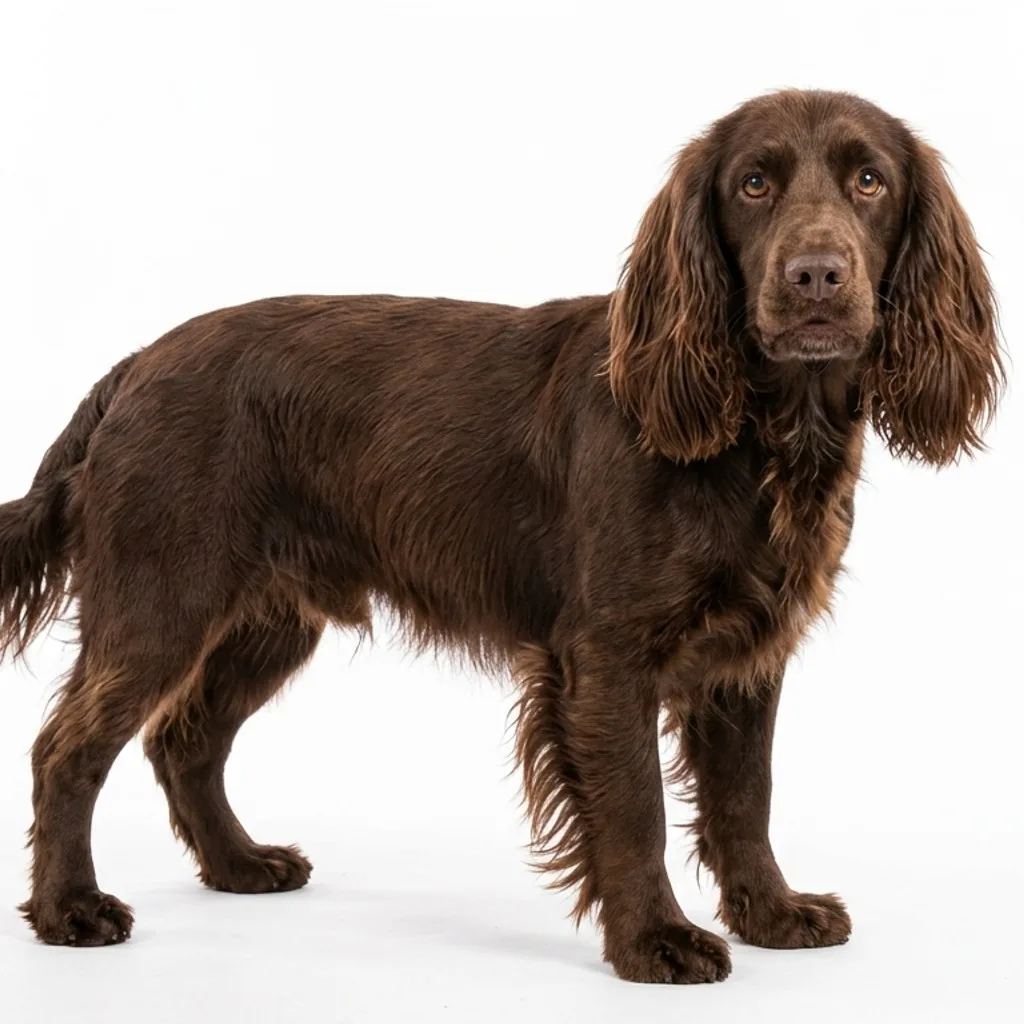
Field Spaniel
A docile, sensitive, and hardworking spaniel. Fields are level-headed and affectionate, making them great companions for active families who enjoy nature and tramping.
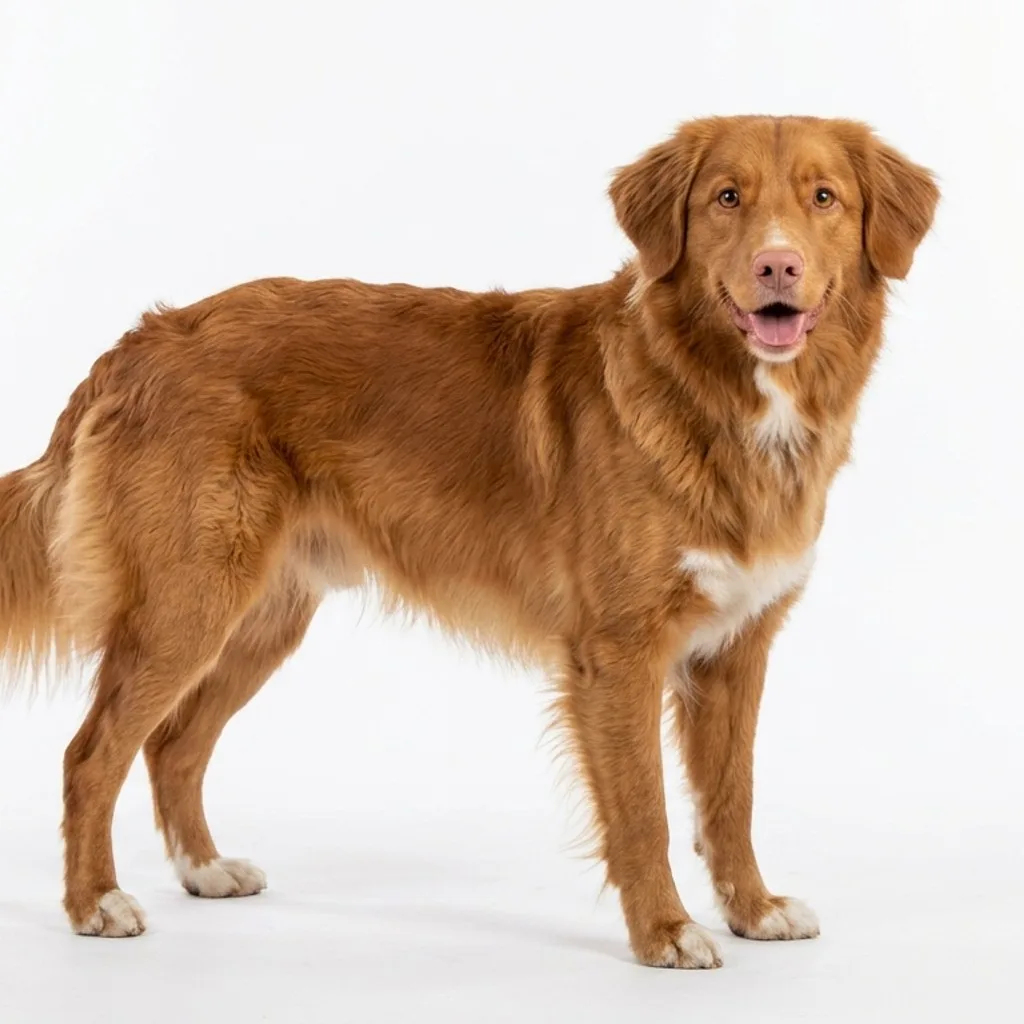
Nova Scotia Duck Tolling Retriever
The 'Toller' is an intelligent, high-energy athlete built for retrieving. They are the smallest of the retrievers but possess incredible stamina. They are perfect for active Kiwi households that enjoy lake trips and mountain tramps.
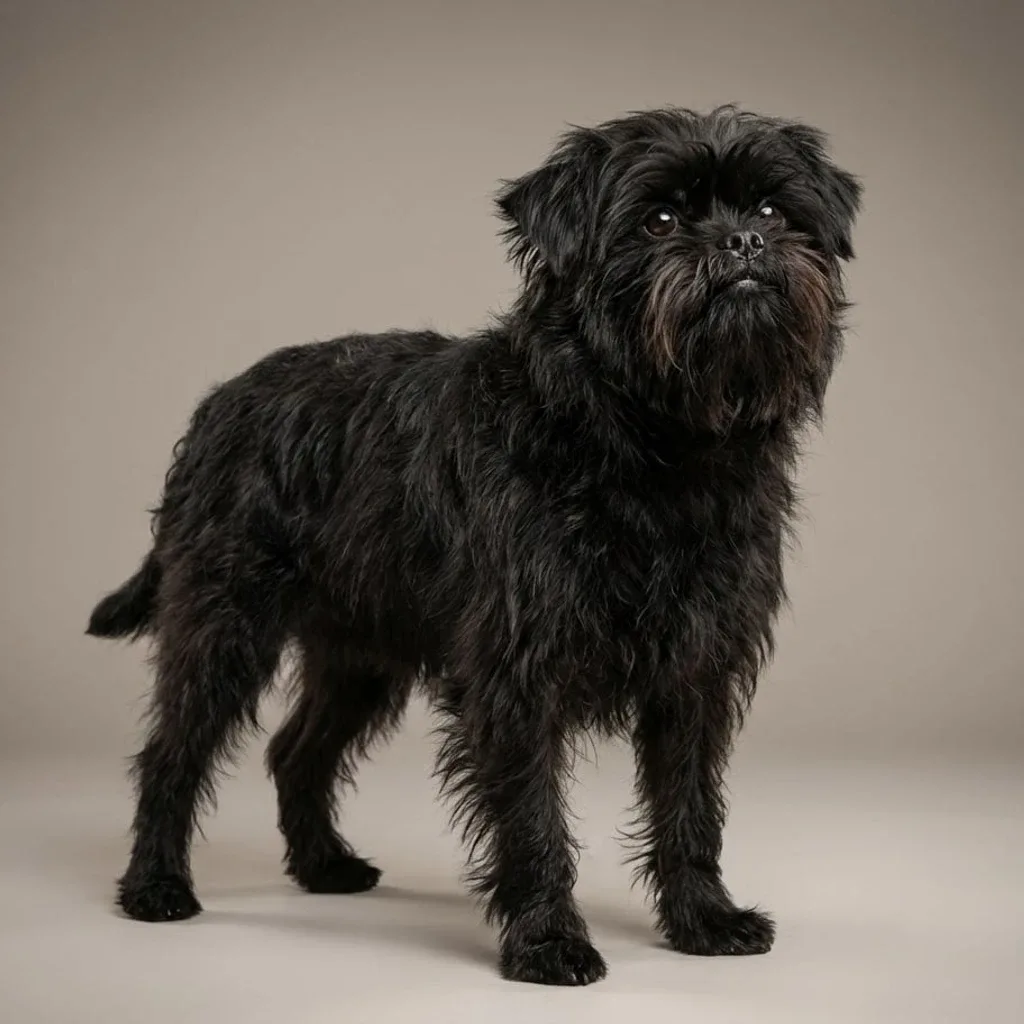
Affenpinscher
The Affenpinscher is a sturdy, monkey-like terrier-type toy breed known for its confidence and playful spirit. Despite its small size, it possesses a courageous heart and a loyal personality, making it a wonderful companion for Kiwi apartment dwellers or those with smaller sections.
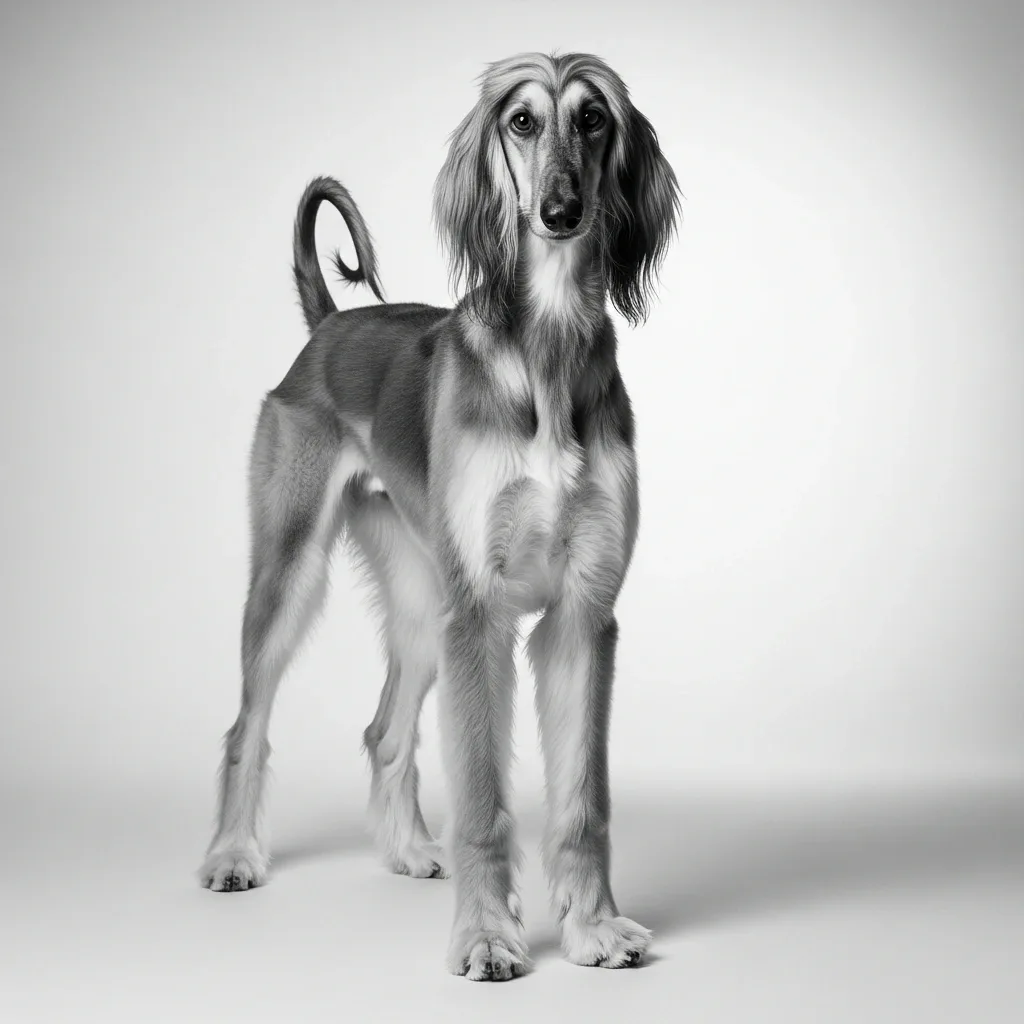
Afghan Hound
The Afghan Hound is an elegant aristocrat with a dignified and aloof personality. Known for its striking, silky coat, this breed is a high-maintenance beauty that requires ample space to run and an owner dedicated to its complex grooming needs.