Dog Breed Guide NZ
Field Spaniel
The Field Spaniel is a truly unique and often overlooked gem among the spaniel breeds, known for its docile, sensitive, and hardworking nature. These level-headed and affectionate dogs make superb companions for active families who relish the great outdoors, whether it's a stroll along a local beach or an adventurous tramp through New Zealand's stunning bush. With their intelligent and gentle disposition, Field Spaniels are eager to please and form strong bonds with their human whānau. Their adaptable personality, coupled with a love for exploration, makes them an ideal fit for the active Kiwi lifestyle, thriving in homes where they can be an integral part of family adventures.
Photo Gallery
Breed Snapshot
- Size
- 16-23 kg
- Lifespan
- 12-13 years
- Origin
- Being enriched
- Temperament
- Docile, intelligent, affectionate, gentle, sensitive
- NZ Price
- $3,000 - $4,500 NZD from registered breeders; $150-$350 NZD adoption via SPCA
- Annual Vet Cost
- Estimated annual vet costs for a Field Spaniel in New Zealand typically range from $800 - $1,500 NZD. This includes routine check-ups, vaccinations, flea and worming treatments. However, potential owners should budget extra for breed-specific health issues such as hip and elbow dysplasia, which may require X-rays or surgery, and various eye conditions like progressive retinal atrophy (PRA) or cataracts. Ear infections are also common due to their pendulous ears, requiring regular cleaning and potential veterinary treatment. Hypothyroidism and patellar luxation are other conditions to be aware of, which can add to annual costs.
Personality Scores
NZ Lifestyle Fit
The Field Spaniel's adaptable nature makes them suitable for various New Zealand living situations, though some are more ideal than others. While they can manage in an Auckland apartment if they receive ample daily exercise and mental stimulation, they truly thrive with a house and a secure section where they can explore and play. Their moderate size and calm indoor demeanour are assets, but their need for activity means a small flat without easy access to parks or reserves isn't ideal. For rural New Zealand farm life, Field Spaniels can be excellent companions, potentially assisting with light retrieving tasks, but require solid training to ensure they don't chase livestock. Their water-resistant coat provides good protection against South Island cold winters, but a warm, dry shelter is paramount. During Auckland's humid summers, their dense coat necessitates extra care to prevent overheating; ensure access to shade and fresh water. High UV levels across New Zealand mean all dogs, especially those with lighter coats or exposed skin, need protection from the sun during peak hours. There are no specific MPI restrictions on owning Field Spaniels in New Zealand.
Origins & History
The Field Spaniel's story begins in 19th-century England, primarily developed from the Cocker Spaniel, with some influence from Sussex Spaniels and other breeds. Initially bred to be an all-black show dog, distinct from the working Cocker Spaniel, the breed's early development focused heavily on aesthetics, leading to an exaggerated long, low body that unfortunately hindered its working abilities. This period saw the breed's popularity wane significantly, pushing it to the brink of extinction by the early 20th century.
Thankfully, dedicated breeders recognised the breed's inherent qualities beyond its show ring appearance. A concerted effort was made to revitalise the Field Spaniel, reintroducing more moderate body types and focusing on its original purpose as a versatile gundog. By incorporating elements of the English Springer Spaniel, the breed was gradually restored to its more balanced and functional form, regaining its reputation as a capable working dog and a charming companion. Today, the Field Spaniel remains a relatively rare breed globally, including in New Zealand, cherished by those who appreciate its unique blend of beauty, intelligence, and affectionate nature.
Appearance
The Field Spaniel is a medium-sized, solidly built dog, exuding an air of nobility and strength without being overly heavy. Males typically weigh between 18-23 kg and stand 46-48 cm at the shoulder, while females are slightly smaller, weighing 16-20 kg and standing 43-46 cm. Their most striking feature is their luxurious, single coat, which is long, silky, and dense, with ample feathering on the chest, legs, and tail. This water-resistant coat comes in a variety of colours, including solid black, liver, roan (blue, liver, or orange), and sometimes with tan points. Their expression is soft and intelligent, framed by long, pendulous ears that are set low and covered with silky hair. The Field Spaniel's overall appearance is one of grace and athleticism, perfectly suited for both the show ring and a day out tramping.
Temperament & Personality
The Field Spaniel is renowned for its docile, intelligent, and affectionate temperament, making it an outstanding family companion. They are gentle, sensitive dogs that thrive on human companionship and are known for their unwavering loyalty. Unlike some more boisterous spaniels, Fields are generally level-headed and calm indoors, provided they receive adequate exercise. They are eager to please and highly trainable, responding best to positive reinforcement methods due to their sensitive nature.
While generally friendly, some Field Spaniels can be a little reserved with strangers, preferring to observe before offering their affection. Early socialisation is crucial to ensure they grow into well-adjusted adults. They typically get along well with children, displaying patience and a playful spirit, and can coexist peacefully with other pets when introduced properly. Their intelligence and desire to work make them excel in various dog sports, from obedience and agility to scent work and retrieving, showcasing their versatility and keen mind.
Life in New Zealand
Field Spaniels are wonderfully suited to life in New Zealand, particularly for families who embrace the country's outdoor lifestyle. Their love for exploring, retrieving, and tramping makes them ideal companions for adventures in our national parks, beaches, and bush tracks (always checking local council and DOC regulations for dog access). Their moderate energy levels mean they're happy to join you on a long walk or a vigorous run, but are equally content to curl up at your feet at the end of the day.
Given their sensitive and affectionate nature, Field Spaniels thrive when they are an integral part of the family. They don't do well being left alone for extended periods and prefer to be involved in daily activities. A secure section is essential for their safety and to provide space for them to potter around. Their robust build and water-resistant coat make them well-equipped for New Zealand's varied climate, from the humid summers of Auckland to the colder winters of the South Island, though appropriate shelter and care are always necessary.
Is This the Right Breed for You?
The Field Spaniel is an excellent choice for active individuals or families who can provide consistent exercise, mental stimulation, and plenty of companionship. If you enjoy tramping, long walks, or participating in dog sports, a Field Spaniel will be a devoted and enthusiastic partner. They require an owner who understands their sensitive nature and is committed to positive, consistent training and early socialisation.
However, they are not suited for homes where they will be left alone for long hours, nor are they ideal for entirely sedentary lifestyles. Their beautiful coat requires regular grooming to prevent matting, so potential owners must be prepared for this commitment. If you're looking for a loyal, intelligent, and gentle canine companion to share your Kiwi adventures with, and you're prepared to invest time in their care and training, the Field Spaniel could be your perfect match.
Fun Facts
Fact 1
The Field Spaniel was originally bred in England in the 19th century, primarily from Cocker Spaniels.
Fact 2
At one point, the breed's exaggerated long, low body for show purposes nearly led to its extinction.
Fact 3
Unlike many spaniels, Field Spaniels can be a bit reserved with strangers, preferring to assess new people before offering affection.
Fact 4
They are considered one of the rarer spaniel breeds, even in their native England and globally.
Fact 5
Field Spaniels excel in scent work and retrieving, making them natural partners for dog sports like obedience and agility.
Related Breeds
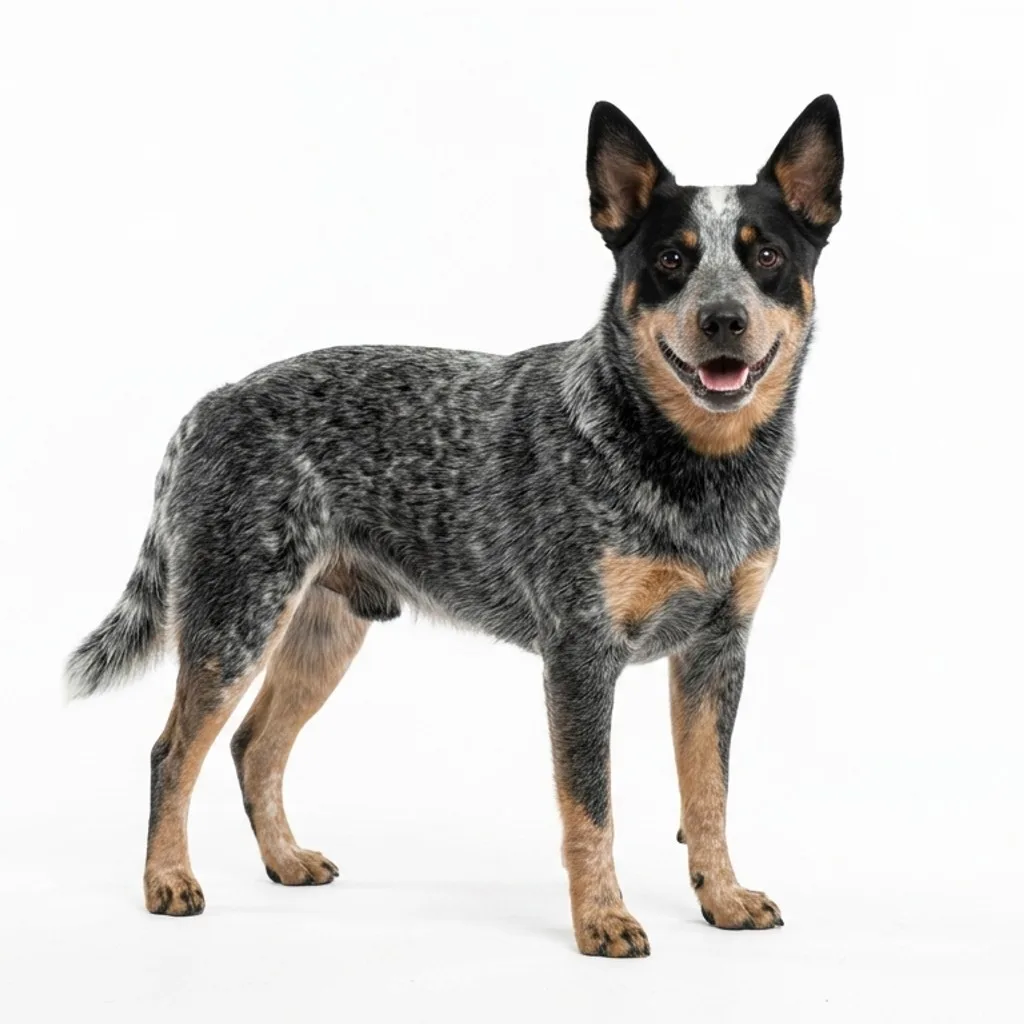
Australian Cattle Dog
Tough, alert and loyal, the Australian Cattle Dog (also known as the Blue Heeler or Queensland Heeler) is an intelligent, high-energy companion. Their herding drive and stamina make daily work or a structured job essential for Kiwi owners.
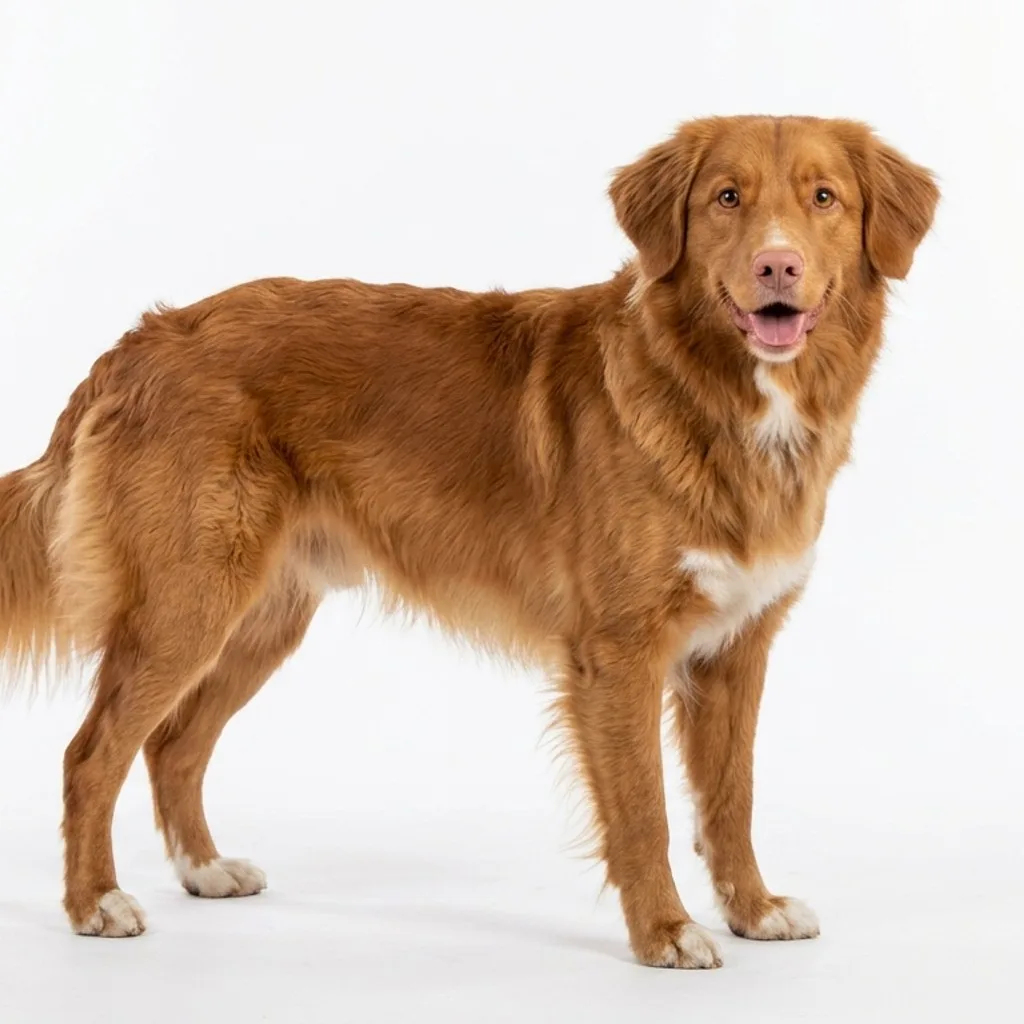
Nova Scotia Duck Tolling Retriever
The 'Toller' is an intelligent, high-energy athlete built for retrieving. They are the smallest of the retrievers but possess incredible stamina. They are perfect for active Kiwi households that enjoy lake trips and mountain tramps.
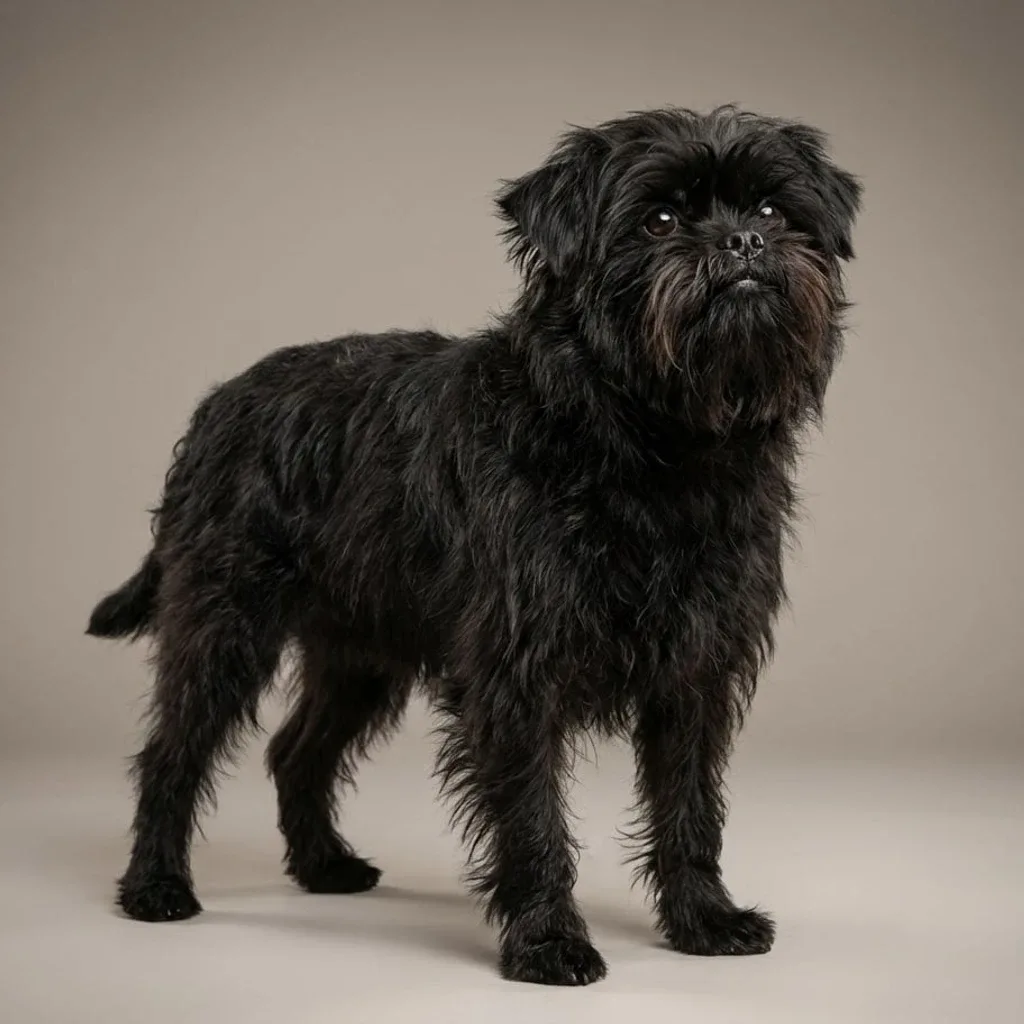
Affenpinscher
The Affenpinscher is a sturdy, monkey-like terrier-type toy breed known for its confidence and playful spirit. Despite its small size, it possesses a courageous heart and a loyal personality, making it a wonderful companion for Kiwi apartment dwellers or those with smaller sections.
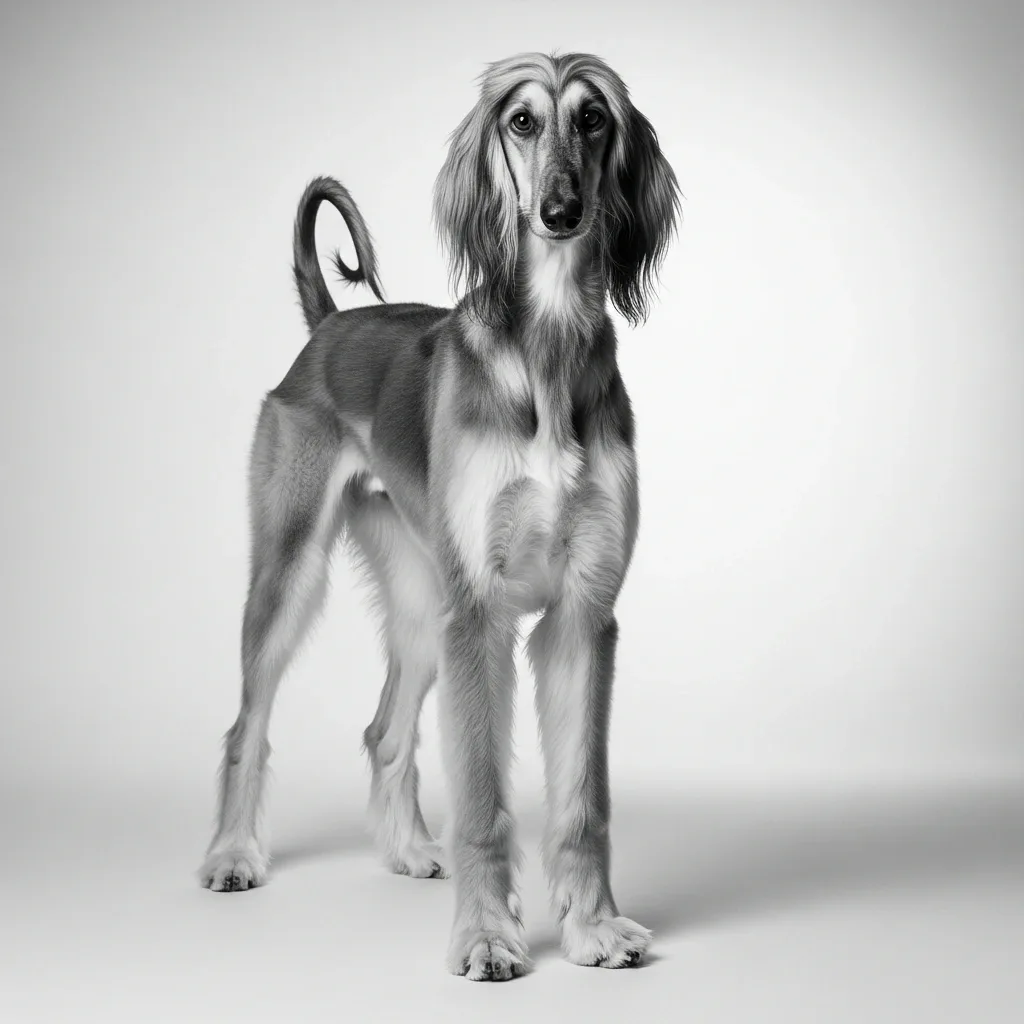
Afghan Hound
The Afghan Hound is an elegant aristocrat with a dignified and aloof personality. Known for its striking, silky coat, this breed is a high-maintenance beauty that requires ample space to run and an owner dedicated to its complex grooming needs.