Pet Breed Guide NZ
Sun Conure
The Sun Conure is a stunningly colourful, highly affectionate medium-sized parrot. Famous for its playful personality, it is also known for being exceptionally loud, making it unsuitable for apartments.
Photo Gallery
NZ Ownership Snapshot
Verified NZ Status- Noise Level
- loud
- Social Needs
- groups
- Diet Type
- Seeds, pellets, vegetables, fruit, and species-appropriate enrichment foods
- UVB Required
- No
Legal as captive-bred pets in NZ. CITES Appendix II — NZ-bred birds do not require CITES permits; importation requires permits. Source from licensed NZ breeders only.
Breed Snapshot
- Size
- medium
- Lifespan
- 20-30 years
- Origin
- South America / NZ captive bred
- Care Focus
- Extremely affectionate, playful, social, and visual; highly demanding of attention; exceptionally loud vocalizations
- NZ Price
- NZD $800–$2,000 from licensed breeders
- Annual Vet Cost
- Estimated annual vet/care costs in New Zealand for a Sun Conure can range from NZD $300 - $800+, potentially higher in case of emergencies or specialised treatments. This includes routine annual check-ups, which are vital for early detection of health issues. It's important for Kiwi owners to be aware that access to avian and exotic veterinarians in New Zealand is limited, and these specialist services can be more expensive than standard pet care. Finding a qualified avian vet in your region should be a priority upon acquiring your bird, as general vets may not have the specific expertise required for exotic bird health.
Personality Scores
NZ Lifestyle Fit
Sun Conures are best suited for Kiwi homes that can accommodate their energetic nature and significant noise levels. They are not ideal for apartment living or homes where quiet is a priority, as their loud calls can be disruptive to neighbours. A spacious home with a dedicated area for a large cage and plenty of out-of-cage supervised playtime is essential. New Zealand's diverse climate requires thoughtful consideration; while they can adapt, they need protection from extreme cold, especially in the South Island, and good ventilation in humid areas like Auckland. Owners must ensure their bird is housed in a secure, draft-free environment. Regional restrictions are uncommon for birds of this type, but always check with your local council for any specific bylaws. Legally sourcing a Sun Conure in NZ means purchasing from reputable, registered breeders or pet stores that can provide proper documentation and health guarantees, ensuring the bird has been bred responsibly within New Zealand.
Verified NZ domestic pet-bird context: MPI recognises parrots/parakeets as pet birds in NZ. This supports local captive-keeping context only; live bird imports are not allowed, and owners must still check species-specific and regional pest rules.
Overview
The Sun Conure (Aratinga solstitialis) is one of the most visually dazzling parrots in the world, boasting brilliant yellow, orange, red, and green plumage. Native to South America, these medium-sized birds (around 30cm in length) are incredibly popular in New Zealand for their stunning appearance and highly engaging, almost clownish personalities. They are deeply affectionate and love to cuddle, but they come with one major caveat: they are exceptionally loud.
NZ ownership fit
Sun Conures are highly social pack animals that bond intensely with their human owners. They love playing, performing tricks, and snuggling under shirts. However, they possess an incredibly piercing contact call. This extreme volume makes them entirely unsuitable for apartments, townhouses, or close-neighbour environments in New Zealand urban areas, as they can easily trigger council noise complaints. They are best suited for rural properties or detached homes where their calls won't disturb neighbours.
Care priorities
Provide a diverse diet consisting of 60% high-quality pellets, complemented by fresh fruits and vegetables daily. Due to their high emotional intelligence, they are prone to separation anxiety and self-harm (like feather plucking) if left alone for long periods. They need several hours of daily out-of-cage interaction. Ensure their environment is filled with wood, rope, and foraging toys to keep their busy minds occupied.
Fun Facts
Fact 1
Sun Conures are native to the northeastern coastal regions of South America.
Fact 2
They are one of the loudest conure species, capable of producing extremely high-pitched calls.
Fact 3
Their vibrant plumage, a mix of yellow, orange, green, and blue, develops fully by their first year.
Fact 4
Sun Conures are highly intelligent and can be taught to mimic words and perform tricks.
Fact 5
In the wild, they live in large flocks, highlighting their strong social needs.
Related Breeds
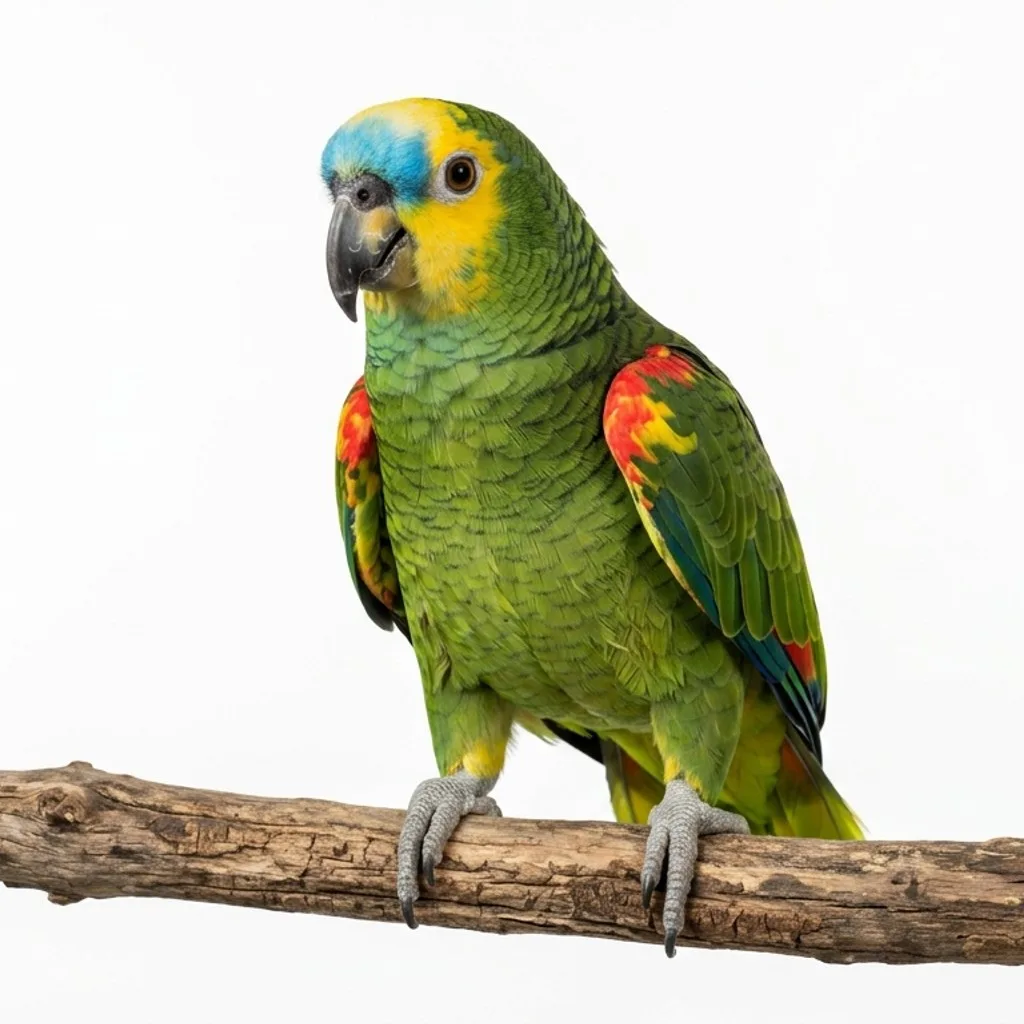
Blue-fronted Amazon Parrot
The Blue-fronted Amazon is a medium-sized green parrot from South America, marked by blue across the forehead and yellow on the crown and cheeks, and it suits experienced keepers rather than first-time bird owners. Outgoing, playful and often boisterous, it is an accomplished talker that can repeat words and phrases with real clarity. It is also genuinely loud, calling most at dawn and dusk, and adolescents commonly move through a bluffing stage that calls for patient, consistent handling. A lifespan of 40 to 60 years makes this a decades-long commitment. Daily care means fresh food and water, spot cleaning, and two to four hours of supervised time out of the cage, with rotating destructible toys and training sessions to head off the boredom that shows up as feather plucking or aggression. Best suited to a settled, experienced household with daily time and tolerance for noise.
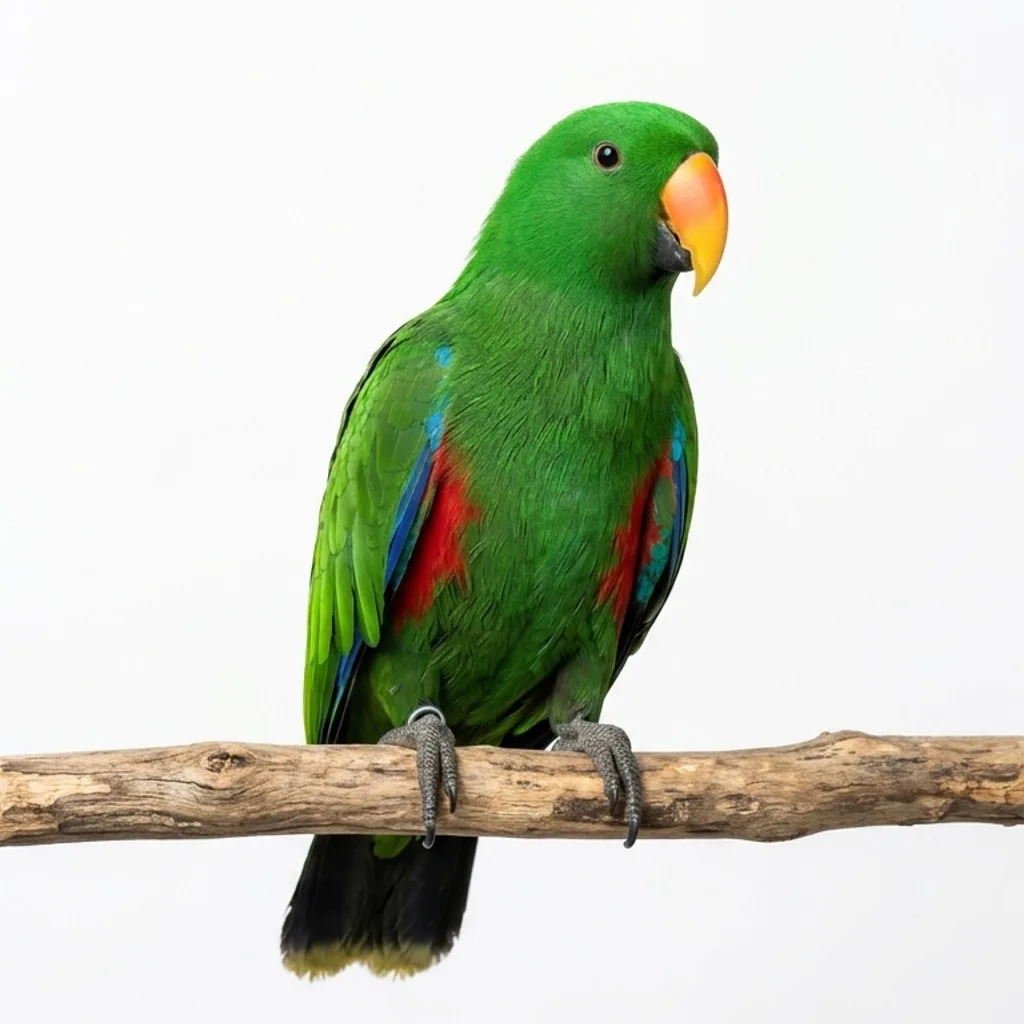
Eclectus Parrot
The Eclectus Parrot is a medium-sized parrot from the Solomon Islands, New Guinea and north-eastern Australia, and one of the few parrots whose sexes look entirely unalike: males are emerald green with an orange beak, females deep red and blue-purple with a black beak and a blue band across the neck. Temperament is calm and observant rather than boisterous, with less destructive chewing than many parrots and a clear, unusually intelligible talking ability. This is a specialist feeder, with fresh fruit and vegetables making up most of the diet and pellets the smaller share; fat-heavy or seed-heavy feeding is linked to liver disease. Eclectus thrive on routine and unsettle easily when it changes, so consistency matters as much as space. They need several hours out of the cage each day, foraging puzzles for mental work, and steady company. A lifespan of 30 to 40 years makes them a decades-long commitment best suited to experienced bird keepers.
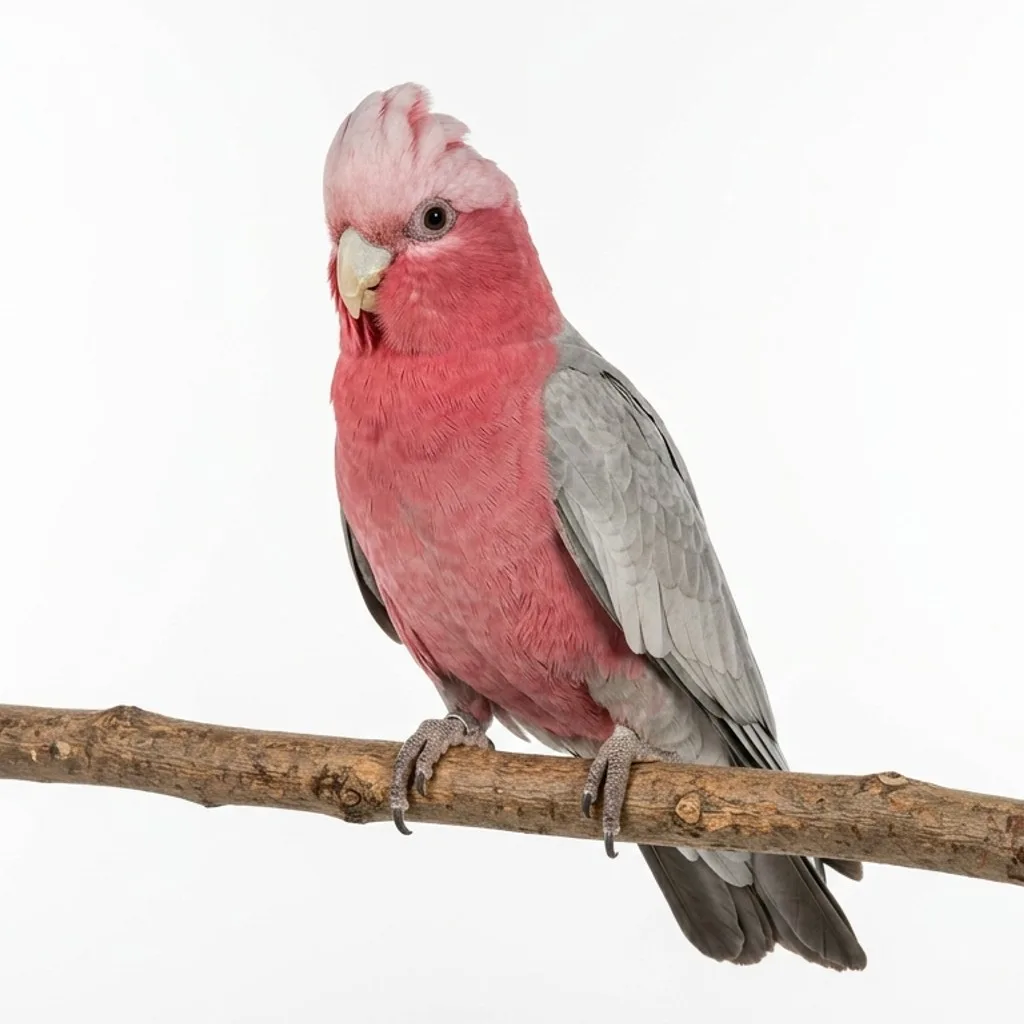
Galah Cockatoo
The Galah Cockatoo, also called the Rose-breasted Cockatoo, is a medium-sized Australian parrot with rose-pink face and underparts, grey wings and back, and a short pink crest it raises and lowers at will. It is playful, inquisitive and often mischievous, given to hanging upside down and other acrobatics, and it mimics sounds and bonds closely with the people who raise it. Galahs are also loud, particularly at dawn and dusk or when after attention, and they need several hours of direct interaction daily plus rotating toys and foraging tasks, or boredom turns into destructiveness and feather plucking. A large aviary or bird-safe room, regular misting and annual avian checks round out their care, and specialist avian vets are thin on the ground outside the main centres. A 40 to 60 year lifespan makes this a bird for a settled home, not a busy or frequently absent one.
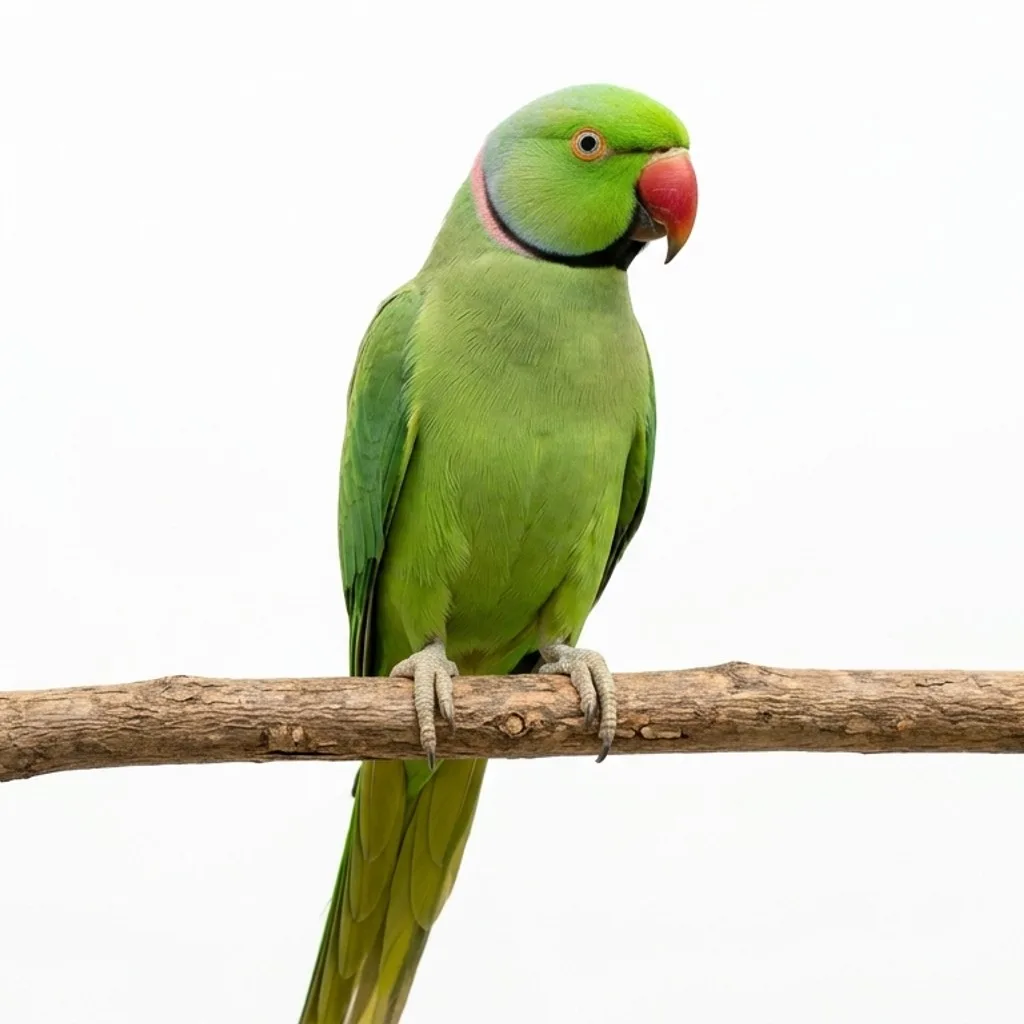
Indian Ringneck Parakeet
Indian Ringneck Parakeet is a long-tailed parrot (about 38–42 cm) native to Africa and South Asia. In NZ it is an Unwanted Organism under the Biosecurity Act 1993: it may be bred, sold and kept only in secure captivity, releasing one is illegal, and breeding, distributing or selling them within the Auckland region has been banned since 1 September 2022. Typical lifespan is 25-30 years.