Pet Breed Guide NZ
Blue-fronted Amazon Parrot
The Blue-fronted Amazon Parrot is a captivating medium-sized bird, renowned for its vibrant plumage, intelligent nature, and remarkable ability to mimic speech. Originating from the forests of South America, these parrots form strong bonds with their owners and can be incredibly affectionate, making them a popular choice for experienced bird enthusiasts. With a lifespan of 40-60 years, owning a Blue-fronted Amazon is a significant, long-term commitment. In New Zealand, their legal status is 'permit-required', meaning prospective Kiwi owners must navigate specific regulations set by MPI and local councils to ensure legal ownership and sourcing.
Photo Gallery
NZ Ownership Snapshot
Verified NZ Status- Noise Level
- loud
- Social Needs
- groups
- Diet Type
- Seeds, pellets, vegetables, fruit, and species-appropriate enrichment foods
- UVB Required
- No
Verified NZ domestic pet-bird context: MPI recognises parrots/parakeets as pet birds in NZ. This supports local captive-keeping context only; live bird imports are not allowed, and owners must still check species-specific and regional pest rules.
Breed Snapshot
- Size
- medium
- Lifespan
- 40-60 years
- Origin
- South America
- Care Focus
- Highly vocal bird that needs daily enrichment, secure housing, and experienced handling.
- NZ Price
- NZD $1,500 - $4,000 (from legal, licensed NZ breeders)
- Annual Vet Cost
- Estimated annual vet/care costs can range from NZD $300 - $800, potentially higher for unexpected emergencies or specialist care. Access to exotic bird veterinarians in New Zealand is limited, particularly outside major cities, which can impact both availability and cost of treatment.
Personality Scores
NZ Lifestyle Fit
Blue-fronted Amazon Parrots can thrive in various New Zealand homes, provided they have ample space and dedicated care. They are best suited for homes with large sections or properties that can accommodate a spacious aviary, as their loud vocalizations can be an issue in close-knit urban environments or apartments. While adaptable, they need protection from the elements; a sheltered outdoor aviary is ideal, especially in colder South Island regions, while good ventilation is crucial in humid areas like Auckland. There are no specific regional restrictions beyond the national permit requirements. Legally sourcing a Blue-fronted Amazon in New Zealand is paramount. You must only obtain these birds from MPI-approved, licensed breeders or existing keepers within NZ. Never attempt to import them or purchase from unverified sources, as this is illegal and carries significant penalties under New Zealand's biosecurity laws. The NZ Bird Society may offer guidance on reputable breeders.
Verified NZ domestic pet-bird context: MPI recognises parrots/parakeets as pet birds in NZ. This supports local captive-keeping context only; live bird imports are not allowed, and owners must still check species-specific and regional pest rules.
About the Blue-fronted Amazon Parrot
The Blue-fronted Amazon Parrot (Amazona aestiva) is a striking and intelligent species native to the forests and woodlands of South America, particularly Brazil, Bolivia, Paraguay, and northern Argentina. Known for their distinctive blue and yellow markings on their head, which vary greatly between individuals, these parrots are a medium-sized species, typically reaching lengths of 35-37 cm and weighing around 400-500 grams. Their impressive lifespan of 40-60 years means they are a lifelong companion, requiring a significant commitment from their owners. They are highly social birds in the wild, often seen in large flocks, and this social need translates into their behaviour as pets, where they thrive on interaction and mental stimulation.
What They Look Like
Blue-fronted Amazons are predominantly green, with a vivid splash of blue on their forehead, extending to just above their eyes, and a patch of yellow on their crown and cheeks. The extent and intensity of the blue and yellow can vary significantly, leading to individual differences that make each bird unique. Some may have more extensive yellow on their face, while others show more orange or red on the bend of their wing. Their strong, curved beak is typically dark grey or black, and their eyes are usually orange with a white periophthalmic ring. Their powerful feet are zygodactyl, with two toes pointing forward and two backward, perfectly adapted for climbing and grasping.
Personality & Behaviour
These parrots are celebrated for their outgoing, playful, and often boisterous personalities. Blue-fronted Amazons are highly intelligent and can be excellent talkers, often mimicking a wide range of words and phrases with impressive clarity. They are social creatures that thrive on interaction and can form deep bonds with their human companions. However, their intelligence also means they require significant mental stimulation to prevent boredom and behavioural issues like feather plucking or aggression. They are known for being quite loud, especially during dawn and dusk, with a variety of squawks, calls, and songs. While generally affectionate, they can go through a 'bluffing' stage during adolescence, which requires patient and consistent handling.
Life in New Zealand
Owning a Blue-fronted Amazon Parrot in New Zealand comes with specific legal responsibilities. As a 'permit-required' species, prospective owners must obtain the necessary permissions from the Ministry for Primary Industries (MPI) and potentially their local council before acquiring one. It is crucial to source these birds only from legal, licensed breeders or keepers within New Zealand to ensure compliance with biosecurity and wildlife regulations. These parrots adapt well to New Zealand's varied climate, but require protection from extreme cold in the South Island and good ventilation in humid Auckland conditions. Providing a spacious aviary or cage with plenty of enrichment is key to their well-being in a Kiwi home.
Is This the Right Pet for You?
Bringing a Blue-fronted Amazon Parrot into your home is a major decision. Their long lifespan means you are committing to a pet for potentially half a century. They demand significant daily attention, social interaction, and mental stimulation. Their loud vocalizations can be a concern for apartment dwellers or those with close neighbours. Prospective owners must be prepared for the financial commitment of a large cage, quality diet, toys, and potential exotic vet care, which can be limited and costly in New Zealand. If you have the time, dedication, and resources to meet their complex needs, a Blue-fronted Amazon can be an incredibly rewarding and loving companion, but they are not suitable for novice bird owners or those seeking a low-maintenance pet.
Fun Facts
Fact 1
Blue-fronted Amazons can live for 40-60 years, making them a true lifelong companion.
Fact 2
Their blue and yellow head markings are unique to each bird, like a human fingerprint.
Fact 3
They are among the best talkers in the parrot world, capable of mimicking human speech with impressive clarity.
Fact 4
In the wild, they often form large flocks, sometimes numbering in the hundreds, especially when foraging.
Fact 5
These intelligent birds are known for their playful antics and can even learn to perform tricks.
Related Breeds
Eclectus Parrot
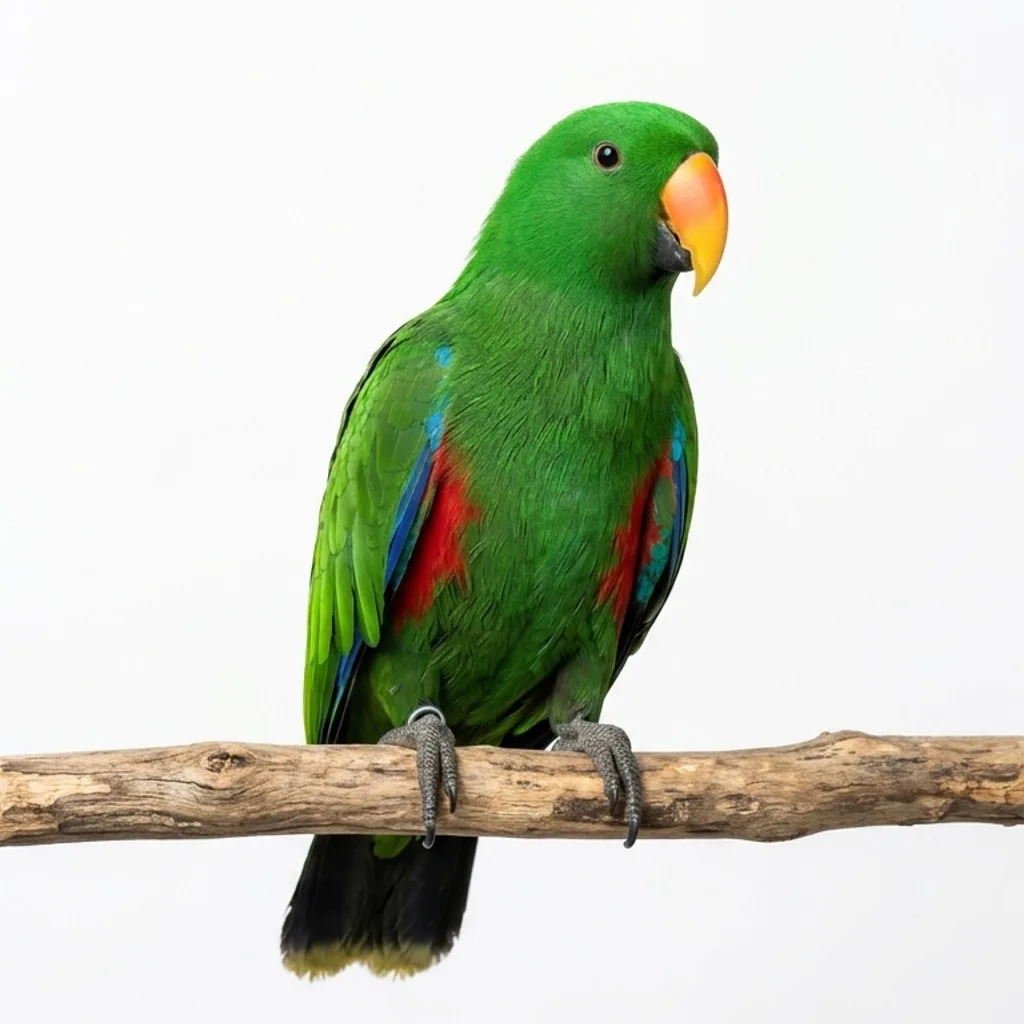
The Eclectus Parrot is a medium-sized parrot from the Solomon Islands, New Guinea and north-eastern Australia, and one of the few parrots whose sexes look entirely unalike: males are emerald green with an orange beak, females deep red and blue-purple with a black beak and a blue band across the neck. Temperament is calm and observant rather than boisterous, with less destructive chewing than many parrots and a clear, unusually intelligible talking ability. This is a specialist feeder, with fresh fruit and vegetables making up most of the diet and pellets the smaller share; fat-heavy or seed-heavy feeding is linked to liver disease. Eclectus thrive on routine and unsettle easily when it changes, so consistency matters as much as space. They need several hours out of the cage each day, foraging puzzles for mental work, and steady company. A lifespan of 30 to 40 years makes them a decades-long commitment best suited to experienced bird keepers.
Galah Cockatoo
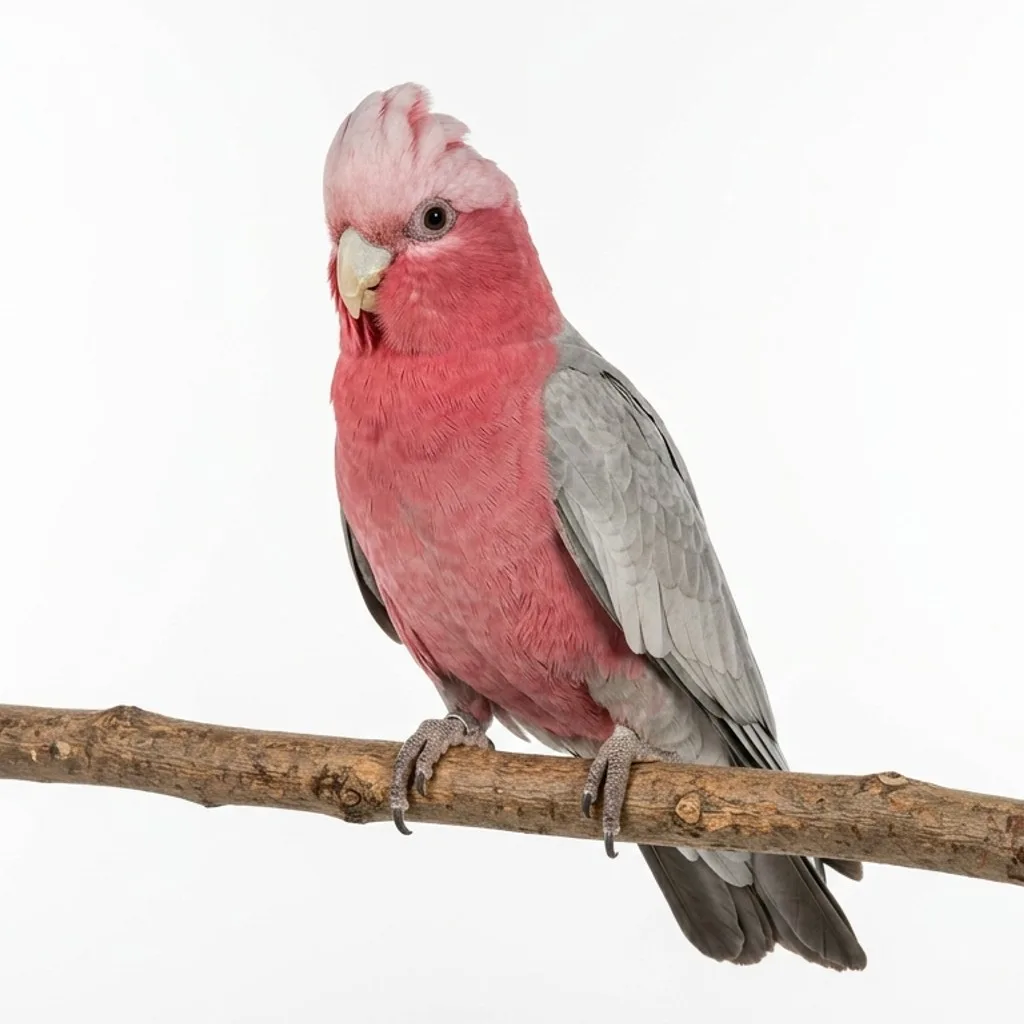
The Galah Cockatoo, also called the Rose-breasted Cockatoo, is a medium-sized Australian parrot with rose-pink face and underparts, grey wings and back, and a short pink crest it raises and lowers at will. It is playful, inquisitive and often mischievous, given to hanging upside down and other acrobatics, and it mimics sounds and bonds closely with the people who raise it. Galahs are also loud, particularly at dawn and dusk or when after attention, and they need several hours of direct interaction daily plus rotating toys and foraging tasks, or boredom turns into destructiveness and feather plucking. A large aviary or bird-safe room, regular misting and annual avian checks round out their care, and specialist avian vets are thin on the ground outside the main centres. A 40 to 60 year lifespan makes this a bird for a settled home, not a busy or frequently absent one.
Little Corella
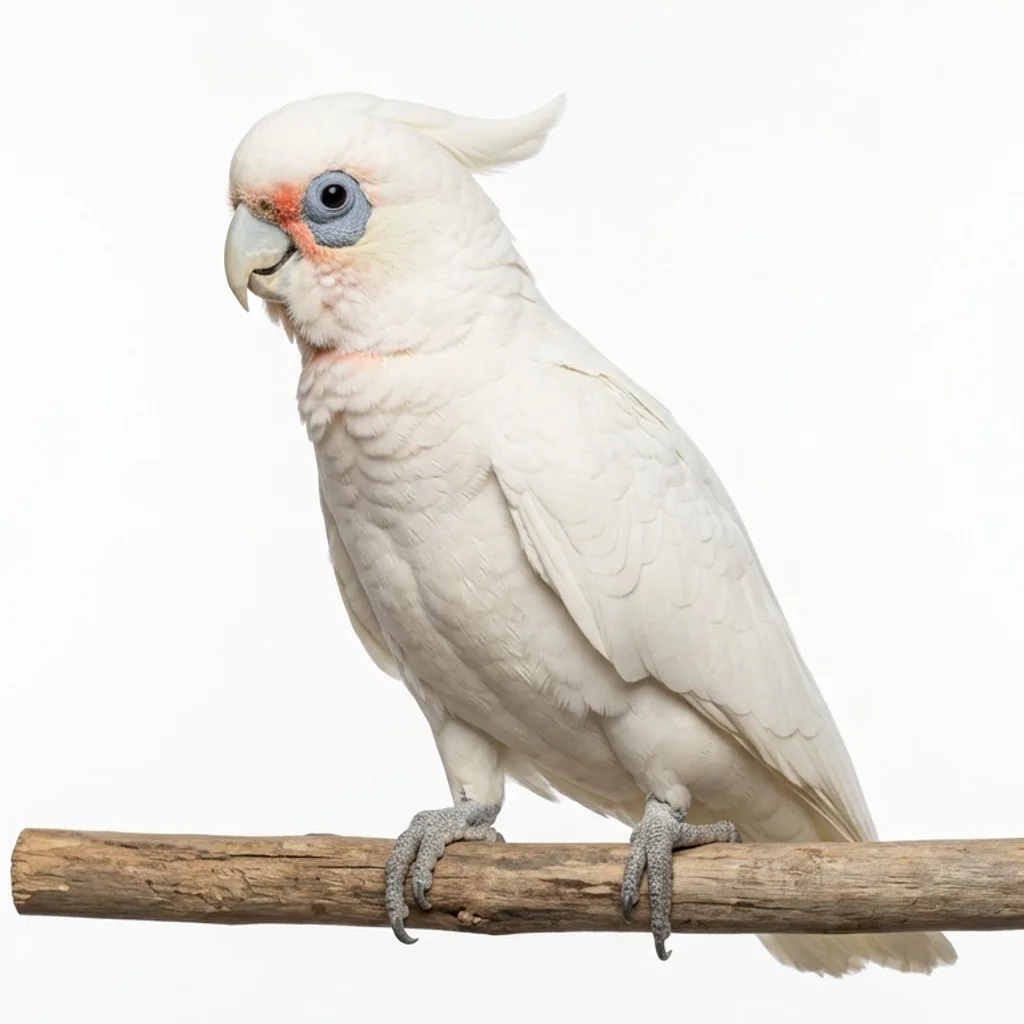
The Little Corella is a medium-sized white parrot from the arid and semi-arid interior of Australia, measuring around 35-40 cm and weighing 400-600 grams. The plumage is largely white with a salmon-pink wash under the wings and tail, set off by a short erectile crest, a pale grey beak and a blue-grey eye-ring. Corellas are boisterous, highly social and quick to learn, mimicking household sounds and short phrases and taking readily to puzzle toys and training. That intelligence comes with demands: their screeches, squawks and whistles carry a long way, boredom can tip into feather plucking or constant screaming, and an under-socialised bird may nip. Two to four hours of daily interaction, a spacious secure enclosure and rotating enrichment are the baseline, alongside supervised time out for flight and climbing. Because a Little Corella can live beyond 50 years, it suits experienced keepers in homes where the noise will not trouble close neighbours and the commitment can be carried for decades.
Pionus Parrot
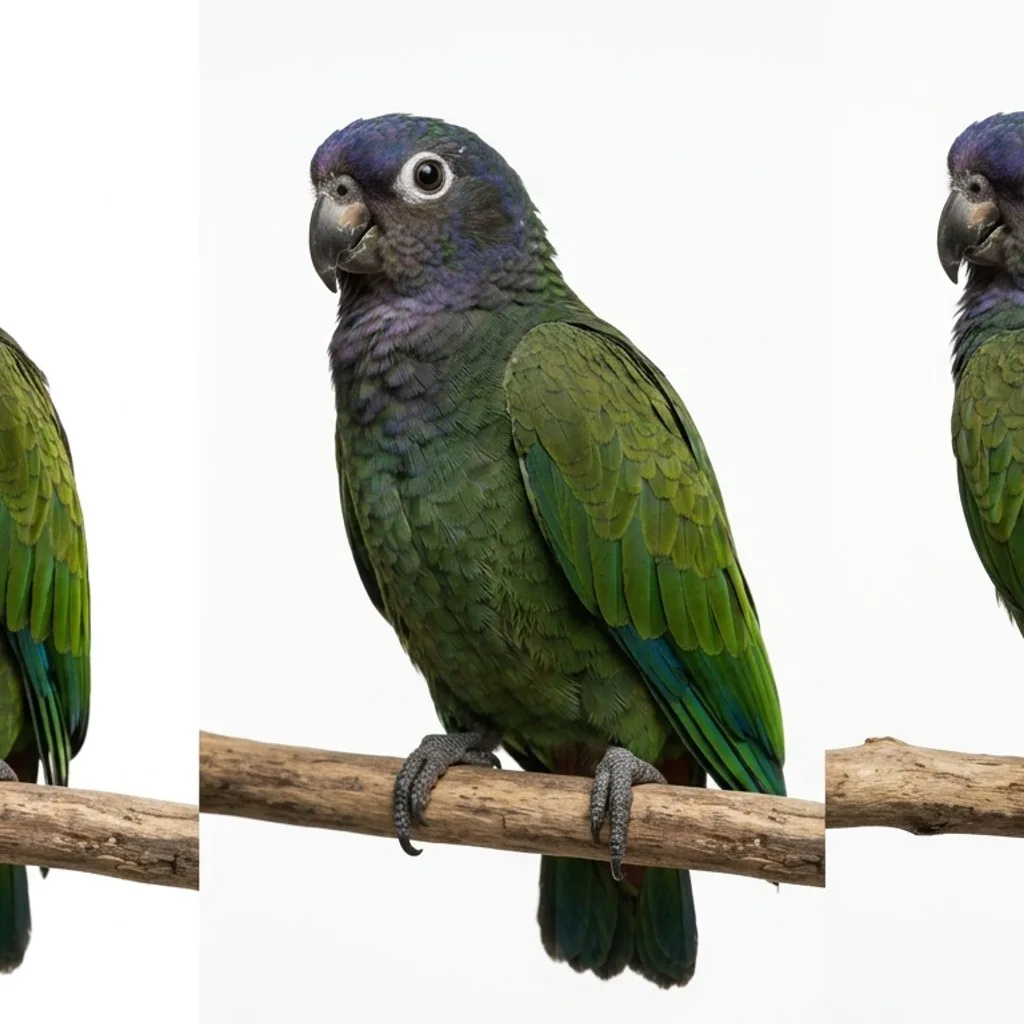
The Pionus Parrot is a stocky medium-sized parrot from Central and South America, roughly 23 to 30 cm long, green overall but washed with blue, purple and bronze, with bright red undertail coverts and a bare ring of skin around the eye. Excitement or stress darkens a blue-grey patch on the chin, an effect keepers describe as blushing. Temperament is the main draw: gentle and placid, far less prone to the screaming and hard nipping of larger parrots, and moderate rather than piercing in voice, while still able to mimic words and phrases. Pionus are companionable without being cuddly, often preferring a shoulder or arm to constant handling. Daily care means pellets with fresh produce, spot cleaning, one to two hours of supervised out-of-cage time, and foraging or chew toys for an intelligent mind. A 25 to 40 year lifespan makes this a decades-long commitment, best suited to a settled household ready for steady daily attention.