Pet Breed Guide NZ
Pionus Parrot
The Pionus Parrot is a captivating medium-sized bird, known for its generally calm demeanour and moderate noise level, making it a popular choice for many Kiwi bird enthusiasts. Originating from Central and South America, these intelligent parrots display a unique charm with their subtle iridescent plumage and a distinctive 'blushing' behaviour when excited. Unlike some louder parrot species, Pionus are often appreciated for their quieter vocalizations, though they are still capable of learning to talk. They form strong bonds with their owners and thrive on interaction and mental stimulation. In New Zealand, the Pionus Parrot is generally legal to keep, but prospective owners must always verify current MPI guidance and local council bylaws to ensure compliance before bringing one home.
Photo Gallery
NZ Ownership Snapshot
Verified NZ Status- Noise Level
- moderate
- Social Needs
- groups
- Diet Type
- Seeds, pellets, vegetables, fruit, and species-appropriate enrichment foods
- UVB Required
- No
Verified NZ domestic pet-bird context: MPI recognises parrots/parakeets as pet birds in NZ. This supports local captive-keeping context only; live bird imports are not allowed, and owners must still check species-specific and regional pest rules.
Breed Snapshot
- Size
- medium
- Lifespan
- 25-40 years
- Origin
- Central/South America
- Care Focus
- Social and vocal bird that needs daily enrichment, safe handling, and secure housing.
- NZ Price
- NZD $800 - $1,500 (for a hand-reared, healthy juvenile from a reputable NZ breeder)
- Annual Vet Cost
- Estimated annual vet/care costs for a Pionus Parrot in New Zealand can range from NZD $200 - $500 for routine check-ups, wing/nail trims, and potential emergency funds. This estimate can fluctuate significantly based on the bird's health and the need for specialist exotic veterinary care. It's crucial to budget for this, especially given the limited availability of exotic bird vets across New Zealand, which may necessitate travel or higher consultation fees.
Personality Scores
NZ Lifestyle Fit
Pionus Parrots are well-suited for a variety of New Zealand homes, from suburban houses with gardens to larger apartments, provided they have ample cage space and daily out-of-cage supervised time. Their moderate noise level makes them less disruptive than some other parrot species. Climate-wise, they are adaptable but require protection from extreme temperatures; a sheltered aviary or indoor setup is essential, particularly for the colder South Island winters, and good ventilation is important in humid areas like Auckland. There are generally no specific regional restrictions on keeping Pionus Parrots in NZ, but local council bylaws regarding noise or aviary structures should always be checked. Legally sourcing a Pionus in New Zealand involves contacting reputable breeders or pet shops. The NZ Bird Society or local bird clubs can also be excellent resources for finding ethical suppliers and connecting with experienced owners.
Verified NZ domestic pet-bird context: MPI recognises parrots/parakeets as pet birds in NZ. This supports local captive-keeping context only; live bird imports are not allowed, and owners must still check species-specific and regional pest rules.
About the Pionus Parrot
The Pionus Parrot, a medium-sized avian companion, hails from the lush forests of Central and South America. With a typical lifespan ranging from 25 to 40 years, these birds represent a significant, long-term commitment for any pet owner. They are renowned for their generally placid and gentle nature, often described as less demanding and quieter than many other parrot species, making them an appealing choice for those new to parrot ownership or living in more urban environments. While not as boisterous as some of their larger cousins, Pionus Parrots are intelligent, curious, and form strong bonds with their human families, thriving on regular interaction and mental enrichment.
What They Look Like
Pionus Parrots are visually striking, though their beauty is often described as understated compared to the vibrant hues of some other parrots. They typically measure between 23-30 cm in length and possess a stocky build. Their plumage is predominantly green, but often features splashes of blue, purple, and bronze, particularly on the head, neck, and wings, giving them an iridescent quality in good light. A distinguishing characteristic is the bright red undertail coverts, visible when they lift their tail. They have a dark, horn-coloured beak and a ring of bare skin around their eyes. When excited or stressed, Pionus Parrots have a unique physiological response where a blue-grey patch on their chin can darken, giving the appearance of 'blushing'.
Personality & Behaviour
Pionus Parrots are known for their sweet and gentle personalities. They are generally less prone to the aggressive nipping or screaming often associated with larger parrots, though individual personalities can vary. They are highly intelligent and require consistent mental stimulation through toys, foraging opportunities, and training to prevent boredom and behavioural issues. While they can be social and enjoy human company, they are not typically as 'cuddly' as some other parrot species, preferring to perch on a shoulder or arm rather than being constantly handled. Pionus are moderate in their noise level, capable of mimicking words and phrases, but their natural calls are generally less piercing than those of Amazons or Cockatoos. They thrive in environments where they receive regular attention and feel part of the family 'flock'.
Life in New Zealand
For Kiwis considering a Pionus Parrot, it's good news that these birds are generally legal to keep in New Zealand. However, prospective owners must diligently check with the Ministry for Primary Industries (MPI) and their local council for any specific regulations or bylaws that might apply to bird ownership, particularly concerning aviary construction, noise, or biosecurity measures. Their adaptable nature makes them suitable for various New Zealand climates, though protection from extreme cold (especially in the South Island) and excessive humidity (like Auckland's summer) is crucial. Sourcing a Pionus Parrot in NZ should always be done through reputable breeders or pet stores who can provide health guarantees and proof of legal acquisition.
Is This the Right Pet for You?
Bringing a Pionus Parrot into your home is a significant commitment. Their long lifespan means you'll be sharing your life with them for decades. They require daily interaction, a spacious cage, a varied diet, and plenty of enrichment to keep their intelligent minds active. While generally quieter, they still make noise and require patience and understanding. If you're looking for a gentle, intelligent, and moderately vocal companion bird that forms deep bonds and you're prepared for the long-term care and financial commitment, a Pionus Parrot could be a wonderful addition to your Kiwi household. Always ensure you have access to a qualified avian vet, as specialised care can be limited in some parts of New Zealand.
Fun Facts
Fact 1
Pionus Parrots are known for their unique 'blushing' behaviour, where a blue-grey patch on their chin darkens when they are excited or stressed.
Fact 2
They are considered one of the quieter parrot species, making them suitable for apartment living compared to more boisterous birds.
Fact 3
Unlike many parrots, Pionus Parrots often prefer to walk or climb rather than fly extensively within their cage.
Fact 4
They have a distinctive musky scent, often described as smelling like 'grape Kool-Aid' or 'cherries'.
Fact 5
Pionus Parrots are highly intelligent and can learn to mimic human speech, though their vocabulary may not be as extensive as some other parrot species.
Related Breeds
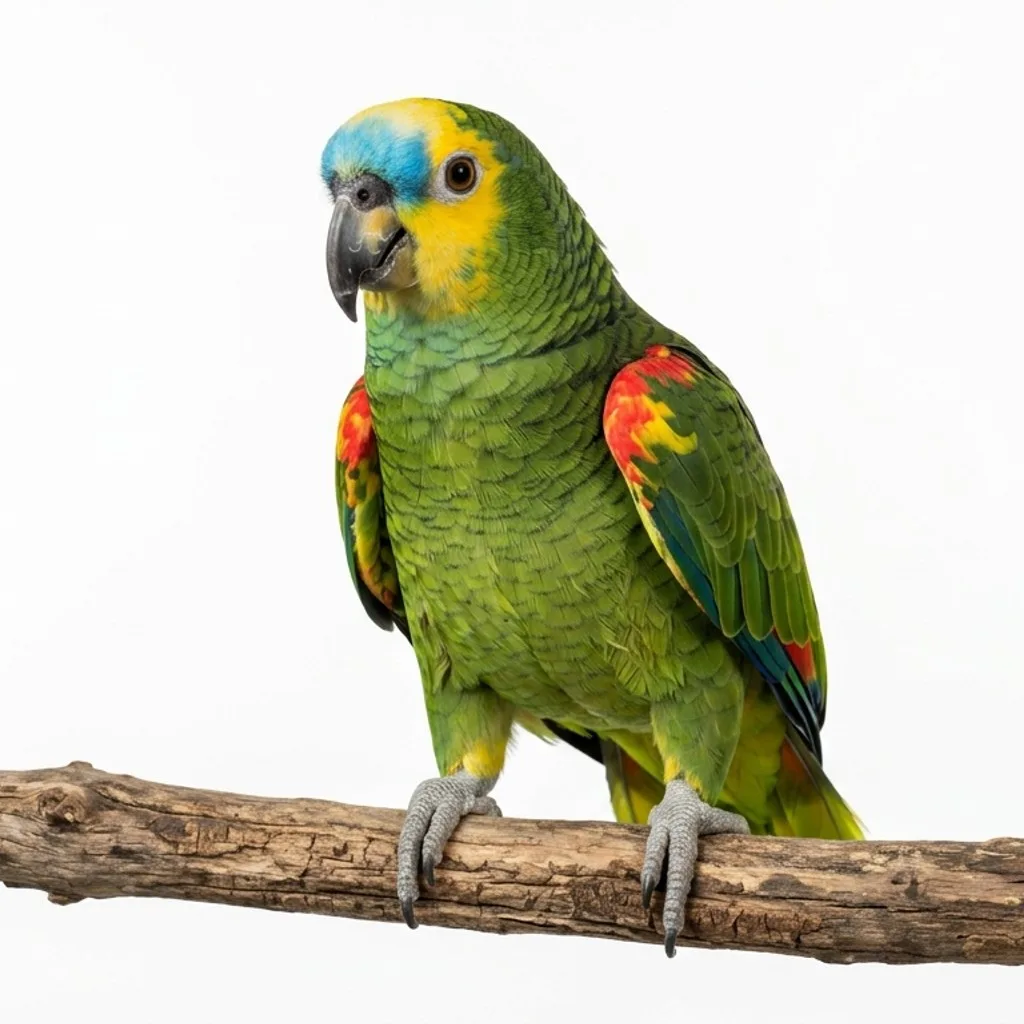
Blue-fronted Amazon Parrot
The Blue-fronted Amazon is a medium-sized green parrot from South America, marked by blue across the forehead and yellow on the crown and cheeks, and it suits experienced keepers rather than first-time bird owners. Outgoing, playful and often boisterous, it is an accomplished talker that can repeat words and phrases with real clarity. It is also genuinely loud, calling most at dawn and dusk, and adolescents commonly move through a bluffing stage that calls for patient, consistent handling. A lifespan of 40 to 60 years makes this a decades-long commitment. Daily care means fresh food and water, spot cleaning, and two to four hours of supervised time out of the cage, with rotating destructible toys and training sessions to head off the boredom that shows up as feather plucking or aggression. Best suited to a settled, experienced household with daily time and tolerance for noise.
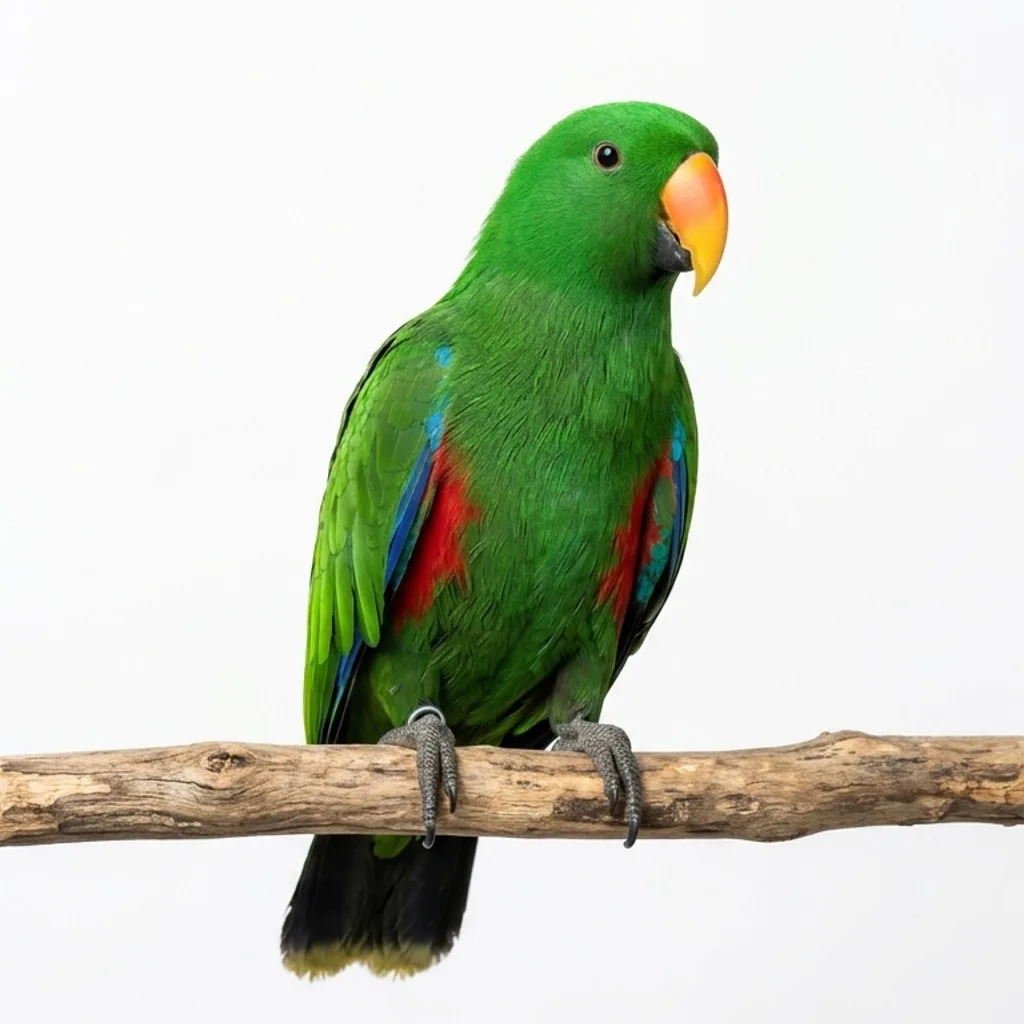
Eclectus Parrot
The Eclectus Parrot is a medium-sized parrot from the Solomon Islands, New Guinea and north-eastern Australia, and one of the few parrots whose sexes look entirely unalike: males are emerald green with an orange beak, females deep red and blue-purple with a black beak and a blue band across the neck. Temperament is calm and observant rather than boisterous, with less destructive chewing than many parrots and a clear, unusually intelligible talking ability. This is a specialist feeder, with fresh fruit and vegetables making up most of the diet and pellets the smaller share; fat-heavy or seed-heavy feeding is linked to liver disease. Eclectus thrive on routine and unsettle easily when it changes, so consistency matters as much as space. They need several hours out of the cage each day, foraging puzzles for mental work, and steady company. A lifespan of 30 to 40 years makes them a decades-long commitment best suited to experienced bird keepers.
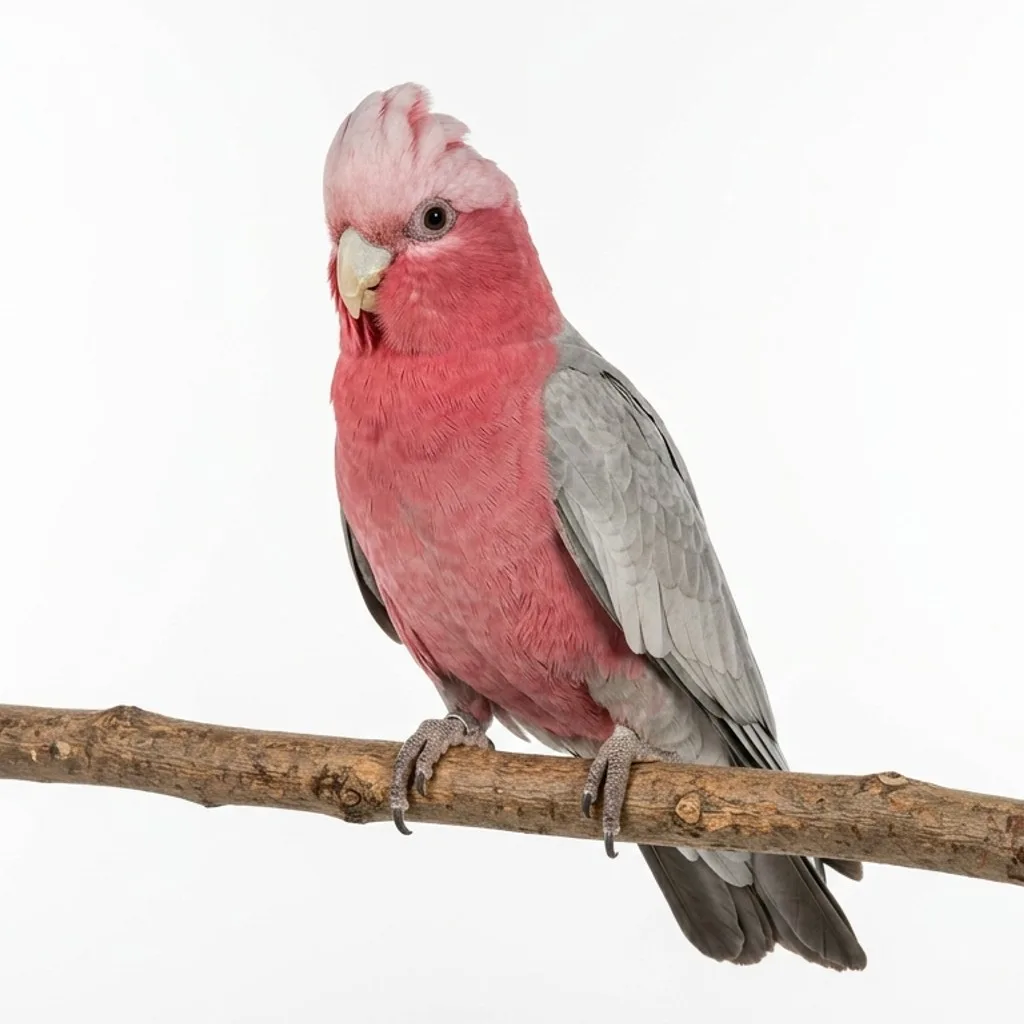
Galah Cockatoo
The Galah Cockatoo, also called the Rose-breasted Cockatoo, is a medium-sized Australian parrot with rose-pink face and underparts, grey wings and back, and a short pink crest it raises and lowers at will. It is playful, inquisitive and often mischievous, given to hanging upside down and other acrobatics, and it mimics sounds and bonds closely with the people who raise it. Galahs are also loud, particularly at dawn and dusk or when after attention, and they need several hours of direct interaction daily plus rotating toys and foraging tasks, or boredom turns into destructiveness and feather plucking. A large aviary or bird-safe room, regular misting and annual avian checks round out their care, and specialist avian vets are thin on the ground outside the main centres. A 40 to 60 year lifespan makes this a bird for a settled home, not a busy or frequently absent one.
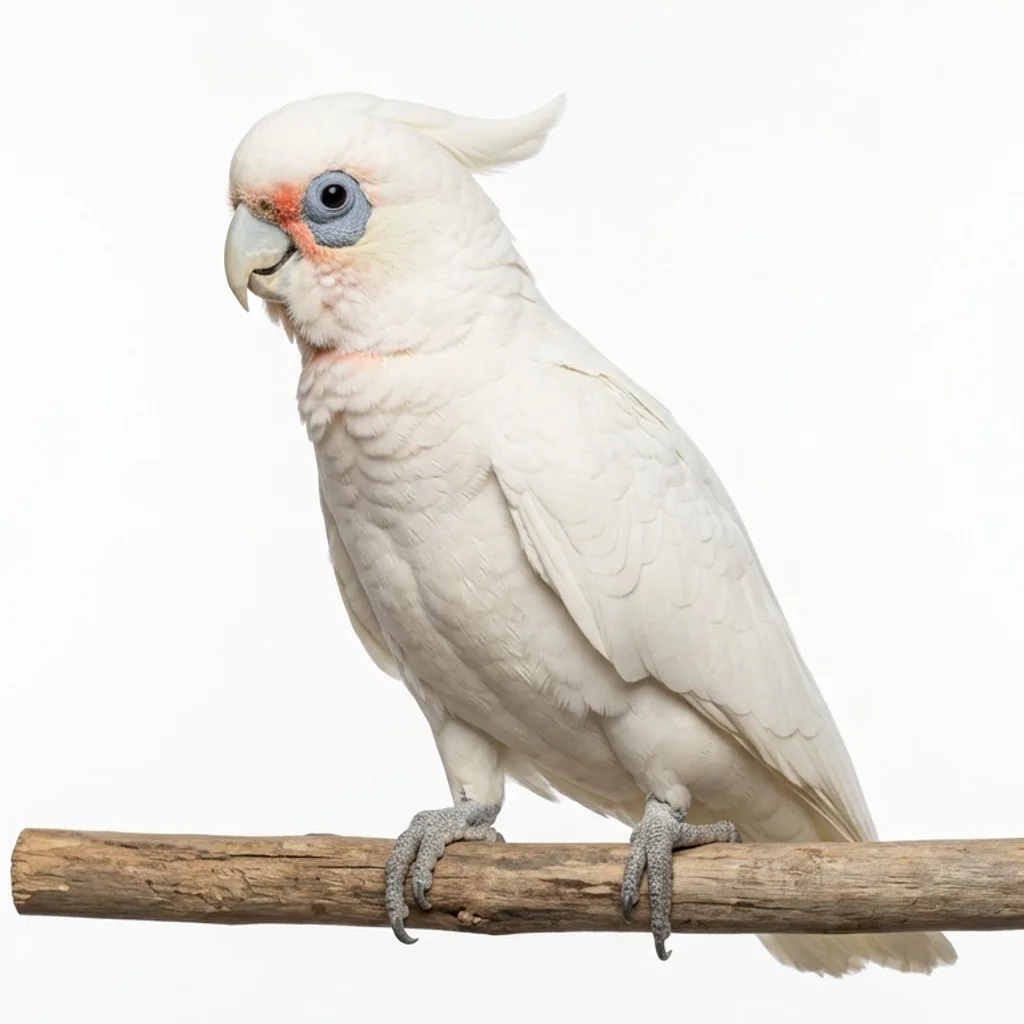
Little Corella
The Little Corella is a medium-sized white parrot from the arid and semi-arid interior of Australia, measuring around 35-40 cm and weighing 400-600 grams. The plumage is largely white with a salmon-pink wash under the wings and tail, set off by a short erectile crest, a pale grey beak and a blue-grey eye-ring. Corellas are boisterous, highly social and quick to learn, mimicking household sounds and short phrases and taking readily to puzzle toys and training. That intelligence comes with demands: their screeches, squawks and whistles carry a long way, boredom can tip into feather plucking or constant screaming, and an under-socialised bird may nip. Two to four hours of daily interaction, a spacious secure enclosure and rotating enrichment are the baseline, alongside supervised time out for flight and climbing. Because a Little Corella can live beyond 50 years, it suits experienced keepers in homes where the noise will not trouble close neighbours and the commitment can be carried for decades.