Pet Breed Guide NZ
African Grey Parrot
The African Grey Parrot is renowned for its exceptional intelligence and remarkable ability to mimic human speech, often understanding context. Originating from the forests of West and Central Africa, these medium-sized birds are highly social and form strong bonds with their human companions. Their cognitive abilities are often compared to that of a young child, making them incredibly engaging but also demanding pets. In New Zealand, owning an African Grey Parrot requires a permit, reflecting the need for responsible ownership and adherence to specific MPI and local council regulations to ensure their welfare and prevent illegal trade.
Photo Gallery
NZ Ownership Snapshot
Verified NZ Status- Noise Level
- loud
- Social Needs
- groups
- Diet Type
- Seeds, pellets, vegetables, fruit, and species-appropriate enrichment foods
- UVB Required
- No
Verified NZ domestic pet-bird context: MPI recognises parrots/parakeets as pet birds in NZ. This supports local captive-keeping context only; live bird imports are not allowed, and owners must still check species-specific and regional pest rules.
Breed Snapshot
- Size
- medium
- Lifespan
- 40-60 years
- Origin
- West/Central Africa
- Care Focus
- Highly vocal bird that needs daily enrichment, secure housing, and experienced handling.
- NZ Price
- NZD 2,500 - 6,000 (for a legally sourced, permit-approved bird from a licensed NZ breeder)
- Annual Vet Cost
- NZD 300 - 800+ annually (includes routine check-ups, potential blood tests, and emergency care. Note: Exotic vet access in NZ is limited, particularly outside major cities like Auckland, Wellington, and Christchurch, which can increase costs for specialised care or travel.)
Personality Scores
NZ Lifestyle Fit
African Grey Parrots can adapt to various NZ home types, from spacious houses with dedicated bird rooms to larger apartments, provided they receive ample out-of-cage time and mental stimulation. However, their 'loud' noise level means they are not ideal for all apartment living situations, particularly those with close neighbours. Climate-wise, they need a stable indoor environment, protected from New Zealand's variable weather. While Auckland's humidity might be somewhat tolerable, they must be shielded from drafts and cold, especially in colder regions like the South Island. There are no specific regional restrictions beyond the national permit requirements. Sourcing an African Grey in New Zealand requires strict adherence to legal channels. Prospective owners must obtain their bird from MPI-approved, licensed NZ breeders or existing licensed keepers. This ensures the birds are legally imported or bred within the country, protecting both the species and the buyer from illegal trade. Always verify breeder licenses and permits before committing.
Verified NZ domestic pet-bird context: MPI recognises parrots/parakeets as pet birds in NZ. This supports local captive-keeping context only; live bird imports are not allowed, and owners must still check species-specific and regional pest rules.
About This bird
The African Grey Parrot (Psittacus erithacus) is one of the most iconic and intelligent bird species kept as pets worldwide. Hailing from the dense rainforests and savannas of West and Central Africa, these birds are celebrated for their extraordinary cognitive abilities, problem-solving skills, and unparalleled capacity for vocal mimicry. With a typical lifespan of 40-60 years, an African Grey is a long-term commitment, often outliving its owner. Their intelligence means they require significant mental stimulation and social interaction to thrive, making them unsuitable for owners who cannot dedicate substantial time to their care and enrichment.
What They Look Like
African Greys are medium-sized parrots, typically weighing between 400-500 grams and measuring around 33 cm from head to tail. Their plumage is predominantly ash-grey, giving them their distinctive name, with a striking bright red tail. Their eyes are dark grey in juveniles, gradually lightening to a pale yellow as they mature. They possess a powerful, dark beak designed for cracking nuts and seeds. Their appearance is relatively uniform, though two subspecies are sometimes recognised: the Congo African Grey (larger, lighter grey) and the Timneh African Grey (smaller, darker grey with a maroon tail), though the latter is less common in the pet trade.
Personality & Behaviour
African Greys are highly social and complex creatures. In the wild, they live in large flocks, forming strong social bonds. As pets, they bond deeply with their human families and require constant interaction to prevent loneliness and behavioural issues like feather plucking or aggression. Their intelligence means they are quick learners, capable of not only mimicking words but also understanding and using them in context. They are naturally curious and enjoy exploring their environment, solving puzzles, and engaging in play. While they can be affectionate, they are also known for being sensitive and can become withdrawn or stressed if their needs for social interaction and mental stimulation are not met. They are also known for being quite loud, especially when seeking attention or feeling distressed.
Life in New Zealand
Owning an African Grey Parrot in New Zealand is a significant undertaking, primarily due to their permit-required legal status. Prospective Kiwi owners must navigate the regulations set by the Ministry for Primary Industries (MPI) and potentially local councils. This ensures that these birds are sourced legally from licensed NZ breeders or keepers and that their welfare standards are met. New Zealand's diverse climate, from Auckland's humidity to the South Island's colder temperatures, means owners must provide a stable, warm indoor environment, protected from drafts and extreme weather. Access to specialised avian vets can be limited outside major urban centres, which is an important consideration for their long-term health care.
Is This the Right Pet for You?
An African Grey Parrot is not a pet for the faint-hearted or those with limited time. Their long lifespan, high intelligence, and complex social needs demand a dedicated owner willing to invest significant time, effort, and resources. They require daily interaction, a spacious enclosure, a stimulating environment with plenty of toys and enrichment, and a balanced diet. If you are prepared for a lifelong commitment to a highly intelligent and vocal companion, and you are willing to navigate the legal requirements in New Zealand, an African Grey can be an incredibly rewarding addition to your whānau. However, if you seek a low-maintenance pet, this is definitely not the right choice.
Fun Facts
Fact 1
African Greys are considered one of the most intelligent bird species, often compared to a 3-5 year old human child in cognitive ability.
Fact 2
They can learn hundreds of words and phrases, often using them in context, not just mimicking.
Fact 3
Their lifespan can exceed 60 years in captivity, making them a lifelong commitment.
Fact 4
African Greys are known for their 'powder down' feathers, which produce a fine dust that helps waterproof their other feathers.
Fact 5
They originate from the rainforests and savannas of West and Central Africa.
Related Breeds
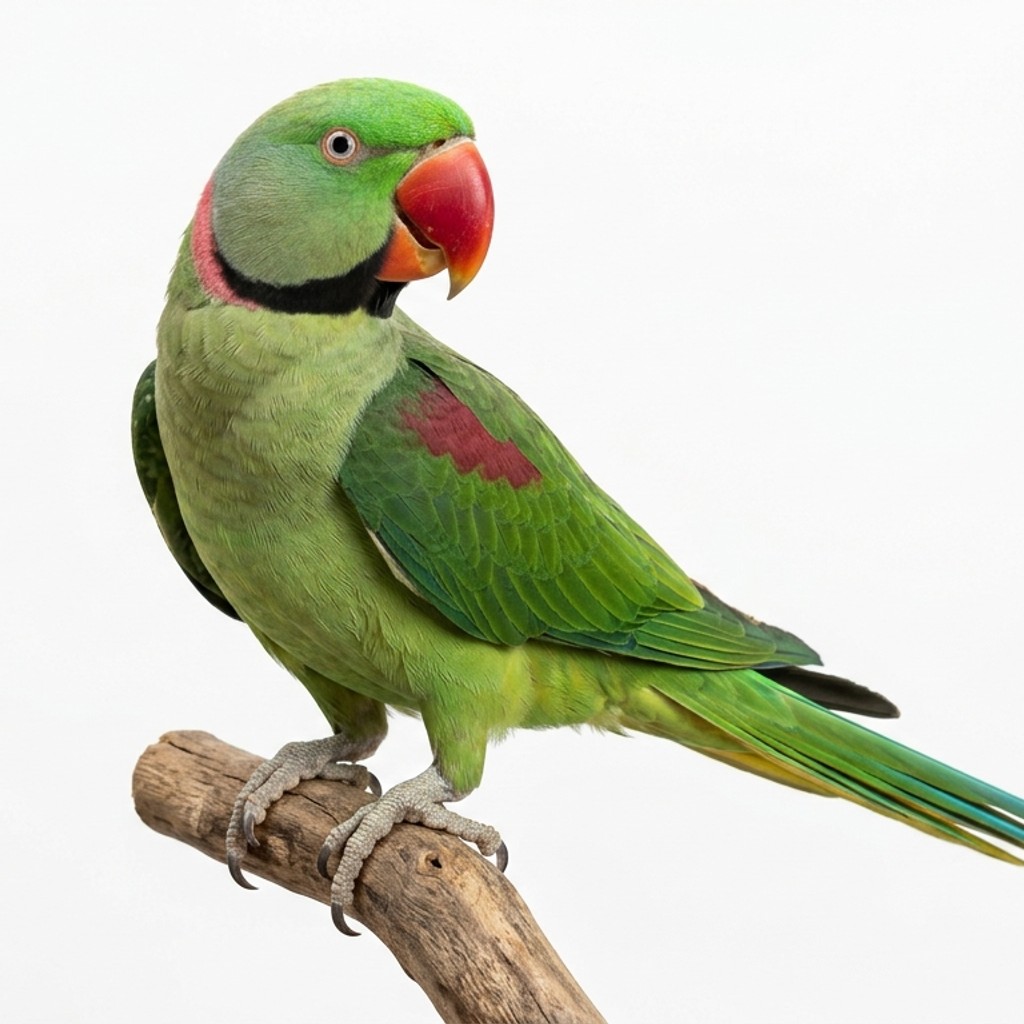
Alexandrine Parakeet
Alexandrine Parakeet is a medium bird originating from South Asia. PetMall has an official-source NZ status note for this listing; follow the listed MPI, DOC, EPA, and local council conditions before sourcing one. Typical lifespan is 25-30 years.
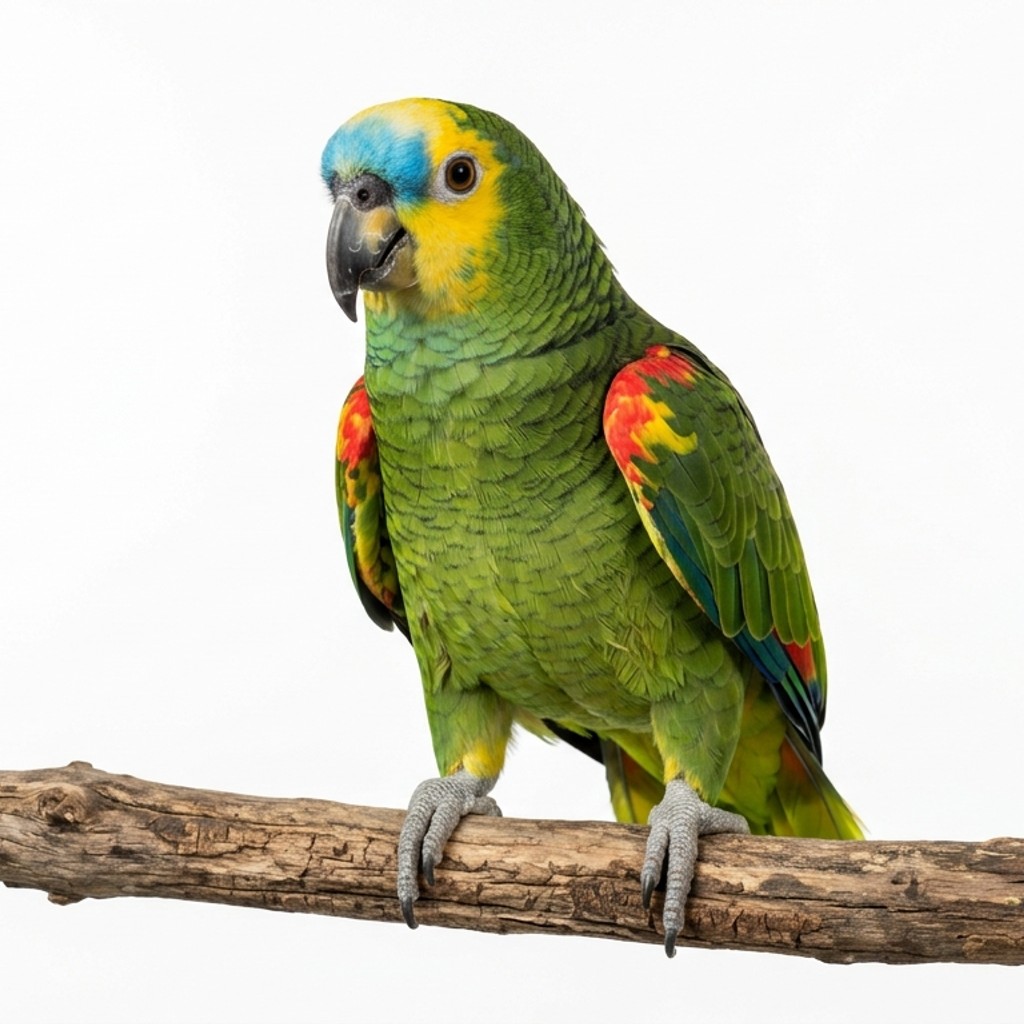
Blue-fronted Amazon Parrot
Blue-fronted Amazon Parrot is a medium bird originating from South America. PetMall has an official-source NZ status note for this listing; follow the listed MPI, DOC, EPA, and local council conditions before sourcing one. Typical lifespan is 40-60 years.
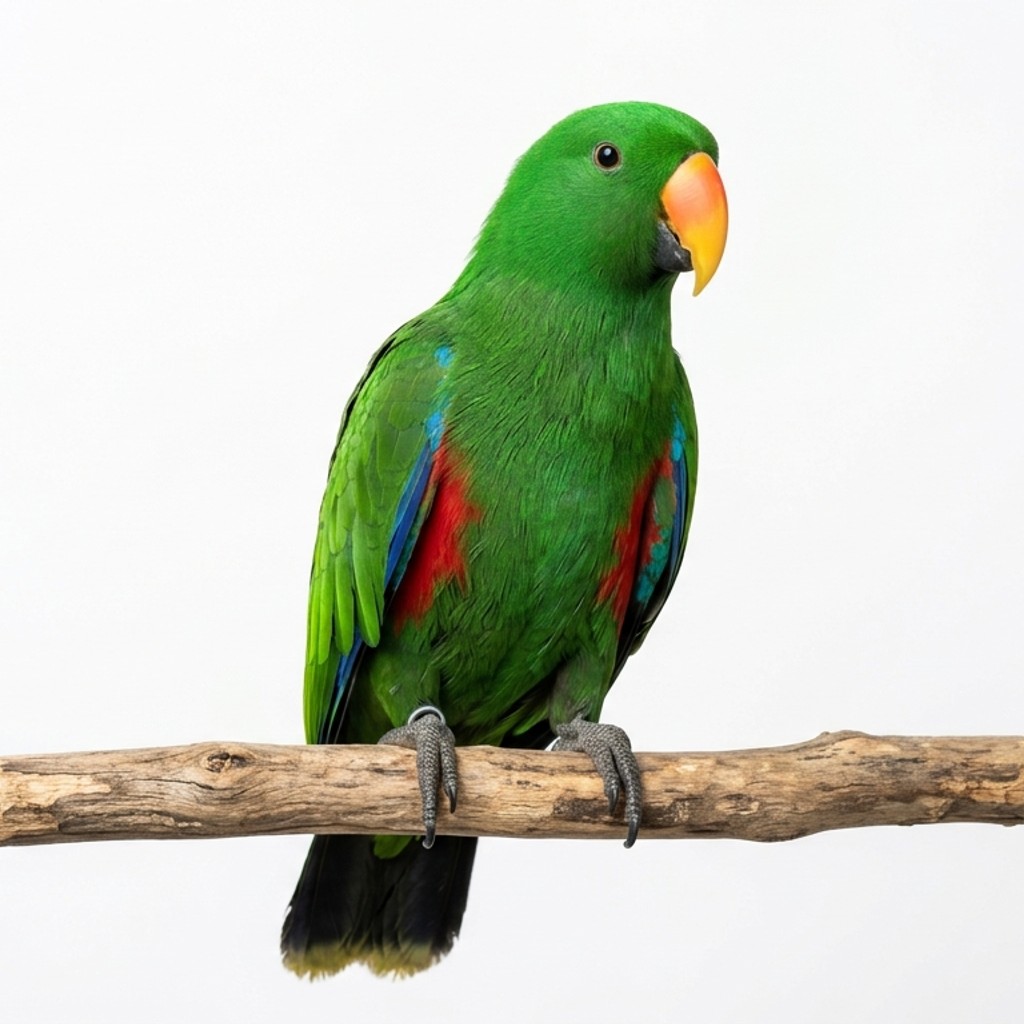
Eclectus Parrot
Eclectus Parrot is a medium bird originating from Solomon Islands. PetMall has an official-source NZ status note for this listing; follow the listed MPI, DOC, EPA, and local council conditions before sourcing one. Typical lifespan is 30-40 years.
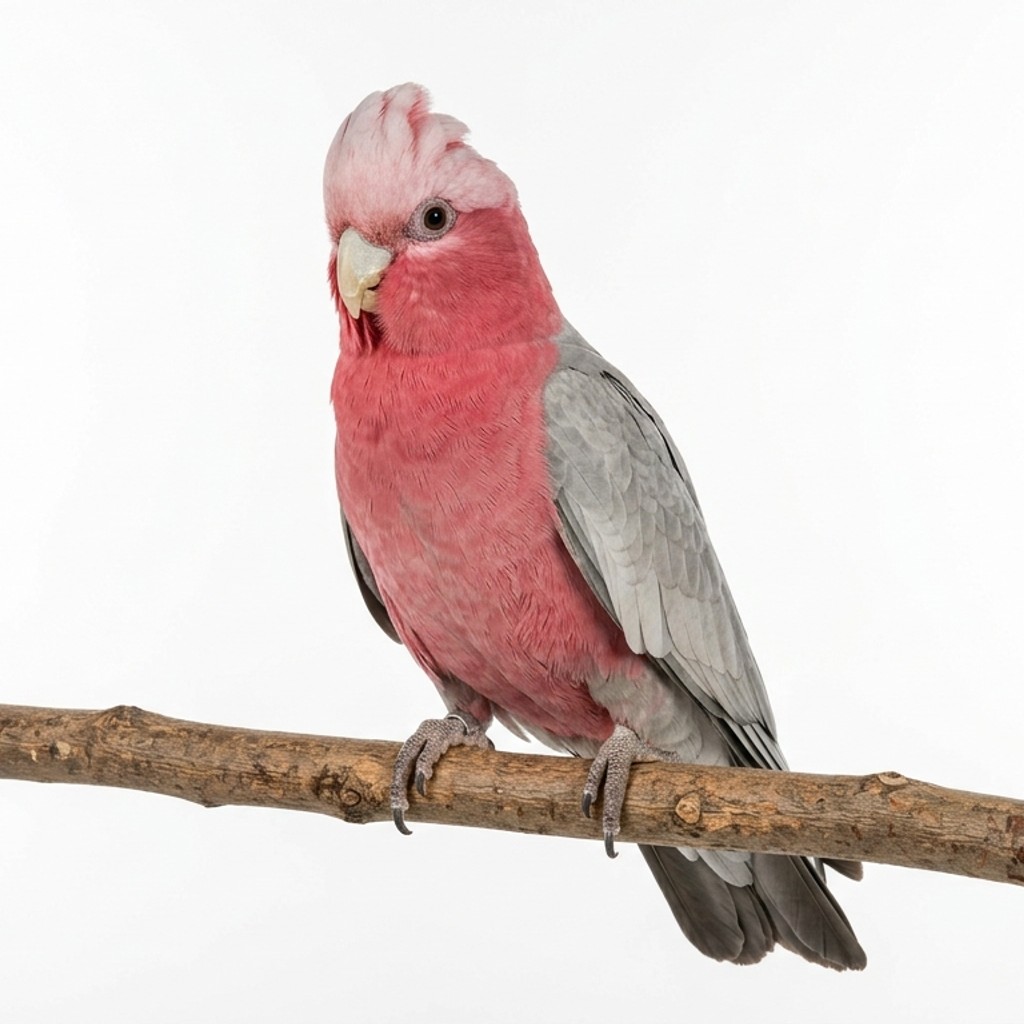
Galah Cockatoo
Galah Cockatoo is a medium bird originating from Australia. PetMall has an official-source NZ status note for this listing; follow the listed MPI, DOC, EPA, and local council conditions before sourcing one. Typical lifespan is 40-60 years.