Pet Breed Guide NZ
Eclectus Parrot
Eclectus Parrots are renowned for their striking sexual dimorphism, with males sporting vibrant green plumage and females dazzling in deep reds and blues – a rare trait among parrots. Beyond their beauty, they are intelligent, gentle, and have a unique "talking" ability, often mimicking human speech with clarity. Unlike many parrots, they have a more reserved and observant nature, making them captivating companions. In New Zealand, these intelligent birds are a legal pet option, offering Kiwi bird enthusiasts a truly distinctive avian experience, provided they confirm local regulations with MPI and their council.
Photo Gallery
NZ Ownership Snapshot
Verified NZ Status- Noise Level
- moderate
- Social Needs
- groups
- Diet Type
- Seeds, pellets, vegetables, fruit, and species-appropriate enrichment foods
- UVB Required
- No
Verified NZ domestic pet-bird context: MPI recognises parrots/parakeets as pet birds in NZ. This supports local captive-keeping context only; live bird imports are not allowed, and owners must still check species-specific and regional pest rules.
Breed Snapshot
- Size
- medium
- Lifespan
- 30-40 years
- Origin
- Solomon Islands
- Care Focus
- Social and vocal bird that needs daily enrichment, safe handling, and secure housing.
- NZ Price
- NZD $1,000 - $3,000 (for a hand-reared, healthy bird from a reputable NZ breeder)
- Annual Vet Cost
- Estimated annual vet/care costs could range from NZD $300 - $800, depending on the bird's health and the availability of exotic vets. Initial check-ups and potential emergency care can be higher. Access to avian-specialist vets in New Zealand is limited, particularly outside major cities, which can impact both availability and cost.
Personality Scores
NZ Lifestyle Fit
Eclectus Parrots, with their moderate noise level and generally calmer demeanour, can be suitable for various New Zealand home types, from larger apartments to homes with a backyard section. However, their need for a spacious aviary or large cage means they are not ideal for small, cramped living spaces. Climate considerations are important; while they can adapt, protection from extreme cold, especially in the South Island, is crucial. In humid regions like Auckland, good ventilation is necessary to prevent respiratory issues. There are no specific regional restrictions on Eclectus Parrots within NZ beyond general council bylaws, but always check locally. Legally sourcing an Eclectus in New Zealand typically involves purchasing from reputable, registered breeders. The NZ Bird Society or local avian clubs can often provide guidance on ethical breeders. Avoid any unregistered or suspicious sources to ensure the bird's welfare and legality.
Verified NZ domestic pet-bird context: MPI recognises parrots/parakeets as pet birds in NZ. This supports local captive-keeping context only; live bird imports are not allowed, and owners must still check species-specific and regional pest rules.
About the Eclectus Parrot
The Eclectus Parrot (Eclectus roratus) is a captivating medium-sized parrot native to the Solomon Islands, New Guinea, and northeastern Australia. Known for their calm demeanour and remarkable intelligence, these birds are a popular choice for experienced bird owners worldwide. With a typical lifespan of 30-40 years, an Eclectus Parrot is a long-term commitment, offering decades of companionship. Their unique dietary needs, which lean heavily towards fresh fruits and vegetables, set them apart from many other parrot species. They thrive on mental stimulation and social interaction, making them rewarding pets for those who can dedicate the time and effort to their care.
What They Look Like
Eclectus Parrots are perhaps most famous for their dramatic sexual dimorphism, a trait uncommon in the parrot world. Males are predominantly a brilliant emerald green, with bright orange beaks and splashes of red and blue under their wings. Females, on the other hand, are a stunning display of deep red and blue-purple plumage, with black beaks and a vibrant blue band around their neck. This striking difference in appearance makes it easy to distinguish between the sexes. They are robust birds, typically measuring around 35-40 cm from head to tail and weighing between 375-550 grams. Their soft, downy feathers give them a plush appearance, and their strong, hooked beak is perfectly adapted for cracking nuts and seeds.
Personality & Behaviour
Eclectus Parrots are known for their gentle, calm, and intelligent nature. Unlike some more boisterous parrot species, they tend to be more observant and less prone to destructive chewing, though enrichment is still vital. They are highly social birds and thrive on interaction with their human flock, often forming strong bonds with their owners. While they can be excellent talkers, mimicking words and phrases with impressive clarity, their noise level is generally considered moderate compared to some larger parrots. They enjoy routine and can become stressed by sudden changes. They are intelligent birds that require consistent mental stimulation through toys, puzzles, and training to prevent boredom and behavioural issues. They are best kept in groups or pairs, or with significant human interaction if kept singly.
Life in New Zealand
Eclectus Parrots are generally legal to keep as pets in New Zealand. However, prospective Kiwi owners must always verify the most current regulations with the Ministry for Primary Industries (MPI) and their local council before acquiring one. While not native, established breeding populations exist within New Zealand, meaning birds can be sourced from reputable local breeders. Owners should be prepared for the specific care requirements of these birds, including their unique diet and need for spacious housing. Ensuring you have access to an avian vet, which can be limited in some parts of New Zealand, is also a crucial consideration for their long-term welfare.
Is This the Right Pet for You?
Bringing an Eclectus Parrot into your home is a significant commitment. Their long lifespan means you're looking at a companion for several decades. They require a dedicated owner who can provide a spacious enclosure, a specialised diet rich in fresh produce, and ample daily social interaction and mental stimulation. Their moderate noise level and gentle temperament can make them suitable for some families, but their intelligence demands consistent engagement. If you are prepared for the time, financial, and emotional investment, an Eclectus Parrot can be an incredibly rewarding and affectionate addition to a Kiwi household, offering a unique and vibrant presence.
Fun Facts
Fact 1
Eclectus Parrots display extreme sexual dimorphism, meaning males and females have dramatically different plumage colours.
Fact 2
They have a unique digestive system adapted for a diet rich in fruits and vegetables, making them less tolerant of high-fat seed mixes.
Fact 3
Eclectus Parrots are known for their exceptional clarity in mimicking human speech.
Fact 4
Unlike many parrots, their feathers feel more like soft fur than typical bird feathers due to their unique structure.
Fact 5
Female Eclectus Parrots are known to be quite territorial, especially around their nesting sites, a trait that can sometimes extend to their cage in a home environment.
Related Breeds
Blue-fronted Amazon Parrot
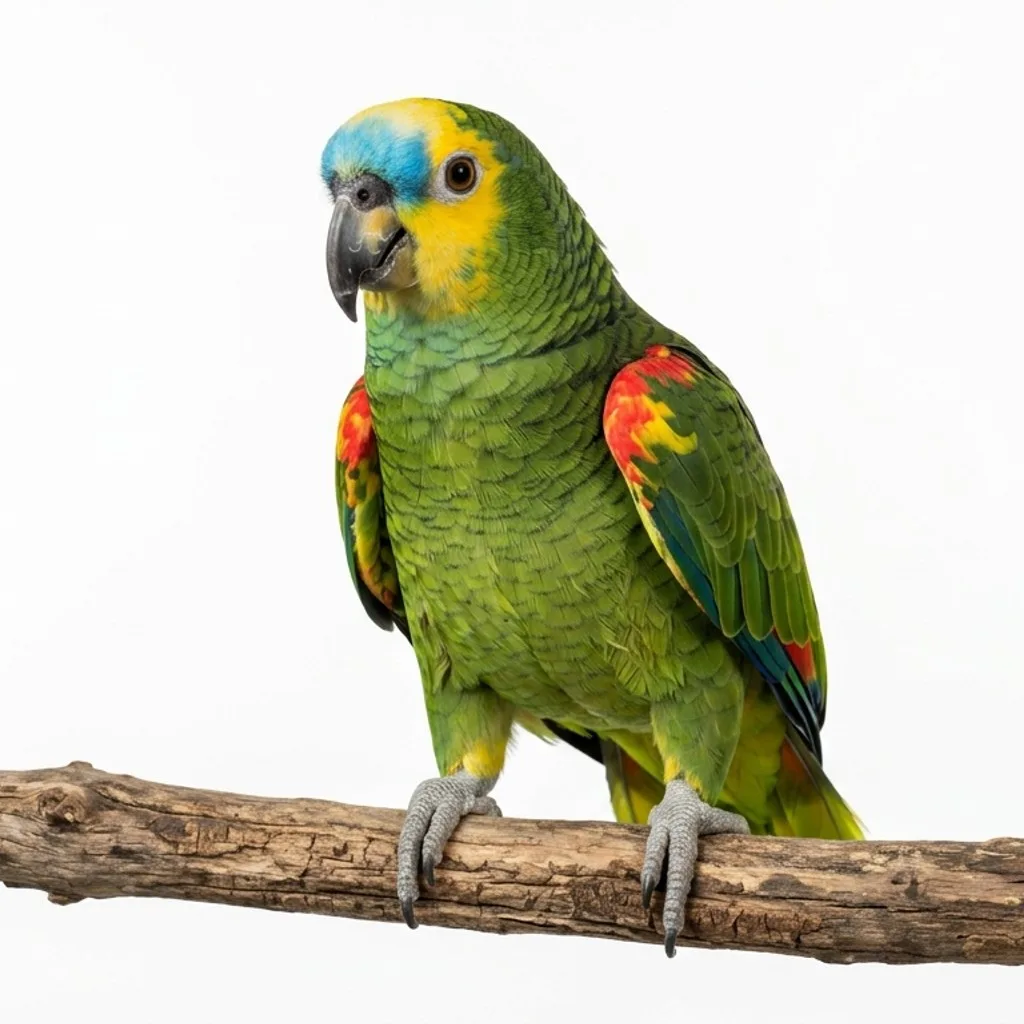
The Blue-fronted Amazon is a medium-sized green parrot from South America, marked by blue across the forehead and yellow on the crown and cheeks, and it suits experienced keepers rather than first-time bird owners. Outgoing, playful and often boisterous, it is an accomplished talker that can repeat words and phrases with real clarity. It is also genuinely loud, calling most at dawn and dusk, and adolescents commonly move through a bluffing stage that calls for patient, consistent handling. A lifespan of 40 to 60 years makes this a decades-long commitment. Daily care means fresh food and water, spot cleaning, and two to four hours of supervised time out of the cage, with rotating destructible toys and training sessions to head off the boredom that shows up as feather plucking or aggression. Best suited to a settled, experienced household with daily time and tolerance for noise.
Galah Cockatoo
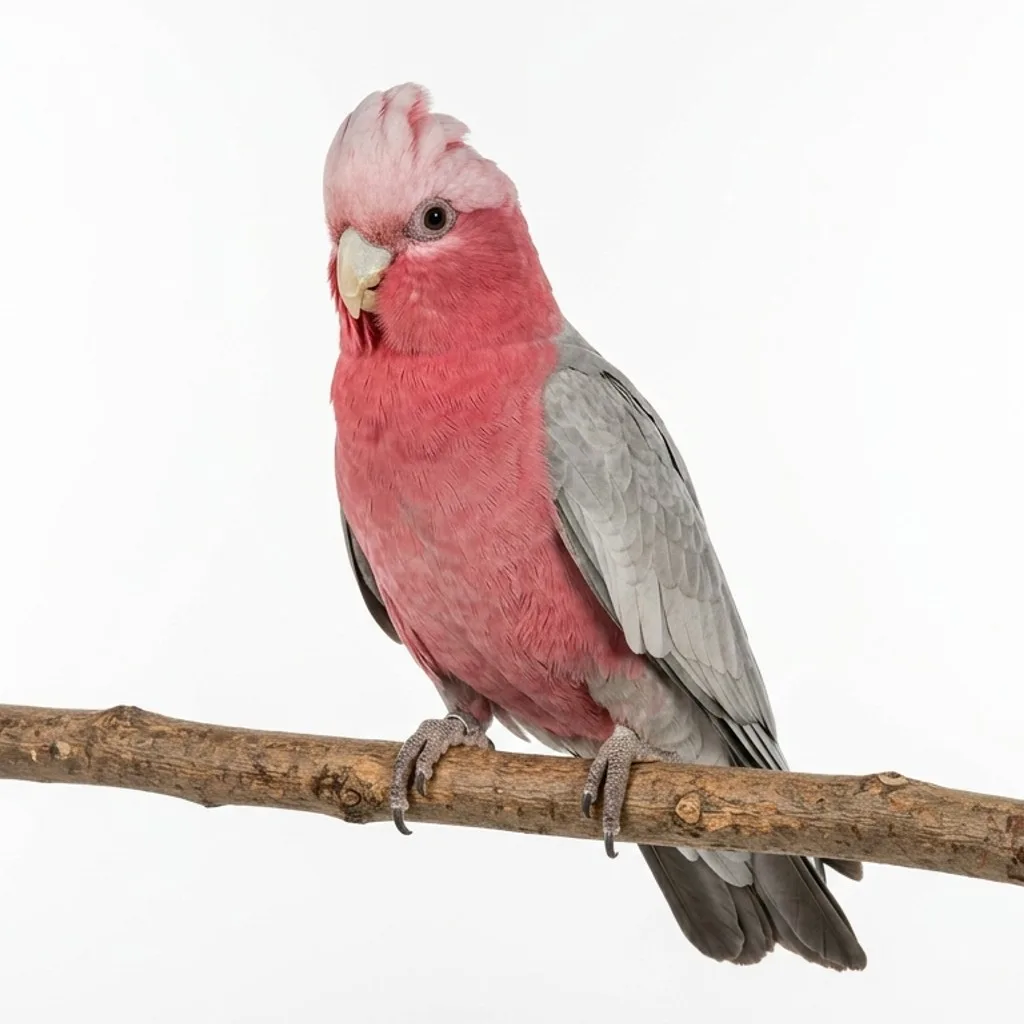
The Galah Cockatoo, also called the Rose-breasted Cockatoo, is a medium-sized Australian parrot with rose-pink face and underparts, grey wings and back, and a short pink crest it raises and lowers at will. It is playful, inquisitive and often mischievous, given to hanging upside down and other acrobatics, and it mimics sounds and bonds closely with the people who raise it. Galahs are also loud, particularly at dawn and dusk or when after attention, and they need several hours of direct interaction daily plus rotating toys and foraging tasks, or boredom turns into destructiveness and feather plucking. A large aviary or bird-safe room, regular misting and annual avian checks round out their care, and specialist avian vets are thin on the ground outside the main centres. A 40 to 60 year lifespan makes this a bird for a settled home, not a busy or frequently absent one.
Little Corella
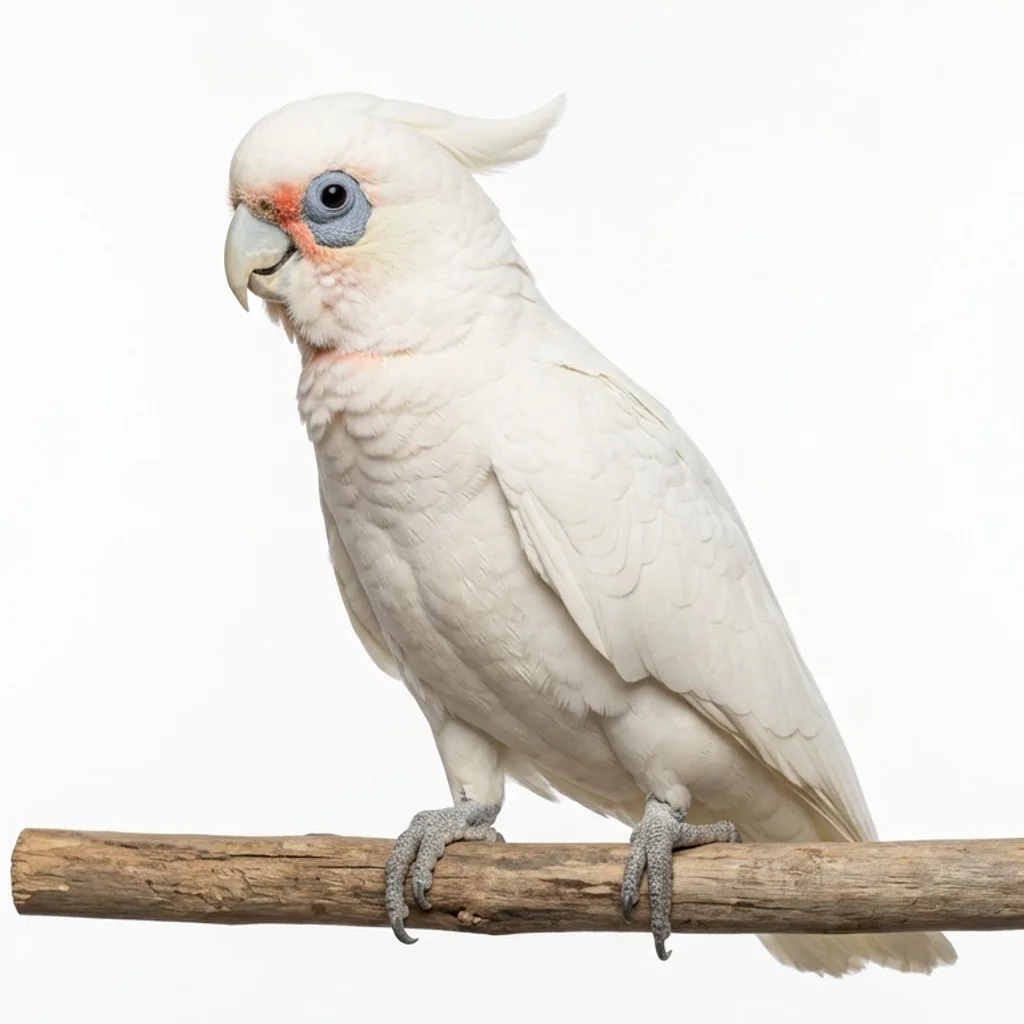
The Little Corella is a medium-sized white parrot from the arid and semi-arid interior of Australia, measuring around 35-40 cm and weighing 400-600 grams. The plumage is largely white with a salmon-pink wash under the wings and tail, set off by a short erectile crest, a pale grey beak and a blue-grey eye-ring. Corellas are boisterous, highly social and quick to learn, mimicking household sounds and short phrases and taking readily to puzzle toys and training. That intelligence comes with demands: their screeches, squawks and whistles carry a long way, boredom can tip into feather plucking or constant screaming, and an under-socialised bird may nip. Two to four hours of daily interaction, a spacious secure enclosure and rotating enrichment are the baseline, alongside supervised time out for flight and climbing. Because a Little Corella can live beyond 50 years, it suits experienced keepers in homes where the noise will not trouble close neighbours and the commitment can be carried for decades.
Pionus Parrot
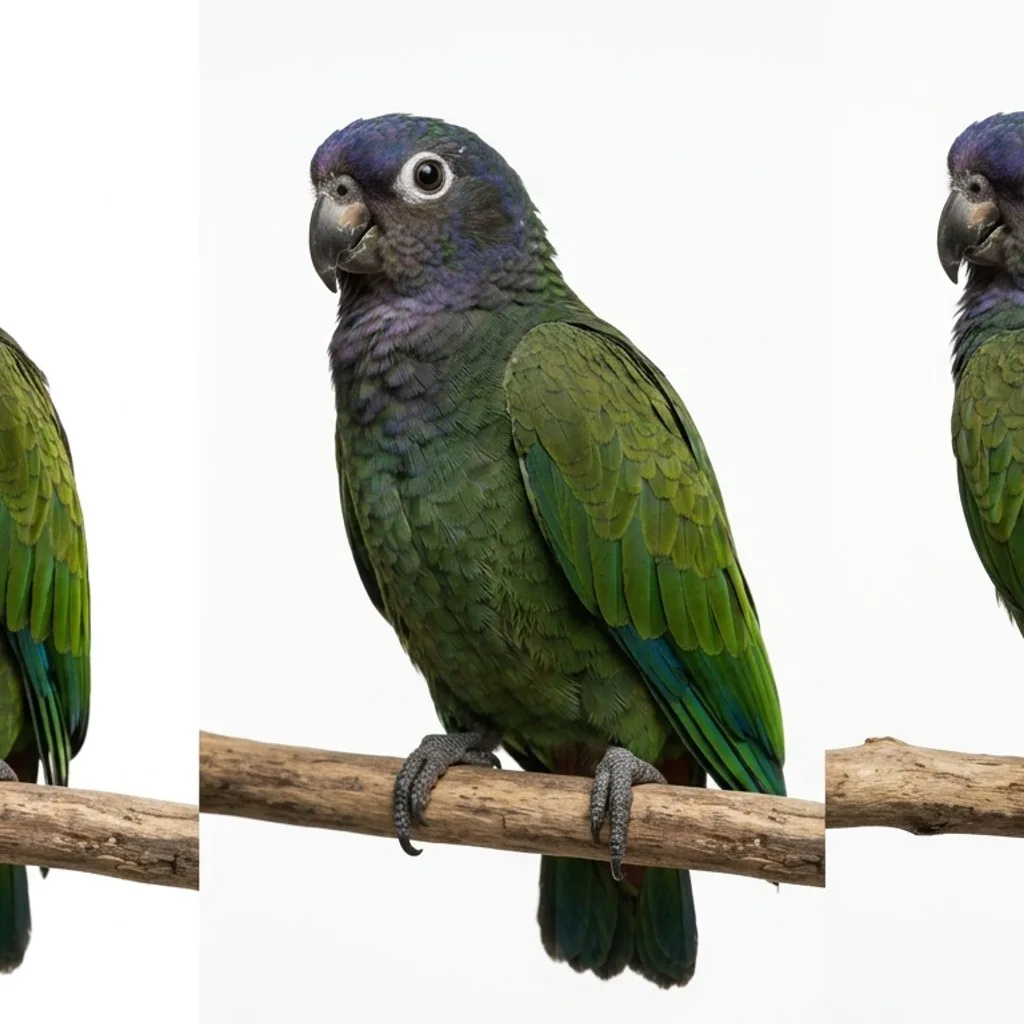
The Pionus Parrot is a stocky medium-sized parrot from Central and South America, roughly 23 to 30 cm long, green overall but washed with blue, purple and bronze, with bright red undertail coverts and a bare ring of skin around the eye. Excitement or stress darkens a blue-grey patch on the chin, an effect keepers describe as blushing. Temperament is the main draw: gentle and placid, far less prone to the screaming and hard nipping of larger parrots, and moderate rather than piercing in voice, while still able to mimic words and phrases. Pionus are companionable without being cuddly, often preferring a shoulder or arm to constant handling. Daily care means pellets with fresh produce, spot cleaning, one to two hours of supervised out-of-cage time, and foraging or chew toys for an intelligent mind. A 25 to 40 year lifespan makes this a decades-long commitment, best suited to a settled household ready for steady daily attention.