Taking Your Dog Tramping NZ: DOC Rules, Gear and Trail Etiquette
Taking your dog tramping NZ guide: check DOC dog access, permits, leads, wildlife, livestock, water, poo bags and trail etiquette.
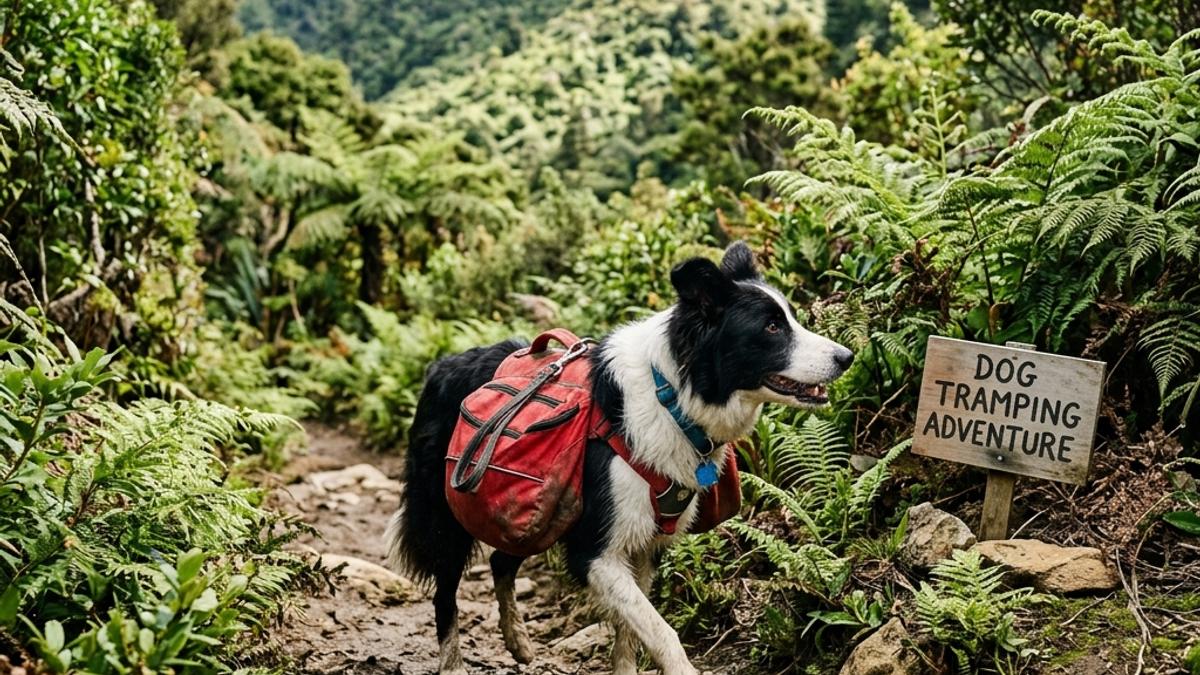
Taking your dog tramping in NZ starts with one rule: check the exact track before you go. Dogs are not automatically allowed on conservation land, and DOC access can differ by track, reserve, season, permit, wildlife risk and local signage. If the page or sign says no dogs, leave the dog at home. If dogs are allowed, take a lead, poo bags, water, and a plan to protect native wildlife, livestock and other walkers.
Fast pre-trip checklist
| Check | What to do |
|---|---|
| DOC access | Check the specific track or campsite page and signs |
| Permit | Apply early if the area requires a dog permit |
| Lead | Carry one even if the area allows dogs under control |
| Fitness | Build distance gradually before a full tramp |
| Wildlife and stock | Keep dogs away from birds, seals, livestock and nesting areas |
| Waste | Pack out poo bags where bins are not available |
Check DOC rules first
DOC's dog access guidance says pets are not allowed on conservation land without DOC permission, and that dogs may visit open dog areas or controlled access areas with a permit. DOC also says dog access conditions are shown on track and facility pages, with local signage still important on the day.
In practical terms, do not rely on a friend's memory or an old blog post. Search the exact track, campsite or reserve on doc.govt.nz, read the dog access line, and check whether the rule is "no dogs", "dogs on lead", "dogs under control" or "permit required". Permit processing can take time, so do not leave it until the night before.
Pick the right track for the dog
A good dog tramp is not just a human tramp with a lead attached. Think about your dog's paws, heat tolerance, recall, nerves, age and fitness. A short bush loop with water access may suit a young dog better than a long exposed ridge. A steep scree track may be poor for a small dog or an older dog. A track with swing bridges, ladders, stock access or nesting birds may be unsuitable even if humans love it.
Build up with local walks first. Use Dog Recall Training NZ before trusting freedom anywhere, and choose a reliable lead setup from Dog Lead Types NZ.
Lead, control and other people
"Under control" should mean more than "usually comes back eventually". Your dog should not rush walkers, children, mountain bikers, horses, other dogs or people eating lunch at a hut. Carry a standard lead and use it at car parks, narrow tracks, bridges, huts, picnic spots and anywhere visibility is poor.
Long lines can be useful in open training areas, but they are awkward on narrow bush tracks and around other trampers. If your dog pulls, lunges or chases, choose an easier walk and work on training first.
Wildlife, livestock and local sensitivity
New Zealand tracks often pass through sensitive habitat. Ground-nesting birds, kiwi, penguins, seals and sea lions can all be affected by dogs. Rural access may also cross near sheep, cattle or horses. Even a friendly dog can cause stress, chase stock or disturb wildlife.
Keep dogs away from wildlife, use the lead early rather than late, and leave the area calmly if animals appear. For beach and coastal walks, use Pet-Friendly Beaches in NZ and check council seasonal rules.
What to pack
Pack for the dog as deliberately as you pack for yourself:
- Lead and spare clip or backup lead.
- Harness or collar with ID.
- Water and a collapsible bowl.
- Poo bags and a way to carry filled bags out.
- Towel for wet paws, mud or river crossings.
- Weather layer for short-coated dogs if the forecast is cold.
- Tick, flea or seed check after grass, scrub and farm edges.
Use Dog Poop Bag Types NZ for a clean-up setup that actually survives a walk.
Weather and surface checks
NZ conditions change quickly. Hot sand, black sand, sharp gravel, cold rain and alpine wind can all matter to dogs. If the track is exposed, choose cooler times of day and carry more water than you think you need. If the track is muddy or rough, check paws afterward and dry between toes.
Skip the tramp if the dog is limping, coughing, vomiting, very young, heavily pregnant, elderly and struggling, or not fit enough. A tired dog on the outward leg becomes a welfare problem on the way home.
Quick takeaways
- Check the exact DOC track page and signs before taking a dog.
- Some dog-friendly conservation areas still require permits.
- Carry a lead even where dogs are allowed under control.
- Protect native wildlife, livestock and other walkers.
- Pack water, poo bags, ID and a realistic distance plan.
Related reading
References
- DOC, Dogs on conservation land, checked 2026-06-13: https://www.doc.govt.nz/parks-and-recreation/know-before-you-go/dog-access/
- DOC, Where you can take your dog and access rules, checked 2026-06-13: https://www.doc.govt.nz/parks-and-recreation/know-before-you-go/dog-access/where-you-can-take-your-dog/
- Auckland Council, Rules for dogs in public places, checked 2026-06-13: https://new.aucklandcouncil.govt.nz/en/dogs-animals/guide-for-dog-owners/rules-dogs-public-places.html
Free PetMall tools
Related guides
petmall.co.nz
Shop at PetMall
The products below are practical support items for your pet. PetMall ships across New Zealand.
- Dog FoodStart with food that matches your dog's life stage and activity level — and change brands slowly over 7–10 days.
- Dog TreatsTraining rewards and everyday treats — small, soft pieces work best for consistent reinforcement.
- Dog ToysA small rotation of chew, fetch, and puzzle toys usually works better than buying a large variety at once.
- Dog GroomingA gentle brush and the right shampoo make maintenance easier — especially for dogs that get muddy on walks.
- Leads & HarnessesComfort matters: padded contact points and adjustable fit help reduce rubbing on longer walks or tramping weekends.
- Flea & Worm TreatmentFor NZ conditions, look for protection that fits your routine (monthly vs longer-lasting) and your dog's weight range.