Best Pets for NZ Apartments: What's Allowed & How to Make It Work
Navigating the world of pet ownership in an NZ apartment can seem daunting, but it's entirely achievable with the right knowledge and preparation. This...
Navigating the world of pet ownership in an NZ apartment can seem daunting, but it's entirely achievable with the right knowledge and preparation. This comprehensive guide will walk you through everything you need to know, from understanding New Zealand's tenancy laws and body corporate rules to choosing the perfect companion suited for apartment living and ensuring their well-being. With careful planning and a commitment to responsible pet ownership, you can absolutely enjoy the companionship of a beloved animal, even in a compact urban home.
NZ Tenancy Law and Pets: Understanding Your Rights and Responsibilities
Bringing a pet into your apartment in New Zealand starts with understanding the legal framework governing residential tenancies. While there isn't a blanket ban on pets in the Residential Tenancies Act 1986 (RTA), landlords have the right to decline pets, and it's crucial to get their explicit permission in writing.
Historically, the default position in NZ tenancy agreements has often been "no pets unless approved." However, recent discussions and proposals, particularly around the Healthy Homes Standards, have also touched upon pet-friendly tenancies, recognising the growing number of pet owners. While no major legislative changes have mandated pet allowances, landlords are increasingly open to pets, especially with strong applications.
Before You Sign: Always check your tenancy agreement carefully. Many standard agreements will have a clause regarding pets, often stating that pets are not allowed without prior written consent from the landlord. If you already have a pet or plan to get one, discuss this with potential landlords *before* signing any agreement.
Requesting Permission: If your agreement doesn't explicitly allow pets, you'll need to formally request permission from your landlord. A well-prepared "pet proposal" can significantly increase your chances of approval. This should include:
- Details about your pet: Species, breed, age, size, temperament, desexing status, microchipping, vaccination records.
- Training and behaviour: Highlight any obedience training, house-training, and good behaviour.
- Pet care plan: Explain how you will manage your pet's needs (e.g., daily walks, litter box cleaning, flea and worm treatment, grooming).
- Damage mitigation: Outline steps you'll take to prevent damage (e.g., scratching posts for cats, appropriate toys for dogs, protective floor coverings).
- References: Previous landlords or a vet reference can be powerful.
- Insurance: Mention if you have pet insurance or contents insurance that covers pet damage.
Pet Bonds and Rent Increases: Under the RTA, landlords cannot charge a separate "pet bond" on top of the standard tenancy bond (which is capped at four weeks' rent). However, a landlord *can* increase the weekly rent to reflect the perceived increased wear and tear or additional costs associated with having a pet, but this must be a fair market rate and follow the rules for rent increases (e.g., only once every 12 months). Any agreed-upon rent increase must be documented in writing.
Tenant Responsibilities: If your landlord grants permission, your responsibilities include:
- Preventing damage: You are liable for any damage caused by your pet beyond normal wear and tear.
- Noise control: Ensuring your pet does not cause excessive noise that disturbs neighbours.
- Hygiene: Maintaining cleanliness within the apartment and common areas, including promptly cleaning up pet waste.
- Health and welfare: Ensuring your pet is well-cared for, healthy, and not a nuisance or danger to others.
- Compliance: Adhering to any specific conditions set by the landlord or body corporate.
Failing to meet these responsibilities can lead to your landlord withdrawing permission for the pet, or in severe cases, could be grounds for breach of tenancy, potentially leading to eviction. Always communicate openly and honestly with your landlord about your pet.
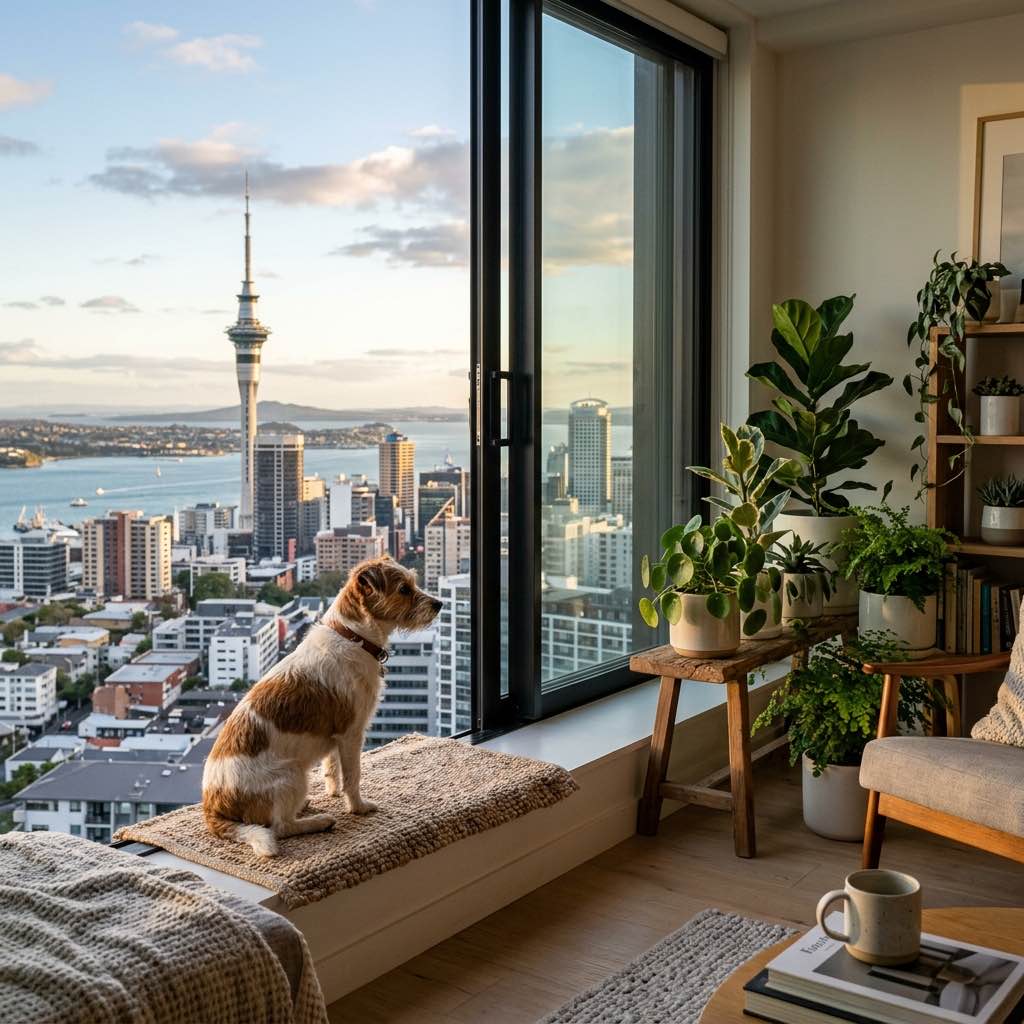
Body Corporate Rules: Navigating Apartment Complex Regulations
Beyond your tenancy agreement, if your apartment is part of a unit title development (which most apartments in NZ are), you'll also need to comply with the body corporate's rules. A body corporate is a legal entity made up of all the owners of units in a unit title development. Its primary role is to manage and maintain the common property and facilities.
Understanding Body Corporate Rules: Body corporate rules (also known as bylaws) are legally binding on all owners and occupiers within the complex. These rules often cover aspects like noise, use of common areas, parking, and critically for pet owners, the keeping of animals.
Common Pet-Related Body Corporate Rules:
- Absolute ban: Some body corporates have a strict "no pets" policy. This is common in older buildings or those with a history of pet-related issues.
- Permission required: Most commonly, rules state that pets are allowed only with the written permission of the body corporate committee. This permission is often granted on a case-by-case basis.
- Restrictions on size/type: Some bylaws might specify limits on the size, weight, or breed of dogs, or restrict the number of pets per unit. They might also ban certain types of animals (e.g., farm animals, exotic pets).
- Use of common areas: Rules will often dictate how pets can use common areas, such as requiring dogs to be on a leash, prohibiting pets from certain gardens or recreational areas, and mandating immediate clean-up of pet waste.
- Noise and nuisance: All bylaws will expect pets not to cause a nuisance, including excessive barking, meowing, or odours.
How to Check and Apply:
- Obtain the bylaws: If you're considering an apartment, ask your landlord or the real estate agent for a copy of the body corporate rules (disclosure statement). This is essential before you commit to anything.
- Review the pet policy: Carefully read the sections pertaining to animals.
- Submit an application: If permission is required, you'll typically need to submit a formal application to the body corporate committee. This application should be similar to the pet proposal you'd give a landlord, providing comprehensive details about your pet and how you plan to manage them responsibly within the complex.
- Be prepared for conditions: If approved, the body corporate might impose specific conditions, such as requiring your dog to be walked through the carpark rather than the lobby, or using a designated pet toilet area.
Importance of Compliance: Ignoring body corporate rules can lead to significant issues. The body corporate has the power to issue formal notices, impose fines (if their rules allow for it and are properly registered), and even seek an order from the Tenancy Tribunal or District Court for non-compliance, which could result in your pet being removed from the premises.
It's vital to remember that even if your landlord approves your pet, you *still* need separate approval from the body corporate if their rules require it. Always secure both permissions in writing before bringing your pet home. This dual approval process ensures a smooth and stress-free experience for you, your pet, and your neighbours.
Choosing the Right Pet for Your NZ Apartment Lifestyle
Selecting a pet for apartment living requires careful consideration beyond just cuteness. You need to match a pet's needs and temperament with the realities of a smaller living space, potential noise restrictions, and your own lifestyle.
Factors to Consider:
- Size and Space: While small pets are generally preferred, it's more about energy levels and exercise needs than just physical size. A small, high-energy dog might struggle more than a larger, calm breed if not adequately exercised.
- Noise Level: Barking, meowing, chirping, or cage noises can easily disturb neighbours in close quarters.
- Odour and Cleanliness: All pets require diligent cleaning, but some naturally produce more odour than others.
- Exercise Needs: How much time can you realistically dedicate to walks, playtime, and mental stimulation each day?
- Destructive Potential: Chewing, scratching, digging – some pets are more prone to these behaviours, which can quickly damage an apartment.
- Socialisation: Will your pet be left alone for long periods? Some animals thrive on companionship, while others are more independent.
- Lifespan and Commitment: Consider the long-term commitment. A pet could be with you for 10-20 years.
Best Small Pets for NZ Apartments
Here's a detailed look at pets that typically adapt well to apartment living in New Zealand, alongside key considerations for each.
Cats
Cats are often considered ideal apartment pets due to their independent nature and relatively low exercise needs compared to dogs.
- Pros: Can be content indoors, use litter trays, relatively quiet, enjoy vertical space.
- Cons: Can scratch furniture, some breeds are more vocal, require mental stimulation to prevent boredom.
- Best Apartment Breeds/Types: Any domestic short-hair with a calm temperament can thrive. Breeds like British Shorthairs, Ragdolls, and Persians are known for their placid, indoor-friendly nature. Avoid highly active breeds like Abyssinians if you're not prepared for significant play.
- Considerations:
- Litter Trays: Multiple trays are often needed, especially for more than one cat. Regular cleaning is paramount to prevent odours.
- Scratching: Provide plenty of scratching posts (vertical and horizontal) to redirect natural scratching behaviour away from furniture.
- Vertical Space: Cats love to climb. Cat trees, shelves, or window perches provide essential enrichment.
- Enrichment: Toys, puzzle feeders, and regular playtime are crucial to prevent boredom and destructive behaviours.
- Secure Windows/Balconies: Ensure all windows and balconies are secure to prevent escapes or falls.
- Desexing: Essential for preventing unwanted litters and reducing spraying/roaming behaviours.
Dogs
While often more challenging than cats, many small dog breeds can thrive in apartments with proper training and exercise.
- Pros: Loyal companions, can be trained for quiet living, provide motivation for outdoor exercise.
- Cons: Require regular walks/outings, potential for barking, separation anxiety can be an issue.
- Best Apartment Breeds/Types:
- Quiet & Calm: Cavalier King Charles Spaniel, Pug, French Bulldog, Shih Tzu, Bichon Frise.
- Small & Adaptable: Miniature Poodle, Dachshund, Maltese, Yorkshire Terrier.
- Important Note: Temperament varies greatly within breeds. Always meet the individual dog and assess its energy level and noise potential. Rescue dogs can be excellent choices as their personalities are often well-understood by shelter staff.
- Considerations:
- Exercise: Even small dogs need daily walks and mental stimulation. A quick trip outside for toileting isn't enough. Regular park visits or structured playtime are vital.
- Training: Crate training can help with house-training and provide a safe den. Obedience training is crucial for managing barking and good manners.
- Noise: Address barking early. Teach a "quiet" command and ensure they're not barking out of boredom or anxiety. Consider soundproofing solutions if neighbours are close.
- Toilet Training: Consistent toilet training is essential. Puppy pads might be an option for very young puppies, but they should eventually be transitioned to outdoor toileting.
- Separation Anxiety: Apartment dogs can be prone to separation anxiety if left alone for long periods. Provide enrichment toys, consider a dog walker, or doggy daycare if you're out all day.
Fish
Fish are arguably the lowest-impact pets for apartment living, offering a tranquil presence without noise or space demands.
- Pros: Silent, contained, relatively low maintenance (once set up), aesthetically pleasing.
- Cons: Require specific water parameters, initial setup can be an investment, not interactive in the same way as mammals.
- Best Apartment Types:
- Small Tropical Fish: Guppies, Neon Tetras, Betta fish (one per tank), platies, mollies (in appropriate tank sizes).
- Goldfish: While often thought of as beginner fish, goldfish require surprisingly large tanks (minimum 75L for one, more for multiples) due to their waste production and growth potential.
- Considerations:
- Tank Size: Never overcrowd. Research the minimum tank size for your chosen species. A 20-30 litre tank is suitable for a single Betta or a small school of tetras.
- Filtration and Heating: Essential for maintaining water quality and temperature for most tropical species.
- Regular Cleaning: Weekly partial water changes and gravel vacuuming are crucial.
- Placement: Choose a sturdy, level surface away from direct sunlight and drafts.
- Noise: While the fish themselves are silent, filters can hum. Choose quiet models.
Birds
Small, quiet bird species can bring joy to an apartment, but their noise levels and cage size requirements need careful thought.
- Pros: Can be entertaining and interactive, relatively small footprint.
- Cons: Can be noisy (chirping, squawking), require daily cage cleaning, can be messy with seeds/feathers.
- Best Apartment Breeds/Types:
- Budgerigars (Budgies): Small, can be quite chatty but generally not excessively loud, especially if kept in pairs.
- Finches: Very small, quiet and undemanding of handling. PetMD's finch care sheet describes finches as hands-off birds that do not enjoy being held, so they suit someone who wants to watch rather than cuddle. They are social and do best in pairs or small groups, and a pair needs a rectangular flight cage of at least 24" L × 14" W × 18" H (roughly 61 × 36 × 46 cm) — long rather than tall, so they can actually fly rather than just hop.
- Budgerigars (budgies), sizing the cage properly: PetMD's budgie care sheet gives 18 × 18 × 18 inches (about 46 cm cube) as the minimum for a single budgie, 30 × 18 × 18 inches for two, and 32 × 18 × 20 inches for more than two. Budgies are flock birds that enjoy the company of other birds; a solo budgie needs considerably more attention from you to meet its social needs. With good care they live 10–12 years, which is a genuine commitment in a rental.
Before you commit to a bird in an apartment, be realistic about two things. First, noise carries through shared walls — budgies chirp, whistle and mimic, and while that is nothing like a larger parrot, it is constant daytime background sound. Finches are the quieter option. Second, birds are messy: seed husks, feather dust and daily cage cleaning are part of the deal, and dust is worth thinking about in a small, poorly ventilated flat.
Birds also need proper veterinary care from someone who sees birds. VCA recommends routine check-ups for budgies rather than only seeing a vet when something is obviously wrong, and avian consults are not available at every clinic — check what your nearest options are before you buy the bird, not after.
Making the Final Call
Whatever you choose, do these three things first:
- Read your tenancy agreement and, if you are in an apartment block, the body corporate rules. Pet clauses vary enormously between buildings, and finding out after you have the animal is the worst possible order to do this in.
- Be honest about the space and the hours. A dog left alone for ten hours in a one-bedroom flat is not a housing problem, it is a welfare problem — and it is usually the cause of the barking that gets neighbours complaining.
- Cost it out over the animal's whole life, not the first month. A budgie is 10–12 years; a cat can be 18 or more.
Sources
- PetMD, *Finch Care Sheet* (Maria Zayas, DVM) — a pair of finches needs a rectangular flight cage of at least 24" L × 14" W × 18" H, long rather than tall so they can fly; finches "thrive when kept in pairs or small groups" and are hands-off birds that "do not enjoy being held", checked 2026-07-24: https://www.petmd.com/bird/finch-care-sheet
- PetMD, *Budgie Care Sheet* (Teresa Manucy, DVM; reviewed by Melissa Witherell, DVM) — minimum cage 18 × 18 × 18 in for one budgie, 30 × 18 × 18 in for two, 32 × 18 × 20 in for more than two; budgies are flock birds that enjoy the company of other birds and live 10–12 years with proper care, checked 2026-07-24: https://www.petmd.com/bird/budgie-care-sheet
- VCA Animal Hospitals, *Budgies — General* — budgies communicate with cheerful whistling and chatter, with voices less clear than larger parrots, and should have routine veterinary check-ups rather than being seen only when unwell, checked 2026-07-24: https://vcahospitals.com/know-your-pet/budgies---general