Pet Breed Guide NZ
Alexandrine Parakeet
The Alexandrine Parakeet is a large, striking parrot known for its gentle nature, intelligence, and excellent talking ability. They require spacious housing and plenty of enrichment.
Photo Gallery
NZ Ownership Snapshot
Verified NZ Status- Noise Level
- moderate
- Social Needs
- groups
- Diet Type
- Seeds, pellets, vegetables, fruit, and species-appropriate enrichment foods
- UVB Required
- No
Legal as captive-bred pets in NZ. Must be sourced from licensed NZ breeders. Wild-caught import prohibited.
Breed Snapshot
- Size
- large
- Lifespan
- 25-30 years
- Origin
- India, Southeast Asia / NZ captive bred
- Care Focus
- Intelligent, independent but affectionate; can learn to talk well; needs significant space and chewing toys
- NZ Price
- NZD $400–$1,200 from licensed breeders
- Annual Vet Cost
- Estimated annual vet/care costs in NZD for an Alexandrine Parakeet in New Zealand can range from $200 - $500, not including emergency care. This covers routine check-ups, potential preventative medications (e.g., worming), and general health maintenance. However, it's important to note that exotic vet access in NZ is limited, especially outside major centres like Auckland, Wellington, and Christchurch. Specialist avian vets are even rarer, which can lead to higher consultation fees and potentially longer travel times for specialised care. Emergency treatments for exotic birds can easily run into thousands of dollars.
Personality Scores
NZ Lifestyle Fit
Alexandrine Parakeets are adaptable birds, making them suitable for various New Zealand home types, from suburban houses with spacious backyards to larger sections or lifestyle blocks. Apartment living can be challenging due to their moderate noise level and significant space requirements, though a very large, dedicated bird room might suffice for a single bird. Climate-wise, they can tolerate New Zealand's varied conditions, but require protection from extremes. During Auckland's humid summers, good ventilation is crucial to prevent respiratory issues, while in the colder South Island winters, a well-insulated indoor aviary with supplemental heating is essential to maintain a stable temperature. There are no specific regional restrictions on keeping Alexandrine Parakeets in NZ, but local council bylaws can vary regarding aviary size, placement, and noise, so always check with your specific council. Legally sourcing these birds in New Zealand is typically through reputable, registered breeders or specialist pet stores that adhere to ethical breeding practices. Always ask for proof of origin and health guarantees to ensure the bird's welfare and legal compliance, avoiding any unverified or backyard sources.
Verified NZ domestic pet-bird context: MPI recognises parrots/parakeets as pet birds in NZ. This supports local captive-keeping context only; live bird imports are not allowed, and owners must still check species-specific and regional pest rules.
Overview
The Alexandrine Parakeet (Psittacula eupatria), named after Alexander the Great who exported them from India, is a large and elegant parakeet species. Measuring up to 58cm (with their long tail feathers making up a significant portion of this length), they are highly striking birds with vibrant green plumage, a massive red beak, and red shoulder patches. In New Zealand, they are popular aviary and companion birds, valued for their intelligence and remarkable ability to mimic human speech.
NZ ownership fit
Alexandrine Parakeets are independent yet highly affectionate when properly socialised. While they can bond closely with their family, they are generally less demanding of constant attention than other large parrots. However, due to their size, they require a spacious cage or a large outdoor aviary. They are active chewers and must be supplied with a constant stream of fresh wood branches and toys to prevent destructive behaviour.
Care priorities
A balanced diet consisting of high-quality pellets, fresh vegetables, fruits, and a small amount of seed is essential for their health. Avoid feeding toxic foods like avocado, chocolate, or onions. Regular out-of-cage time is critical for companion birds to stretch their wings. In New Zealand, they must be sourced from reputable local captive breeders, as importing wild birds is strictly prohibited.
Fun Facts
Fact 1
Alexandrine Parakeets are named after Alexander the Great, who is said to have introduced them to Europe.
Fact 2
They are one of the largest parakeet species, with their long tail feathers contributing significantly to their length.
Fact 3
Males have a distinctive black neck ring and a rose-pink band on their nape, which females lack.
Fact 4
These intelligent birds are known for their impressive ability to mimic human speech and a variety of sounds.
Fact 5
In the wild, Alexandrine Parakeets are often found in large flocks, highlighting their social nature.
Related Breeds
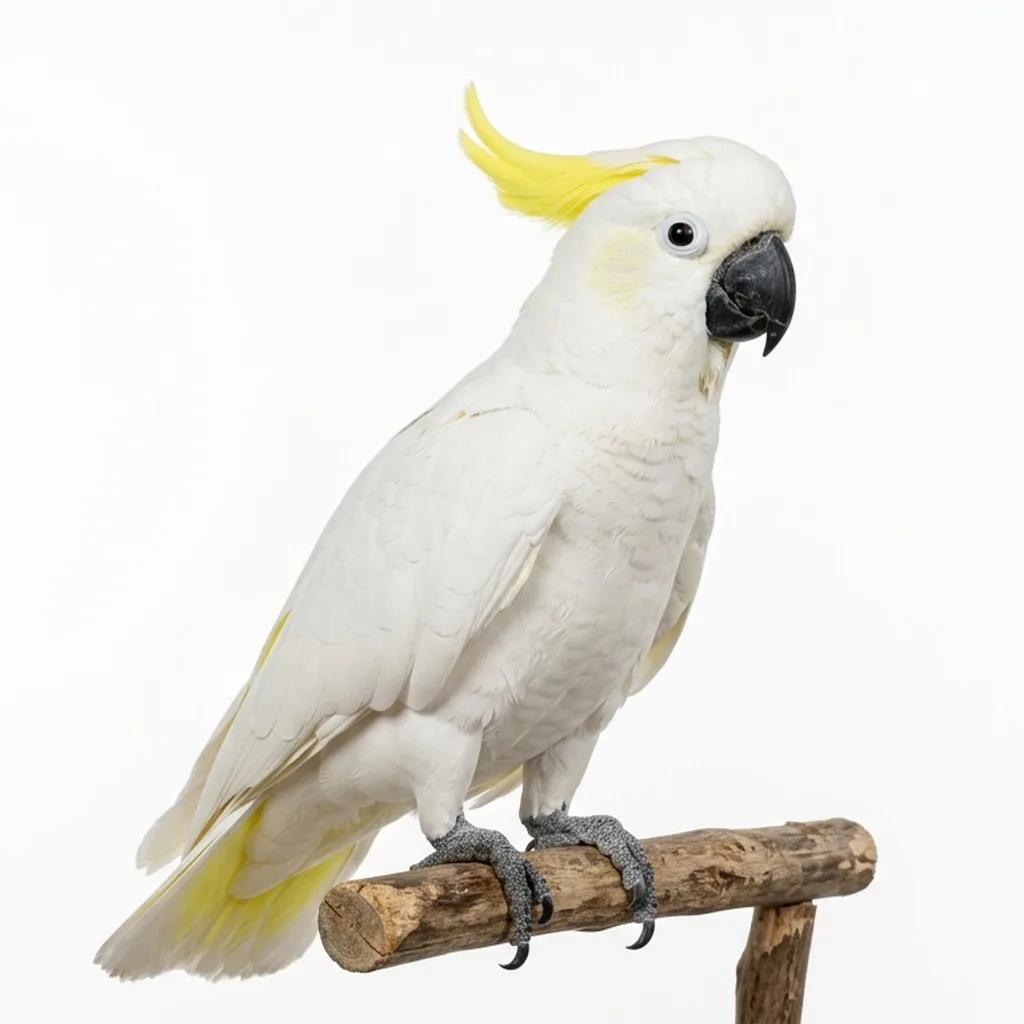
Cockatoo (Sulphur-crested)
Cockatoo (Sulphur-crested) is a large bird originating from Australia. This animal has verified NZ restriction or pest context; check MPI, DOC, EPA, and local council rules before keeping, moving, breeding, selling, or sourcing one. Typical lifespan is 40-70 years.
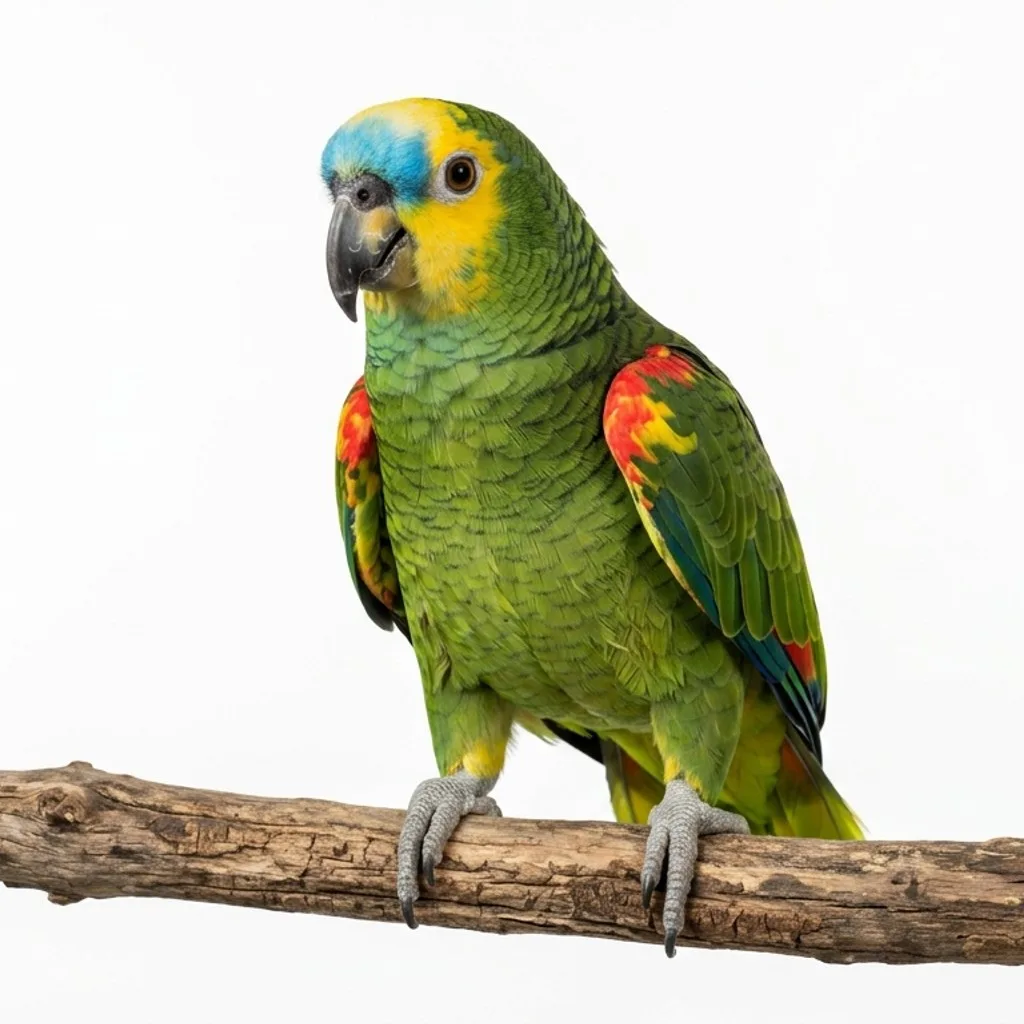
Blue-fronted Amazon Parrot
The Blue-fronted Amazon is a medium-sized green parrot from South America, marked by blue across the forehead and yellow on the crown and cheeks, and it suits experienced keepers rather than first-time bird owners. Outgoing, playful and often boisterous, it is an accomplished talker that can repeat words and phrases with real clarity. It is also genuinely loud, calling most at dawn and dusk, and adolescents commonly move through a bluffing stage that calls for patient, consistent handling. A lifespan of 40 to 60 years makes this a decades-long commitment. Daily care means fresh food and water, spot cleaning, and two to four hours of supervised time out of the cage, with rotating destructible toys and training sessions to head off the boredom that shows up as feather plucking or aggression. Best suited to a settled, experienced household with daily time and tolerance for noise.
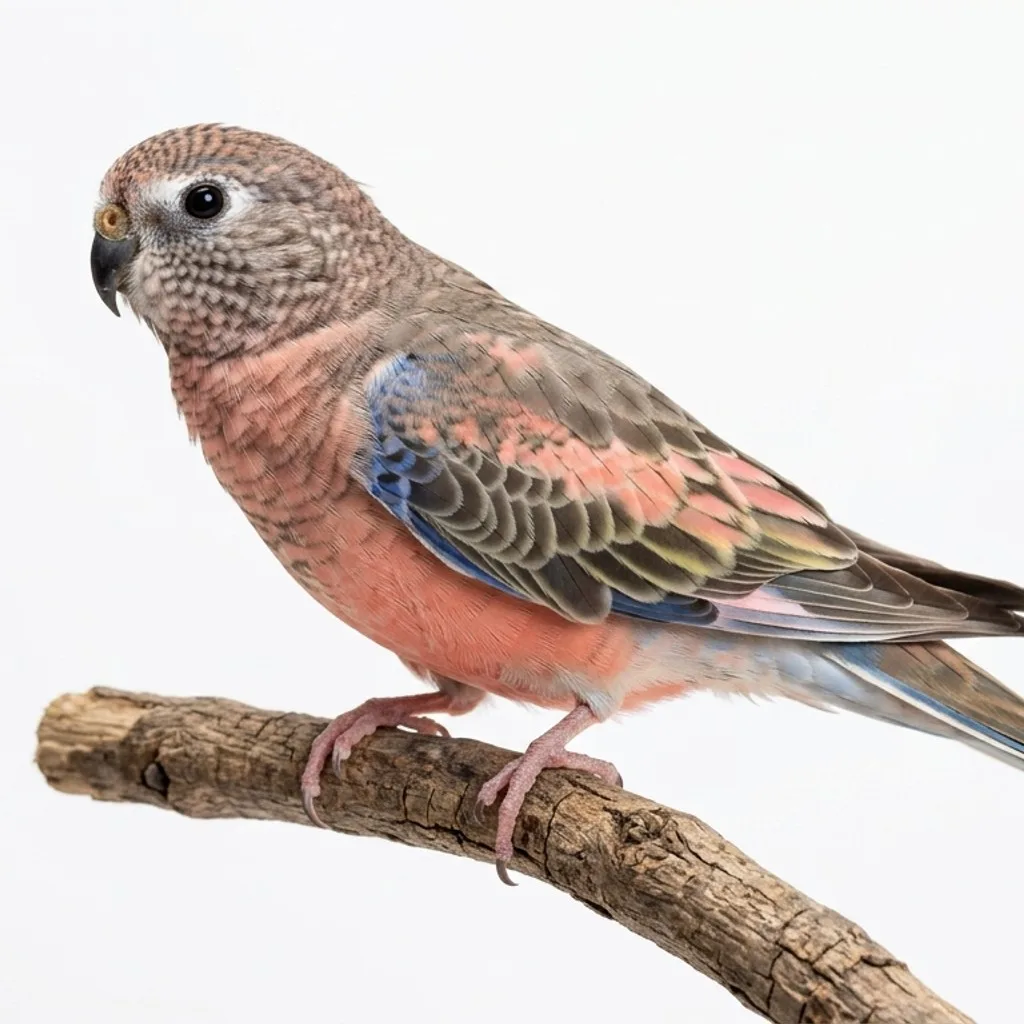
Bourke's Parakeet
Bourke's Parakeet is a small, softly coloured parrot from inland Australia, rosy pink below with a grey-brown back and blue in the wings, and it is one of the gentler options for a first-time bird owner. It is quiet by parakeet standards, offering melodic chirps rather than squawking, and it is crepuscular, so most of its activity falls around dawn and dusk while the day passes in dozing and gentle foraging. Bourkies are docile, rarely bite, and become tame with steady, unhurried handling, though they tend to enjoy company more than cuddling and are not mimics. They do best in pairs or small groups, with a roomy cage, varied perches, chewable toys and supervised flight in a bird-proofed room. A lifespan of 8 to 12 years and soft vocalisations make them workable in flats and quiet homes that want a calm, undemanding bird.
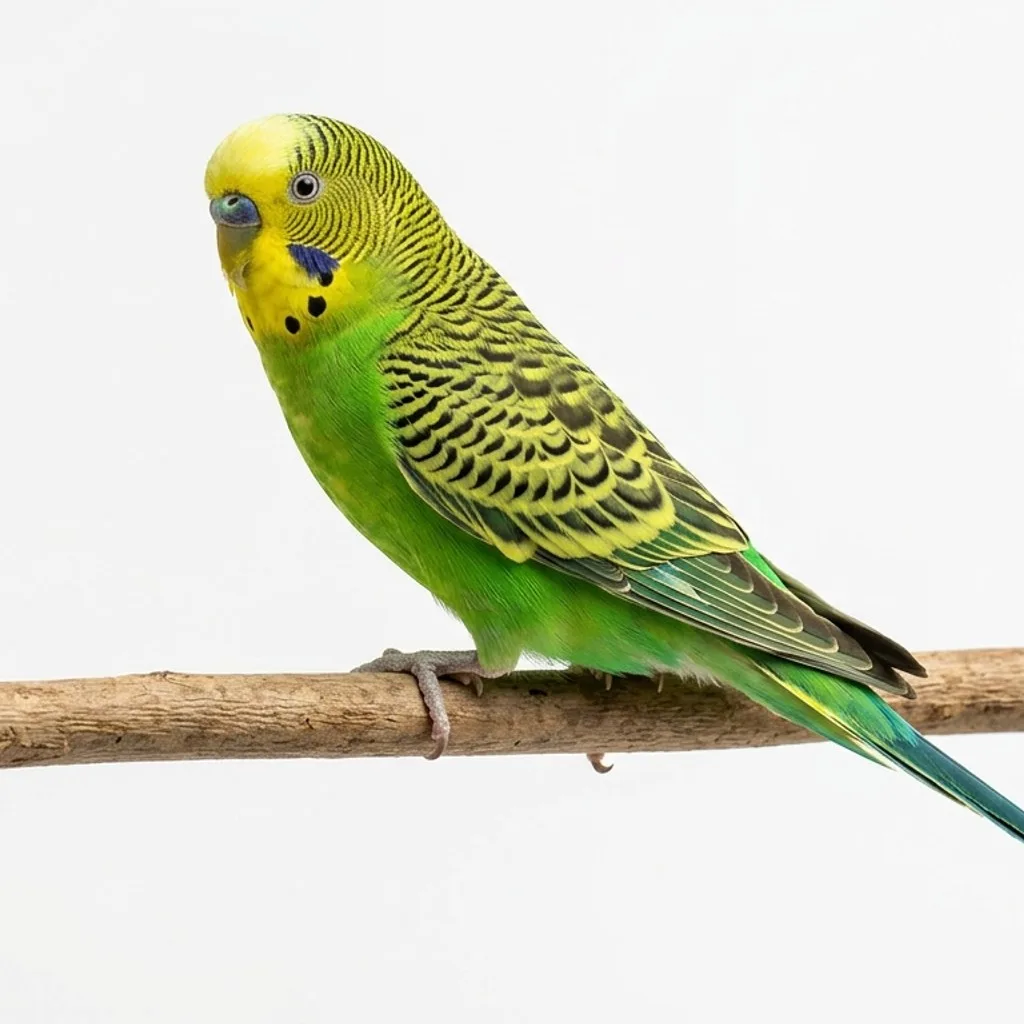
Budgerigar (Budgie)
The Budgerigar, or budgie, is a small long-tailed seed-eating parrot from Australia and one of the most widely kept companion birds in the world. It is lively, inquisitive and intensely social: budgies live in large flocks in the wild, so a single bird needs either a companion budgie or committed daily human interaction to stay settled. They are bright enough to learn to step up, perform simple tricks and mimic speech, males more readily than females. Wild birds are green and yellow with black scalloping on the wings, while selective breeding has produced blue, white, yellow, grey and pied colour mutations. Care is straightforward rather than trivial: fresh food and water twice daily, a pellet-based diet with seed as a treat, spot cleaning, and 30 to 60 minutes of supervised flight in a bird-safe room. Their small size suits apartments, though near-constant chirping makes them a poor match for a noise-sensitive household.