Are Sugar Gliders Legal in NZ? Why They're Banned + Legal Alternatives
Sugar gliders are banned in NZ under the Biosecurity Act. Find out why, what the law says, and 5 legal small pet alternatives that suit Kiwi homes.
Quick Answer
No, sugar gliders are strictly prohibited from private ownership, import, or release in New Zealand. They are classified as an 'unwanted organism' under the Hazardous Substances and New Organisms (HSNO) Act, appearing on the EPA prohibited organisms list. This means you cannot legally bring them into the country or keep them as pets. The Ministry for Primary Industries (MPI) also has stringent import requirements, and no approved pathway exists for private individuals to import sugar gliders, reinforcing their prohibited status for Kiwi homes.
Why Sugar Gliders Are Restricted in NZ
New Zealand has some of the world's strictest biosecurity laws, and for good reason. Our unique native flora and fauna evolved in isolation, largely without the presence of mammalian predators or diseases common elsewhere. Introducing non-native species, like the sugar glider (Petaurus breviceps), poses a significant threat to this delicate ecosystem.
The Environmental Protection Authority (EPA) maintains a list of prohibited organisms under the HSNO Act. This list explicitly includes "Any member of the families Phalangeridae and Petauridae, other than the Australian brushtail possum (Trichosurus vulpecula)". As sugar gliders belong to the Petauridae family, they are unequivocally prohibited. This legal framework prevents their import, breeding, distribution, or release within New Zealand. You can view the full EPA prohibited organisms list for more details.
Furthermore, the Ministry for Primary Industries (MPI) governs all animal imports. While MPI has general importing requirements, there is no specific Import Health Standard (IHS) for sugar gliders for private ownership. Without an IHS, importing an animal is virtually impossible. The Department of Conservation (DOC) also highlights the critical role of biosecurity guidance in protecting our natural heritage from unwanted organisms that could devastate native wildlife. For a deeper dive into other restricted pets, check out our guide on banned and restricted exotic pets in NZ.
What Sugar Glider Ownership Actually Involves
For those living in countries where sugar gliders are legal, owning these small marsupials is a significant commitment, far beyond what many first-time pet owners anticipate. They are not low-maintenance pets and require specialised care to thrive.
Firstly, sugar gliders are highly social animals. They should never be kept alone; a pair or small colony is essential for their psychological well-being. Keeping a single glider can lead to severe stress, depression, and even self-mutilation. Their lifespan is also considerable, typically ranging from 12 to 15 years in captivity, meaning you're committing to over a decade of dedicated care.
Their enclosure needs are extensive. A cage should be at least 1 cubic metre for a pair, but larger is always better. It must be tall, allowing for climbing and gliding, and filled with branches, ropes, pouches for sleeping, and various enrichment toys to keep their intelligent minds stimulated. They are nocturnal, meaning they are most active at night. This can conflict with a human household's sleep schedule, as they can be quite noisy with their chattering and cage activities after dark.
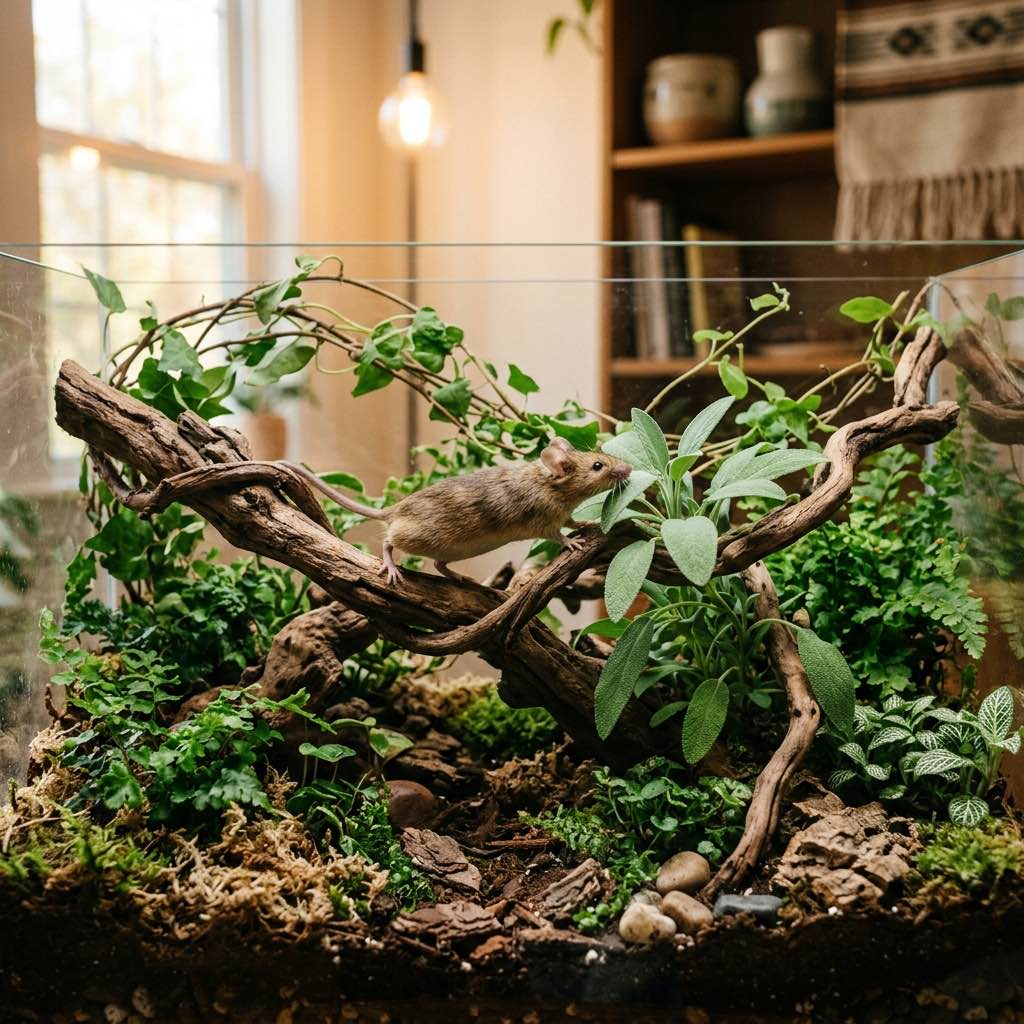
Diet is another complex aspect. Sugar gliders are omnivores with very specific nutritional requirements. Their diet in the wild consists of nectar, sap, pollen, fruits, and insects. In captivity, this translates to a carefully balanced diet that often includes a specially formulated nectar or honeydew substitute, fresh fruits and vegetables, and a regular supply of live insects like mealworms or crickets. Improper nutrition can lead to serious health issues, including metabolic bone disease. Regular veterinary care from a vet experienced with exotic animals is also crucial, which can be costly.
5 Legal Small Pet Alternatives for NZ Homes
While sugar gliders aren't an option here, New Zealand offers a fantastic range of legal small pets that can bring immense joy and companionship. If you're looking for an engaging, unique, or cuddly friend, there's likely a perfect match for you. For a broader overview, explore our small pets in NZ guide.
Fancy Rat
If you're drawn to the intelligence and trainability of sugar gliders, a Fancy Rat could be an excellent alternative. These highly social and clever rodents are legal in NZ and can form strong bonds with their owners, often learning tricks and responding to their names. They thrive on interaction and require a spacious cage with plenty of enrichment, including climbing opportunities and toys. Fancy rats are relatively affordable, typically costing NZD $20-$50 per rat, though they must be kept in pairs or groups. Their care involves daily interaction, a balanced diet, and a clean environment to prevent respiratory issues.
Holland Lop Rabbit
For those seeking a gentle and affectionate companion with a longer lifespan, the Holland Lop Rabbit is a wonderful choice. These small, floppy-eared rabbits are legal in New Zealand and make delightful indoor pets, known for their calm demeanour and charming personalities. They can live for 7-12 years, offering a long-term commitment similar to a sugar glider. Holland Lops typically cost between NZD $80-$200. Key care requirements include a spacious hutch or designated indoor area, a diet rich in hay, fresh vegetables, and regular grooming to maintain their soft fur.
Abyssinian Guinea Pig
The Abyssinian Guinea Pig is a fantastic option for families or individuals looking for a social and relatively low-maintenance pet. These legal, friendly rodents are known for their distinctive rosetted fur and vocal personalities. They are highly social and must be kept in pairs or small groups to prevent loneliness, making them ideal for those who appreciate the social nature of sugar gliders. Abyssinian Guinea Pigs usually cost NZD $40-$100. Their care involves a spacious, clean cage, a constant supply of hay, fresh vegetables, and daily vitamin C supplementation.
Chinchilla
If you're captivated by the unique appearance and nocturnal habits of sugar gliders, a Chinchilla might be the perfect fit. These crepuscular (active at dawn and dusk) rodents are known for their incredibly soft fur and long lifespans, often living 15-20 years — and unlike sugar gliders, chinchillas are legal to own and buy in New Zealand. Chinchillas are quite active and require a tall, multi-level cage with plenty of climbing and chewing opportunities. They are a more significant investment, typically costing NZD $200-$600. Essential care includes daily dust baths, a specialised high-fibre diet, and strict temperature control as they are prone to overheating.
Dutch Rabbit
The Dutch Rabbit is a compact and distinctive breed that offers a trainable and engaging pet experience. Legal in New Zealand, these rabbits are known for their striking colour patterns and generally docile temperament, making them suitable for various homes. They are often quite active and enjoy exploring, providing a lively presence. Dutch Rabbits typically range from NZD $50-$150. Their care involves a secure and spacious living environment, a diet primarily of hay, fresh greens, and access to safe chew toys to keep their teeth healthy. They can be litter trained and enjoy supervised time outside their enclosure.
What to Consider Before Choosing Any Small Pet in NZ
Bringing any pet into your home is a big decision, and small pets are no exception. Before you commit, take time to consider several important factors to ensure a happy and healthy life for your new companion and a smooth experience for you.
First, think about the lifespan commitment. Many small pets, like rabbits and chinchillas, can live for 7-15 years or even longer. Are you prepared for a long-term responsibility that includes daily care, potential health issues, and holiday arrangements?
Next, investigate council and rental restrictions. Some local councils have bylaws regarding the number or type of pets you can keep. If you rent, your landlord's consent is crucial, and many tenancy agreements have specific clauses about pets. Always get permission in writing.
Ongoing costs are another significant consideration. Beyond the initial purchase price, you'll need to budget for food, bedding, toys, and regular veterinary check-ups. Small pets can be prone to specific health issues, and emergency vet visits can be expensive. Familiarise yourself with typical NZ vet costs guide to avoid surprises.
Finally, factor in initial setup costs. A suitable enclosure, bedding, food bowls, water bottles, and enrichment items can add up. Depending on the pet, you might be looking at an initial outlay of NZD $200-$800, plus the cost of the animal itself. Ensure you have the financial resources for both the initial investment and ongoing care.
Setting Up for Your New Small Pet
Once you've chosen your new small pet, creating the right environment is key to their well-being. Start with a suitable enclosure or cage that is appropriately sized for their species and number, allowing ample space for movement, exploration, and separate areas for sleeping, eating, and toileting. Ensure it's secure, well-ventilated, and easy to clean.
Bedding is crucial for comfort, hygiene, and sometimes burrowing. Options vary from paper-based products to hay or wood shavings, depending on the animal's needs. Always choose safe, non-toxic materials. Provide appropriate food and water dishes or bottles, ensuring fresh water is always available. Finally, enrichment is vital. This includes toys for chewing, climbing, or mental stimulation, hidey-houses for security, and opportunities for supervised out-of-cage exercise. A well-set-up environment helps your pet thrive.
Final Thoughts
While sugar gliders are fascinating creatures, their import and ownership are strictly prohibited in Aotearoa New Zealand due to critical biosecurity concerns. Fortunately, many wonderful and legal small pets can bring immense joy and companionship to your home. Consider the alternatives discussed, and remember to research their specific needs thoroughly. Choosing a pet is a significant commitment, so ensure you're ready for the responsibility. Explore our breed-specific guides for more detailed information on caring for your chosen companion.
---
Reference sources
- MPI, Bringing pets to NZ other than cats and dogs, checked 2026-06-04: https://www.mpi.govt.nz/bring-send-to-nz/pets-travelling-to-nz/bringing-pets-to-nz-other-than-cats-and-dogs/
- MPI, Stopping pets becoming pests, checked 2026-06-04: https://www.mpi.govt.nz/biosecurity/biosecurity-and-your-pets/
- New Zealand Legislation, Biosecurity Act 1993, checked 2026-06-04: https://www.legislation.govt.nz/act/public/1993/95/en/latest/
- New Zealand Legislation, Hazardous Substances and New Organisms Act 1996, checked 2026-06-04: https://www.legislation.govt.nz/act/public/1996/30/en/latest/
- PetMall small pet alternatives/profile data linked in this draft, checked 2026-06-04.
Related guides
petmall.co.nz
Shop at PetMall
The products below are practical support items for your pet. PetMall ships across New Zealand.