Pet Breed Guide NZ
Chinchilla
Chinchillas are captivating small pets, renowned for their incredibly soft, dense fur and charming personalities. Originating from the Andes Mountains of South America, these crepuscular rodents boast an impressive lifespan of 15-20 years, making them a significant long-term commitment. They are highly social animals, thriving when kept in pairs or small groups, and require a stimulating environment to prevent boredom. Their unique care needs, particularly regarding temperature sensitivity and dust baths, set them apart from more common small pets. In New Zealand, Chinchillas are legal to own, though they remain relatively rare. Prospective Kiwi owners must be mindful of their sensitivity to the NZ summer heat, ensuring their environment consistently stays below 25°C to prevent heatstroke.
Photo Gallery
NZ Ownership Snapshot
Verified NZ Status- Noise Level
- quiet
- Social Needs
- groups
- Animal Type
- chinchilla
- Diet Type
- Species-specific small pet diet
- UVB Required
- No
Verified MPI pet-import pathway: chinchillas may be imported as pets only from Great Britain under MPI requirements. This does not remove local welfare or council obligations.
Breed Snapshot
- Size
- small
- Lifespan
- 15-20 years
- Origin
- South America
- Care Focus
- Active animal sensitive to heat; needs calm handling, enrichment, and dust-bath access.
- NZ Price
- NZD $200 - $600 (for a single chinchilla from a reputable breeder)
- Annual Vet Cost
- Estimated annual vet/care costs can range from NZD $200 - $500, not including emergency care. This covers routine check-ups, specialised chinchilla pellets, quality hay, dust bath supplies, and enrichment toys. Due to the limited availability of exotic vets in New Zealand, particularly outside major cities, emergency or specialised treatment can be significantly more expensive and harder to access. It's wise to budget for potential higher costs and factor in travel if a specialist exotic vet is required.
Personality Scores
NZ Lifestyle Fit
Chinchillas can thrive in various New Zealand homes, from apartments to larger houses, provided their specific environmental needs are met. The most critical factor for their suitability in NZ is climate control. Chinchillas are highly susceptible to heatstroke, requiring ambient temperatures to remain consistently below 25°C, ideally between 18-22°C. This means homes in warmer, more humid regions like Auckland, Northland, and the Bay of Plenty often require air conditioning during summer months. Even in cooler areas like the South Island, ensuring a stable indoor temperature, free from drafts or direct sunlight, is vital. They need a quiet, secure indoor space for their large cage and supervised exercise. There are no specific regional restrictions on chinchilla ownership in NZ, but potential owners should always check with their local council and MPI. Sourcing legally in NZ typically involves reputable, small-scale breeders who prioritise animal welfare, or occasionally through pet rescue organisations. Due to their rarity, finding a chinchilla may require patience and networking within the small pet community.
Verified MPI pet-import pathway: chinchillas may be imported as pets only from Great Britain under MPI requirements. This does not remove local welfare or council obligations.
About the Chinchilla
Chinchillas are fascinating small pets, celebrated for their luxurious, ultra-soft fur and engaging personalities. Hailing from the rugged Andes Mountains of South America, these crepuscular (active at dawn and dusk) rodents are known for their longevity, often living between 15 to 20 years in captivity, sometimes even longer. This makes them a substantial, long-term commitment for any pet owner. They are highly intelligent, curious, and social creatures that thrive on interaction and mental stimulation. While not typically cuddly like some other small pets, they can form strong bonds with their owners and exhibit playful behaviours. Their unique requirements, such as dust baths for fur maintenance and strict temperature control, differentiate them from more common small animals.
What They Look Like
Chinchillas are compact, robust rodents, typically weighing between 400-800 grams and measuring around 25-35 cm in body length, with an additional 10-15 cm for their bushy tail. Their most distinctive feature is their incredibly dense fur, which is considered the densest of any land mammal, with up to 60 hairs growing from a single follicle. This fur is usually a shade of grey, but selective breeding has produced various colour mutations, including beige, white, black, and sapphire. They possess large, dark, expressive eyes, prominent round ears, and a short, bushy tail that aids in balance. Their strong hind legs are adapted for jumping, and their front paws are dexterous, used for holding food and grooming.
Personality & Behaviour
Chinchillas are naturally curious, agile, and playful animals. They are crepuscular, meaning they are most active during the twilight hours of dawn and dusk, though they can adapt to some extent to their owner's schedule. As social animals, they generally do best when kept in pairs or small groups of the same sex to prevent loneliness and promote natural behaviours. They communicate through a variety of vocalizations, from soft chirps to alarm barks. Chinchillas are not typically lap pets; they prefer to explore, climb, and chew. They are generally gentle but can be skittish if not handled regularly and gently from a young age. Providing ample enrichment, such as chew toys, tunnels, and secure exercise opportunities, is crucial for their well-being.
Life in New Zealand
Chinchillas are legal to own in New Zealand and are slowly gaining popularity as unique small pets. However, their specific care requirements, particularly their sensitivity to heat, mean that prospective Kiwi owners must be well-prepared. New Zealand's summer temperatures, especially in regions like Auckland and Northland, can easily exceed the safe threshold of 25°C for chinchillas, making air conditioning or other cooling methods essential. They are relatively rare in NZ compared to other small pets, so finding reputable breeders or rescue organisations might require some effort. It's vital for any potential owner to confirm MPI and local council rules before acquiring a chinchilla, ensuring they comply with all regulations.
Is This the Right Pet for You?
Owning a chinchilla is a rewarding experience for those prepared for their specific needs and long lifespan. They are not low-maintenance pets. Their requirement for a large, multi-level cage, a specialised diet, daily dust baths, and strict temperature control means they demand significant dedication. They are best suited for patient owners who appreciate their unique personalities and are committed to providing a stimulating, safe, and cool environment. While generally quiet, their nocturnal activity means their playtime might coincide with your sleep schedule. If you're looking for a long-lived, engaging, and somewhat independent small pet and are ready to meet their distinct care demands, a chinchilla could be a wonderful addition to your Kiwi home.
Fun Facts
Fact 1
Chinchillas have the densest fur of any land mammal, with up to 60 hairs growing from a single follicle.
Fact 2
They can jump up to 1.8 metres (6 feet) high, thanks to their powerful hind legs.
Fact 3
Chinchillas communicate using a variety of sounds, including chirps, barks, and grunts.
Fact 4
Their teeth grow continuously throughout their lives, making chew toys and hay essential for dental health.
Fact 5
In the wild, chinchillas live in colonies of over 100 individuals in the Andes Mountains of South America.
Related Breeds
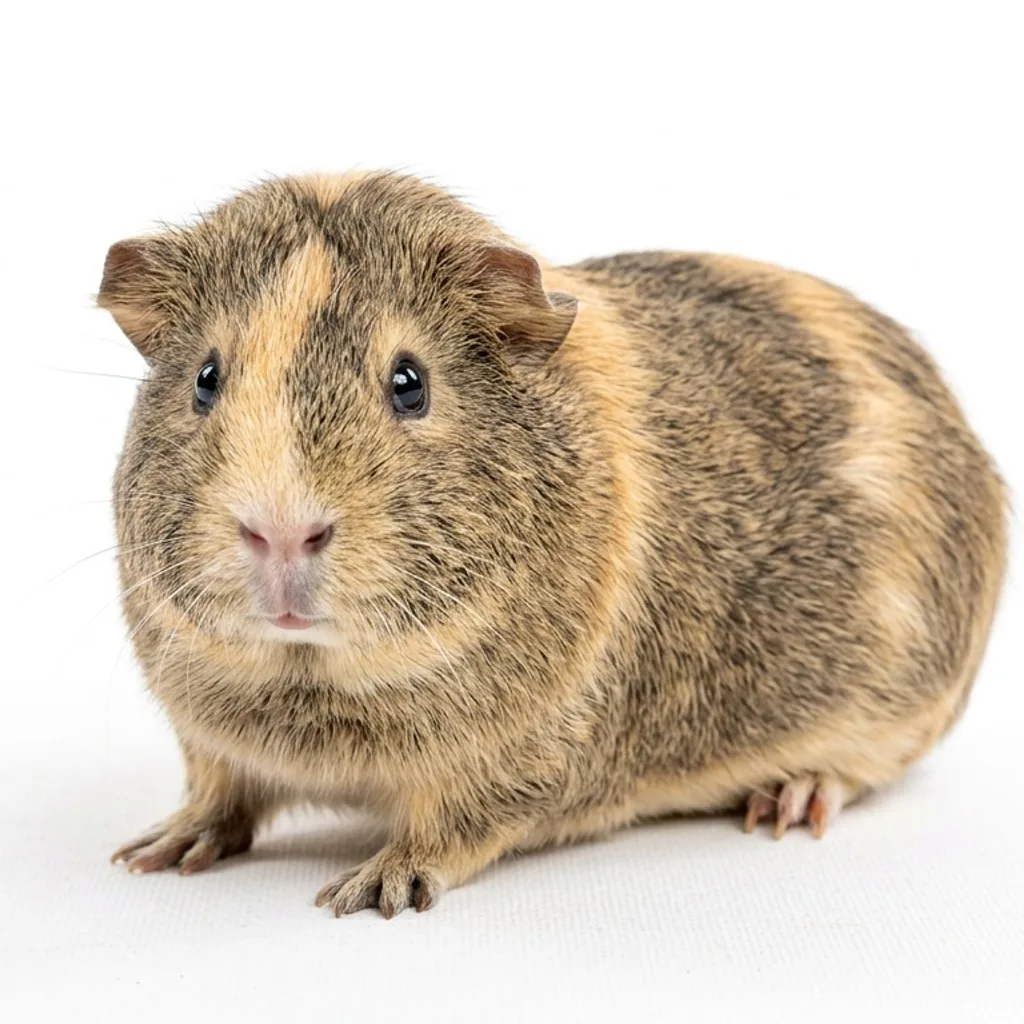
Abyssinian Guinea Pig
The Abyssinian is the rosetted guinea pig: at least eight whorls of coarse, short to medium fur set across the shoulders, back and hips, giving every animal its own tousled pattern in colours from black, white, cream and red through tortoiseshell-and-white and roan. Adults weigh around 700 to 1200 grams and live four to seven years. Abyssinians tend to be more outgoing and mischievous than smooth-coated guinea pigs, busy and talkative animals that wheek at feeding time, purr while being stroked, and popcorn about the cage in sudden joyful jumps. They are strongly social and should live with at least one other guinea pig. Daily needs are straightforward: unlimited hay, vitamin C-rich vegetables such as capsicum and parsley, a measured serving of pellets, spot-cleaning, and an hour of supervised floor time. The coat itself asks little beyond routine checks. A good match for a family wanting an interactive small pet with plenty of personality.
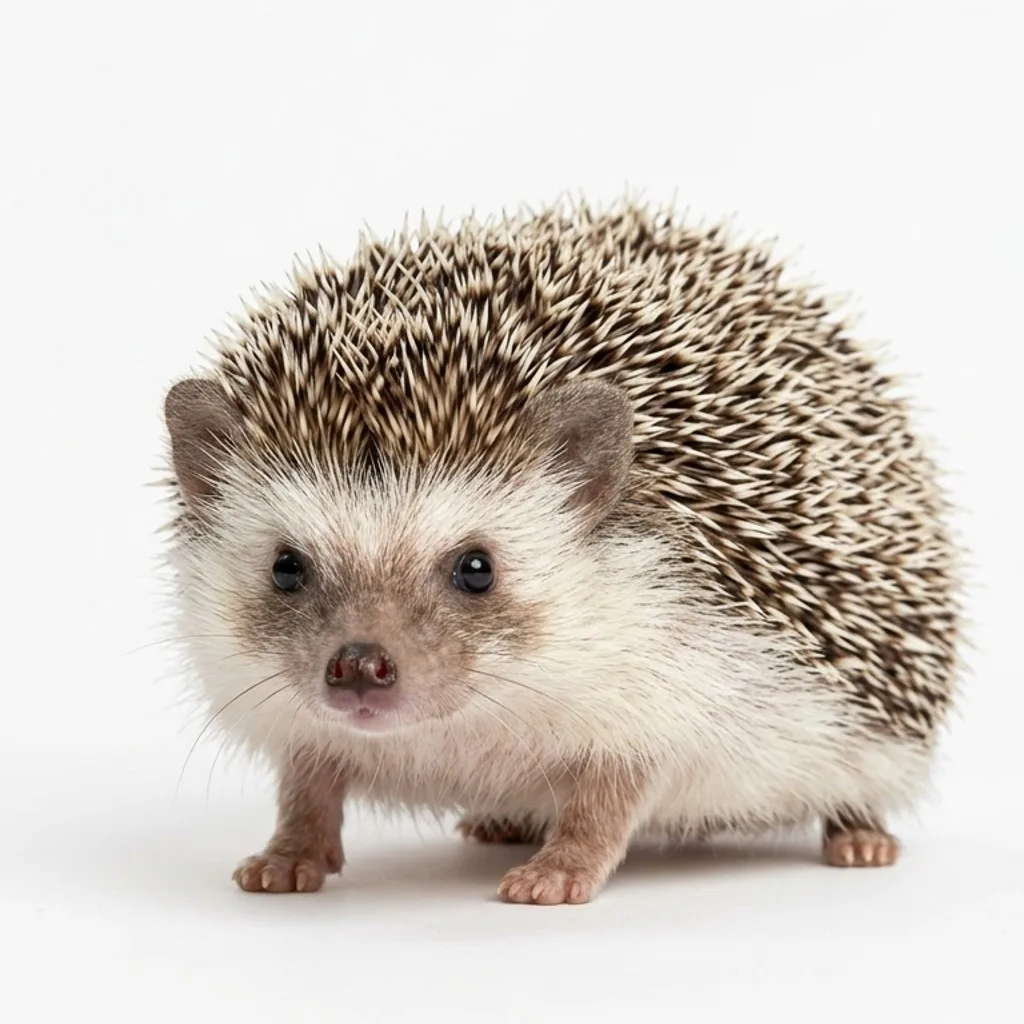
African Pygmy Hedgehog
The African Pygmy Hedgehog cannot legally be kept as a pet in New Zealand — there is no lawful import route (MPI allows only rabbits and guinea pigs from Australia and chinchillas from the UK), and DOC treats hedgehogs in NZ as an animal pest that preys on native lizards, invertebrates and ground-nesting birds. This page explains the species and the NZ legal reality; it is not a care guide for keeping one here. Typical lifespan overseas is 3-6 years.
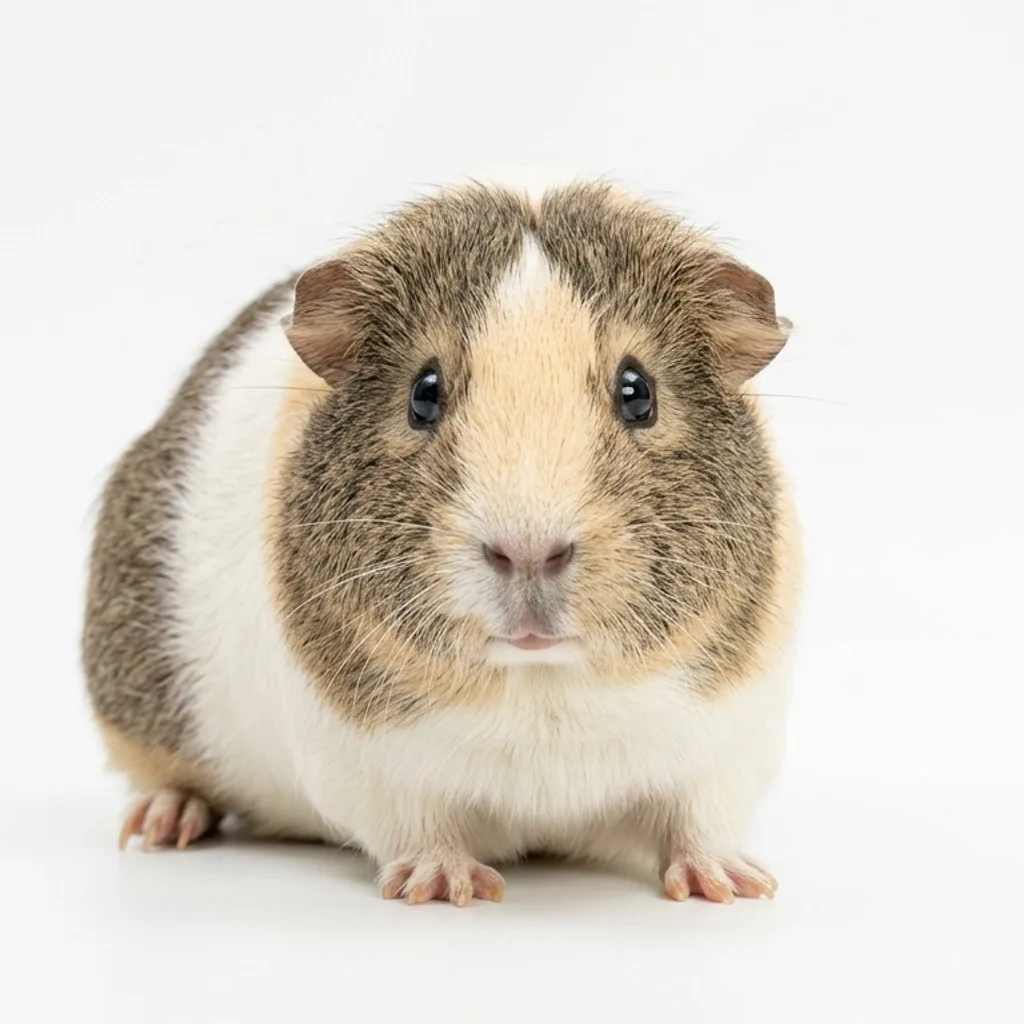
American Guinea Pig
The American is the short-coated cavy, the classic guinea pig: a dense, smooth coat lying flat against a stout, compact body of about 700 g to 1.2 kg and 20 to 25 cm, with short legs and no visible tail. Colours range from solid black, white, cream and red through agouti, roan and brindle, and lifespan is typically 4 to 7 years. Temperament is docile and friendly. These are sociable animals that live best in pairs or small groups, communicating by wheeking, purring and rumbling, and often shy at first until patient handling builds trust. Grooming stays minimal thanks to the short coat, so daily work is diet and hygiene: unlimited hay, fresh vegetables rich in vitamin C such as leafy greens and broccoli, a measured portion of fortified pellets, spot-cleaning, and 30 to 60 minutes of supervised floor time. Nails need trimming monthly. A sound match for first-time small-pet homes and for families with gentle, well-coached children.
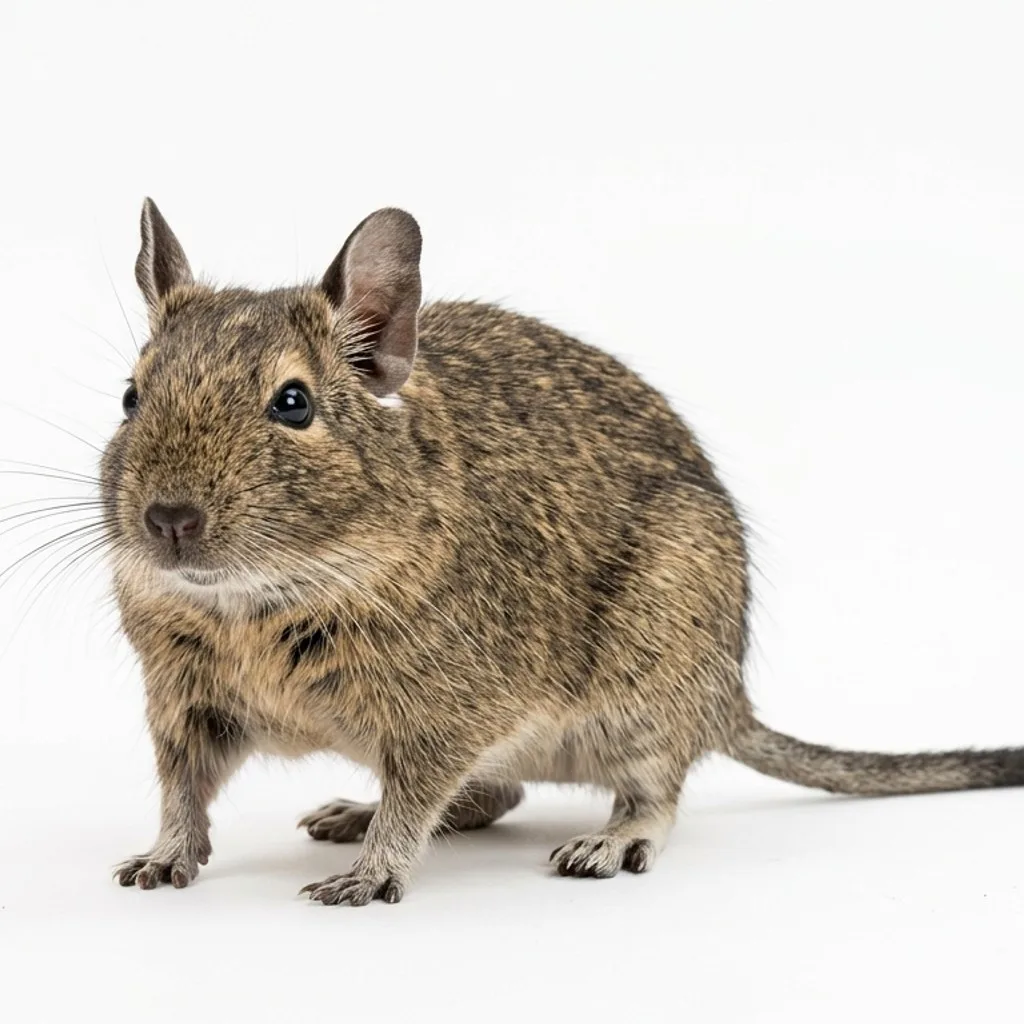
Degu
Degus are a social, diurnal Chilean rodent kept widely overseas — but there is no import health standard covering them from any country, so they cannot be legally brought into New Zealand and are not sold here. Treat what you read about degus from NZ as background: the small social rodents actually available locally are guinea pigs and rabbits. Where degus are kept, the two defining risks are diet-related diabetes and continuously growing teeth.