NZ Vet Costs 2026: Real Published Prices ($39–$270 Consult)
What NZ vet clinics actually publish: $39–$86 daytime consult, $180 after-hours, $270 emergency — plus desexing, vaccination and microchipping, each price sourced.
Vet fees in New Zealand are unregulated — every practice sets its own prices, and most of them do not publish a price list at all. That is the honest starting point, and it is why almost every "average NZ vet cost" figure you will find online (including one we used to publish on this page) traces back to somebody's estimate rather than to a clinic's own published fee.
So this guide does the opposite. Everything in the tables below is quoted from a New Zealand clinic's own published price page, with the clinic named and the date we last checked it. Where no NZ clinic publishes a price — imaging, dental work and blood tests, in particular — we say so plainly and tell you what to ask for instead, rather than inventing a range.
What NZ clinics actually publish
Standard consultation (daytime):
| Clinic | Published fee |
|---|---|
| Great South Vets, Papatoetoe (Auckland) | $39.00 |
| Vets at 77, Papakura (Auckland) | $70 (8am–8pm); revisit $50 |
| Henderson Valley Vet, Henderson (Auckland) | $69.50 |
| Vetcall, Linwood (Christchurch) | $86.00 |
After hours, overnight and emergency — this is where the number changes shape:
| Service | Published fee | Provider |
|---|---|---|
| After-hours consult (8pm–8am) | $180 | Vets at 77, Papakura |
| Emergency consultation | $270 | Animal Emergency at VSA (Sylvia Park & Henderson, 24-hour) |
| Public holiday consultation | $310, plus a 15% surcharge on all additional charges | Animal Emergency at VSA |
| Nurse consultation | $75 | Animal Emergency at VSA |
| Overnight nursing-level care | $630 | Animal Emergency at VSA |
| Euthanasia consultation | $270 | Animal Emergency at VSA |
The same pet, the same problem, seen at 3pm or at 3am, is the single biggest swing in this entire guide: $70 versus $180 at one Papakura clinic, and $270 to walk through the door at a dedicated 24-hour emergency centre. If your pet's problem can safely wait until morning, waiting until morning is the largest saving available to you. If it cannot — collapse, difficulty breathing, a suspected poisoning, a bloated hard abdomen, a cat straining in the litter tray and producing nothing — go now and treat the fee as the cost of the animal surviving the night.
Note what the emergency fee does and does not buy. Every one of those figures is the consultation only. Animal Emergency's own pricing page states that diagnostic imaging, medication, blood tests, procedures, surgery and hospitalisation are all charged on top. A pet admitted overnight after an emergency assessment has already accrued the consult, the overnight care fee, and everything done in between.
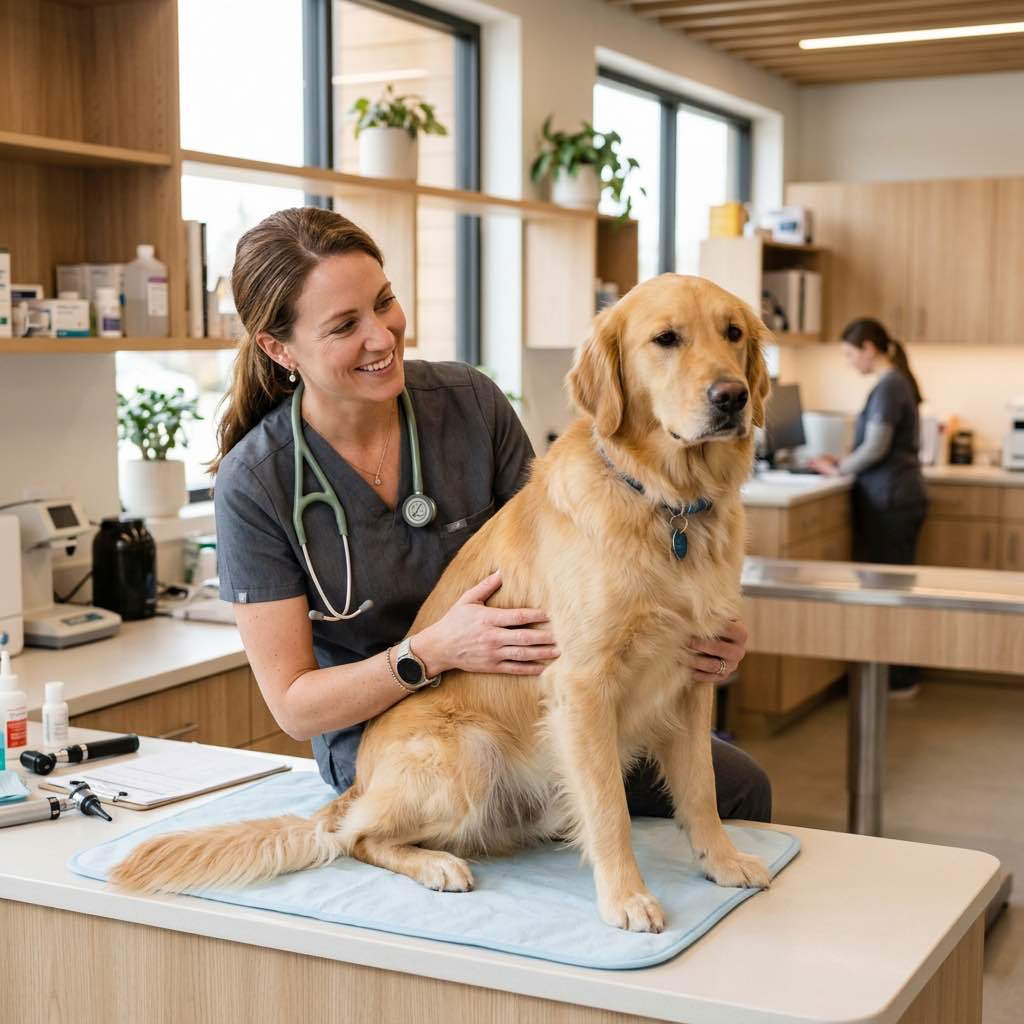
Why one consult costs $39 and another costs $270
- Time of day is the biggest single factor. Standard fees apply during ordinary business hours. Evenings, overnight, weekends and public holidays carry a surcharge that can be several times the daytime fee, because the clinic is paying penalty rates and keeping critical-care equipment and staff on standby.
- What is bundled differs between clinics. Some practices include the physical exam, pain relief and post-operative checks in a procedure price; others itemise each one. A cheaper headline number is not automatically a cheaper bill, which is exactly why we show each clinic's own wording rather than an average.
- Overheads differ by suburb. Rent, wages and rates are higher in central Auckland and Wellington than in a provincial town, and that flows through to fees. But it is not a clean rule — the cheapest published consult in our table and one of the most expensive after-hours fees are both in Auckland.
- Clinic type. A general practice, a practice with in-house digital radiography and an ultrasound machine, and a referral hospital with board-certified specialists are three different cost structures. Specialist and emergency centres charge more because of what they can do at 2am.
- Complexity of the visit. The base consult covers a standard appointment. A long or complicated case, an anxious animal that needs extra handling, or a minor procedure done during the appointment all add to the total.
Vaccination
| Clinic | Published price |
|---|---|
| Great South Vets (Auckland) | $39.00 per dog vaccine (DHPPi, Lepto or Kennel Cough); cat $39 |
| Vets at 77 (Auckland) | From $70 each, dogs and cats |
| Henderson Valley Vet (Auckland) | Dog from $107.90, cat from $90.80 — includes health check |
| Vetcall (Christchurch) | Dog $99.80–$126.00, cat $91.00–$99.00 — includes full health check |
| Kamo Veterinary (Whangārei) | Dog $109.01 first/annual, booster $79.01 (+Lepto $24.41, +Kennel Cough $31.23); cat $92.80 first/annual, booster $62.80 — health check included |
Read those with the inclusions in mind. A $39 vaccine with no health check and a $107.90 vaccine that includes a full examination are not the same purchase, and the gap narrows once you add a consult to the first one.
A puppy or kitten needs a primary course of several visits rather than one, so budget for the course, not a single line item. Which non-core vaccines your animal needs — kennel cough, leptospirosis, feline leukaemia — depends on where it lives and what it does, and that is a conversation with your own vet.
Desexing
Cats:
| Clinic | Published price |
|---|---|
| Great South Vets (Auckland) | Spay $79.00 · neuter $59.00 |
| Vets at 77 (Auckland) | Female from $500 · male from $150 |
| Henderson Valley Vet (Auckland) | Spay $180.00 · neuter $90.00 |
| Vetcall (Christchurch) | Spay $241.50 · neuter $157.50 — includes pre-op check, pain relief, post-op care |
| Kamo Veterinary (Whangārei) | Spey $256 · castrate $120 |
Dogs — nearly always priced by weight:
| Clinic | Published price |
|---|---|
| Great South Vets (Auckland) | Spay from $189.00 · neuter from $169.00 |
| Vets at 77 (Auckland) | Female from $500 · male from $300 |
| Henderson Valley Vet (Auckland) | Spay $500.00 · neuter $300.00 |
| Vetcall (Christchurch) | Spay $462.00 (under 10kg) – $609.00 (over 45kg) · neuter $303.90 – $425.50 by weight |
| Kamo Veterinary (Whangārei) | Spey $399 – $640 by weight · castrate $320 – $380 by weight |
If cost is the barrier, the subsidised route is real and worth checking first. SPCA's Snip 'n' Chip campaigns offer cat desexing plus microchipping for $30 in targeted postcodes while vouchers last, and the Massey–SPCA clinic in Palmerston North desexes cats from $20 with a free microchip. Eligibility is by area and campaign, so check the current list rather than assuming — our guide to low-cost vet care in NZ sets out every active scheme, who qualifies and what you pay.
Desexing is also one of the few places where spending early demonstrably reduces later spending: the Merck Veterinary Manual reports that cats spayed before six months of age have a 91% lower risk of mammary tumours (86% if spayed before twelve months), with no measurable benefit after about two years of age.
Microchipping
| Clinic | Published price |
|---|---|
| Great South Vets (Auckland) | $25.00 implant + $25.00 NZCAR registration |
| Vets at 77 (Auckland) | $70 including NZCAR registration |
| Vetcall (Christchurch) | $47.30 implant + $35.70 NZCAR registration |
| Kamo Veterinary (Whangārei) | $105, or $65 alongside another procedure, including NZCAR registration |
For a dog this is a budget item rather than an option: the Department of Internal Affairs states that every dog registered in New Zealand for the first time must be microchipped, with working farm dogs — those kept solely or principally for herding or driving stock — the main exemption. It is a once-only requirement even though registration is annual, and DIA's own guidance says it should cost less than $100. Two things to check on a quote: whether the price includes the NZCAR database registration (several clinics charge it separately), and remember you still need to give your council the microchip certificate, or take the dog in to be scanned, so it reaches the National Dog Database.
The procedures nobody publishes: x-rays, ultrasound, dental and blood tests
This is the honest gap, and it is worth being blunt about it. We checked the published price pages of the New Zealand clinics that publish fees at all. Not one of them lists a price for radiography, ultrasound, dental work or blood tests. Vetcall's price list says dental "pricing varies" and invites you in for a free check and estimate. Great South Vets advertises dental savings without a figure. Rangiora Vet Centre explains at length what goes into a dental cost and then tells you to enquire in clinic. Animal Emergency lists imaging and bloods as "additional charges" with no amount.
There is a reason for that, and it is not evasiveness. A dental is priced after the animal is anaesthetised and the mouth is charted, because nobody knows how many extractions are needed until then. An x-ray bill depends on how many views are taken and whether sedation is required. An ultrasound depends on who is holding the probe.
So treat any single national figure for these — including ones you will find confidently quoted on other sites — as somebody's guess. What to do instead:
- Ask for a written estimate before the procedure, with a range and a "what if it's worse than expected" figure. Clinics do this routinely and expect to be asked.
- Ask exactly what is included — anaesthesia, monitoring, pain relief, take-home medication and the post-op recheck are the items most often quoted separately.
- For dentals, ask how the clinic grades dental disease and what changes the price, then ask to be phoned before any extraction beyond the estimate.
- Ask whether the clinic can do it in-house or has to refer, because a referral adds a specialist consult on top.
- Ring two or three clinics. Fees for the same service genuinely differ by more than most owners expect, and asking is free.
Keeping vet costs manageable
- Do not skip the annual examination to save the consult fee. The Merck Veterinary Manual recommends a wellness examination at least once a year for dogs and cats, and more often for older animals or those with chronic disease. That fee is a recurring, plannable cost, and it exists to catch the expensive things while they are still cheap.
- Use the subsidised desexing schemes if you qualify — the regional campaigns, eligibility rules and co-pays are listed in our low-cost vet care guide, along with what to do if you cannot afford treatment right now.
- Talk about money at the start of the appointment, not at the counter afterwards. Vets can often stage a work-up, starting with the test most likely to change the decision, if they know the budget.
- Decide about pet insurance before you need it, not after. Pre-existing conditions are excluded by every provider, so the value of a policy is decided by when you take it out. Whether it is worth it for your household depends on your ability to absorb a sudden four-figure bill — our pet insurance comparison walks through the trade-off.
- Know where your nearest after-hours clinic is, and what it charges, before you need it at midnight. Ringing ahead also lets them prepare for your arrival.
Related reading
- Vet Cost Checker NZ — real published clinic prices
- Pet Insurance NZ: Is It Worth It?
- Desexing Your Pet in NZ: Cost, Age, Benefits & What to Expect
- Cost of Owning a Dog in NZ · Cost of Owning a Cat in NZ
Sources
- Great South Vets (Papatoetoe, Auckland), *Prices* — published consultation $39.00, dog and cat vaccination $39.00, cat desexing $59.00–$79.00, dog desexing from $169.00–$189.00, microchip $25.00 implant + $25.00 NZCAR registration; no published figure for imaging, dental or blood tests, checked 2026-09-01: https://www.greatsouthvets.co.nz/prices.html
- Vets at 77 (Papakura, Auckland), *Price List* — standard consult $70 (8am–8pm), after-hours consult $180 (8pm–8am), revisit $50, vaccinations from $70, cat desexing from $150 (male) / $500 (female), dog desexing from $300 (male) / $500 (female), microchipping $70 including NZCAR registration, checked 2026-09-01: https://vets77.co.nz/price-list/
- Animal Emergency at VSA (Sylvia Park and Henderson, Auckland, 24-hour), *Pricing* — emergency consultation $270, nurse consultation $75, euthanasia consultation $270, public holiday consultation $310 with an additional 15% surcharge on all additional charges, overnight nursing-level care $630, with diagnostic imaging, medication, blood tests, procedures, surgery and hospitalisation charged additionally, checked 2026-09-01: https://animalemergency.co.nz/pricing/
- Vetcall Christchurch Vet & Animal Hospital (Linwood), *Price List* — consultation $86.00, dog vaccination $99.80–$126.00, cat vaccination $91.00–$99.00, cat spay $241.50 / castration $157.50, bitch spay $462.00–$609.00 by weight, dog castration $303.90–$425.50 by weight, microchipping $47.30 + $35.70 registration, and dental pricing listed only as "pricing varies", checked 2026-09-01: https://www.vetcall.co.nz/price-list/
- Kamo Veterinary (Whangārei), *Pricing* — dog vaccination $109.01 first/annual and $79.01 booster (+$24.41 Lepto, +$31.23 Kennel Cough), cat $92.80 first/annual and $62.80 booster, cat spey $256 / castrate $120, dog spey $399–$640 and castrate $320–$380 by weight, microchip $105 or $65 with another procedure, checked 2026-08-20: https://www.kamovets.co.nz/pets/pricing
- Henderson Valley Vet (Henderson, Auckland), *Services* — consultation $69.50, dog vaccination from $107.90 and cat from $90.80 including health check, cat spay $180.00 / neuter $90.00, dog spay $500.00 / neuter $300.00, checked 2026-08-20: https://www.hendersonvalleyvet.co.nz/services/
- SPCA New Zealand, *National Desexing Programme* — Snip 'n' Chip vouchers offer cat desexing plus microchipping for $30 in targeted areas while vouchers last, and the Massey–SPCA clinic in Palmerston North desexes cats from $20 with a free microchip, checked 2026-08-20: https://desexing.spca.nz/about
- Merck Veterinary Manual, *Preventative Health Care for Small Animals* — wellness examinations are recommended at least once a year for dogs and cats, and more frequently for older animals or those with chronic disease, checked 2026-07-22: https://www.merckvetmanual.com/management-and-nutrition/preventative-health-care-and-husbandry-in-small-animals/preventative-health-care-for-small-animals
- Merck Veterinary Manual, *Mammary Tumors in Cats* — cats spayed before 6 months have a 91% lower risk of mammary tumours (86% if before 12 months), with no benefit after about 2 years of age, checked 2026-07-22: https://www.merckvetmanual.com/reproductive-system/mammary-tumors-in-cats/mammary-tumors-in-cats
- New Zealand Department of Internal Affairs, *Dog Control — Microchipping Questions and Answers* — every dog registered for the first time must be microchipped, working farm dogs (kept solely or principally for herding or driving stock) excepted; microchipping is a once-only requirement, the certificate or a scan must be supplied to the council for the National Dog Database, and it "should cost less than $100", checked 2026-09-01: https://www.dia.govt.nz/Dog-Control---Microchipping-Questions-and-Answers
- Rangiora Vet Centre, *Dental: Cost* — explains what drives a dental price and directs owners to enquire in clinic rather than publishing a figure, checked 2026-09-01: https://www.rangioravetcentre.co.nz/dental-cost
*Every price above is quoted from that clinic's own published price page on the date shown. New Zealand vet fees are unregulated, each practice sets its own, and most practices do not publish at all — so treat these as verifiable anchor points for budgeting, not as quotes or as a national average. Always ask your own clinic for a written estimate before treatment.*