Bringing a Cat or Dog to New Zealand: MPI Import Rules & 2026 Changes
Importing a cat or dog into NZ is strictly controlled by MPI's Import Health Standard. Here's how the process works, the 2026 IHS change, and what you must check on MPI.
The quick answer: bringing a cat or dog into New Zealand is strictly controlled by Biosecurity New Zealand (MPI) under an official Import Health Standard (IHS). What's required depends heavily on the country you're importing from, and the rules are detailed and change over time — so the single most important step is to follow the current MPI IHS for your country of export. This guide explains how the process works and flags the 2026 change, but it is general information only: always confirm the current requirements directly with MPI before making any plans.
Important: This is general information, not import advice, and is current as of 2026. Pet import rules are technical and change. Eligible countries, tests, treatments, timeframes and paperwork are set by MPI's Import Health Standard — you must use the current MPI standard for your situation. Getting it wrong can mean your pet is refused entry or held in quarantine.
You can't just fly a pet in
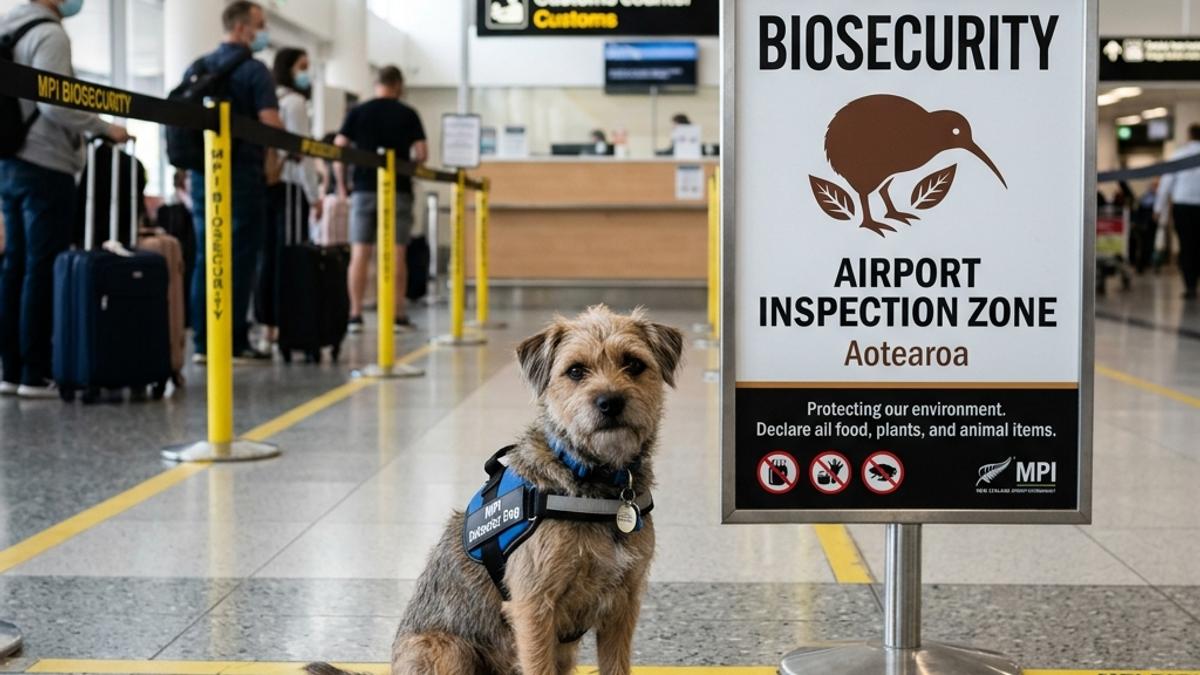
New Zealand is rabies-free and has strict biosecurity (governed by the Biosecurity Act 1993). Cats and dogs can only be imported from countries that MPI recognises, and only when every step of the IHS is met. Some countries are not eligible at all; from others the process is long and involved. Start by checking your country's status on MPI.
How the process generally works
The exact steps depend on your country of export, but importing a cat or dog typically involves a combination of:
- Microchipping for identification.
- Rabies requirements (vaccination and/or blood testing) for pets coming from countries that are not recognised as rabies-free.
- Other disease tests and treatments (for example for certain parasites and bacterial diseases) within set timeframes before travel.
- Pre-export veterinary checks and certification.
- A valid permit to import issued by MPI.
- Booking arrival and, for many pets, a period in an approved quarantine facility in NZ.
Do not rely on remembered figures for any of this — the specific tests, treatments, timing windows and which countries qualify are all set out in the IHS and must be read from MPI directly for your country.
The 2026 change (new Cats and Dogs IHS)
MPI has updated the Import Health Standard for cats and dogs. Key points:
- The new IHS takes effect on 1 July 2026.
- There is a transition period: the previous (2021) standard may continue to be used until 1 April 2027, so during the transition either the old or new requirements can be used.
- The updates adjust some disease testing and pre-export requirements (for example around *Brucella canis* and *Babesia*, and adding veterinary checks before rabies testing) and tighten transit rules (removing the previous allowance to transit through non-categorised countries).
If you're planning an import around this period, check carefully which version of the standard applies to you, and confirm the detail on MPI — don't assume.
What to do (practical steps)
1. Go to MPI first. Search "MPI importing cats and dogs" and read the current IHS for your country of export. 2. Check your country's eligibility before booking anything. 3. Work backwards from the timeframes — some tests and treatments must happen months ahead, so plan early. 4. Use a reputable pet-export/import agent if it's complex; many people do. 5. Confirm quarantine requirements and book an approved facility if needed. 6. Keep every certificate and record exactly as the IHS specifies.
Settling your pet once they arrive
Once your pet has cleared the process and is home, the usual NZ settling-in applies — see our guides on a new dog's first 30 days or a new kitten checklist, and budget for ongoing care with the cost of owning a dog or cost of owning a cat in NZ.
Quick takeaways
- Importing a cat or dog to NZ is controlled by MPI's Import Health Standard — rules depend on your country of export.
- A new Cats and Dogs IHS takes effect 1 July 2026, with the 2021 standard usable until 1 April 2027.
- Typical steps: microchip, rabies requirements, disease tests/treatments, vet certification, import permit, and often quarantine.
- Specifics change and vary by country — always read the current MPI IHS; don't rely on summaries.
- Plan early (some steps take months) and consider a licensed import agent.
Shop related categories at PetMall
Getting set up for your pet's arrival in New Zealand? Browse the PetMall range for beds, bowls and essentials with nationwide delivery.
Related reading
- New Dog Owner: First 30 Days NZ
- New Kitten Checklist NZ
- Cost of Owning a Dog NZ
- Cost of Owning a Cat NZ
References
- MPI — Changes to the Import Health Standard for importing cats and dogs (new IHS from 1 July 2026; transition to 1 April 2027), checked 2026-06-07: https://www.mpi.govt.nz/consultations/proposed-changes-to-the-import-health-standard-for-importing-cats-and-dogs
Important notice
*General information for people considering bringing a pet to NZ, current as of 2026 — not official import advice. Requirements are set by MPI's Import Health Standard, vary by country of export, and change. Always confirm the current rules with MPI before acting.*
Free PetMall tools
Related guides
petmall.co.nz
Shop at PetMall
The products below are practical support items for your pet. PetMall ships across New Zealand.
- Dog FoodStart with food that matches your dog's life stage and activity level — and change brands slowly over 7–10 days.
- Dog TreatsTraining rewards and everyday treats — small, soft pieces work best for consistent reinforcement.
- Dog ToysA small rotation of chew, fetch, and puzzle toys usually works better than buying a large variety at once.
- Dog GroomingA gentle brush and the right shampoo make maintenance easier — especially for dogs that get muddy on walks.
- Leads & HarnessesComfort matters: padded contact points and adjustable fit help reduce rubbing on longer walks or tramping weekends.
- Flea & Worm TreatmentFor NZ conditions, look for protection that fits your routine (monthly vs longer-lasting) and your dog's weight range.