Microchipping Your Pet in NZ: Everything You Need to Know
Microchipping your pet in New Zealand is a simple, effective, and often legally required procedure that provides permanent identification,...
Microchipping your pet in New Zealand is a simple, effective, and often legally required procedure that provides permanent identification, significantly increasing the chances of reunion if your beloved animal ever goes missing. This guide will walk you through the NZ legal requirements, typical costs, where to get it done, how the crucial NZ Companion Animal Register (NZCAR) works, and exactly what happens when a microchipped pet is found, ensuring you have all the information needed to protect your cherished companion.
Understanding Pet Microchipping: The Basics
A microchip is a tiny, rice-grain-sized transponder implanted just under your pet's skin, usually between the shoulder blades. It contains a unique, unalterable identification number that can be read by a scanner. Unlike collars and tags, which can be lost or removed, a microchip provides a permanent form of identification, linking your pet directly to your contact details stored on a national database. For New Zealand pet owners, understanding this foundational technology is the first step in appreciating its profound impact on pet safety and welfare.
What is a Microchip?
At its core, a pet microchip is a passive radio-frequency identification (RFID) device. This means it doesn't have an internal power source; it's activated by the electromagnetic field emitted by a microchip scanner. Once activated, it transmits its unique ID number, which the scanner then displays. This number is the key that unlocks your contact information from the New Zealand Companion Animal Register (NZCAR). The entire process is quick, non-invasive, and designed for longevity, with microchips typically lasting the lifetime of your pet without needing replacement or maintenance.
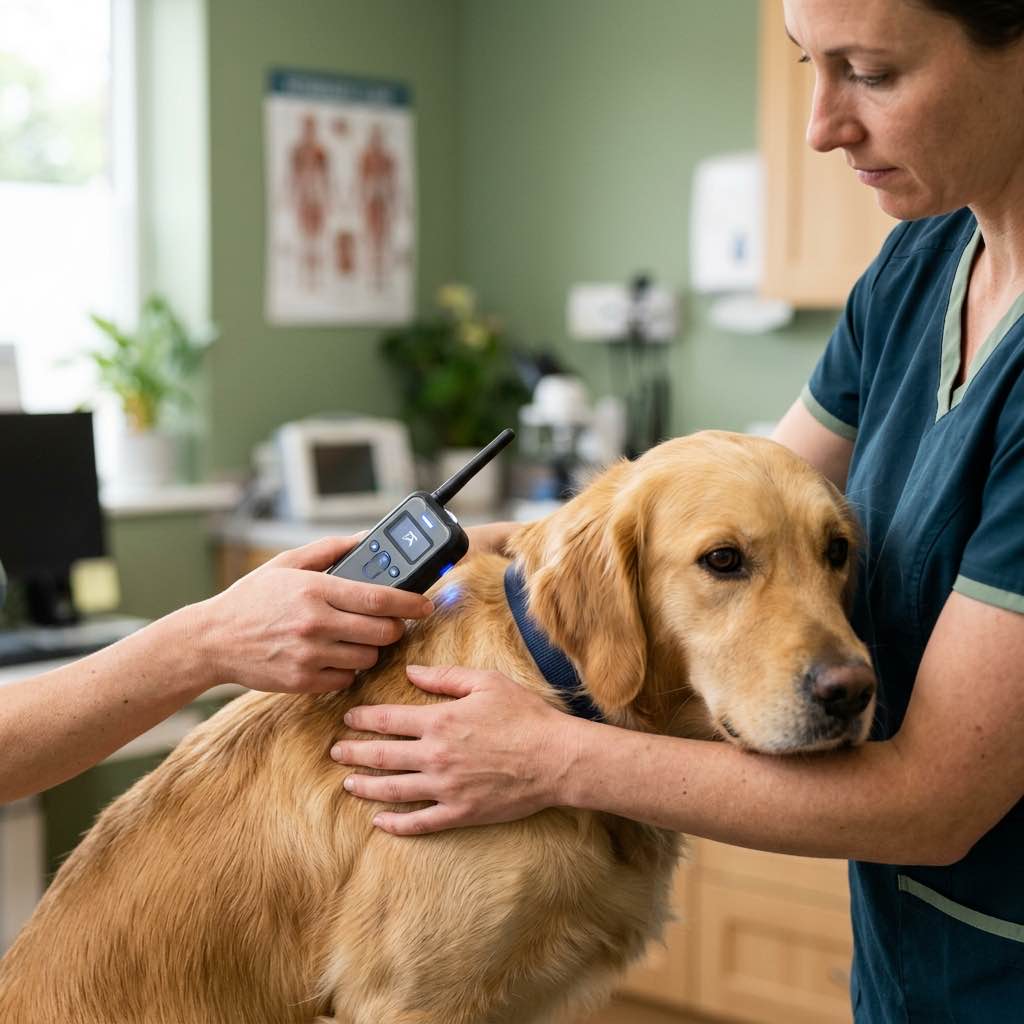
The microchips used in New Zealand generally conform to ISO (International Standards Organisation) standards, specifically ISO 11784 and ISO 11785, which dictate the code structure and transmission protocol. This standardisation ensures that virtually any universal microchip scanner, whether at a vet clinic, animal shelter, or council pound in New Zealand (and many parts of the world), can read your pet's unique 15-digit identification number. This global compatibility is a significant advantage, especially for pets travelling internationally, though specific export requirements will always need to be checked with Biosecurity New Zealand (MPI). The chip itself is encapsulated in a biocompatible glass or polymer, meaning it’s inert and designed to safely remain under the skin without causing adverse reactions.
Why is Microchipping Important for NZ Pets?
Beyond legal compliance, microchipping offers unparalleled peace of mind for New Zealand pet owners. It acts as a permanent safety net, ensuring that even if your pet's collar or tag comes off, they still carry an identifier that can bring them home.
- Reunion Success: Statistics consistently show that microchipped pets are far more likely to be reunited with their owners than those without a chip. When lost pets are found by councils, vets, or animal shelters, the first step is always to scan for a microchip. Without a chip, a lost pet is often designated as a "stray," which can lead to longer stays in shelters, increased stress, and, in unfortunate circumstances, euthanasia if an owner cannot be found within statutory timeframes.
- Legal Compliance: For dogs, microchipping is a mandatory legal requirement in New Zealand, with strict penalties for non-compliance. This legal mandate underscores the government's commitment to responsible dog ownership and animal welfare. While not mandatory for cats, it is strongly recommended due to the high number of lost felines and the significant welfare benefits.
- Proof of Ownership: A microchip linked to your details on NZCAR serves as irrefutable proof of ownership. This can be crucial in disputes over ownership, cases of theft, or even when travelling with your pet, providing official documentation of your pet's identity and your guardianship.
- Disaster Preparedness: In the event of natural disasters, like earthquakes, floods, or bushfires, pets can become separated from their families amidst chaos. Microchips facilitate reunions even under challenging circumstances, allowing emergency services and animal welfare organisations to quickly identify and return displaced animals to their owners once safety is established.
- Responsible Pet Ownership: Microchipping is a cornerstone of responsible pet ownership, demonstrating a commitment to your pet's safety and welfare throughout their life. It's a proactive step that significantly reduces the burden on animal shelters and councils, allowing them to focus resources on truly abandoned or neglected animals. It also helps prevent the tragic outcome of a beloved pet being rehomed or euthanised simply because their owner could not be identified.
- Facilitates Pet Travel: While not the sole requirement, a microchip is a fundamental prerequisite for pets travelling internationally from New Zealand. It provides a standardised, tamper-proof identification necessary for health certificates and import/export permits, streamlining the complex process of bringing your pet with you overseas.
The Law in New Zealand: Who Needs to Be Chipped?
New Zealand has specific legal requirements regarding pet microchipping, primarily focusing on dogs. While not all animals are legally required to be microchipped, the benefits extend to almost any companion animal.
Dogs: The Mandatory Requirement
Under the Dog Control Act 1996, all dogs registered in New Zealand for the first time, or dogs that have been impounded, must be microchipped. This requirement came into effect on 1 July 2006, marking a significant step forward in responsible dog management and welfare across the country.
- Puppies: All puppies must be microchipped and registered with their local council by three months of age, or within two months of their first registration if they are older than three months. This ensures early identification and accountability from a young age. Breeders are typically responsible for ensuring puppies are microchipped before sale or transfer of ownership.
- Transferred Dogs: If you acquire a dog that is already registered and microchipped, you must update the ownership details with both your local council and the NZCAR. This is a critical step to ensure that if your new pet ever gets lost, they can be traced back to you, not the previous owner. Failure to update details can lead to significant delays and complications in reuniting you with your dog.
- Working Dogs Exception (narrower than most people think): The microchipping exemption in section 36A of the Dog Control Act 1996 is only for a farm dog used *solely or principally for herding or driving stock* — that is, the dog must fall under paragraph (b)(ii) of the "working dog" definition in section 2, be registered as a working dog under section 46(1), and wear the collar, label or disc required by section 34(4)(b). It does not extend to police dogs, customs, DOC, corrections or aviation security dogs, search and rescue dogs, private security or property-guard dogs, or guide dogs and other disability assist dogs — all of those must still be microchipped. Even for genuinely exempt stock dogs, many farmers microchip voluntarily, recognising that a working dog can still be lost, stolen or injured on the job.
- Penalties for Non-Compliance: Failure to microchip a dog that is legally required to be chipped can result in significant fines from your local council. Councils regularly check for microchip compliance during registration renewals and when impounding dogs. Fines can range from hundreds of dollars, and the dog may be impounded until the microchipping requirement is met, incurring additional impoundment and daily care fees. Repeated non-compliance can lead to further penalties and potentially even the seizure of the animal.
Cats: Strong Recommendation, Growing Trends
Currently, there is no nationwide legal requirement to microchip cats in New Zealand. However, microchipping cats is overwhelmingly recommended by veterinary professionals, animal welfare organisations, and local councils. The benefits for cats are just as significant as for dogs:
- High Lost Cat Rates: Cats are notorious for wandering and getting lost, often travelling further than expected, especially young, curious cats or those new to an area. A microchip drastically improves the chances of a lost cat being identified and returned home, preventing them from becoming another statistic in animal shelters.
- "Stray" Identification: Many cats found by the public or brought into shelters are assumed to be strays because they lack visible identification like collars (which cats often lose or remove). A microchip quickly proves they have an owner, saving them from the stress of shelter life and potential rehoming or euthanasia. Without a microchip, an unidentified cat has a significantly lower chance of reunion, often leading to them being put up for adoption or, if unwell or unsuited for rehoming, euthanised after a statutory holding period.
- Responsible Ownership: Microchipping your cat demonstrates a commitment to their safety and welfare, aligning with the principles of responsible pet ownership promoted by organisations like SPCA NZ. It’s a simple, lifelong measure to protect your feline companion.
- Emerging Local Bylaws: While not national, some local councils or housing developments are beginning to implement their own bylaws or tenancy agreements that require cats to be microchipped. For example, some new residential developments or rental properties may include clauses in their agreements requiring all resident cats to be microchipped. It’s always wise to check with your local council for any specific regional rules or consult your tenancy agreement if you rent, as these trends are becoming more common in areas focused on responsible pet management.
Other Animals: Considerations for Exotic Pets, Livestock, etc.
While microchipping is primarily discussed for dogs and cats, the technology can be applied to a wide range of animals. The decision to microchip these animals is usually driven by their value, specific identification needs, or the owner's desire for an extra layer of security.
- Rabbits and Guinea Pigs: These popular small pets can easily escape from enclosures or be stolen. Microchipping offers excellent protection, providing a permanent ID that collars cannot. It's particularly useful for valuable purebred animals or those kept in multi-pet households.
- Birds: Larger parrots, such as cockatoos or macaws, or birds that spend time outdoors, can also be microchipped. The procedure might vary depending on the species and size, often involving implantation in the pectoral muscle. This is especially beneficial for highly valued or rare birds, or those with unique training that makes them prone to flying off.
- Horses: Equine microchipping is common, especially for competition horses, valuable breeding stock, or those needing clear identification for breed registries, insurance purposes, or to comply with specific event regulations. The chip is typically implanted in the nuchal ligament on the left side of the neck.
- Exotic Pets: For reptiles (like large tortoises or snakes), ferrets, or other exotic animals that are highly valued, have specific care requirements, or are subject to CITES (Convention on International Trade in Endangered Species) regulations, microchipping can provide vital identification. This can be crucial for proving ownership, especially if the animal is stolen or requires specialised veterinary care.
- Livestock: While less common for general farm animals, microchipping can be used for individual identification of high-value livestock, such as breeding sheep, goats, or alpacas, particularly for stud books or disease tracing purposes.
For any animal not covered by specific legislation, the decision to microchip is usually based on owner preference and the advice of a veterinarian. The primary driver remains the same: permanent, unalterable identification for safety and peace of mind, ensuring that if your
Sources
- Dog Control Act 1996, s 36A — Microchip transponder must be implanted in certain dogs (requirement in force from 1 July 2006; working-dog exemption), checked 2026-07-20: https://www.legislation.govt.nz/act/public/1996/0013/latest/DLM375153.html
- Dog Control Act 1996, s 69A — Impounded dog must be microchipped and registered before release, checked 2026-07-20: https://www.legislation.govt.nz/act/public/1996/0013/latest/DLM375446.html
- Companion Animals New Zealand, Animal Register — the NZCAR national microchip database (approved users incl. vet clinics, SPCA and rescues), checked 2026-07-20: https://www.companionanimals.nz/animal-register