What Reptiles Can You Own in NZ? The Full Legal List (2026)
Which reptiles can you legally keep in NZ, which are off the table, and which you'll struggle to actually find here — plus MPI rules and native-lizard permits.
Nau mai, haere mai to the ultimate guide for prospective reptile owners in Aotearoa New Zealand. Our unique island nation boasts an incredibly fragile ecosystem, leading to some of the strictest biosecurity laws in the world. This means that while reptiles can be fascinating companions, the legal landscape for owning them here is vastly different from many other countries. This guide, updated for 2026, will walk you through everything you need to know to ensure you're a responsible, legal, and well-informed reptile enthusiast.
The Overarching Principle: Biosecurity and MPI
New Zealand's isolation has resulted in a unique flora and fauna, much of which is found nowhere else on Earth. This makes our native species incredibly vulnerable to introduced pests and diseases. The Ministry for Primary Industries (MPI) is the government agency at the forefront of protecting New Zealand from biosecurity threats. Their role is paramount in determining what animals can enter the country, what can be bred, and what is strictly prohibited.
When it comes to reptiles, MPI's stance is clear: any non-native species poses a potential threat. An escaped reptile could establish a wild population, predate on native birds, insects, or lizards, or introduce diseases that our native wildlife has no immunity to. This is why the rules are so stringent, and why understanding and adhering to them is not just about avoiding penalties, but about protecting our precious natural heritage. Every decision about reptile ownership in NZ starts and ends with biosecurity.
Snakes in New Zealand: Absolutely Prohibited
Let's get this out of the way upfront: snakes are completely and utterly prohibited in New Zealand. There are no exceptions for pet ownership, not even for non-venomous species or small snakes. This ban is absolute and strictly enforced by MPI. The exact statutory wording, and the legal reptiles you can keep instead, are set out in Are snakes legal in NZ?.
Why the hardline stance? Snakes are highly adaptable predators. If even a single snake were to establish itself in the wild, it could decimate populations of our flightless birds, native lizards, and insects, which have evolved without the threat of ground predators like snakes. The potential ecological damage would be catastrophic and irreversible. Imagine a future where our iconic kiwi, tuatara, or native geckos were threatened by an introduced snake population – it's a nightmare scenario MPI is determined to prevent.
Possessing a snake in New Zealand, even unknowingly, carries severe penalties. If you encounter a snake, whether alive or dead, or suspect someone is keeping one, it is crucial to immediately report it to MPI's exotic pest and disease hotline. Do not attempt to handle it yourself. This is not just a recommendation; it's a critical biosecurity measure to protect our country. There is no such thing as a "legal pet snake" in NZ, and any claims to the contrary are false and dangerous.
Legal Lizards: What You Can Own (and Why)
While snakes are out, certain non-native lizard species *are* legal to keep as pets in New Zealand. These species have been assessed by MPI and deemed to pose a manageable biosecurity risk, primarily because they are less likely to establish wild populations in our climate, or their impact would be less severe than that of a snake. Crucially, any legal pet lizard in NZ must have originated from an existing, legally established captive breeding population within the country. Importing new reptiles is incredibly difficult and generally restricted to zoos or approved research facilities, not private individuals.
Here are some of the most common and legally available non-native pet lizards in NZ:
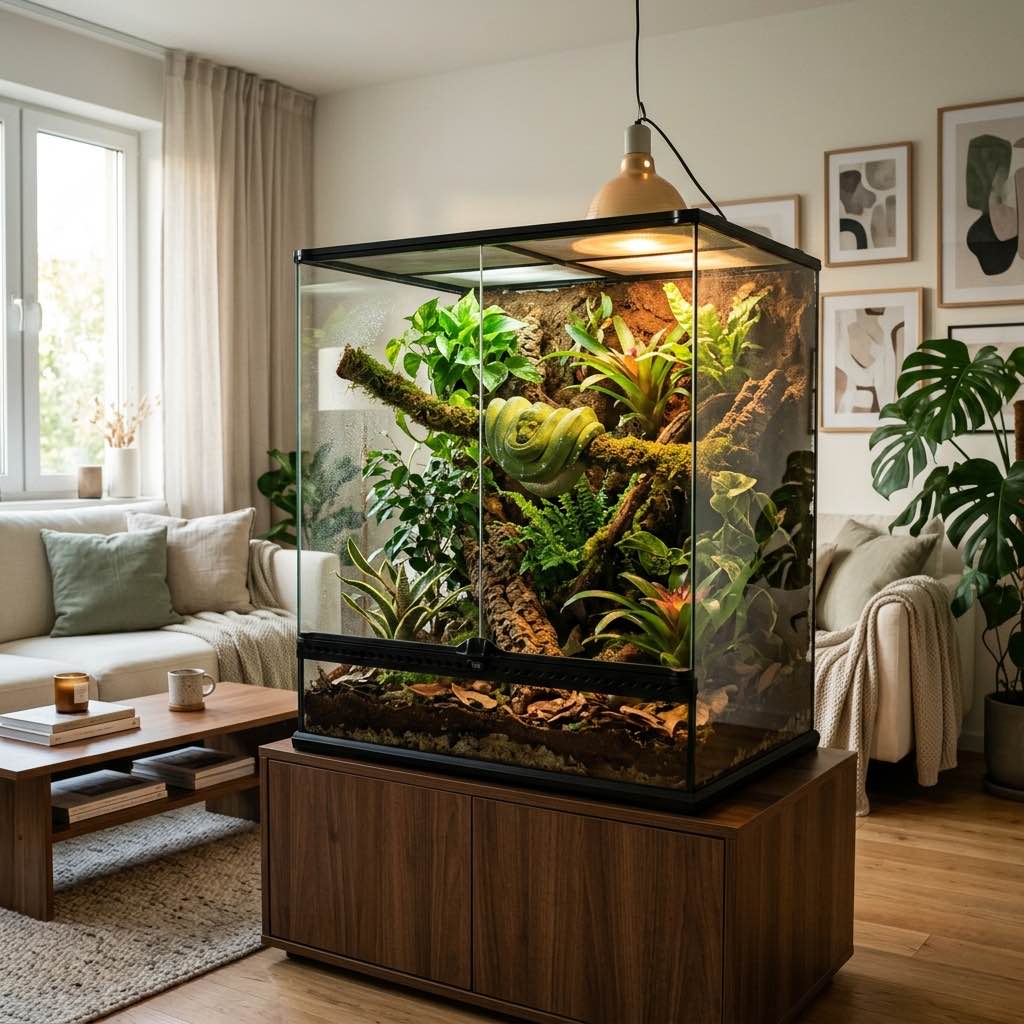
- Leopard Geckos (_Eublepharis macularius_): These small, nocturnal lizards are incredibly popular due to their docile nature, relatively simple care requirements, and charming personalities. They come in a vast array of colours and patterns. They are a fantastic entry-level reptile for many enthusiasts. You can learn more about their specific care needs on our leopard gecko care profile.
- Bearded Dragons (_Pogona vitticeps_): Hailing from Australia, Bearded Dragons are larger, diurnal lizards known for their inquisitive nature and ability to form bonds with their owners. They require more space and specific UV lighting but are highly rewarding pets. Find detailed care information on our bearded dragon care profile.
- Blue-tongued Skinks (_Tiliqua scincoides_): Another Australian native, these robust skinks are characterised by their striking blue tongues, which they flash as a warning. They are generally placid and long-lived, making them excellent companions for experienced reptile keepers. We do not yet have a dedicated blue-tongued skink profile — check the general reptile husbandry advice below in the meantime.
- Crested Geckos (_Correlophus ciliatus_) — often asked about, but not actually available in NZ: they are absent from the New Zealand Herpetological Society's list of exotic reptiles kept here, reptiles cannot be imported as pets, and we could find no NZ breeder or retailer offering them. Treat any local "crested gecko for sale" listing with extreme caution. See our crested gecko page for the legal detail.
When considering any of these species, remember that while they are legal, responsible ownership is paramount. This includes providing appropriate housing, diet, temperature gradients, and veterinary care. Never release a pet lizard into the wild, even if you think it might survive – it's illegal and could have unforeseen ecological consequences.
Native Lizards: A Special Case (Permits and Protection)
New Zealand is home to a unique array of native lizards, including numerous species of geckos and skinks. Unlike the non-native species discussed above, all native New Zealand reptiles are absolutely protected under the Wildlife Act 1953. This means it is illegal to capture, harm, harass, or possess any native gecko or skink without a specific permit from the Department of Conservation (DOC).
The rules differ for geckos and skinks. **Private individuals *can* legally hold certain native geckos (around 20 species, such as the elegant, forest and Northland green gecko) under a General Authorisation from DOC — provided you are a New Zealand resident or citizen, aged 16 or over, have a fixed physical address, and apply as an individual (not a company or trust). Holders must submit an annual report to DOC, may only transfer lizards to or from other authorised holders or DOC, and must never sell them or release them into the wild. Native skinks are *not* covered** by the General Authorisation and cannot be kept as pets by the general public. *(As of 2026, DOC has temporarily closed new General Authorisation applications while it improves the process — they are expected to reopen later in 2026, with current authorisations valid until 31 October 2027. Always check the DOC website for the current status.)*
If you encounter a native gecko or skink in your garden or in the wild, admire it from a distance. If it appears injured or in danger, contact DOC for advice. Never attempt to take it home or care for it yourself. The illegal possession of native wildlife carries significant penalties, including substantial fines and imprisonment. This protection is vital for the survival of these unique and often threatened species, many of which are endemic to specific regions of New Zealand.
The Legal Framework: Understanding "Prohibited," "Restricted," and "Unrestricted"
To fully grasp reptile ownership in NZ, it's helpful to understand the legal classifications of animals under biosecurity and wildlife legislation:
- Prohibited Species: These are animals that are absolutely forbidden from being imported, possessed, or bred in New Zealand. Snakes fall squarely into this category. The ban is total, and there are no legal pathways for private ownership.
- Restricted Species: These are species that may be present in New Zealand but are subject to strict controls. This often applies to animals that require specific permits for breeding, movement, or ownership, or those that can only be kept by approved institutions (like zoos). While some animals fall into this category, the common pet lizards mentioned above (Leopard Geckos, Bearded Dragons, Blue-tongued Skinks) are generally considered *unrestricted* once they are legally within NZ from an approved breeding line. However, their *importation* is highly restricted.
- Unrestricted Species: These are species that are generally legal to own, breed, and move within New Zealand without specific individual permits, provided they originated from a legal source within the country. The common pet lizards listed earlier fall into this category. While they are unrestricted, owners still have a legal and ethical responsibility to provide appropriate care and prevent escapes.
It's crucial to remember that even for unrestricted species, the initial importation into New Zealand is tightly controlled by MPI. Almost all legal pet reptiles in NZ are offspring of animals that were imported decades ago under strict conditions, or were part of approved zoo transfers. Therefore, if you're looking to acquire a reptile, you must source it from a reputable, established breeder within New Zealand.
Becoming a Responsible Reptile Owner in NZ: Practical Steps
So, you've decided a legal lizard is for you. Kia kaha! Here's a rundown of the practical steps to ensure you're a top-notch, responsible owner:
- Thorough Research: Before you even think about buying, research your chosen species extensively. Understand their specific needs: enclosure size, temperature and humidity requirements, lighting (UVB is crucial for many), diet, lifespan, and potential health issues. A well-researched owner is a happy owner, and a healthy reptile is a happy reptile.
- Sourcing Legally: This is non-negotiable. You *must* acquire your reptile from a reputable, established breeder or a pet shop that explicitly states their animals come from legal NZ-bred stock. Never buy from unknown online sources, markets, or individuals who cannot provide proof of legal origin. Ask questions about the animal's lineage and health. The NZ Herpetological Society (NZHS) can be an excellent resource for finding reputable breeders.
- Appropriate Housing: Invest in the correct enclosure and equipment *before* bringing your reptile home. This includes a suitably sized vivarium, heating elements (heat lamps, heat mats), thermostats to regulate temperature, thermometers, hygrometers, appropriate substrate, hides, and climbing enrichment. Each species has unique requirements, so don't cut corners.
- Diet and Nutrition: Provide a species-appropriate diet. This might include live insects (crickets, mealworms, dubia roaches), specialised gecko diets, or fresh vegetables, dusted with calcium and vitamin supplements as needed. Proper nutrition is vital for preventing metabolic bone disease and other health issues.
- Veterinary Care: Find an exotic animal veterinarian *before* you need one. Not all vets are experienced with reptiles. Having an established relationship with a vet who understands reptile physiology is crucial for routine check-ups and in case of illness or injury. Your local pet shop or the NZ Herpetological Society might be able to recommend one.
- Biosecurity at Home: Prevent escapes at all costs. Ensure your enclosure is secure and escape-proof. If you handle your reptile, do so in a secure room. Wash your hands thoroughly before and after handling any reptile to prevent the spread of potential pathogens. Never release a pet into the wild.
- Ongoing Learning: Reptile care is an evolving field. Stay informed by joining online communities (NZ-specific ones are best), reading books, and attending workshops if available. The more you know, the better care you can provide.
Finding Your Reptile: NZ Breeders and Resources
As established, sourcing your reptile legally from within New Zealand is paramount. Here's where to look:
- NZ Herpetological Society (NZHS): This is arguably the best starting point for any aspiring or current reptile owner in New Zealand. The NZHS is a fantastic organisation dedicated to the study, conservation, and responsible keeping of reptiles and amphibians. They often have lists of reputable breeders, host events, and provide invaluable advice and support. Becoming a member is highly recommended for access to their network and expertise.
- Reputable Breeders: Many dedicated hobbyists in NZ specialise in breeding specific legal lizard species. These breeders often have extensive knowledge, prioritise the health and genetics of their animals, and can offer ongoing support. They are usually found through the NZHS, word-of-mouth, or via dedicated online forums (ensure these are NZ-based and adhere to legal guidelines).
- Specialised Pet Shops: Some pet shops in New Zealand specialise in reptiles and exotics. Ensure they are reputable, knowledgeable, and can confirm their animals are NZ-bred and legally sourced. Ask about their animal care practices and health guarantees.
- Online Communities/Forums: While useful for advice, exercise extreme caution when looking to acquire an animal through general online marketplaces. Always verify the seller's legitimacy and the legality of the animal. If it seems too good to be true, it probably is.
Remember, a responsible breeder or pet shop will be keen to ask you questions about your setup and experience, ensuring their animals go to good homes. This is a sign of a good seller.
Legal Alternatives to Reptile Ownership
If the specific requirements for reptiles in NZ seem a bit much, or if you're simply looking for a different kind of companion, New Zealand offers a wide array of other legal and rewarding pets:
- Birds: From the cheerful chatter of a /birds/breeds/budgerigar to the intelligent antics of a cockatiel, birds can be incredibly engaging pets. They offer unique personalities and can be very interactive.
- Small Mammals: Guinea pigs (/mammals/breeds/guinea-pig), rabbits, and rats are popular choices. They are often social, can be quite affectionate, and have distinct care needs that differ from reptiles.
- Fish: Setting up an aquarium can be a mesmerising and relaxing hobby. There's a vast world of freshwater and marine fish available, each with unique behaviours and aesthetic appeal. Check out our guide on /fish/care-guides/aquarium-setup.
- Invertebrates: For those fascinated by the less conventional, certain invertebrates like stick insects (native species are protected, but some non-native ones are legal) can make intriguing pets with their own unique care requirements.
Each of these alternatives comes with its own set of responsibilities and joys, and all are subject to New Zealand's animal welfare laws.
Common Misconceptions and Legal Pitfalls
It's easy to fall into traps if you're not fully aware of NZ's unique legal landscape. Here are some common misconceptions and pitfalls to avoid:
- "It's just a small snake, no one will know.": This is incredibly dangerous thinking. MPI has sophisticated surveillance and public reporting systems. The consequences of illegal snake possession are severe, both legally and environmentally. It's simply not worth the risk.
- "I'll just import one from overseas.": Private importation of reptiles into NZ is virtually impossible. The biosecurity hurdles are immense, costly, and generally only granted for highly specific, approved purposes (e.g., zoos with quarantine facilities). Do not attempt this.
- "I saw it for sale online, so it must be legal.": Not necessarily. The internet is full of misinformation and illegal offerings. Always verify the legality and source of any animal before purchase. If a deal seems too good to be true, it probably is.
- "I found a gecko, I'll keep it.": You cannot take a gecko from the wild — all native lizards are protected under the Wildlife Act 1953, and removing one from its habitat is illegal. Keeping native geckos is lawful only for captive-bred animals held under a DOC General Authorisation (see above) — never wild-caught ones. Report any found native wildlife to DOC.
Ignorance of the law is no defence. As a pet owner in New Zealand, you have a responsibility to understand and abide by all relevant legislation.
The Future of Reptile Ownership in NZ
The landscape of pet ownership in New Zealand is constantly reviewed, with biosecurity remaining the top priority. While it's unlikely that the ban on snakes will ever be lifted, there may be ongoing discussions about other non-native species. Any changes would involve rigorous risk assessments by MPI and extensive public consultation. For now, the focus remains on responsible care for the legal species already established within New Zealand and unwavering vigilance against biosecurity threats.
Quick Summary
- Snakes are 100% prohibited in New Zealand due to severe biosecurity risks. Possession carries heavy penalties.
- Legal pet lizards in NZ are non-native species like Leopard Geckos, Bearded Dragons, Blue-tongued Skinks, and Australian Water Dragons.
- All native NZ geckos and skinks are protected under the Wildlife Act 1953. Native skinks cannot be kept as pets by the public, but certain native geckos may be held by individuals under a DOC General Authorisation (captive-bred stock, with conditions — see above).
- Source your reptile only from reputable, NZ-based breeders or pet shops to ensure legality and health.
- MPI (Ministry for Primary Industries) is the key government agency enforcing biosecurity laws for animals.
- The NZ Herpetological Society (NZHS) is an excellent resource for information, breeders, and community support.
- Responsible ownership includes thorough research, appropriate housing, diet, and veterinary care.
- Never release a pet reptile into the wild; it's illegal and ecologically damaging.
- Consider legal alternatives like birds, small mammals, fish, or invertebrates if reptile ownership isn't for you.
Disclaimer: The information provided in this guide is for general informational purposes only and is accurate as of 2026. Laws and regulations can change. Always verify the latest requirements and specific details with the Ministry for Primary Industries (MPI), the Department of Conservation (DOC), or your local council before acquiring any animal.
Sources
- New Zealand Herpetological Society, *Exotic pets* — the list of exotic reptile species actually kept in New Zealand (crested geckos are absent from it), checked 2026-09-04: https://www.reptiles.org.nz/herpetofauna/exotic-pets
- Environmental Protection Authority (EPA), *Prohibited organisms in New Zealand* — "Snakes of any species" are listed as prohibited organisms, alongside any "venomous reptile, venomous amphibian, venomous fish, or venomous invertebrate"; prohibited organisms cannot be imported into New Zealand under any circumstances, checked 2026-07-22: https://www.epa.govt.nz/industry-areas/new-organisms/prohibited-organisms-in-new-zealand/
- Department of Conservation (DOC), *Holding lizards in captivity: Apply for permits* — a Wildlife Act Authorisation is required to hold protected native lizards; to qualify for a General Authorisation you must be a New Zealand resident or citizen, be 16 years or older, hold them at a valid physical address, and apply as an individual (not a company or trust). Holders must submit an annual return to DOC by the end of the first week of November, and may only transfer lizards to another authorised holder or to DOC, checked 2026-07-22: https://www.doc.govt.nz/get-involved/apply-for-permits/interacting-with-wildlife/holding-lizards-in-captivity/
*Biosecurity and wildlife rules change. Confirm current requirements with MPI, DOC or your local council before acquiring any reptile.*
Free PetMall tools
Related guides
petmall.co.nz
Shop at PetMall
The products below are practical support items for your pet. PetMall ships across New Zealand.
- Food & FeedingMatch diet to species — feeders, supplements, and the right calcium/D3 dusting keep NZ reptiles healthy.
- Heating & LightingUVB and a proper heat gradient are the foundation of reptile health — get this right before anything else.
- Reptile SuppliesSubstrate, hides, and enclosure gear — stable conditions are the foundation of reptile health in NZ.