Cost of Owning a Cat in NZ (2026): Full Budget Breakdown
How much does a cat cost in New Zealand? First-year costs $800–$2,500, ongoing $1,200–$3,000/yr. Food, vet, insurance, grooming — full NZ price guide.
Thinking of adding a purring companion to your Kiwi flat? Understanding the true financial commitment is crucial before you welcome a feline friend into your life. In 2026, the initial costs for bringing a cat home in New Zealand can range from NZD $300 to $1,000+, largely depending on whether you adopt or purchase. Beyond that, expect to budget NZD $800 to $2,000 annually for ongoing care, encompassing everything from quality food and essential vet visits to litter and unexpected health issues. This guide breaks down the expenses, ensuring you're fully prepared for the financial journey of cat ownership in Aotearoa.
Initial Setup Costs: Bringing Your New Cat Home
The first wave of expenses covers getting your cat settled and ensuring they're healthy and safe. These are typically one-off costs, but they're significant.
Adoption or Purchase Fees
- Adoption from SPCA NZ or Rescues: This is often the most cost-effective and ethical choice. Adoption fees typically range from NZD $150 - $250 for an adult cat and NZD $200 - $350 for a kitten. These fees are incredible value, as they almost always include desexing, microchipping, initial vaccinations, flea and worm treatment, and a vet check. SPCA NZ, for example, is a fantastic organisation doing vital work, and their adoption packages reflect a significant saving compared to arranging these services individually.
- Private Breeder/Pet Store: Purchasing a purebred kitten from a registered breeder can cost anywhere from NZD $800 to $2,500+, depending on the breed (e.g., a Maine Coon or Ragdoll might be at the higher end). These kittens usually come with initial vaccinations and a health check, but you'll likely still need to cover desexing and microchipping yourself.
Essential Veterinary Care (if not included in adoption)
- Desexing: A crucial procedure for your cat's health and to prevent unwanted litters. Costs vary by vet clinic and your cat's sex/size, typically NZD $150 - $300 for a female and NZD $100 - $250 for a male. Many vets offer kitten packages that include this.
- Microchipping: While not mandatory for all cats in NZ, it's highly recommended and required by many councils for registration. It's vital for reuniting lost pets. Expect to pay NZD $50 - $80 for the procedure and registration with a national database.
- Initial Vaccinations: Kittens require a course of vaccinations, followed by boosters. This typically costs NZD $80 - $120 per dose, with 2-3 doses needed initially. Adult cats require annual boosters, costing around NZD $70 - $100.
- First Vet Check-up: Even if your cat seems healthy, a thorough check-up is wise. A standard consultation fee is usually NZD $60 - $90.
Initial Supplies
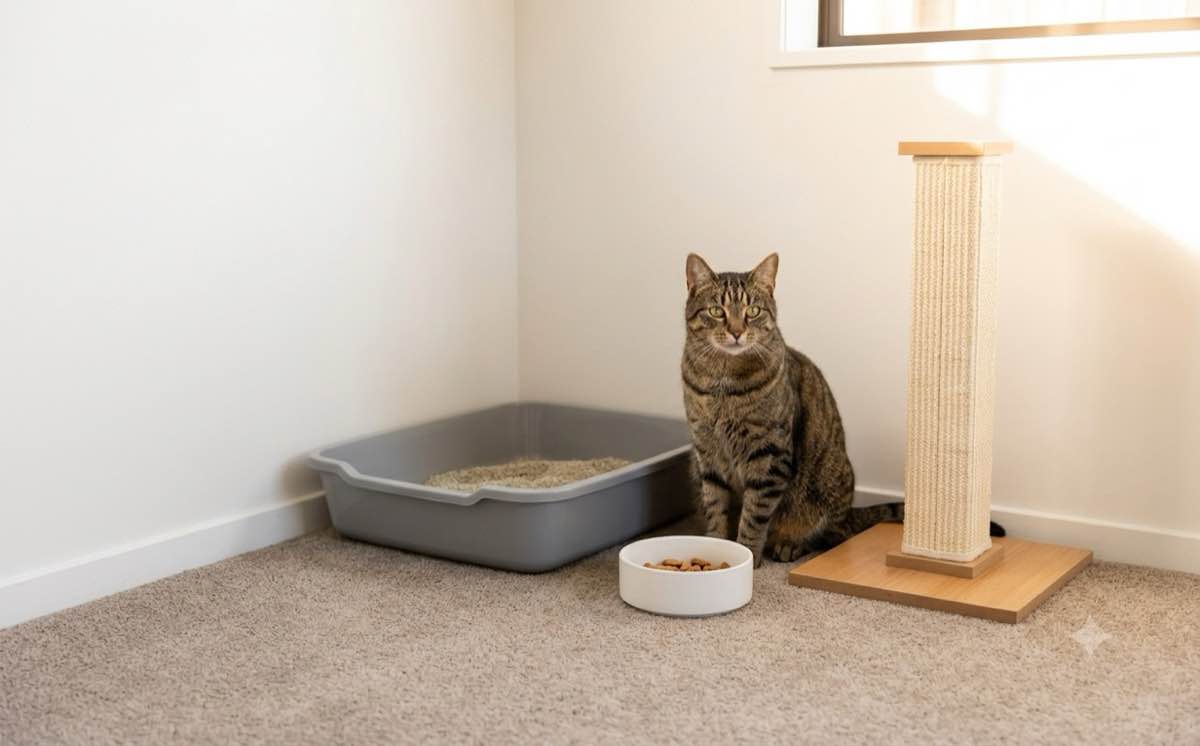
- Litter Tray & Scoop: NZD $20 - $60.
- Food Bowls: Stainless steel or ceramic are best. NZD $15 - $40.
- Bed: A comfy spot for your cat to sleep. NZD $30 - $100.
- Scratching Post/Tree: Essential for claw health and protecting your furniture. NZD $40 - $200+.
- Carrier: For safe transport to the vet or when moving. NZD $40 - $100.
- First Bag of Food & Litter: Varies greatly, but budget NZD $50 - $100 to get started.
- Toys: A few initial toys to keep them entertained. NZD $10 - $30.
Total Initial Costs (Estimated):
- Adoption Route: NZD $300 - $600 (includes adoption fee with vet work + initial supplies)
- Purchase Route: NZD $1,200 - $3,000+ (purchase fee + separate vet work + initial supplies)
Ongoing Annual Costs: The Day-to-Day of Cat Ownership
Once your cat is settled, the expenses shift to regular, recurring costs. These are the ones you'll budget for month-to-month or annually.
Food
This is often the largest ongoing expense. The quality, brand, and type (wet, dry, raw) significantly impact the cost.
- Dry Food: A good quality dry kibble can cost NZD $40 - $100 for a large bag (2-5kg) that lasts 1-2 months for one cat. Premium or veterinary-specific diets will be at the higher end.
- Wet Food: Cans or pouches can add up quickly. Budget NZD $30 - $80 per month, depending on how much wet food you feed and the brand.
- Specialised Diets: If your cat has allergies or specific health conditions, prescription diets can cost NZD $80 - $150+ per month.
Annual Food Cost Estimate: NZD $480 - $1,500+
Healthcare & Preventative Treatments
Regular preventative care is crucial for avoiding more expensive issues down the track.
- Annual Vet Check-up & Vaccinations: As mentioned, around NZD $70 - $100 annually for boosters and a health check. This is a non-negotiable part of responsible pet ownership, as recommended by the NZVA (New Zealand Veterinary Association).
- Flea & Worm Treatment: These are essential year-round in New Zealand's climate. Monthly flea treatments cost NZD $15 - $30, and quarterly worming treatments are NZD $10 - $25 per dose. You can often save by purchasing multi-packs or combined treatments.
- Dental Care: Dental disease is common in cats. Professional dental cleans under anaesthesia can cost NZD $400 - $800+, depending on the extent of work needed. Preventative measures like dental treats or brushing can help, but regular vet checks will identify issues.
- Unexpected Vet Bills: This is the big unknown. Accidents, sudden illnesses, or chronic conditions can lead to bills ranging from hundreds to thousands of dollars. A broken leg, for instance, could easily cost NZD $1,000 - $3,000+ for surgery and aftercare. This is where pet insurance or a dedicated emergency fund comes in.
Annual Preventative Healthcare Estimate: NZD $300 - $600 (excluding unexpected bills)
Litter
Another significant ongoing cost, varying by type and how often you change it.
- Clay Litter: Most common, NZD $15 - $30 for a large bag lasting 2-4 weeks.
- Silica Gel/Crystal Litter: More absorbent, less odour, but often pricier. NZD $25 - $40 for a bag lasting 3-5 weeks.
- Natural/Biodegradable Litters (e.g., wood pellets, corn): Environmentally friendly, prices similar to silica. NZD $20 - $40.
Annual Litter Cost Estimate: NZD $200 - $500
Grooming
Most cats are fastidious self-groomers, but some breeds or individuals need assistance.
- Brushes/Combs: A one-off purchase, NZD $15 - $50.
- Nail Clippers: NZD $10 - $30.
- Professional Grooming: Long-haired breeds like a Persian Cat might benefit from occasional professional grooming to prevent matting, costing NZD $60 - $120 per session. Most short-haired cats won't need this.
Annual Grooming Cost Estimate: NZD $0 - $250 (if professional grooming is needed)
Toys & Enrichment
Cats thrive on mental and physical stimulation. Toys wear out or get lost.
- Regular Toys: Budget NZD $5 - $20 monthly for replacement toys, puzzle feeders, or catnip refills.
- Larger Items: Occasional replacement of scratching posts or cat trees every few years.
Annual Toys & Enrichment Estimate: NZD $60 - $240
Council Registration
Many local councils in New Zealand require cats to be registered, especially if they are microchipped. While not universal like dog registration, it's becoming more common, particularly in urban areas. For example, Auckland Council encourages cat microchipping and registration, though it's not compulsory for all cats. Check your local council's bylaws. If required, annual fees are typically NZD $20 - $50.
Annual Council Registration Estimate: NZD $0 - $50
Pet Insurance or Emergency Fund
This is a critical consideration for managing unexpected vet costs. Pet insurance typically costs NZD $20 - $60 per month, depending on your cat's age, breed, and the level of cover. A good policy can cover a significant portion of accident and illness costs.
Alternatively, many Kiwis opt to set up a dedicated savings account for pet emergencies, aiming for a balance of at least NZD $2,000 - $5,000.
Annual Pet Insurance Estimate: NZD $240 - $720
Pet Sitting/Boarding
If you go away on holiday, you'll need to arrange care for your cat.
- Cattery: NZD $20 - $40 per day.
- Pet Sitter (visiting your home): NZD $25 - $50 per visit, often cheaper for multiple cats.
Annual Pet Sitting/Boarding Estimate: Highly variable, but budget NZD $200 - $500 for a couple of weeks away.
The Grand Total: Annual Cost Summary (2026)
Combining the ongoing costs, here's a realistic annual budget for owning a cat in NZ:
- Food: NZD $480 - $1,500+
- Preventative Healthcare (Vet Check, Vaccinations, Flea/Worm): NZD $300 - $600
- Litter: NZD $200 - $500
- Grooming (optional professional): NZD $0 - $250
- Toys & Enrichment: NZD $60 - $240
- Council Registration (if applicable): NZD $0 - $50
- Pet Insurance / Emergency Fund Contribution: NZD $240 - $720
- Pet Sitting/Boarding (if applicable): NZD $0 - $500
Total Estimated Annual Cost: NZD $1,280 - $4,360+
This range highlights the variability based on your choices (e.g., premium food vs. budget, insurance vs. savings, professional grooming vs. DIY). Remember, this doesn't include the initial setup costs, which are a separate, one-off investment.
Hidden & Unexpected Costs
Beyond the regular budget, be prepared for potential extras:
- Emergency Vet Care: As mentioned, this can be substantial. A cat ingesting something toxic or getting into a fight could lead to thousands in bills. Having that emergency fund or insurance is vital.
- Behavioural Issues: If your cat develops behavioural problems (e.g., inappropriate urination, aggression), you might need to consult a feline behaviourist, which can cost NZD $150 - $400 for consultations.
- Property Damage: Cats, especially playful kittens, can scratch furniture, carpets, or even wallpaper. While a good scratching post helps, accidents happen. Factor in potential repair or replacement costs.
- End-of-Life Care: Euthanasia, cremation, or burial services can cost NZD $150 - $500+ when the time comes.
What to Look For (Products & Services)
Choosing the right products and services can impact both your cat's well-being and your budget. Focus on quality and suitability.
Cat Food
Look for foods with real meat as the first ingredient, minimal fillers, and clearly labelled nutritional information. Brands recommended by your vet or those meeting AAFCO (Association of American Feed Control Officials) standards are generally a good bet. Consider your cat's age, activity level, and any specific health needs. Don't just go for the cheapest option; investing in quality food can prevent health issues down the line, saving you vet bills. Many NZ pet supply stores offer loyalty programmes or bulk discounts.
Flea and Worm Treatment
Always opt for veterinary-approved products. Over-the-counter options from supermarkets can sometimes be less effective or even harmful. Your vet can recommend the best broad-spectrum treatments for your cat and local parasite risks. Consider spot-on treatments, oral medications, or collars, depending on what suits your cat and lifestyle. MPI (Ministry for Primary Industries) provides guidelines on responsible animal care, which includes parasite control.
Grooming Tools
For brushes, choose one appropriate for your cat's coat length – a slicker brush for long-haired cats, a rubber curry brush for short-haired. Invest in sharp, good-quality nail clippers designed for cats. If you have a long-haired cat, consider a de-shedding tool like a Furminator. Regular grooming not only keeps your cat looking good but also helps you bond and allows you to check for any lumps, bumps, or parasites.
Pet Insurance
When comparing pet insurance policies, look beyond just the monthly premium. Check the annual benefit limits, excess amounts, and what conditions are excluded (e.g., pre-existing conditions). Some policies offer multi-pet discounts. Read the fine print carefully to understand what's covered for accidents, illnesses, and routine care.
Vet Clinics
Choose a vet clinic that is accredited by the NZVA, has good reviews, and where you feel comfortable. A good relationship with your vet is invaluable for your cat's long-term health. Don't be afraid to ask for estimates for procedures or discuss payment plans if unexpected costs arise.
Saving Money Without Compromising Care
Owning a cat doesn't have to break the bank, but smart choices are key.
- Adopt, Don't Shop: As highlighted, adopting from SPCA NZ or local rescues saves significantly on initial costs as desexing, microchipping, and initial vaccinations are often included.
- Preventative Care is King: Regular vet checks, vaccinations, and parasite control are far cheaper than treating advanced diseases or infestations. An ounce of prevention is worth a pound of cure, as the saying goes.
- Buy in Bulk: For non-perishable items like dry food and litter, buying larger quantities when on sale can lead to significant savings. Just ensure you have appropriate storage.
- DIY Grooming: For most cats, regular brushing and nail clipping at home are sufficient and free. Learn how to do it safely or ask your vet/groomer for tips.
- Homemade Toys: Cats often love simple things like cardboard boxes, scrunched-up paper, or a feather on a string. Get creative!
- Pet-Proof Your Home: Minimise the risk of accidents or property damage by securing breakables, covering electrical cords, and keeping toxic plants out of reach.
- Consider a Multi-Cat Household (Carefully): While initial costs double, some ongoing costs like litter and toys might not increase proportionally, and cats can provide companionship for each other. However, food and vet costs will certainly increase. Ensure you have enough space and resources for each cat.
- Emergency Fund: Instead of insurance, if you're disciplined, setting aside a regular amount into a dedicated savings account can cover emergencies without ongoing premiums.
Quick Summary
- Initial Costs: Budget NZD $300 - $1,000+ for adoption/purchase, desexing, microchipping, vaccinations, and initial supplies. Adopting from SPCA NZ offers excellent value.
- Annual Ongoing Costs: Expect to spend NZD $1,280 - $4,360+ per year on food, vet care, litter, and other essentials. Food and healthcare are the biggest recurring expenses.
- NZ Specifics: Factor in potential council registration fees (check local bylaws like Auckland Council's), year-round flea/worm treatment due to our climate, and the excellent resources provided by SPCA NZ, NZVA, and MPI.
- Budget for the Unexpected: Always have an emergency fund or pet insurance to cover unforeseen vet bills, which can easily run into thousands of dollars.
- Smart Choices Save Money: Prioritise preventative care, buy quality products, and consider DIY grooming and bulk purchases to manage costs effectively without compromising your cat's welfare.
Breed-by-breed price guides
Purchase prices swing widely by breed. These guides break down what a kitten of each breed actually costs from a registered New Zealand breeder, what drives the range, and what the ongoing bills look like:
Related reading
Sources
- SPCA New Zealand, Cat and Kitten Adoption Fees, checked 2026-07-20: https://www.spca.nz/adopt/why-we-charge-adoption-fees
- New Zealand Companion Animal Register (NZCAR), About microchipping — permanent ID; 900+ approved agents nationwide can scan the chip and contact the owner directly, checked 2026-07-28: https://www.animalregister.co.nz/about-microchipping
- New Zealand Veterinary Association (NZVA), Companion Animal Care Guidelines, checked 2026-07-20: https://nzva.org.nz/about-us/branches/cav
Free PetMall tools
Related guides
petmall.co.nz
Shop at PetMall
The products below are practical support items for your pet. PetMall ships across New Zealand.
- Cat FoodStart with food that matches your cat's life stage — change brands slowly over 7–10 days to avoid digestive upset.
- Cat LitterClumping or crystal, most cats prefer an unscented litter and a clean tray — one tray per cat plus one spare is the NZ rule of thumb.
- Cat TreatsGreat for bonding and training — keep treats under 10% of daily calories to protect your cat's waistline.
- Cat ToysA small rotation of toys (feather wand, puzzle feeder, and comfort toy) usually works better than buying many at once.
- Cat GroomingRegular brushing cuts hairballs and shedding — essential for long-haired breeds like Ragdolls and British Longhairs.
- Flea & Worm TreatmentFor NZ conditions, choose protection that fits your cat's weight and lifestyle (indoor vs outdoor) and keep it regular.