New Kitten Checklist NZ: Everything You Need (2026)
New Kitten Checklist NZ: Essential guide for new owners covering supplies, vet care, nutrition, training, and legal responsibilities for a happy,...
Bringing a new kitten into your home is an incredibly exciting time, full of purrs, playful pounces, and endless cuddles. To ensure a smooth transition and a happy, healthy start for your new furry family member, preparation is key. This comprehensive guide covers everything you need to know and acquire before your kitten arrives, from essential supplies and vet care to legal responsibilities and socialisation tips, all tailored for the unique Kiwi pet owner. We'll walk you through setting up a safe, welcoming environment, understanding their needs, and ensuring you're ready for every adorable challenge. Get ready to welcome your new companion with confidence and care.
Before Your Kitten Arrives: Setting Up for Success
The first step to welcoming a new kitten is preparing your home. This isn't just about buying cute accessories; it's about creating a safe, stimulating, and stress-free environment. Think of it as kitten-proofing your bach or flat, much like you would for a human baby.
Kitten-Proofing Your Home
Before your kitten sets a paw inside, take a walk through your home from a kitten's perspective. They are curious, agile, and can squeeze into the tightest spots.
- Secure Hazards: Remove or secure anything that could be dangerous. This includes toxic plants (lilies are highly toxic to cats!), small objects they could swallow (like rubber bands, string, or small toys), electrical cords (tie them up or use cord protectors), and open windows or balconies (install screens).
- Safe Spaces: Designate a quiet, secure room for your kitten's initial arrival. This 'base camp' should have their food, water, litter tray, bed, and toys. It allows them to acclimate gradually to their new surroundings without feeling overwhelmed by the entire house.
- Chemicals and Medications: Store all cleaning products, medications (human and pet), and other chemicals in secure, inaccessible cabinets.
- Bins: Ensure all rubbish bins have secure lids, as kittens love to explore and can get into trouble with food scraps or other discarded items.
Choosing a Veterinarian and First Vet Visit
Establishing a relationship with a trusted local vet is paramount. Don't wait until your kitten is sick; schedule a 'welcome' check-up within the first few days of their arrival.
- Research Local Vets: Ask friends, family, or local pet supply stores for recommendations. Look for a clinic that is conveniently located and has good reviews. The New Zealand Veterinary Association (NZVA) website can also be a good resource for finding accredited practices.
- First Check-up: This initial visit is crucial. Your vet will perform a thorough physical examination, check for parasites, discuss vaccination schedules, deworming, flea treatment, and microchipping. They'll also provide advice on nutrition, behaviour, and desexing. This is your chance to ask any questions you have.
- What to Look For (Vet Clinic): A friendly, knowledgeable team, clean facilities, clear communication regarding treatment options and costs, and emergency services or referrals. Some clinics offer 'kitten packages' which can bundle initial vaccinations, deworming, and desexing at a reduced cost.
Essential Supplies: Setting Up Your Kitten's World
Having the right gear ready will make your kitten feel secure and help them settle in quickly. Here’s a breakdown of the must-haves.
Food and Water
- Kitten-Specific Food: Kittens have unique nutritional needs for growth and development. Choose a high-quality, complete, and balanced kitten formula. Your breeder or rescue centre can advise on what they've been eating to ensure a smooth transition. Sudden dietary changes can cause an upset tummy.
- What to Look For (Kitten Food): Look for brands that list real meat as the first ingredient. Avoid foods with excessive fillers, artificial colours, or preservatives. Check the packaging for an AAFCO (Association of American Feed Control Officials) statement or equivalent, indicating it's nutritionally complete for kittens. Brands like Royal Canin Kitten, Hills Science Diet Kitten, or K9 Natural Freeze-Dried Kitten are popular and reputable in NZ. Prices can range from $15-$30 for a small bag of dry food to $30-$60 for a larger bag, and wet food pouches/cans typically cost $2-$5 each.
- Food and Water Bowls: Stainless steel, ceramic, or glass bowls are best as they are easy to clean and less likely to harbour bacteria than plastic. Place them in a quiet, accessible location away from the litter tray. A water fountain can encourage your kitten to drink more, which is great for kidney health.
Litter and Litter Tray
- Litter Tray: Opt for a tray with low sides initially to make it easy for your kitten to get in and out. As they grow, you can switch to a larger, higher-sided, or covered tray for privacy and to contain mess. Have at least one litter tray per cat, plus one extra, especially in a multi-cat household.
- Cat Litter: There's a wide variety of litter available, from clay-based to silica gel, wood pellets, and recycled paper.
- What to Look For (Cat Litter): Unscented, dust-free litter is generally preferred by kittens and cats. Clumping litter makes scooping easier, while non-clumping requires more frequent full changes. Experiment to see what your kitten prefers. Prices for a bag of litter can range from $10-$40 depending on type and size.
- Litter Scoop and Waste Bags: Essential for daily cleaning. Regular scooping keeps the tray hygienic and reduces odours.
Bedding and Comfort
- Kitten Bed: A soft, comfortable bed provides a secure place for your kitten to sleep and relax. Consider a 'donut' style bed or one with raised edges for a sense of security. Place it in a quiet, warm spot.
- Blankets/Towels: Old blankets or towels can also be used, especially if they carry the scent of their previous home, offering comfort during the transition.
Toys and Enrichment
Kittens are naturally playful and curious. Toys are vital for their physical and mental stimulation.
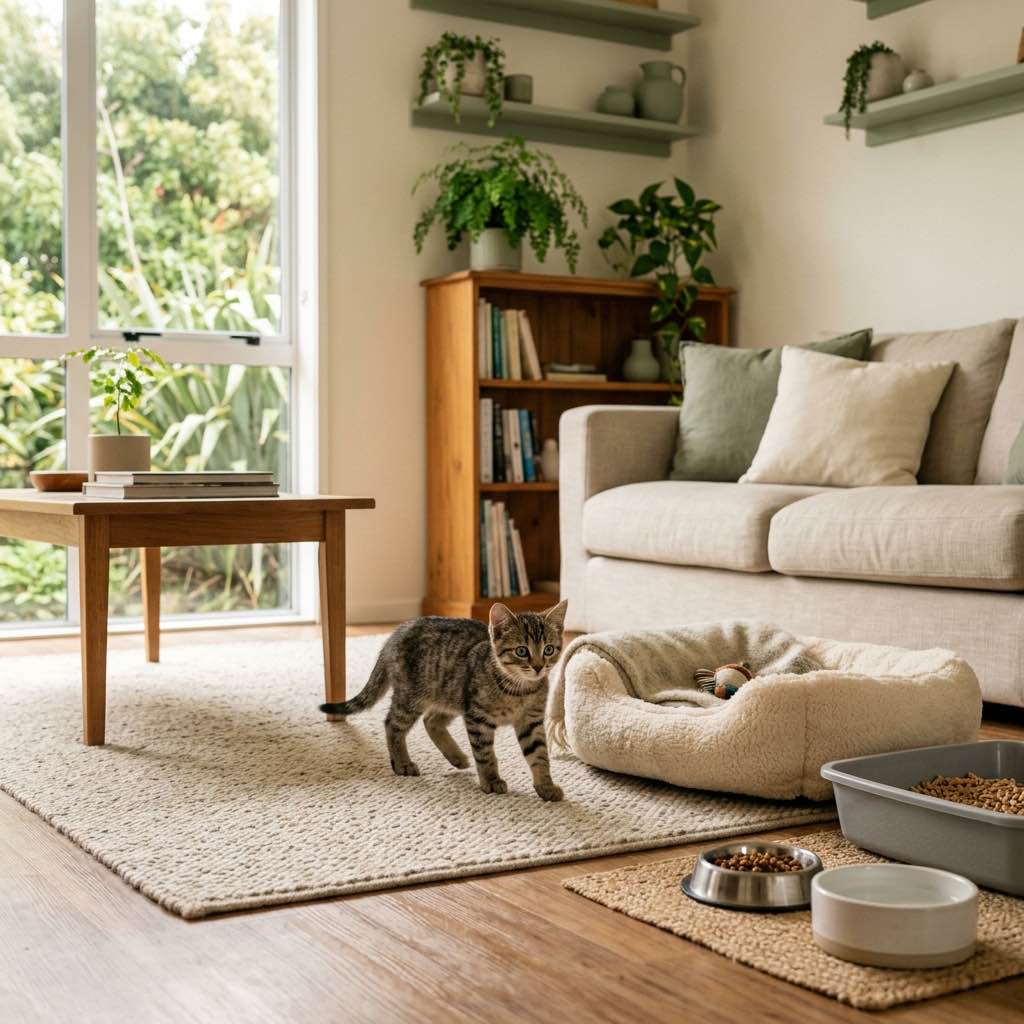
- Variety of Toys: Include a range of toys: crinkle balls, feather wands, interactive puzzle toys, and catnip toys (for kittens over 6 months).
- What to Look For (Kitten Toys): Ensure toys are safe, durable, and free from small parts that could be swallowed. Avoid string, yarn, or ribbon unsupervised, as these can cause serious internal blockages if ingested. Rotate toys to keep your kitten engaged.
- Scratching Post/Pad: Essential for healthy claw maintenance and to redirect scratching away from your furniture. Provide both vertical (post) and horizontal (pad) options. Look for sturdy posts covered in sisal rope or cardboard pads. A good quality scratching post can cost $30-$100+.
Grooming Tools
Even short-haired cats benefit from regular grooming.
- Soft Brush: A soft brush helps remove loose fur, prevents matting, and strengthens your bond.
- Nail Clippers: Start nail trims early to get your kitten accustomed to the process. Ask your vet or groomer for a demonstration.
- What to Look For (Grooming Tools): Choose tools appropriate for a kitten's size and delicate skin. A slicker brush or a rubber curry brush works well for most short-haired kittens, while a fine-toothed comb might be needed for longer coats. For more information on maintaining a healthy coat, you might find our guide on Cat Grooming Essentials helpful.
Carrier
A sturdy, secure cat carrier is essential for vet visits, travel, and emergencies.
- What to Look For (Carrier): Choose one that is well-ventilated, easy to clean, and large enough for your kitten to stand up and turn around comfortably. Top-loading carriers can make it easier to get a reluctant kitten inside. Prices range from $40-$100+.
Health and Wellness: A Lifetime of Care
Responsible pet ownership includes proactive health management. This section covers crucial aspects of your kitten's health journey.
Try the Cat Behaviour Decoder — understand your cat's behaviour cluesVaccinations
Kittens require a course of vaccinations to protect them from common and potentially fatal diseases like Feline Panleukopenia (cat distemper), Feline Herpesvirus, and Feline Calicivirus (cat flu). Your vet will advise on the specific schedule, usually starting around 6-8 weeks of age, followed by boosters. If your kitten will be an outdoor cat, a rabies vaccine might be discussed, though rabies is not present in NZ.
Worming and Flea Treatment
- Worming: Kittens are often born with worms or acquire them from their mother. Regular deworming is essential. Your vet will recommend a schedule, typically every two weeks until 12 weeks of age, then monthly until six months, and quarterly thereafter.
- Flea Treatment: Fleas are a common nuisance in NZ and can cause discomfort and skin issues. Start a preventative flea treatment as advised by your vet.
- What to Look For (Treatments): Always use vet-recommended products for worming and flea control. Over-the-counter products can sometimes be ineffective or even harmful. Ensure the product is specifically for kittens and the correct weight range. Brands like Advocate, Revolution, or Bravecto are commonly prescribed by NZ vets. A single dose of flea treatment can cost $20-$40.
Microchipping
Microchipping is a permanent form of identification and is legally required for all dogs in NZ, and highly recommended for cats. It greatly increases the chances of being reunited with your kitten if they ever get lost. Your vet can implant a tiny chip under their skin, which contains a unique identification number linked to your contact details. This typically costs around $50-$80.
Desexing
Desexing (spaying for females, neutering for males) is highly recommended for all non-breeding cats. It prevents unwanted litters, reduces the risk of certain cancers and behavioural issues (like spraying or roaming), and can contribute to a longer, healthier life. Many SPCA NZ branches and local councils offer subsidised desexing programmes. For example, Auckland Council often promotes desexing initiatives to manage stray cat populations. The cost of desexing can range from $150-$350 depending on the vet clinic and the sex of the cat.
Nutrition: Fueling Your Growing Kitten
Proper nutrition is fundamental for your kitten's development, energy, and overall health.
What to Feed and When
- Kitten-Specific Diet: As mentioned, always feed a high-quality kitten formula. These are specially formulated with higher protein, fat, and essential nutrients like taurine to support rapid growth.
- Feeding Schedule: Young kittens need frequent meals. Typically, kittens under 12 weeks should be fed 3-4 times a day. As they grow, you can reduce this to 2-3 times a day. Always follow the feeding guidelines on the food packaging and adjust based on your kitten's activity level and body condition.
- Wet vs. Dry Food: A combination of wet and dry food is often recommended. Wet food provides hydration and can be very palatable, while dry kibble helps keep teeth clean.
- Treats: Use treats sparingly and choose kitten-specific options. They should not make up more than 10% of your kitten's daily caloric intake.
What to Look For (Kitten Nutrition):
Prioritise complete and balanced formulas. Look for ingredients you recognise – real meat (chicken, fish, beef) should be at the top of the list. Avoid generic 'meat meal' or excessive grain fillers. Consider grain-free options if your vet recommends it, but it's not universally necessary. Always ensure fresh water is available 24/7. For a deeper dive into feline dietary needs, check out our Comprehensive Cat Nutrition Guide.
Training and Socialisation: Building Good Habits
Early training and socialisation are crucial for a well-adjusted and happy cat.
Litter Training
Most kittens are naturally inclined to use a litter tray.
- Placement: Place the litter tray in a quiet, accessible location.
- Introduction: Gently place your kitten in the tray after waking up, after meals, and if you notice them sniffing around or squatting.
- Positive Reinforcement: Praise and reward them when they use the tray correctly. Avoid punishment if accidents happen; simply clean up thoroughly and redirect them to the tray.
Handling and Socialisation
- Gentle Handling: Get your kitten used to being handled from a young age. Gently touch their paws, ears, and mouth. This makes future vet visits and grooming much easier.
- Positive Experiences: Expose your kitten to different sights, sounds, and smells in a controlled, positive way. This helps them become confident and less fearful.
- Introducing to Other Pets/People: If you have other pets, introduce them slowly and under supervision. For example, keep them separated initially, allowing them to smell each other under a door, then gradually introduce them for short, supervised periods. For tips on introducing a new kitten to an existing cat, our article on Introducing New Pets might be useful.
Playtime
Regular playtime is essential for physical exercise and mental stimulation. Use interactive toys like feather wands to mimic hunting behaviour. This helps bond with your kitten and prevents boredom, which can lead to destructive behaviours.
Safety and Environment: Keeping Your Kitten Safe
Beyond kitten-proofing, consider the broader environment your kitten will inhabit.
Indoor vs. Outdoor Debate
This is a significant consideration for Kiwi cat owners.
- Indoor Cats: Generally live longer, healthier lives as they are protected from traffic accidents, fights with other animals, parasites, and infectious diseases. They also don't pose a risk to native New Zealand wildlife.
- Outdoor Cats: Enjoy more freedom and natural behaviours, but face higher risks.
- Compromise: Many owners opt for a 'catio' (enclosed outdoor space) or supervised outdoor time on a harness and leash to offer the best of both worlds. If your cat will be outdoors, ensure they are microchipped, desexed, and up-to-date on vaccinations and parasite control.
Toxic Plants
Reiterate the danger of common household and garden plants. Lilies, sago palms, azaleas, rhododendrons, and even common houseplants like philodendrons can be toxic. A quick search on the SPCA NZ website can provide a comprehensive list of plants to avoid.
Holiday Care
If you plan to go away, arrange for a trusted pet sitter or a reputable boarding cattery. Book well in advance, especially during peak holiday seasons like Christmas or the summer tramping season.
Legal Responsibilities: Being a Responsible Kiwi Pet Owner
Owning a pet in New Zealand comes with certain legal obligations.
Council Registration
While not mandatory for cats nationwide like it is for dogs, some local councils in NZ are introducing or considering cat registration and bylaws. For example, Christchurch City Council has bylaws regarding cat ownership, and Wellington City Council encourages microchipping. Always check your local council's website for specific regulations in your 'section' or area regarding cat ownership, desexing, and microchipping.
Desexing Laws
While not a national law, many councils strongly encourage or even mandate desexing for cats over a certain age. This helps control stray populations and reduces the burden on animal shelters like the SPCA NZ.
Ongoing Care: A Lifelong Commitment
Your kitten will quickly grow into an adult cat, but their need for care continues.
Regular Vet Check-ups
Annual vet check-ups are vital for preventative care, even if your cat seems healthy. Your vet can catch potential issues early and keep vaccinations and parasite control up-to-date.
Diet Adjustments
As your kitten matures, their nutritional needs will change. Your vet will advise when to transition from kitten food to adult cat food, usually around 12 months of age.
Mental and Physical Stimulation
Continue to provide plenty of toys, scratching opportunities, and interactive play. Cats thrive on routine but also appreciate novelty. Consider window perches, cat trees, and puzzle feeders to keep them engaged.
Quick Summary
- Preparation is Key: Kitten-proof your home, choose a vet, and gather all essential supplies before your kitten arrives. This includes food, water bowls, litter, bed, toys, scratching post, and carrier.
- Prioritise Health: Schedule a first vet check-up immediately for vaccinations, deworming, flea treatment, microchipping, and to discuss desexing. Always use vet-recommended products.
- Nutrition Matters: Feed a high-quality, kitten-specific diet, following feeding guidelines, and ensure fresh water is always available.
- Train and Socialise Early: Gentle handling, positive reinforcement for litter training, and varied playtime help create a well-adjusted and happy companion.
- Be a Responsible Kiwi Owner: Understand local council bylaws regarding cat ownership, consider the indoor vs. outdoor debate, and ensure ongoing preventative care with regular vet check-ups.
Sources
- SPCA New Zealand, Subsidised Desexing (Snip 'n' Chip) Programme, checked 2026-07-20: https://desexing.spca.nz/about
- SPCA New Zealand, Toxic Household Hazards and Plants for Cats, checked 2026-07-20: https://www.spca.nz/advice-and-welfare/article/toxic-plants-and-poisons
- New Zealand Companion Animal Register (NZCAR), About microchipping — permanent ID; 900+ approved agents nationwide can scan the chip and contact the owner directly, checked 2026-07-28: https://www.animalregister.co.nz/about-microchipping
Free PetMall tools
Related guides
petmall.co.nz
Shop at PetMall
The products below are practical support items for your pet. PetMall ships across New Zealand.
- Cat FoodStart with food that matches your cat's life stage — change brands slowly over 7–10 days to avoid digestive upset.
- Cat LitterClumping or crystal, most cats prefer an unscented litter and a clean tray — one tray per cat plus one spare is the NZ rule of thumb.
- Cat TreatsGreat for bonding and training — keep treats under 10% of daily calories to protect your cat's waistline.
- Cat ToysA small rotation of toys (feather wand, puzzle feeder, and comfort toy) usually works better than buying many at once.
- Cat GroomingRegular brushing cuts hairballs and shedding — essential for long-haired breeds like Ragdolls and British Longhairs.
- Flea & Worm TreatmentFor NZ conditions, choose protection that fits your cat's weight and lifestyle (indoor vs outdoor) and keep it regular.