First Cat NZ: 30-Day Setup Guide for New Owners
First cat NZ guide: plan the first 30 days with supplies, vet checks, microchipping, play, enrichment, and avoid common new-owner mistakes early.
The 30-Day Setup Snapshot
Bringing your first cat into your New Zealand home is an exciting time, but it requires careful preparation. This 30-day guide provides a structured approach to ensure a smooth transition for both you and your new feline friend. From setting up essential supplies and a safe settling-in space to crucial vet visits and establishing routines, we'll cover everything you need. By following these steps, you'll avoid common pitfalls and create a loving, secure environment for your first cat NZ, setting them up for a lifetime of happiness and good health.
Week 1: Settling In and Essential Supplies
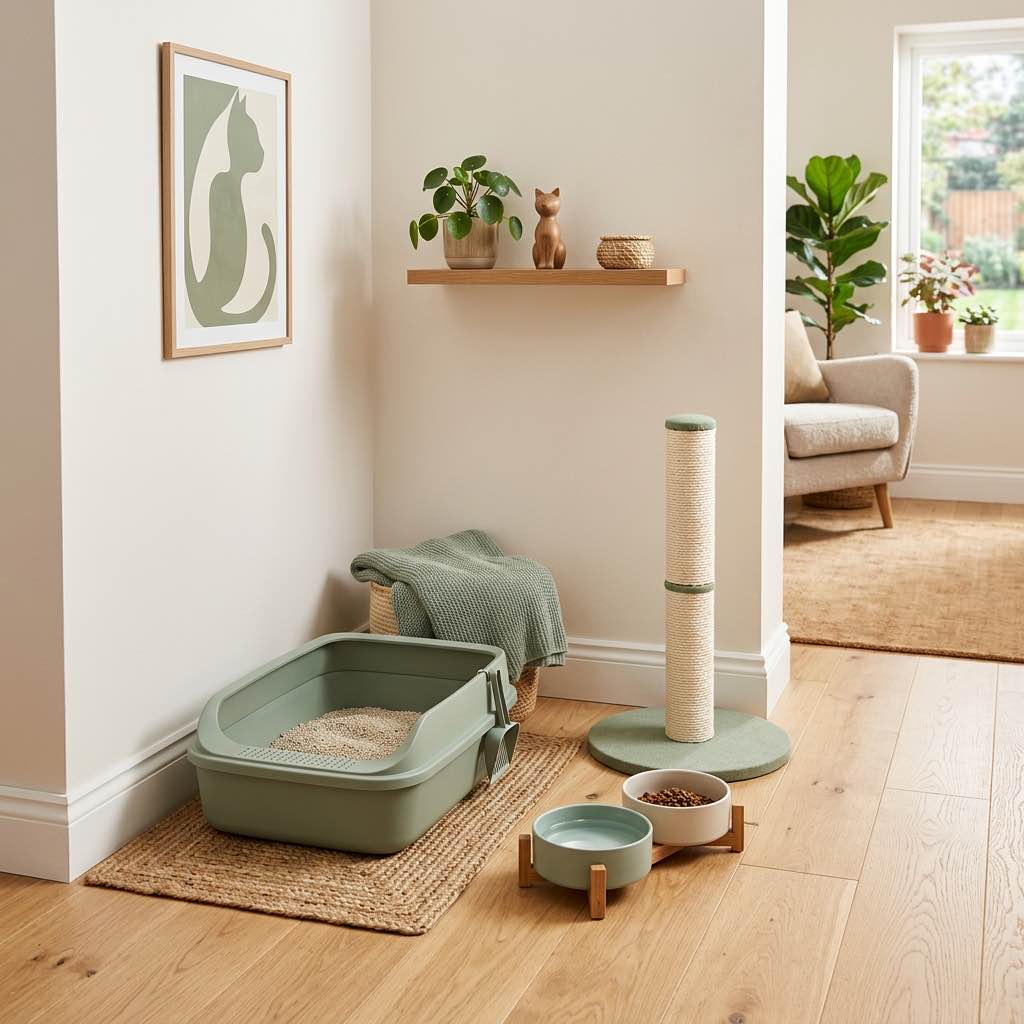
The first week is all about creating a safe, calm environment for your new arrival. Designate a quiet "settling-in" room – perhaps a spare bedroom or laundry – where your cat can decompress. Equip this room with all essentials before they arrive.
Essential Supplies Checklist:
- Food and Water Bowls: Stainless steel or ceramic are best. Have separate bowls for food and fresh water.
- High-Quality Cat Food: Start with the food your cat was previously eating to avoid stomach upsets, then transition slowly if you wish.
- Litter Tray and Litter: Provide at least one tray per cat, plus one extra. Unscented clumping litter is often preferred.
- Scratching Post/Pad: Essential for healthy claws and to protect your furniture. Offer both vertical and horizontal options.
- Bedding: A soft, comfortable bed or a cosy blanket in a quiet spot.
- Carrier: A secure, comfortable carrier is vital for vet visits and safe transport.
- Toys: A variety of toys for different types of play – wand toys, crinkle balls, and puzzle feeders.
- Grooming Brush: Even short-haired cats benefit from regular brushing.
During this week, allow your cat to explore their designated room at their own pace. Keep interactions gentle and brief, focusing on positive reinforcement. Avoid overwhelming them with too much attention or introducing them to other pets or children too quickly. For a more detailed list, see our new kitten checklist NZ.
Week 2: Vet, Microchip, and Health Baseline
Once your first cat has had a week to settle, it's time for their first vet visit. This is a critical step for establishing their health baseline and ensuring they're protected. Book an appointment with a local New Zealand vet early in the week.
During the Vet Visit:
- Full Health Check: The vet will perform a thorough physical examination, checking their eyes, ears, teeth, coat, and overall condition.
- Vaccinations: Your cat will likely need core vaccinations (for feline panleukopenia, herpesvirus, and calicivirus) and potentially non-core ones like feline leukaemia virus (FeLV), especially if they'll be an outdoor cat. Discuss a cat vaccination schedule NZ with your vet.
- Worming and Flea Treatment: Even if your cat appears healthy, they'll need appropriate parasite control. Your vet can recommend the best products for your cat's age and lifestyle.
- Microchipping: This is crucial for identification if your cat ever gets lost. In New Zealand, while not legally mandatory for all cats, it's highly recommended by organisations like the SPCA. The vet will implant a tiny chip under their skin, and you'll register your details with a national database like the NZ Companion Animal Register. This typically costs around $50-$80, often included in adoption fees or a first vet package.
- Desexing Discussion: If your cat isn't already desexed, discuss the best timing for this procedure with your vet. It prevents unwanted litters and offers significant health and behavioural benefits.
Be prepared to discuss your cat's history, diet, and any observations you've made. This initial vet visit might cost between $80-$150 for the consultation, plus additional fees for vaccinations, microchipping, and parasite treatments. For more on costs, refer to our NZ vet costs guide.
Weeks 3-4: Routine, Play, and Enrichment
With your first cat settled and their health checked, weeks three and four are about establishing consistent routines, encouraging play, and providing essential enrichment. This period solidifies their place in your home and helps them thrive.
Establishing Routines:
- Feeding Schedule: Cats thrive on predictability. Feed your cat at the same times each day. Most adult cats do well with two meals a day. Always ensure fresh water is available.
- Litter Box Maintenance: Scoop the litter tray daily, and completely change the litter and clean the tray weekly. A clean litter box prevents accidents and keeps your cat happy.
- Playtime: Dedicate at least two 15-minute play sessions daily. Use wand toys to mimic hunting behaviour, allowing your cat to "catch" the toy at the end of the session. This is vital for their physical and mental health.
- Grooming: Continue with gentle brushing, especially if you have a long-haired breed like a Maine Coon. This builds bonding and helps manage shedding.
Enrichment and Environment:
- Scratching Solutions: Ensure multiple scratching options are available. Cats need to scratch to stretch, mark territory, and maintain claw health. If your cat scratches furniture, redirect them immediately to a scratching post. Try different materials (cardboard, sisal, carpet) and orientations (vertical, horizontal).
- Vertical Space: Cats love to climb and observe from high vantage points. Provide cat trees, shelves, or window perches. This adds to their territory and provides a sense of security.
- Puzzle Feeders: These challenge your cat mentally and slow down eating, preventing boredom and overeating.
- Window Perches: A window perch offers entertainment as they watch birds and the world outside.
- Safe Outdoor Access (Consideration): For many first cat NZ owners, the indoor/outdoor decision is significant. If you plan for your cat to go outdoors, start with supervised visits in a secure garden once they are fully vaccinated and desexed. Ensure they are microchipped and wearing a collar with ID. Many New Zealand councils have bylaws regarding cat ownership, and responsible outdoor access means being a good neighbour. Consider a "catio" or secure fencing if you want to provide safe outdoor stimulation without free-roaming. For indoor-only cats, providing ample indoor cat enrichment NZ is paramount.
- Socialisation: Continue gentle, positive interactions. If you have other pets or children, continue slow, supervised introductions, always ensuring your cat has an escape route and a safe retreat. Never force interactions.
By the end of the first month, your first cat should feel secure and comfortable in their new home, understanding the routines and enjoying the enrichment you've provided. This foundation is crucial for their long-term well-being.
Common First-Month Mistakes to Avoid
Bringing a first cat into your home is a learning curve, and it's easy to make a few missteps. Being aware of these common mistakes can help you provide the best start for your new feline companion.
- Overwhelming Your Cat: A new environment is stressful. Don't force interactions, introduce too many new people or pets at once, or allow children to be too boisterous. Give your cat space and time to adjust at their own pace. A quiet settling-in room is crucial for this.
- Ignoring the Settling-In Period: Rushing your cat out of their safe room too soon can lead to anxiety and behavioural issues. Let them dictate the pace of exploration.
- Inconsistent Routines: Cats thrive on predictability. Irregular feeding times, inconsistent litter box cleaning, or sporadic playtime can cause stress and confusion. Stick to a schedule.
- Insufficient Litter Box Hygiene: A dirty litter box is a primary reason for inappropriate urination outside the box. Scoop daily, clean weekly, and ensure you have enough trays (one per cat plus one extra).
- Lack of Scratching Opportunities: If you don't provide appropriate scratching posts, your furniture will become the target. Offer variety in material and orientation to find what your cat prefers.
- Skipping the Vet Check: Delaying or skipping the initial vet visit means missing crucial vaccinations, parasite treatments, and a baseline health assessment. Early detection of health issues is vital, and microchipping ensures identification.
- Not Providing Enough Enrichment: Boredom can lead to destructive behaviour, overeating, and stress. Ensure a variety of toys, puzzle feeders, vertical spaces, and regular interactive play.
- Punishing Undesirable Behaviour: Cats don't respond well to punishment. Instead of scolding, redirect unwanted behaviours (like scratching furniture) to appropriate alternatives (like a scratching post) and reward positive actions.
- Ignoring Subtle Health Changes: Cats are masters at hiding illness. Pay attention to changes in appetite, litter box habits, energy levels, or grooming. If something seems off, contact your vet.
By being mindful of these points, you can ensure a smoother, happier first month for your first cat NZ.
Long-Term Setup: What to Add After Month One
After a successful first month, you've established a solid foundation. Now you can consider additions that enhance your cat's long-term health, safety, and happiness.
- Pet Insurance: In New Zealand, vet bills can be substantial. Pet insurance can provide peace of mind for unexpected illnesses or accidents. Research different providers and plans.
- Grooming Tools: Depending on your cat's coat, you might need specific brushes, nail clippers, or even cat-friendly shampoo.
- Advanced Enrichment: Consider more complex puzzle toys, a cat water fountain (many cats prefer running water), or even a secure "catio" for safe outdoor access.
- Secure Outdoor Access: If you decide your cat will be an outdoor explorer, ensure your property is secure, and your cat is microchipped, desexed, and wears a safety collar. A cat flap can offer independence.
- Dental Care: Discuss dental hygiene with your vet. This might include dental treats, water additives, or even brushing your cat's teeth.
Final Thoughts
Bringing your first cat into your New Zealand home is a rewarding journey. By following this 30-day guide, you're laying a strong foundation for a happy, healthy, and well-adjusted feline companion. Remember, patience and consistency are key as you both settle into your new life together. Enjoy every moment with your new family member, watching them explore and become a cherished part of your whānau.
Sources
- Ministry for Primary Industries, Code of Welfare: Companion Cats, checked 2026-07-22: https://www.mpi.govt.nz/animals/animal-welfare/codes/all-animal-welfare-codes/code-of-welfare-companion-cats
- SPCA New Zealand, What to Feed Your Cat or Kitten, checked 2026-07-22: https://www.spca.nz/advice-and-welfare/article/what-to-feed-your-cat-or-kitten
- SPCA New Zealand, Keeping Your Cat Safe and Happy at Home, checked 2026-07-22: https://www.spca.nz/advice-and-welfare/article/keeping-your-cat-safe-and-happy-at-home
- Companion Animals New Zealand, Why microchipping and registering your pet is essential — NZCAR registration costs a one-off $15; over 1.3 million animals registered with 1,000+ approved users, checked 2026-07-28: https://www.companionanimals.nz/articles/why-microchipping-and-registering-pets-is-essential
Free PetMall tools
Related guides
petmall.co.nz
Shop at PetMall
The products below are practical support items for your pet. PetMall ships across New Zealand.
- Cat FoodStart with food that matches your cat's life stage — change brands slowly over 7–10 days to avoid digestive upset.
- Cat LitterClumping or crystal, most cats prefer an unscented litter and a clean tray — one tray per cat plus one spare is the NZ rule of thumb.
- Cat TreatsGreat for bonding and training — keep treats under 10% of daily calories to protect your cat's waistline.
- Cat ToysA small rotation of toys (feather wand, puzzle feeder, and comfort toy) usually works better than buying many at once.
- Cat GroomingRegular brushing cuts hairballs and shedding — essential for long-haired breeds like Ragdolls and British Longhairs.
- Flea & Worm TreatmentFor NZ conditions, choose protection that fits your cat's weight and lifestyle (indoor vs outdoor) and keep it regular.