Cat Vaccination Schedule NZ: Kitten & Adult Booster Guide (2026)
Every cat in New Zealand needs core vaccinations. Learn kitten timing, boosters, F3/F4 vaccines, NZD costs, and missed boosters.
Kia ora, fellow Kiwi cat lovers! As an expert pet care writer for wiki.petmall.co.nz, I'm here to guide you through the ins and outs of cat vaccinations in Aotearoa. Vaccinating your feline friend is one of the most fundamental and effective ways to protect their health and ensure they live a long, happy life. Think of it as their invisible shield against some truly nasty diseases common in New Zealand.
Navigating the world of kitten vaccinations, adult boosters, and understanding which vaccines are essential can feel a bit overwhelming. But don't fret! This comprehensive guide is designed to clarify everything for you, offering practical, warm, and expert advice, just like a knowledgeable friend who understands the local context. We'll cover everything from core vaccines to the costs involved, all tailored specifically for New Zealand pet owners in 2026.
Core vs. Non-Core Cat Vaccines: What's Essential in NZ?
When it comes to protecting your beloved cat, not all vaccines are created equal. Your Kiwi vet will talk to you about two main categories: Core Vaccines and Non-Core Vaccines. Understanding the difference is key to making informed decisions for your cat's health.
Core Vaccines: The Absolute Must-Haves for Every Cat
Core vaccines are considered essential for *all* cats in New Zealand, regardless of their lifestyle or whether they spend their days exploring the great outdoors or lounging on your sofa. These vaccines protect against diseases that are widespread, highly contagious, and often severe, even fatal. In Aotearoa, the core feline vaccine typically protects against three major viral diseases, often referred to collectively as the F3 vaccine:
- Feline Panleukopenia (FPV), also known as Feline Distemper: This is a highly contagious and often fatal viral disease that attacks rapidly dividing cells, particularly in the gut and bone marrow. It leads to severe vomiting, diarrhoea, dehydration, and a dangerously weakened immune system. Even in New Zealand, this virus is prevalent in the environment and can be brought into your home on shoes or clothing, making vaccination critical for all cats.
- Feline Herpesvirus (FHV-1): One of the primary causes of "cat flu" in New Zealand. This virus causes severe upper respiratory symptoms, including sneezing, nasal discharge, conjunctivitis (inflammation of the eyes), and sometimes corneal ulcers. While not usually fatal in adult cats, it can be life-threatening for kittens and can lead to chronic respiratory issues or recurring flare-ups throughout a cat's life, especially during times of stress.
- Feline Calicivirus (FCV): The other major cause of "cat flu" in NZ. Symptoms are similar to Feline Herpesvirus but can also include oral ulcers, lameness, and, in rare severe strains, widespread organ damage. Like FHV-1, it's highly contagious and can cause significant discomfort and ongoing health problems.
These three diseases are common across New Zealand, and vaccination provides robust protection, significantly reducing the severity of illness if your cat is exposed.
Non-Core Vaccines: Tailored Protection for Specific Lifestyles
Non-core vaccines are recommended based on your cat's individual risk factors, lifestyle, and potential exposure to specific diseases. Your vet will assess your cat's environment, whether they go outdoors, interact with other cats, or visit catteries, to determine if these additional protections are necessary.
The main non-core vaccines typically considered in NZ are:
- Feline Leukaemia Virus (FeLV): This is a serious, often fatal retrovirus that suppresses the immune system, making cats susceptible to various secondary infections, cancers, and blood disorders. FeLV is primarily transmitted through prolonged close contact, such as mutual grooming, fighting, and shared food/water bowls, as well as from an infected mother to her kittens. It's a significant concern for outdoor cats, cats living in multi-cat households where the FeLV status of all cats isn't known, or those who interact with potentially infected cats. Note that there is no FeLV vaccine available in New Zealand (see the FeLV section below) — prevention relies on FeLV-testing new cats before introductions and keeping cats indoors or in secure enclosed outdoor access.
- _Chlamydophila felis_: This bacterium is another common cause of conjunctivitis and respiratory disease in cats, often seen in environments with multiple cats, such as catteries, shelters, or breeding colonies. While typically not as severe as FPV, FHV-1, or FCV, it can cause persistent and uncomfortable eye infections. It's often included as part of an F4 vaccine (F3 + Chlamydophila).
Your vet is your best resource for determining which non-core vaccines are appropriate for your cat's unique situation. They'll help you weigh the risks and benefits to create the most effective vaccination programme.
Kitten Vaccination Series: Laying the Foundation for a Healthy Life
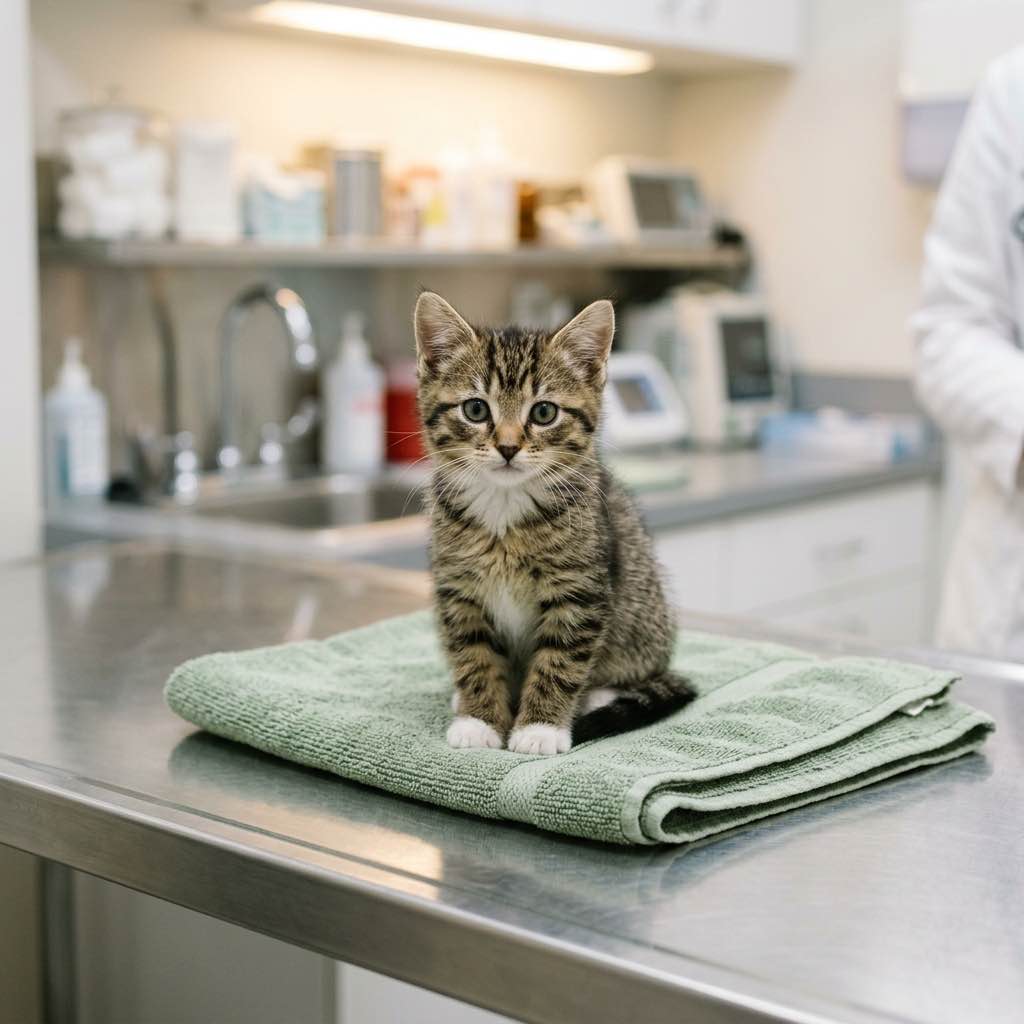
Bringing a new kitten into your home is an exciting time! Part of being a responsible Kiwi pet owner is ensuring your tiny furball gets the best start in life, and that includes their crucial kitten vaccination series.
Kittens receive some initial immunity from their mother's milk (maternal antibodies). However, these antibodies gradually wane, leaving a "window of susceptibility" where the kitten is no longer protected by mum but isn't yet fully protected by their own developing immune system. This is why a series of vaccinations is necessary.
A typical kitten vaccination schedule in New Zealand generally looks like this:
- First Vaccination: Around 6-8 weeks of age. This initial shot introduces the core F3 protection. Your vet will give your kitten a thorough health check at this appointment.
- Second Vaccination: Around 10-12 weeks of age. This booster shot is crucial to build upon the first vaccine and stimulate a stronger immune response.
- Third (final kitten) vaccination: at 16 weeks of age or older. The last kitten shot should be given at 16 weeks or later — not at 14 weeks. In some kittens the mother's antibodies keep blocking the vaccine until 16 weeks, so finishing the series earlier can leave them unprotected. Current WSAVA guidance also advises a further core booster at 6 months (26 weeks) of age to catch any kitten that didn't respond to the earlier doses.
Why are multiple doses so important? Each dose in the series helps the kitten's immune system recognise and build a strong defence against the viruses. Missing a dose or not completing the series means your kitten won't develop full immunity and will remain vulnerable to these common and often severe diseases.
During these visits, your vet will also discuss other vital aspects of kitten care, such as parasite control (fleas, ticks, worms), microchipping (which is often a local council requirement in NZ), and desexing.
Adult Booster Schedule: Maintaining Lifelong Protection
Just like humans need booster shots for certain diseases, adult cats require regular vaccinations to maintain their immunity. The protection provided by kitten vaccinations doesn't last forever; it gradually wanes over time, leaving your cat vulnerable again.
The adult booster schedule in New Zealand has evolved over the years, with a more tailored approach now being common practice.
- Annual Health Check & Vaccine Assessment: Even if your cat doesn't receive a vaccine every year, an annual health check with your vet is highly recommended. This allows your vet to assess your cat's overall health, discuss their lifestyle changes, and determine the most appropriate vaccination strategy for the coming year.
- Core F3 Boosters: For many adult cats in NZ, core F3 vaccines are now often given every three years (triennially), rather than annually, after the initial series and first annual booster. This approach is based on scientific evidence showing that the immunity for these specific diseases can last longer in adult cats. However, this decision is always made by your vet based on your cat's individual risk assessment, health status, and the specific vaccine product used. Some situations, like frequent boarding at catteries or living in a multi-cat household, might still warrant annual core boosters.
- Non-Core Boosters: If your cat receives a non-core vaccine such as Chlamydophila (the extra component in F4), it typically requires an annual booster to maintain effective protection, as immunity for it tends to be shorter-lived.
What if your adult cat misses a booster? If your cat is overdue for their vaccinations, don't panic! Contact your vet immediately. Depending on how long they've been overdue, your vet might recommend a single booster or, in some cases, a restart of a partial vaccination series to ensure full protection is re-established. It's always best to stay on schedule to avoid leaving your cat exposed.
F3 & F4 Protection: Decoding the Numbers
You'll often hear your vet mention F3 or F4 vaccines. Let's break down what these mean for your cat's protection in Aotearoa.
F3 Vaccine: The Core Foundation
As we discussed, the F3 vaccine is the cornerstone of feline immunity in NZ. It provides protection against the three core viral diseases:
- Feline Panleukopenia Virus (FPV)
- Feline Herpesvirus (FHV-1)
- Feline Calicivirus (FCV)
This is the minimum recommended vaccination for all cats in New Zealand, regardless of their lifestyle. It's crucial for preventing serious illness and reducing the spread of these common and highly contagious diseases within our cat population.
F4 Vaccine: Enhanced Protection for Specific Risks
The F4 vaccine offers all the protection of the F3 vaccine, plus an additional component:
- F3 (FPV, FHV-1, FCV)
- PLUS _Chlamydophila felis_
_Chlamydophila felis_ is a bacterial infection that primarily causes conjunctivitis (inflammation of the eyelids and eye discharge) and can contribute to respiratory signs. While generally not life-threatening, it can be persistent and uncomfortable for your cat.
When might your Kiwi vet recommend an F4 vaccine? An F4 vaccine is typically considered a non-core vaccine. It's often recommended for cats with a higher risk of exposure to _Chlamydophila felis_, such as:
- Cats living in multi-cat households.
- Cats that frequently visit catteries or boarding facilities.
- Cats from environments where _Chlamydophila_ is known to be present (e.g., rescue shelters).
- Cats with a history of recurrent conjunctivitis.
Feline Leukaemia Virus (FeLV) Vaccine: A Separate But Important Non-Core Option
While F3 and F4 refer to combinations of core and some non-core components, the Feline Leukaemia Virus (FeLV) vaccine is a separate non-core vaccination. It's not typically bundled into the F3 or F4 names.
Important: there is no FeLV vaccine available in New Zealand. Commercial supply of the feline leukaemia vaccine ended in New Zealand in March 2016, and no FeLV vaccine has been available here since. NZ vets cannot offer it, so — unlike in some other countries — FeLV vaccination is not part of a New Zealand cat's schedule. If another guide or an overseas source tells you to "get your cat the FeLV shot", that option simply doesn't exist here.
Because vaccination isn't available, prevention in New Zealand relies on:
- Keeping cats indoors, or with secure enclosed ("catio") outdoor access — the single most reliable way to prevent FeLV exposure. Cats kept this way have very low risk.
- Testing before introductions: have any new or rescue cat FeLV-tested (ideally FIV-tested too) before letting them mix with your existing cats — this matters most in multi-cat households.
- Keeping any known FeLV-positive cat separated from negative cats (no shared bowls, grooming or fighting).
If your cat is unwell or you're worried about exposure, your vet can run an in-clinic FeLV/FIV test and advise on management. The 2025 Australia–New Zealand FeLV guidelines confirm the vaccine's unavailability and name indoor/enclosed housing plus testing as the mainstay of prevention here.
Here's a handy table to summarise:
| Vaccine Type | Diseases Protected Against | Core/Non-Core | NZ Risk Factors/Recommendation |
|---|---|---|---|
| F3 | Feline Panleukopenia (FPV), Feline Herpesvirus (FHV-1), Feline Calicivirus (FCV) | Core | Essential for ALL cats in NZ due to widespread, highly contagious, and often severe diseases (cat flu, feline distemper). |
| F4 | F3 + *Chlamydophila felis* | Non-Core | Recommended for cats in multi-cat households, catteries, or those with a history of recurrent conjunctivitis. |
| FeLV | Feline Leukaemia Virus | Not available in NZ | No FeLV vaccine is available in New Zealand (withdrawn 2016). Prevent FeLV by keeping cats indoors/enclosed and FeLV-testing new cats before introductions. |
Indoor-Only Cats: Do They Still Need Vaccinations?
This is a question frequently asked by concerned Kiwi cat owners, and it's a really important one! The short answer is: yes, indoor-only cats absolutely still need core vaccinations.
It's a common misconception that because a cat never steps a paw outside, they are completely safe from infectious diseases. Unfortunately, this isn't the case for several reasons:
- "Fomite" Transmission: You, as their human, are the most common carrier of pathogens into your home. Viruses like Feline Panleukopenia are incredibly hardy and can survive in the environment for long periods. You can unknowingly bring them in on your shoes, clothing, or even hands after being in contact with an infected environment or another cat.
- Escape Risk: Even the most diligently indoor cat can slip out an open door or window, especially if startled. A brief adventure outside could expose them to unvaccinated cats, shared food/water sources, or contaminated areas. Having them vaccinated means they have a fighting chance if they do have an unexpected outdoor excursion.
- Shared Spaces: Your cat will, at some point, need to visit the vet clinic for routine check-ups, desexing, or if they become unwell. They might also need to go to a groomer or a cattery if you're travelling. These are all environments where they could come into contact with other cats or surfaces that have been touched by other cats, potentially exposing them to airborne pathogens or contaminated surfaces.
- Window Exposure: Cats love to sit by windows, and while they might not be directly interacting with other animals, airborne particles carrying viruses can still enter your home.
Think of it this way: just like you might still get vaccinated for measles even if you don't plan to travel overseas, you vaccinate your indoor cat for core diseases because the risk of exposure, however small, is still present, and the consequences of infection can be devastating.
For a non-core vaccine such as Chlamydophila, your vet might agree that the risk is significantly lower for a strictly indoor, single-cat household. However, it's always best to discuss this with your vet, especially if there's any chance of future changes to their lifestyle or if you plan to introduce another cat. The conversation with your trusted Kiwi vet is paramount to ensuring your indoor cat has the best possible protection.
NZD Cost Range (2026): What to Expect
Investing in your cat's health through regular vaccinations is one of the most cost-effective ways to prevent expensive and heartbreaking illnesses down the line. While prices can vary across New Zealand based on your location (city vs. rural), the specific vet clinic, and whether the services are bundled, here's a realistic range of what you can expect for vaccination costs in 2026. These are estimates, not exact quotes, and it's always best to confirm with your chosen vet clinic.
Typical Vet Consultation Fee:
- An initial consultation fee, which covers the vet's time for a health check and discussion, is usually charged in addition to the vaccine cost.
- NZD $80 - $120 per visit
Kitten Vaccination Series (F3 Core):
- This typically involves 2-3 doses. Some clinics offer "kitten packages" that might include desexing, microchipping, and worming, which can be more economical.
- Per dose (F3 vaccine only): NZD $65 - $95
- Full Kitten F3 Series (2-3 doses, excluding initial consults): NZD $195 - $285 (for 3 doses)
Adult Booster Vaccinations (F3 Core):
- For the annual or triennial F3 booster.
- Per dose (F3 vaccine only): NZD $70 - $100
F4 Vaccine (F3 + Chlamydophila felis):
- If your vet recommends the F4 vaccine instead of F3, it will be slightly more.
- Per dose (F4 vaccine only): NZD $75 - $110
Feline Leukaemia Virus (FeLV) Vaccine:
- Not available in New Zealand — the FeLV vaccine was withdrawn from the NZ market in 2016, so there is no vaccine cost to budget for.
- The relevant cost here is a combined FeLV/FIV snap test, worth doing before introducing a new cat: roughly NZD $50 - $90 at most clinics.
Important Considerations:
- Kitten/Puppy Packages: Many vet clinics in NZ offer comprehensive "kitten packages" that bundle vaccinations, microchipping, initial parasite treatments, and sometimes desexing at a reduced overall cost. Enquiring about these can be a great way to save money while ensuring all essential care is covered.
- Annual Health Check: Remember that even if your cat doesn't need a vaccine every year, an annual health check with your vet is still highly recommended. This allows them to monitor your cat's overall health, detect any issues early, and discuss any changes in their lifestyle or medical needs.
- Pet Insurance: Consider pet insurance to help cover unexpected veterinary costs, including potential illnesses that vaccines protect against.
While these costs represent an investment, they are a small price to pay for the peace of mind and protection they offer against potentially devastating and much more expensive diseases.
Keeping Records: Your Cat's Health Passport
Maintaining accurate vaccination records is a critical part of responsible pet ownership in New Zealand. Think of your cat's vaccination certificate or booklet as their health passport – it's an official document that proves they are up-to-date with their protective immunisations.
Here's why keeping good records is so important:
- Cattery and Boarding Requirements: Most reputable catteries and boarding facilities across Aotearoa will require proof of current vaccinations (especially F3, and sometimes F4) before they will accept your cat. This protects all the animals in their care. Without these records, you may find yourself unable to board your cat, which can be a huge stress if you're travelling.
- Proof of Responsible Ownership: If you ever need to register your cat with a new local council, sell them, or even need to prove their health status for any reason, a vaccination certificate serves as official documentation.
- Continuity of Care: If you move to a new area in NZ and switch vets, or if your cat needs emergency treatment at an unfamiliar clinic, having up-to-date vaccination records provides crucial information to the veterinary team, helping them make informed decisions about your cat's care without delay.
- Tracking Your Cat's Schedule: Your vaccination booklet will clearly state when your cat's next booster is due, helping you stay on track and ensure their immunity doesn't lapse.
How to Keep Your Records Safe:
- Physical Certificate: Your vet will provide a physical vaccination certificate or booklet. Keep this in a safe, memorable place, perhaps with other important pet documents like microchip details and council registration papers. A dedicated pet folder is a great idea.
- Digital Copy: Consider taking a clear photo of the certificate or scanning it and saving it to your phone, cloud storage, or computer. This provides a backup in case the physical copy is lost and makes it easy to share with catteries or new vets if needed.
- Vet Clinic Records: Rest assured that your vet clinic also keeps a digital record of your cat's vaccinations. If you ever lose your copy, they can usually provide a duplicate.
Alongside vaccination records, ensure you also keep your cat's microchip details up to date with the national animal microchip database (e.g., NZCAR). Microchipping is often a legal requirement for cat ownership in many NZ council areas and is vital for reuniting you with your cat if they ever get lost.
By diligently maintaining these records, you're not just being organised; you're actively contributing to your cat's ongoing health and welfare, ensuring they're protected and accounted for throughout their life in Aotearoa.
---
Vaccinating your cat is one of the most fundamental and impactful decisions you'll make as a responsible pet owner in New Zealand. By understanding the core and non-core vaccines, adhering to the recommended schedules, and keeping good records, you're giving your beloved feline companion the best possible chance at a long, healthy, and happy life free from preventable diseases. Always remember that your local Kiwi vet is your best partner in tailoring a vaccination programme that perfectly suits your cat's individual needs.
Sources
- WSAVA Vaccination Guidelines Group, Global Guidelines for the Vaccination of Dogs and Cats (2024 update; core vs non-core definitions, downloadable feline vaccination tables), checked 2026-07-19: https://wsava.org/global-guidelines/vaccination-guidelines/
- Merck Veterinary Manual, Preventative Health Care for Small Animals — "The vaccines against feline panleukopenia (FPV), feline herpesvirus 1 (FHV-1), and feline calicivirus (FCV) are core"; kitten series from 6–8 weeks, every 3–4 weeks to 16–20 weeks, checked 2026-07-19: https://www.merckvetmanual.com/management-and-nutrition/preventative-health-care-and-husbandry-in-small-animals/preventative-health-care-for-small-animals
- Westman et al. (2025), Feline leukaemia virus (FeLV) infection in domestic pet cats in Australia and New Zealand: guidelines for diagnosis, prevention and management — confirms no FeLV vaccine has been available in NZ since March 2016; prevention via indoor/enclosed housing and testing, checked 2026-07-23: https://onlinelibrary.wiley.com/doi/10.1111/avj.13470
Shop Related Products at PetMall
Looking for the products mentioned in this guide? PetMall ships across New Zealand with fast delivery.
- Carriers & TravelCarriers, crates, and safer travel gear
- Cat TreatsTreats for training, enrichment, and bonding
*PetMall does not sell prescription flea, worm, or medicated treatments. For medicated treatments, please consult your Kiwi vet.*
Free PetMall tools
Related guides
petmall.co.nz
Shop at PetMall
The products below are practical support items for your pet. PetMall ships across New Zealand.
- Cat FoodStart with food that matches your cat's life stage — change brands slowly over 7–10 days to avoid digestive upset.
- Cat LitterClumping or crystal, most cats prefer an unscented litter and a clean tray — one tray per cat plus one spare is the NZ rule of thumb.
- Cat TreatsGreat for bonding and training — keep treats under 10% of daily calories to protect your cat's waistline.
- Cat ToysA small rotation of toys (feather wand, puzzle feeder, and comfort toy) usually works better than buying many at once.
- Cat GroomingRegular brushing cuts hairballs and shedding — essential for long-haired breeds like Ragdolls and British Longhairs.
- Flea & Worm TreatmentFor NZ conditions, choose protection that fits your cat's weight and lifestyle (indoor vs outdoor) and keep it regular.