Dog Breed Guide NZ
English Bulldog
The English Bulldog, or British Bulldog, is a gentle, calm, and loyal family companion. Known for their wrinkly faces and stout posture, they are deeply affectionate but require significant medical budgets and constant protection from heat.
Photo Gallery
Breed Snapshot
- Size
- Male: 23–25 kg; Female: 18–23 kg
- Lifespan
- 8–10 years
- Origin
- United Kingdom
- Temperament
- Docile, friendly, stubborn, courageous, loyal, gentle, calm
- NZ Price
- $3,000 – $6,000+ NZD from reputable NZ breeders. The high cost reflects complex breeding requirements, including artificial insemination and mandatory Caesarean births.
- Annual Vet Cost
- Extremely High. Routine annual vet care is $800 – $1,200 NZD. However, corrective surgeries for BOAS (nostril widening and airway clearing) cost $3,000 – $7,500+ NZD. Joint treatments for hip dysplasia and chronic skin fold dermatitis quickly add thousands. Lifelong pet insurance is mandatory.
Personality Scores
NZ Lifestyle Fit
Best suited to experienced owners with the time and budget for ongoing medical needs — not a first-dog choice, and not a breed for hot regions. English Bulldogs are highly sensitive to New Zealand's summer heat and high UV levels. They must live in air-conditioned indoor environments, and need careful weight management to avoid worsening their breathing issues.
Origins & History
The English Bulldog (also widely referred to in New Zealand as the British Bulldog) is an ancient breed whose origins date back to 13th-century Britain, where they were originally bred for the brutal blood sport of bull-baiting. These historical bulldogs were taller, much more athletic, and aggressive than their modern counterparts. Following the ban on bull-baiting in 1835, breed enthusiasts dedicated themselves to transforming the bulldog into a gentle, docile companion. Through selective breeding, they reshaped the breed's temperament, removing aggression while simultaneously accentuating its unique heavy, short-legged, and flat-faced physical traits. In New Zealand, the British Bulldog is a cherished family pet, famous for its stubborn charm. However, prospective Kiwi owners must carefully study getting a dog in New Zealand to understand the massive care commitments and physical limitations this breed carries.
Physical Characteristics & Facial Fold Care
English Bulldogs are medium-sized, low-slung, and heavy-bodied dogs with wide, powerful shoulders, a massive head, and characteristic loose, wrinkled skin. Despite their robust, muscular appearance, they are structurally compromised. One of the most critical daily maintenance tasks for a Bulldog owner is facial fold care. The deep wrinkles on their face and around their short tails easily trap moisture, tears, dirt, and bacteria. Without daily care, these folds quickly develop painful chafing, yeast infections, and severe dermatitis. Owners must wipe these folds clean daily using a mild, unscented pet wipe, and immediately dry the area thoroughly with clean cotton balls. Additionally, their floppy ears need weekly checks. Regular bathing is required, but ensuring the skin wrinkles are completely dry afterwards is essential to prevent chronic skin issues.
Temperament & Socialisation
Modern English Bulldogs are renowned for their sweet, gentle, and deeply affectionate temperament. They are outstanding with children, showing immense patience and loyalty. They generally get along well with other household pets, though early socialization is highly recommended. To ensure a harmonious home, owners should read standard advice on introducing a new dog to other pets on the SPCA NZ portal. Bulldogs are famous for their stubbornness. While intelligent, they do not react well to harsh commands or forced training methods. Positive reinforcement using high-value food rewards is the only effective way to train them. Keeping training sessions short—about 5 to 10 minutes—is critical to prevent them from becoming exhausted or losing focus.
Major Genetic Health Defect: BOAS
The extreme selection for flat faces has made the English Bulldog one of the most genetically compromised dog breeds in existence. The most significant health challenge is Brachycephalic Obstructive Airway Syndrome (BOAS), which is an anatomical deformity rather than an individual illness. As detailed in the SPCA NZ Guide to Brachycephalic Health, their shortened skulls force the same amount of nasal and throat soft tissue into a highly compressed space. This results in pinched nostrils (stenotic nares), an elongated soft palate that blocks the windpipe, and laryngeal collapse. Affected dogs struggle constantly to breathe, which manifests as snoring, snorting, or gasping. Many Bulldogs require expensive corrective surgery—such as widening the nostrils and shortening the soft palate—to achieve a basic quality of life. Furthermore, they are highly prone to hip dysplasia, skin fold dermatitis, and cherry eye. The breeding process itself is difficult; due to their wide shoulders and narrow hips, over 80% of Bulldog litters must be delivered via caesarean section. Due to these chronic issues, veterinary costs are exceptionally high. Prospective owners should consult the NZ vet costs guide to prepare their budgets and secure comprehensive pet insurance immediately.
High Overheating Risk & Exercise Limits
English Bulldogs have an extremely low tolerance for exercise and heat. Dogs do not sweat; they cool themselves by panting. Because a Bulldog's airways are severely obstructed by BOAS, their ability to regulate body temperature is highly inefficient. Consequently, they are at extreme risk of heatstroke, which can be fatal within minutes. In the New Zealand summer, even mild temperatures above 22 degrees Celsius can be dangerous. They must live in a cool, air-conditioned indoor environment, and exercise must be limited to short, gentle walks (10 to 15 minutes) during the coolest parts of the day. Bulldogs cannot swim; their heavy chests and short legs cause them to sink rapidly. Owners must keep them away from swimming pools and Kiwi beaches unless they are fitted with a certified dog life jacket. For comparison with smaller flat-faced companion dogs, read our French Bulldog guide. When searching for a puppy in NZ, avoid platforms with unverified listings. Instead, see our dedicated English Bulldog Breeders NZ guide, which covers the BOAS health tests to demand, NZ prices (NZD $3,500–$6,000), and red flags to avoid — or read our broader puppies for sale NZ guide for general advice.
Fun Facts
Fact 1
Due to their extremely broad shoulders and narrow hips, over 80% of English Bulldog litters must be delivered via Caesarean section for the safety of the mother.
Fact 2
English Bulldogs are virtually incapable of swimming; their heavy front-loaded bodies and short legs cause them to sink rapidly without a dog life jacket.
Fact 3
While puppies are relatively active, adult Bulldogs are legendary 'couch potatoes' who spend up to 18 hours a day sleeping and snoring loudly.
Fact 4
The breed is also called the British Bulldog and has historically served as a popular symbol of British courage, determination, and grit.
Fact 5
Because of their facial structure and folds, Bulldogs are famous for a wide range of noisy habits, including heavy snoring, snorting, wheezing, and excessive flatulence.
Related Breeds
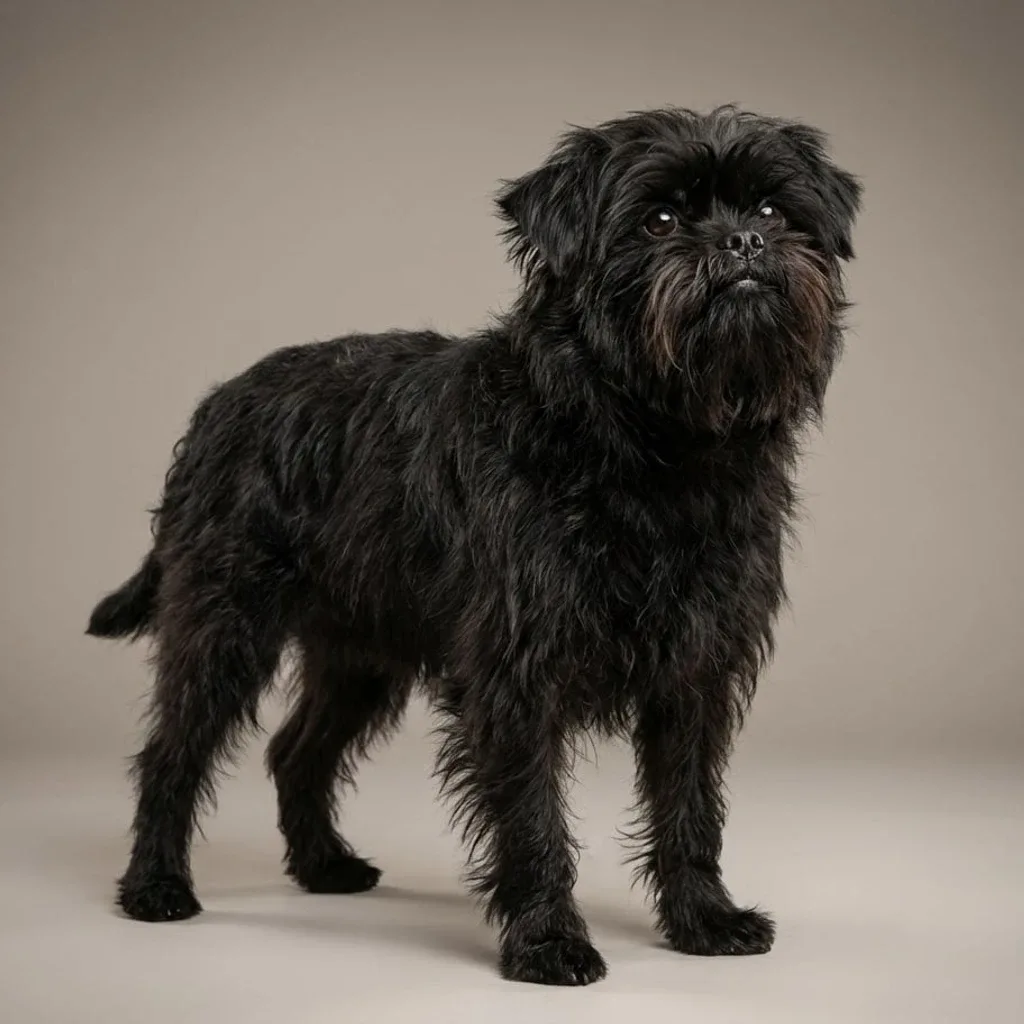
Affenpinscher
The Affenpinscher is a sturdy, monkey-like terrier-type toy breed known for its confidence and playful spirit. Despite its small size, it possesses a courageous heart and a loyal personality, making it a wonderful companion for Kiwi apartment dwellers or those with smaller sections.
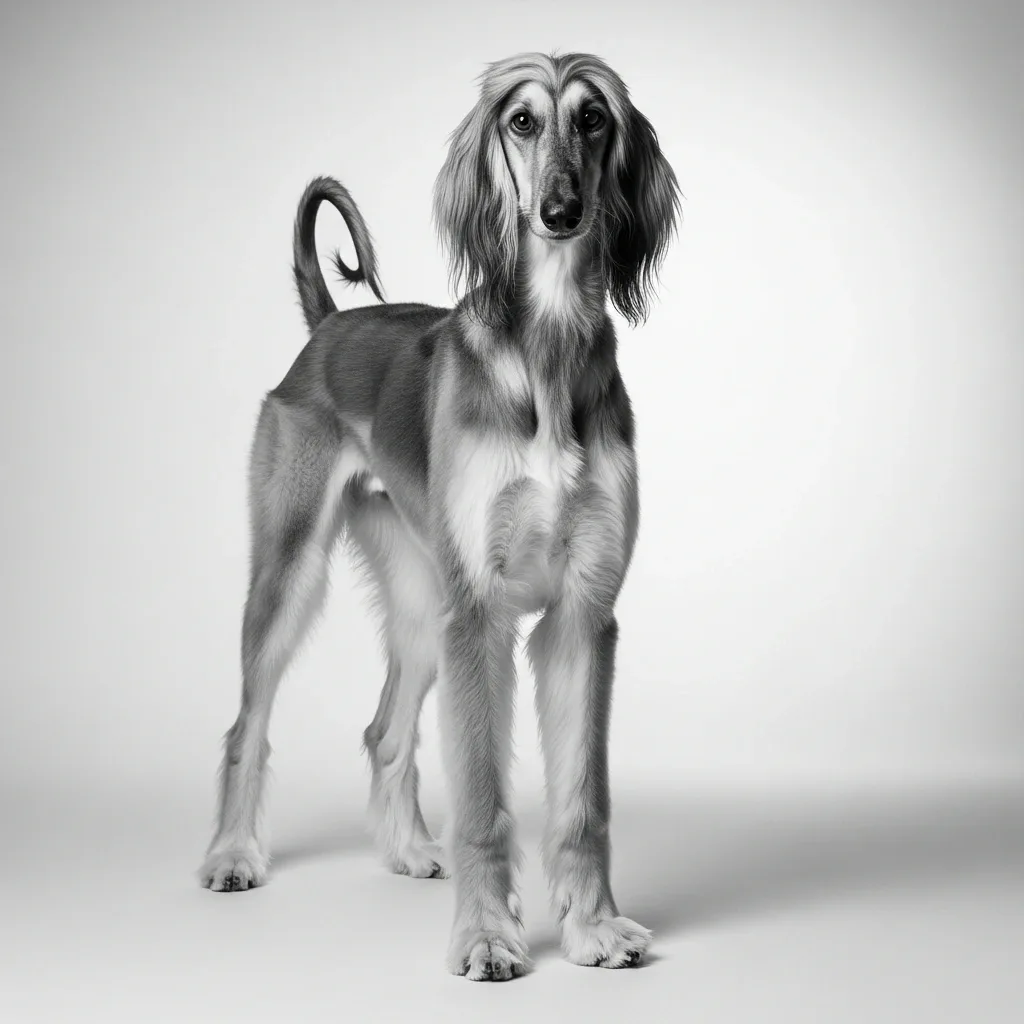
Afghan Hound
The Afghan Hound is an elegant aristocrat with a dignified and aloof personality. Known for its striking, silky coat, this breed is a high-maintenance beauty that requires ample space to run and an owner dedicated to its complex grooming needs.
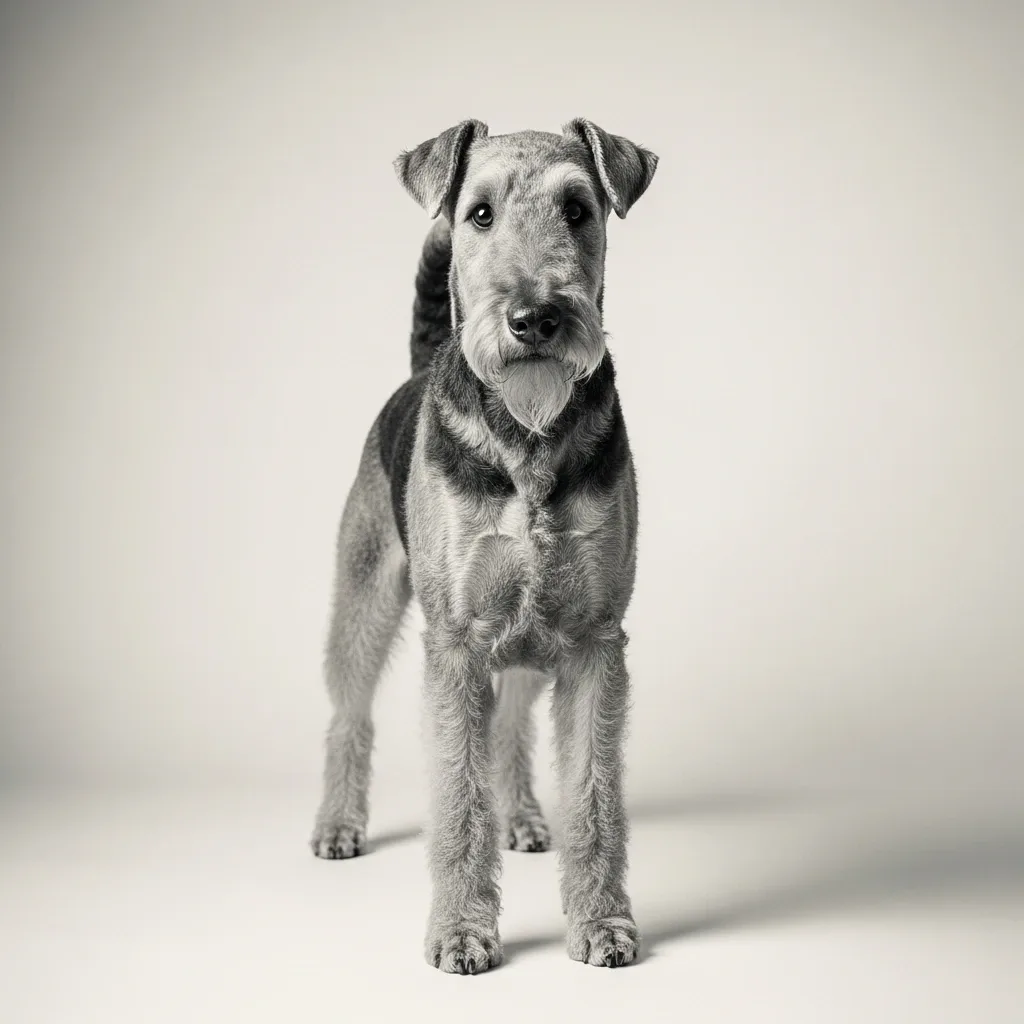
Airedale Terrier
The 'King of Terriers', the Airedale is the largest of all terrier breeds. They are brave, hardworking, and highly intelligent, making them excellent partners for active Kiwi families who love tramping and outdoor adventures.
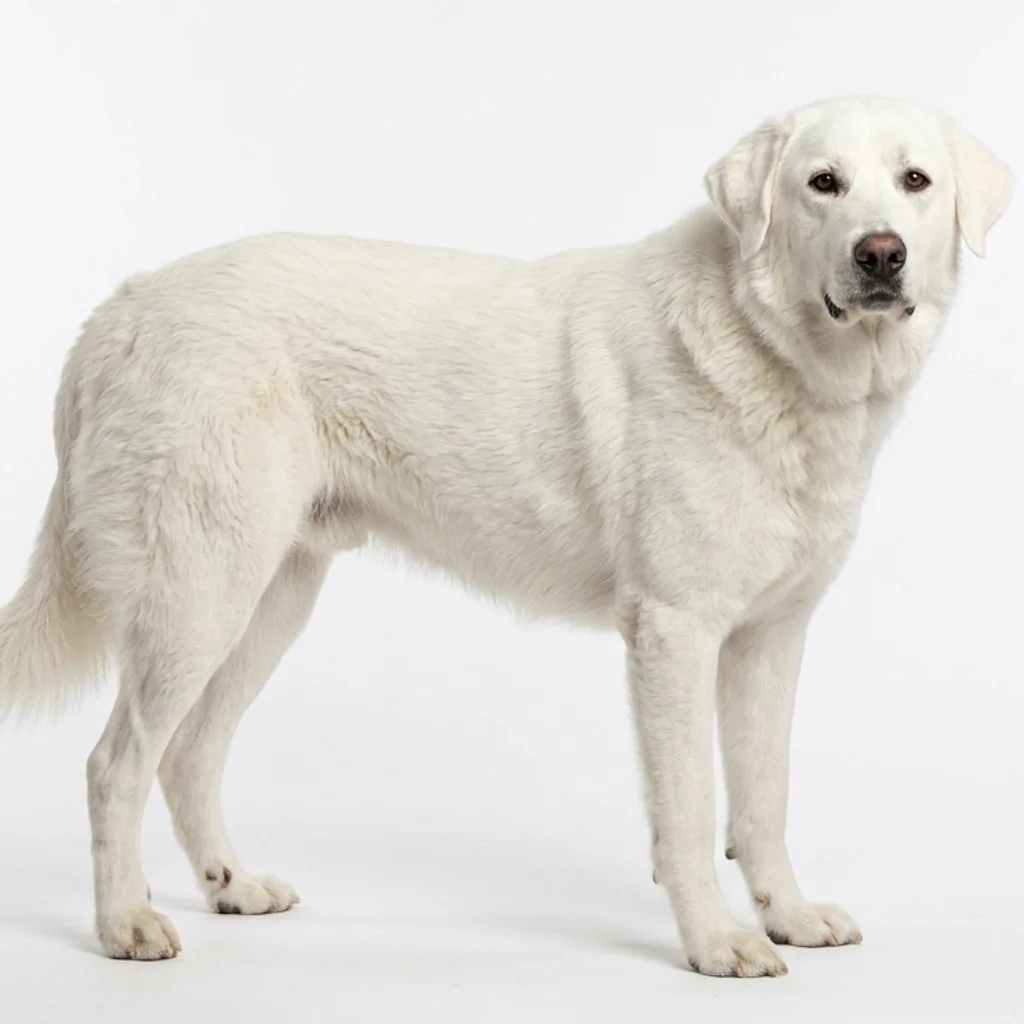
Akbash Dog
Originally a Turkish livestock guardian, the Akbash is a serious, protective, and independent breed. They are not suited for apartment living and thrive on large NZ lifestyle blocks where they can have a 'territory' to watch over.