Dog Breed Guide NZ
French Bulldog
The French Bulldog, affectionately known as the Frenchie, reigns as the king of New Zealand's urban dog scene. With their comical expressions, unwavering affection, and low-energy demeanour, they are perfectly suited for modern apartment living across Aotearoa. This compact companion thrives on human interaction and makes a wonderful family pet. However, as a brachycephalic (flat-faced) breed, Frenchies require dedicated owners committed to managing their unique health needs, especially in New Zealand's varied climate. Their adaptability and charming personality make them a beloved fixture in Kiwi homes, offering endless joy and companionship without demanding extensive outdoor space.
Photo Gallery
Breed Snapshot
- Size
- 7-13 kg
- Lifespan
- 10-12 years
- Origin
- France
- Temperament
- Affectionate, playful, alert, adaptable, smart
- NZ Price
- $3,500 - $6,000 NZD from registered breeders; $250 - $450 NZD adoption via SPCA (when available)
- Annual Vet Cost
- Estimated annual vet costs for a French Bulldog in NZ can range from $800 - $2,500 NZD, not including potential surgery. Due to their brachycephalic nature, costs can be significantly higher if surgeries like BOAS (Brachycephalic Obstructive Airway Syndrome) are required, which can be $3,000 - $8,000 NZD. Other common issues like skin fold dermatitis, allergies, patellar luxation, and IVDD (intervertebral disc disease) also contribute to potential vet expenses.
Personality Scores
NZ Lifestyle Fit
French Bulldogs are exceptionally well-suited for apartment living in bustling cities like Auckland or Wellington, thriving in smaller spaces due to their low exercise needs and compact size. For homes with a section, they'll enjoy supervised outdoor time but don't require vast areas. Rural NZ farm life, however, is generally not suitable; their brachycephalic nature makes them prone to overheating with strenuous activity, and they lack the instincts for farm work. Auckland's humid summers demand vigilance against heatstroke, requiring air conditioning, shade, and limiting outdoor activity to cooler parts of the day. South Island's cold winters necessitate warm coats for walks. High UV levels across NZ mean lighter-coated Frenchies may need pet-safe sunscreen on their noses and ears. There are no specific MPI restrictions on French Bulldogs in New Zealand.
Origins & History
The French Bulldog's story begins in 19th century France, though its roots trace back to England. Originally bred as miniature Bulldogs, these smaller dogs were popular companions among lace workers in Nottingham. When the industrial revolution pushed many of these workers to France, they took their beloved 'Toy Bulldogs' with them. In France, these dogs were embraced by Parisian society, particularly among artists, fashionistas, and courtesans. Through selective breeding, often crossing with terriers, the breed developed its distinctive 'bat ears' – a feature that set them apart from their English Bulldog cousins. The French Bulldog quickly became a symbol of Parisian chic, evolving into the charming, compact companion we know and love today. Their popularity soon spread across Europe and to America, solidifying their status as a cherished companion breed.
Appearance
The French Bulldog is a small to medium-sized dog, typically weighing between 7 and 13 kilograms, with a compact, muscular build. They possess a distinctive square head, a short, broad muzzle, and their most iconic feature: large, rounded 'bat ears' that stand erect. Their coat is short, smooth, and fine, coming in a variety of colours including fawn, brindle, white, and pied (patches of colour on a white background). Their expressive faces often feature a charming underbite and prominent, dark eyes that convey their alert and affectionate nature. Despite their sturdy appearance, their short legs and heavy front make them somewhat top-heavy, contributing to their unique gait.
Temperament & Personality
French Bulldogs are renowned for their delightful temperament. They are incredibly affectionate, often described as 'velcro dogs' due to their desire to be close to their human companions. Playful and comical, they love to entertain and can be quite mischievous, bringing endless laughter to a household. Despite their small stature, they are alert and make surprisingly good watchdogs, quick to bark at strangers but generally friendly once introduced. Frenchies are highly adaptable, thriving in various living situations from city apartments to houses with small sections. They are intelligent, though can possess a stubborn streak, requiring patient and consistent positive reinforcement training. Their gentle nature makes them excellent companions for children and generally good with other pets, provided they are properly socialised from a young age.
Life in New Zealand
French Bulldogs have soared in popularity across New Zealand, particularly in urban centres like Auckland, Wellington, and Christchurch. Their compact size and low exercise requirements make them ideal for apartment living or homes with smaller sections, fitting seamlessly into the modern Kiwi lifestyle. However, owning a Frenchie in New Zealand requires careful consideration of our unique climate. Our hot, humid summers, especially in the North Island, pose a significant risk of overheating due to their brachycephalic nature. Owners must ensure constant access to shade, cool water, and air conditioning. Conversely, South Island winters can be quite cold, necessitating warm coats for walks. Their generally laid-back nature means they're not suited for extensive tramping or strenuous outdoor activities, but they love a gentle stroll along a local footpath or a supervised play session at a dog-friendly reserve.
Is This the Right Breed for You?
Bringing a French Bulldog into your whānau is a commitment to a charming, loving, and often hilarious companion. They are perfect for individuals or families seeking an affectionate, low-energy dog that thrives on companionship and doesn't require a large living space. Their adaptability makes them suitable for various Kiwi households, from city flats to suburban homes. However, prospective owners must be prepared for the breed's specific health challenges, particularly those related to their brachycephalic structure. This often translates to higher vet costs and a need for diligent care, especially regarding temperature regulation. A Frenchie is a wonderful addition for those who can provide a stable, loving environment, are committed to their health needs, and are ready for a loyal friend who will happily snuggle on the couch after a short walk around the block.
Fun Facts
Fact 1
French Bulldogs cannot swim due to their heavy heads and short snouts, making water safety a crucial consideration.
Fact 2
Their distinctive 'bat ears' were a key feature that differentiated them from their English Bulldog ancestors.
Fact 3
They are known for their array of snorts, snores, and grunts, which are a charming characteristic of the breed.
Fact 4
French Bulldogs were once popular companions for lace workers in Nottingham, England, before becoming a Parisian sensation.
Fact 5
Despite their small size, they often have big personalities and are known for their comical antics.
Related Breeds
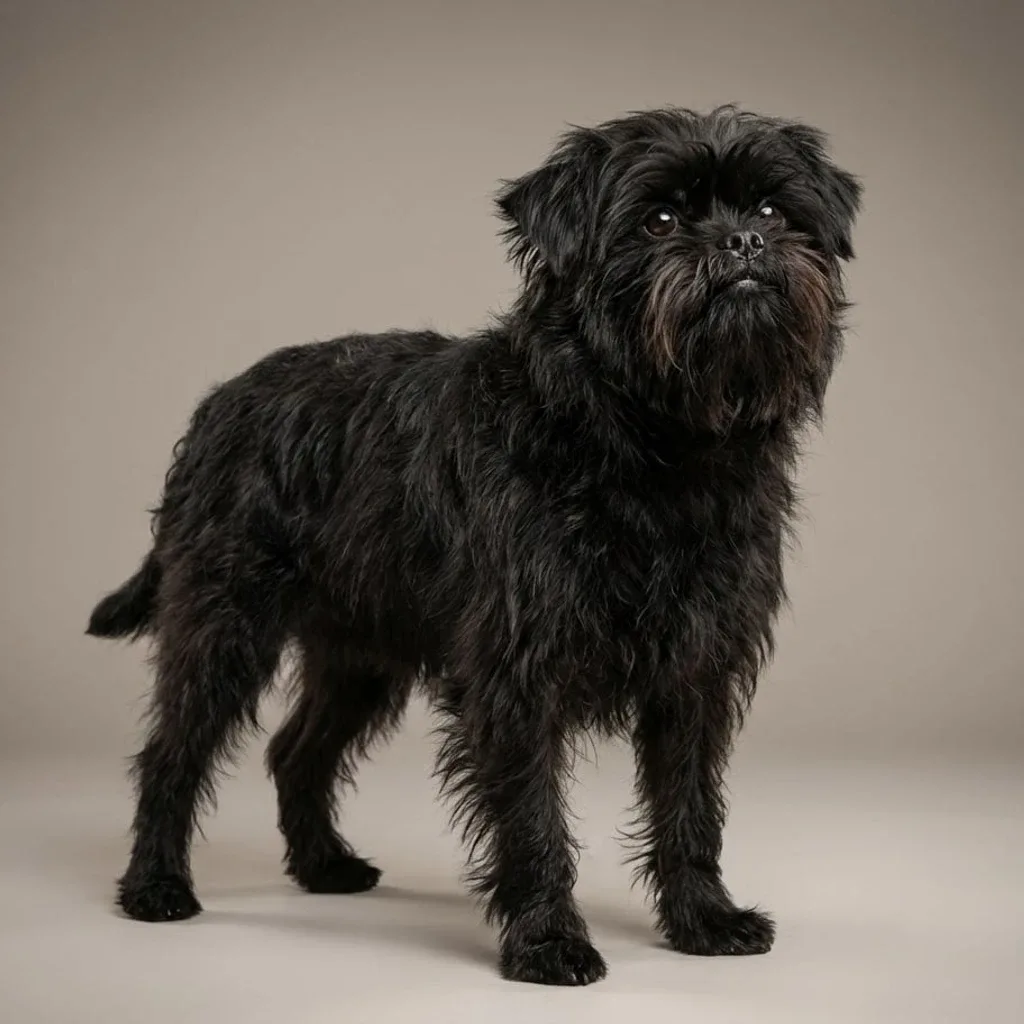
Affenpinscher
The Affenpinscher is a sturdy, monkey-like terrier-type toy breed known for its confidence and playful spirit. Despite its small size, it possesses a courageous heart and a loyal personality, making it a wonderful companion for Kiwi apartment dwellers or those with smaller sections.
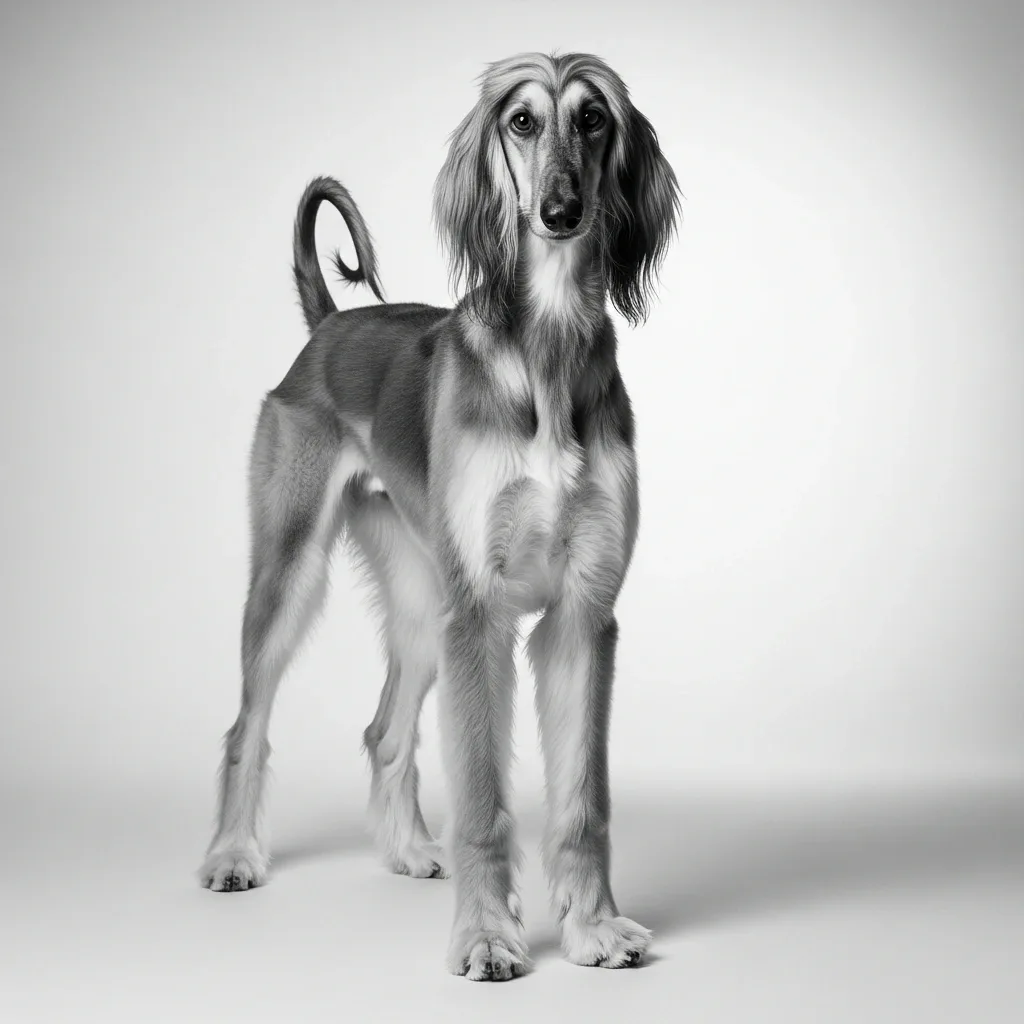
Afghan Hound
The Afghan Hound is an elegant aristocrat with a dignified and aloof personality. Known for its striking, silky coat, this breed is a high-maintenance beauty that requires ample space to run and an owner dedicated to its complex grooming needs.
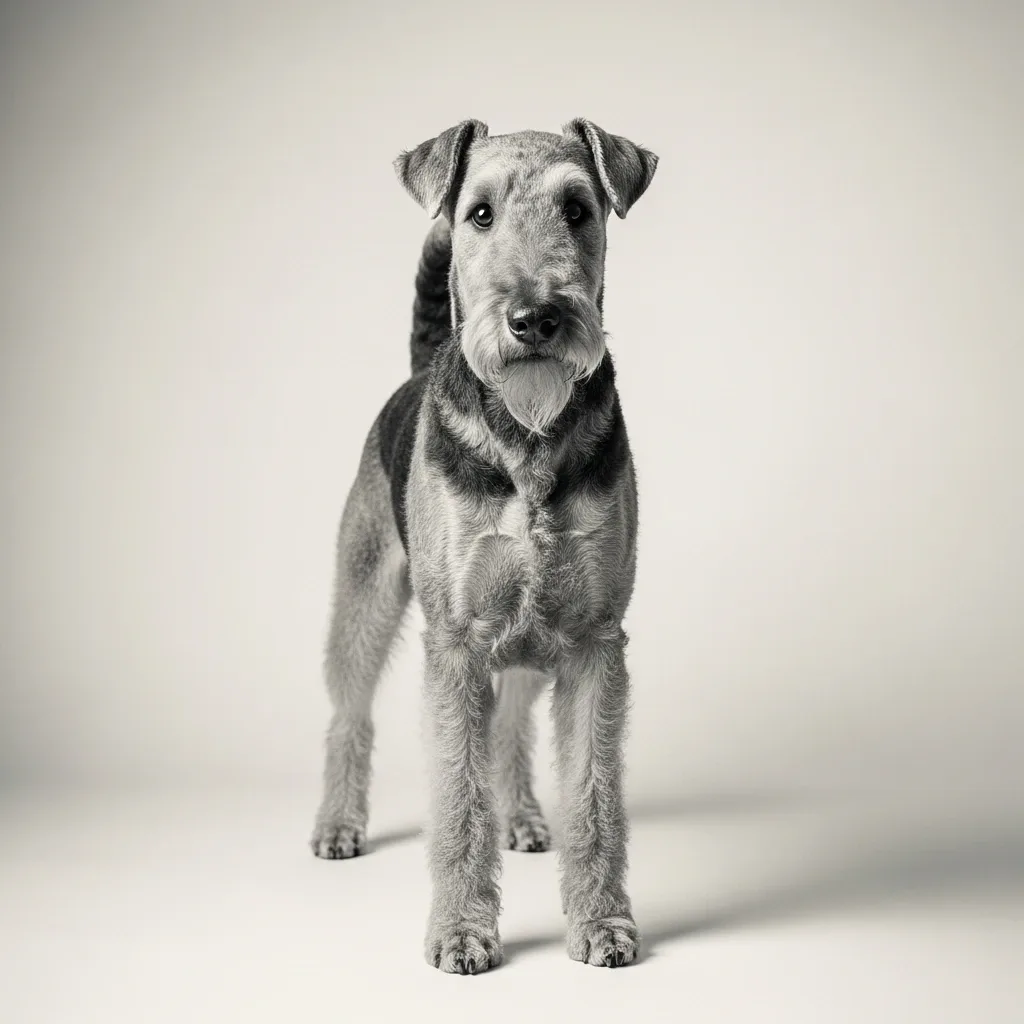
Airedale Terrier
The 'King of Terriers', the Airedale is the largest of all terrier breeds. They are brave, hardworking, and highly intelligent, making them excellent partners for active Kiwi families who love tramping and outdoor adventures.
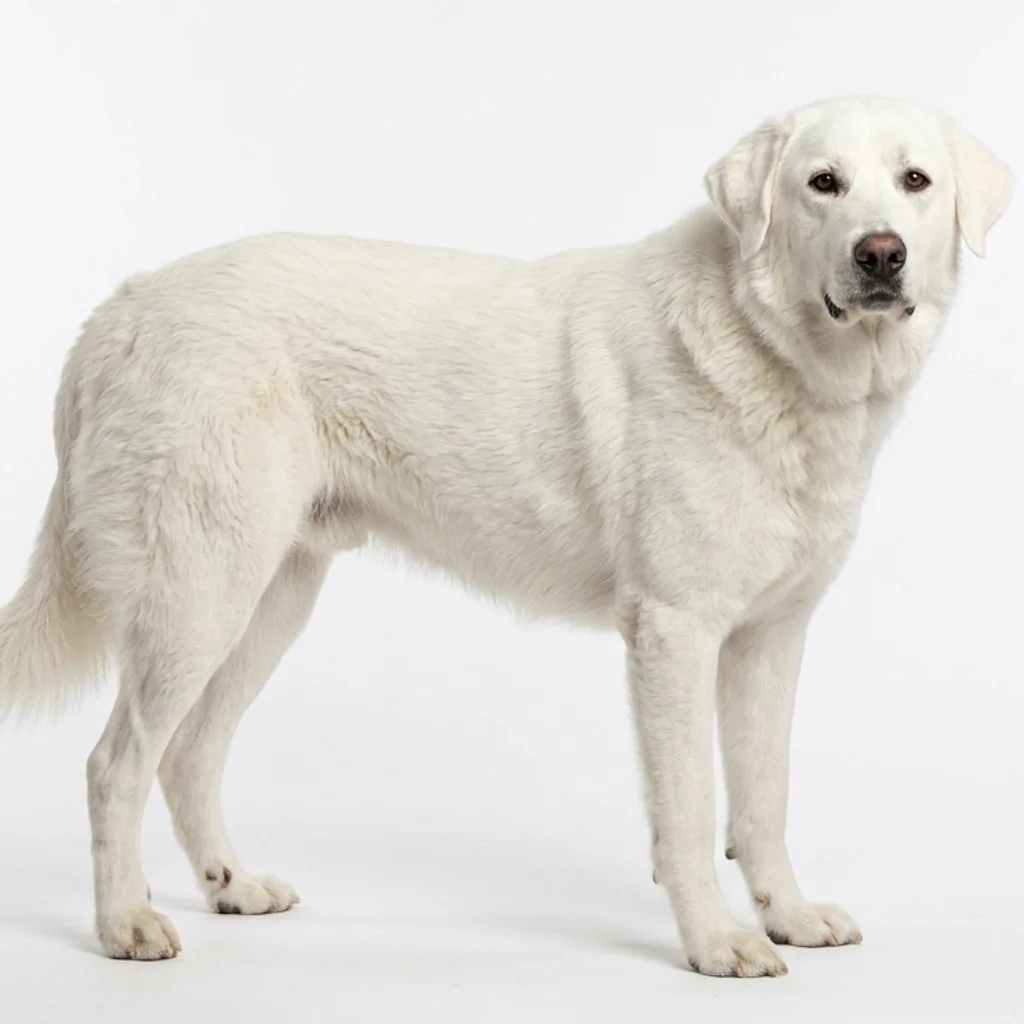
Akbash Dog
Originally a Turkish livestock guardian, the Akbash is a serious, protective, and independent breed. They are not suited for apartment living and thrive on large NZ lifestyle blocks where they can have a 'territory' to watch over.