English Bulldog Breeders NZ (2026): How to Find a Reputable Puppy
How to find a registered English Bulldog breeder in NZ: what to pay, health tests to ask for, and red flags. Includes BOAS breathing info.
English Bulldogs are among the most popular dog breeds in New Zealand — but their demand also makes them one of the most exploited by unethical breeders and puppy farms. Responsible breeding matters especially for this breed because of the health conditions associated with their flat-faced (brachycephalic) structure. This guide helps you find a Dogs NZ registered breeder, understand what to pay, and spot the red flags before you hand over any money. For full breed details, see our English Bulldog breed guide.
---
Start With Dogs NZ Registered Breeders
When searching for a pedigree English Bulldog puppy, your first and most critical step is to find a breeder registered with Dogs New Zealand (Dogs NZ), the national kennel club. Dogs NZ is the country’s official registry for purebred dogs. Registered breeders agree to abide by a strict Code of Ethics that governs animal health, housing conditions, and breeding frequency.
To ensure higher breeding and welfare standards, look for breeders participating in the Dogs NZ Accredited Breeders Scheme. Under this scheme, breeders must meet rigorous guidelines, including permanent identification of breeding dogs via microchipping or DNA profiling, and compulsory breed-specific health screenings. You can find these details on the official Dogs NZ Accredited Breeders Program.
Wait times for a puppy from a reputable, registered breeder are typically long — often ranging from 6 to 18+ months. While this requires patience, it is a positive sign. Ethical breeders only breed when they have established a waiting list of qualified homes, rather than producing litters constantly for quick profit.
---
What to Expect to Pay (2026 NZ Prices)
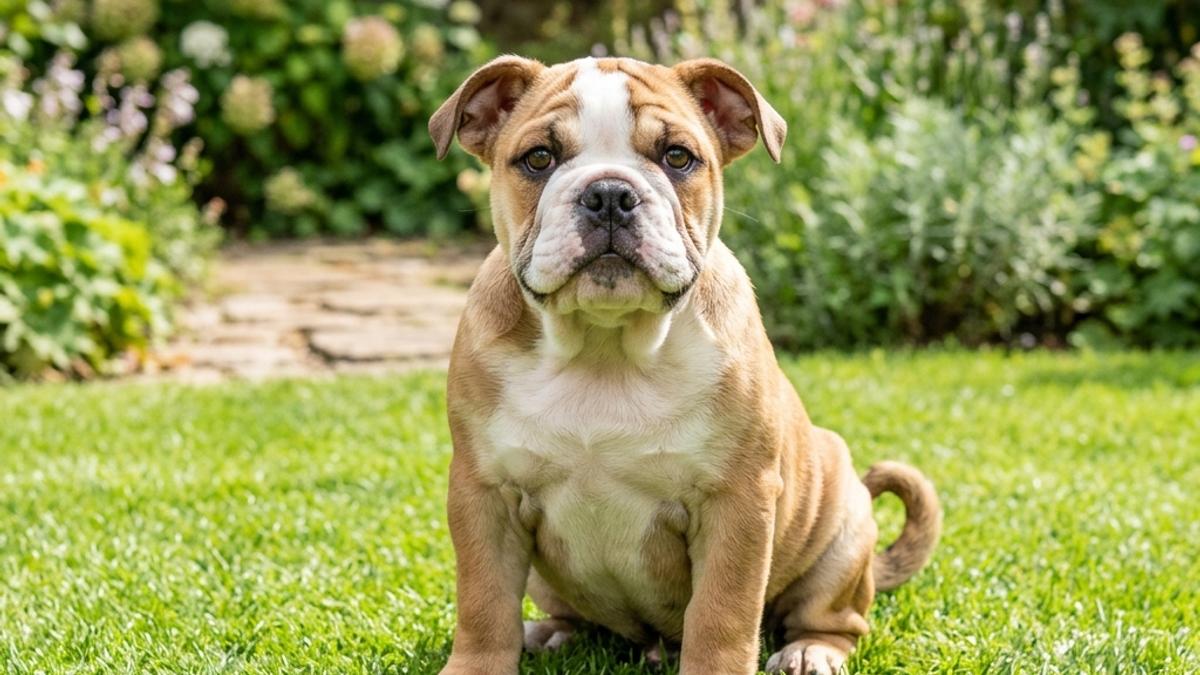
In New Zealand, the price of a registered pedigree English Bulldog puppy from a reputable breeder is typically between $3,500 and $6,000 NZD. This price varies depending on the breeder’s reputation, lineage, and the extent of health screenings completed on the parent dogs.
You will often see listings for "English Bulldogs" on Trade Me or social media groups priced under $2,000 NZD. Prospective buyers must understand that these lower prices are a massive red flag. Unregistered breeders bypass essential (and expensive) genetic health screens and veterinary care. Breeding English Bulldogs responsibly is an exceptionally costly undertaking. Due to their conformation, natural mating is rare, and caesarean sections are almost always required to deliver puppies safely. Responsible breeders also invest heavily in respiratory testing, joint scoring, and intensive early puppy care. A cheap puppy might save you money upfront but can easily lead to thousands of dollars in veterinary surgeries later.
---
Critical Health Tests to Ask For
Because of their unique conformation, English Bulldogs are prone to significant hereditary health issues. A responsible breeder will proactively share veterinary certificates for both parents. Before making any deposit, you must ask for evidence of the following tests:
- BOAS Grade (Brachycephalic Obstructive Airway Syndrome): This is the most crucial health check for this flat-faced breed. BOAS causes airway obstruction, leading to severe breathing difficulty, heat intolerance, and exercise fatigue. You should ask for the parental grading results under the Respiratory Function Grading Scheme (RFG Scheme), which was developed by the University of Cambridge and the Kennel Club (UK). Grade 0 or 1 is acceptable and indicates a clinically unaffected dog. Grade 2 or 3 means the dog is clinically affected by BOAS and should not be bred. For detailed information on this standard, refer to the Cambridge BOAS Research Portal.
- Hip Dysplasia: Bulldogs can suffer from joint issues, including hip dysplasia, where the hip joint doesn't fit properly. Parents should have hip scores assessed by a veterinarian via X-rays to ensure joint health.
- Heart Check: Heart diseases, including congenital murmurs and valve stenosis, can run in certain lines. Parents should be cleared by a veterinarian (or veterinary cardiologist) for cardiac conditions.
- Eye Test: Hereditary eye conditions such as cherry eye, entropion, and corneal ulcers are common in Bulldogs. Annual eye exams are recommended for breeding stock.
*Note: Ethical breeders screen parents to minimise risks, but if health issues arise, always consult a registered veterinarian for professional medical advice. We do not provide specific veterinary or medication recommendations.* *Warning: English Bulldogs are not hypoallergenic, nor are they "easy-care" or low-maintenance dogs. Their skin folds require daily cleaning, and their breathing requires careful management.*
---
Questions to Ask a Breeder
Before buying, conduct an interview with the breeder. Reputable breeders welcome these questions:
- Are you a Dogs NZ registered breeder? Ask for their membership prefix and number to verify.
- Can I visit the puppies and meet the mother? Never buy a puppy without seeing the mother in her home environment.
- Are both parents BOAS-graded, and can I see the certificates?
- Can I see the official hip, heart, and eye test results for both parents?
- Were the puppies delivered via natural birth or caesarean section? (C-sections are very common, but it's important to know the mother's history).
- At what age do puppies leave for their new homes? (Reputable breeders keep them until at least 8 to 10 weeks of age).
- Have the puppies been vet-checked, microchipped, and given their first vaccinations? (Demand the vet records).
- Do you offer a written contract and lifetime rehoming support? (A good breeder will take the dog back at any point in its life if you can no longer keep it).
- What waiting list policy and deposit terms do you have?
---
Red Flags to Avoid
If you notice any of these signs when dealing with a seller, walk away:
- Puppies available immediately with no waitlist: Reputable breeders almost never have puppies ready to go on demand.
- Refusing to let you visit the home or meet the mother: Meetups at carparks or service stations are red flags for puppy mills or online scams.
- No BOAS grading or dismissing breathing concerns: Comments like "she snores but it's normal for the breed" or "my dogs don't need testing because they breath fine" indicate lack of testing.
- Significantly low prices ($1,000–$2,000 NZD): This indicates unregistered breeding with zero health checks.
- Upselling "rare" or non-standard colours: Charging extra for "blue," "merle," or "black and tan" bulldogs is unethical, as these colours often carry genetic defects and are not recognised in the breed standard.
- No official pedigree paperwork: Reputable dogs will be registered on the Dogs NZ registry.
- Pressure to pay a deposit before visiting or seeing live video evidence of the puppies.
---
Rescue and Rehoming Option
If you are open to adopting an adult English Bulldog, rescue organisations are an excellent pathway. Rehoming an adult means you skip the puppy phase and get a clearer picture of the dog's temperament and existing health.
In New Zealand, breed-specific support and rehoming assistance are coordinated by regional groups such as the Southern Bulldog Club. They help relocate bulldogs to suitable homes when owners' circumstances change. For general bull-breed rescue, Christchurch Bull Breed Rescue is a registered charitable trust that frequently rescues, rehabilitates, and rehomes various bull breeds across the South Island.
---
What Comes Next
Welcoming an English Bulldog is a significant, long-term commitment. Given their predispositions to respiratory and joint issues, you must prepare for potential vet costs. Learn more about typical vet fees in our NZ vet costs guide, and read about ongoing upkeep in our cost of owning a dog in NZ guide.
Once you've found a reputable breeder and are preparing for your puppy, you'll need the right supplies. Explore our product collections for high-quality dog food formulated for muscle maintenance, supportive dog beds for heavy-boned breeds, durable dog collars and leads, and suitable dog toys to keep them active and entertained.
Related reading
Sources
- Dogs New Zealand, Accredited Breeders Scheme Health Scheme Standards, checked 2026-07-23: https://www.dogsnz.org.nz/accredited-breeders/health-test-info
- Cambridge Veterinary School, Respiratory Function Grading Scheme for BOAS, checked 2026-07-23: https://www.vet.cam.ac.uk/boas
Related guides
petmall.co.nz
Shop at PetMall
The products below are practical support items for your pet. PetMall ships across New Zealand.
- Dog FoodStart with food that matches your dog's life stage and activity level — and change brands slowly over 7–10 days.
- Dog TreatsTraining rewards and everyday treats — small, soft pieces work best for consistent reinforcement.
- Dog ToysA small rotation of chew, fetch, and puzzle toys usually works better than buying a large variety at once.
- Dog GroomingA gentle brush and the right shampoo make maintenance easier — especially for dogs that get muddy on walks.
- Leads & HarnessesComfort matters: padded contact points and adjustable fit help reduce rubbing on longer walks or tramping weekends.
- Flea & Worm TreatmentFor NZ conditions, look for protection that fits your routine (monthly vs longer-lasting) and your dog's weight range.