Pet Breed Guide NZ
Hermann's Tortoise
Hermann's Tortoises are small, docile land tortoises native to southern Europe. Possessing beautiful shells and gentle temperaments, they make great outdoor pets in warmer parts of NZ, but require a 50+ year commitment.
Photo Gallery
NZ Ownership Snapshot
Verified NZ Status- UVB Required
- Yes
Hermann's Tortoises are legal to keep as pets in New Zealand from established captive breeding populations. They are long-lived animals requiring a lifetime commitment.
Breed Snapshot
- Size
- small
- Lifespan
- 50+ years — longer than most humans will keep a pet
- Origin
- Mediterranean Europe (southern France, Italy, Balkans)
- Care Focus
- Gentle, curious, surprisingly personable for a reptile; active during the day; recognises owners over time
- NZ Price
- $300–$800 NZD; less common in NZ than other reptiles; ask specialist breeders
Personality Scores
Hermann's Tortoise (Testudo hermanni) is a small, charming, and highly popular land tortoise native to the Mediterranean region of Europe. Characterized by their beautiful black and yellow patterned shells and gentle, curious temperaments, they make wonderful, personable companions. Hermann's Tortoises can recognize their owners over time, eagerly approaching for food. However, keeping a tortoise is a lifetime commitment; they possess an extraordinary lifespan, frequently living 50 to 80+ years in captivity.
Because they are native to Mediterranean Europe, their climate requirements are highly compatible with parts of New Zealand. In warmer regions like Auckland, Nelson, or Marlborough, Hermann's Tortoises can be housed in secure outdoor pens during spring and summer. The outdoor pen must have solid, climb-proof walls (as they will try to climb wire mesh) and be dug into the ground to prevent burrowing escapes. It must also feature a wire mesh roof to protect young tortoises from NZ birds of prey like hawks.
For indoor keeping, a "tortoise table" (a large, open-topped wooden enclosure) is far superior to a glass vivarium. The enclosure must provide a basking spot of 30–35°C and high-output UVB 10.0 lighting. Hermann's Tortoises are strict herbivores; their diet should consist entirely of calcium-rich weeds and leafy greens, such as dandelions, plantain, clover, and romaine lettuce. Never feed them fruit, spinach, or iceberg lettuce, as these cause severe digestive and metabolic issues. Unlike European keepers, most New Zealand owners choose not to hibernate their tortoises due to NZ's relatively mild winters, keeping them indoors under active heating during the colder months.
Related Breeds & Species
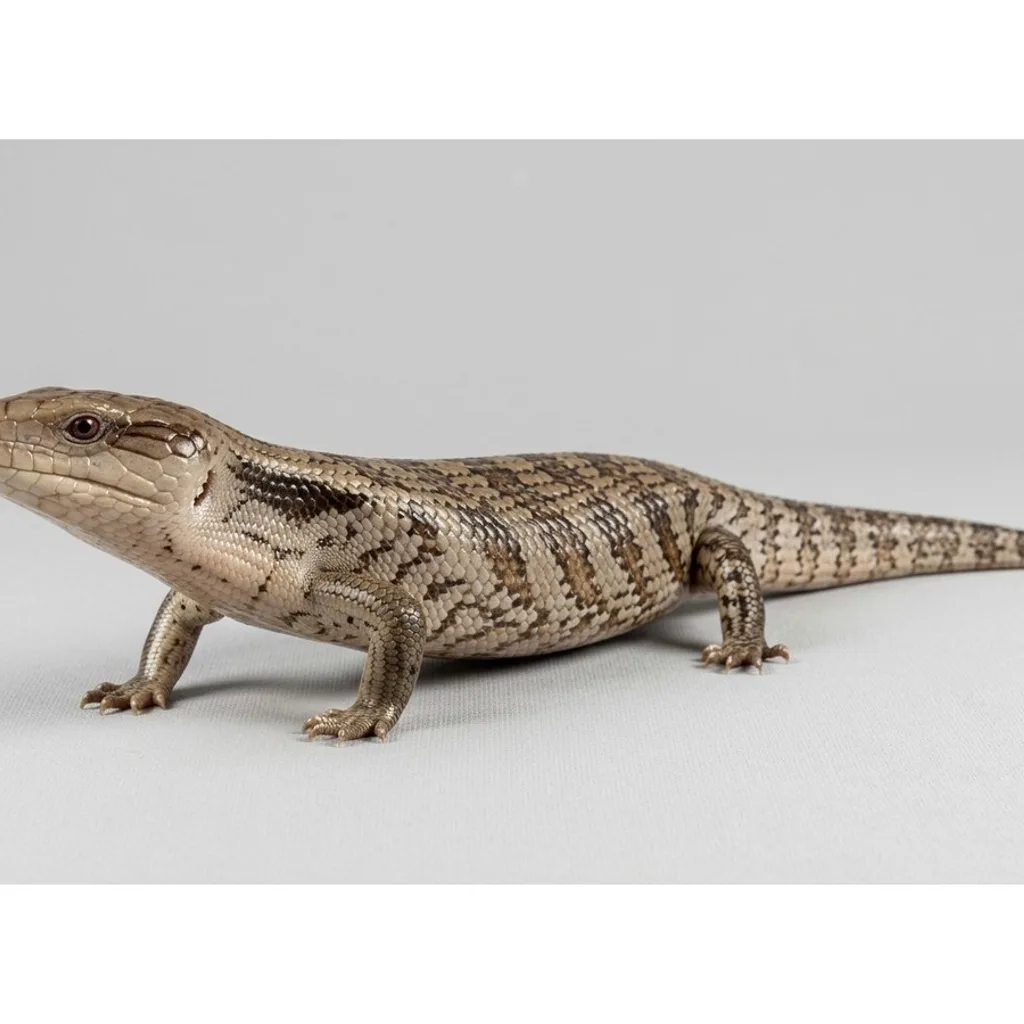
Blue-tongued Skink
Restricted in NZBlue-tongued Skink is a medium reptile originating from Australia. It is legal to keep in NZ, but in the Auckland region it is a listed pest: breeding, distributing, releasing or selling one is banned there. Typical lifespan is 15-20 years.
PetMall visual placeholder
Cunningham's Skink
A medium-sized Australian spiny skink noted for its unique social behavior, allowing stable groups to be kept together. Requires rock-stacked enclosures, high UVB, and an omnivorous diet.
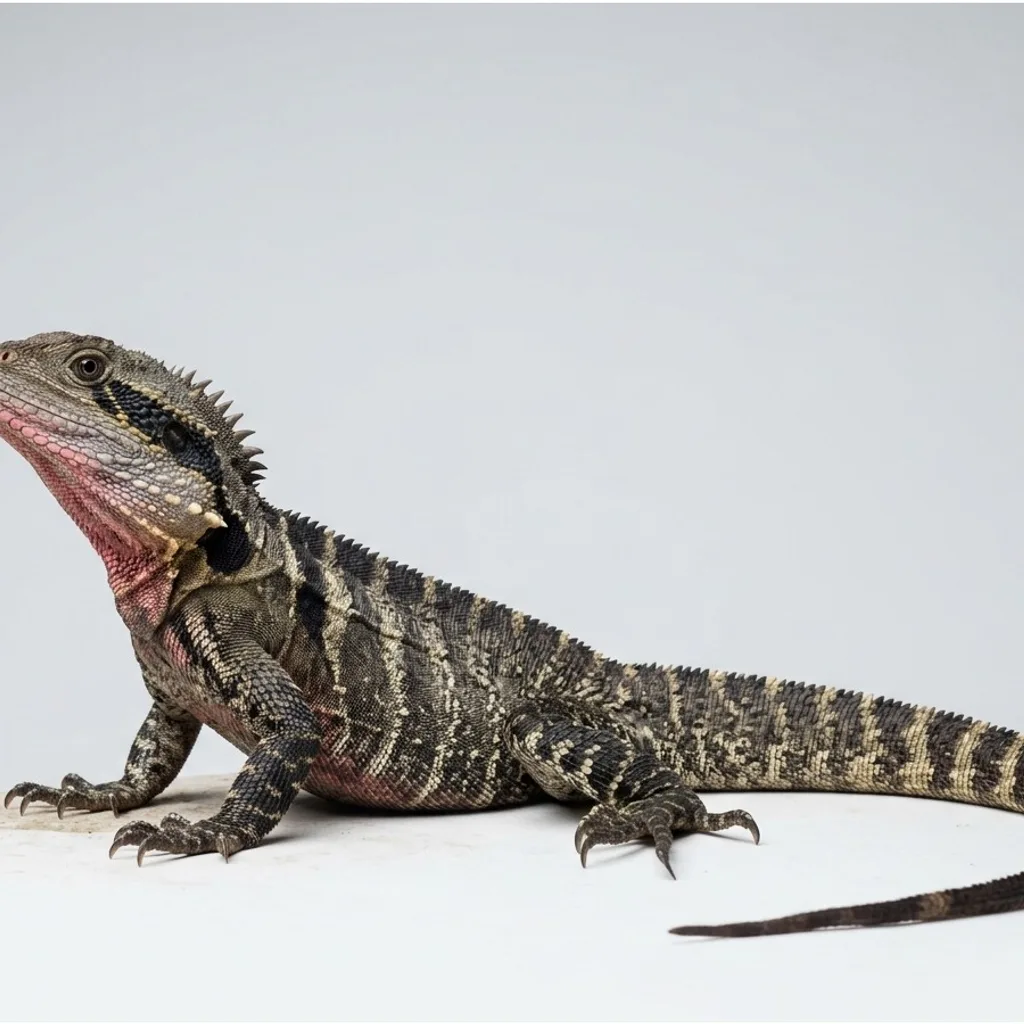
Australian Water Dragon
Australian Water Dragons are large, active semi-arboreal lizards native to Australia. They need large vertical climbing enclosures, high humidity, and a swimming pool, and are the only water dragon legal in NZ.
PetMall visual placeholder
Reeve's Turtle (Chinese Pond Turtle)
A small-to-medium semi-aquatic pond turtle characterized by three prominent ridges on its shell. Extremely hardy and personable, making it an excellent beginner turtle. Requires shallow aquariums, basking docks, and high UVB.
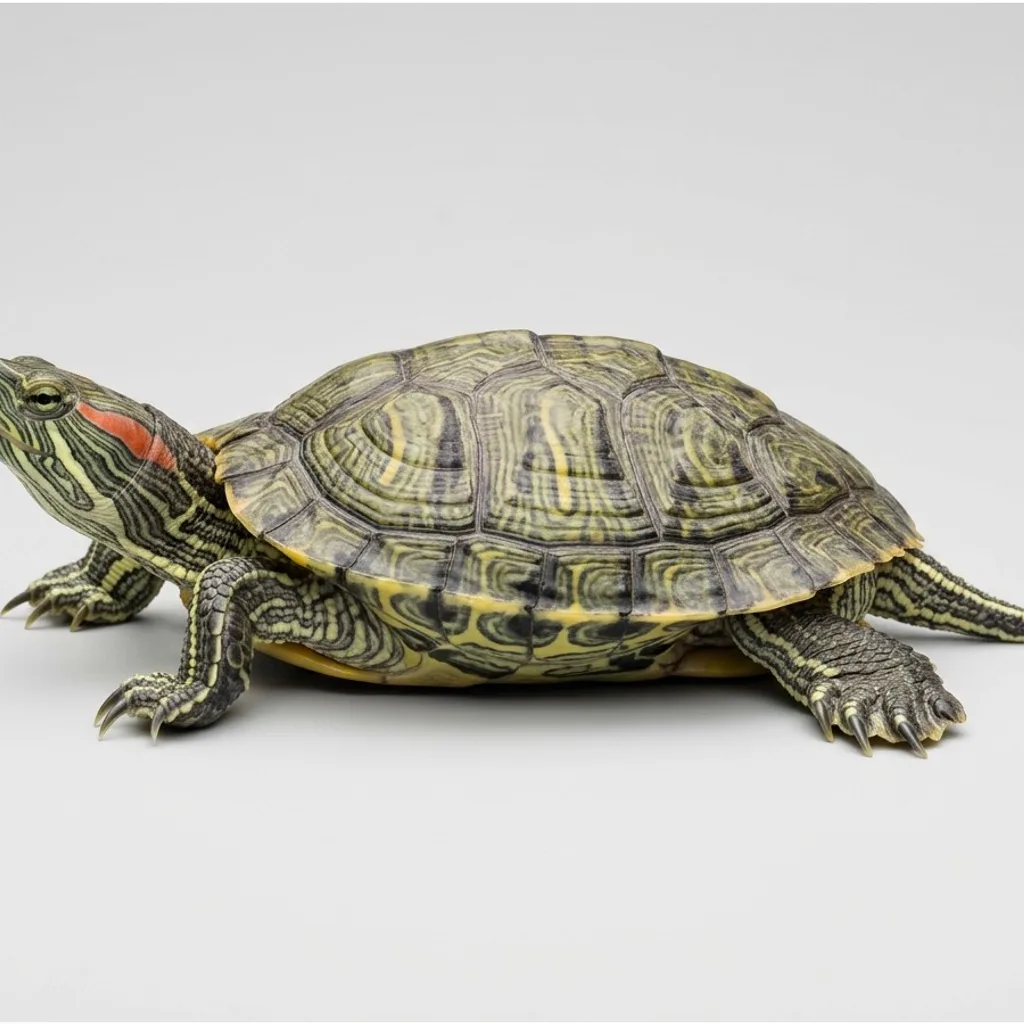
Red-eared Slider Turtle
Red-eared Slider Turtles are semi-aquatic reptiles recognizable by the red stripe behind their eyes. They are highly active swimmers that need a large water tank, a dry basking dock, and intense UVB lighting.
PetMall visual placeholder
Chinese Fire-bellied Newt
A small, cool-water aquatic newt from China. Notable for being smaller and more fully aquatic than the Japanese species. Requires low-flow sponge filters, cool temperatures, and zero handling due to skin toxins.