Pet Breed Guide NZ
Axolotl (Mexican Walking Fish)
Axolotls are neotenic, fully aquatic salamanders native to Mexico. Famous for their branch-like external gills and smiling expressions, they are popular, low-maintenance aquarium pets in NZ.
Photo Gallery
NZ Ownership Snapshot
Verified NZ Status- Water Type
- freshwater
- Tank Size
- 80
- UVB Required
- No
Axolotls are legal to keep as pets in New Zealand, sourced from established NZ captive breeding populations. They are not native to NZ and cannot be released into the wild.
Breed Snapshot
- Size
- small
- Lifespan
- 10–15 years in captivity with proper care
- Origin
- Mexico (Lake Xochimilco)
- Care Focus
- Calm, fascinating, aquatic; best observed rather than handled; can regenerate limbs
- NZ Price
- $80–$250 NZD depending on morph; wildtype cheaper, rare morphs (melanoid, golden albino) more expensive
Personality Scores
The Axolotl (Ambystoma mexicanum), also commonly known as the Mexican Walking Fish, is one of the most unique and fascinating amphibians in the world. Unlike other amphibians that undergo metamorphosis to develop lungs and live on land, axolotls exhibit neoteny (or pedomorphosis), meaning they retain their larval characteristics—such as their spectacular, feathery external gills and fully aquatic lifestyle—throughout their entire lives. They are also famous in scientific research for their extraordinary ability to regenerate lost limbs, heart tissue, and even portions of their brains without scarring.
In New Zealand, axolotls have become incredibly popular pets due to their charming, almost smiling facial expressions and low-maintenance daily routine compared to dogs or cats. However, they are sensitive creatures that require specific water conditions to thrive. A minimum tank size of 60 litres is required for a single adult axolotl, and longer tanks are vastly preferred over tall ones, as axolotls are bottom-dwellers who spend their time walking along the substrate. Because they have highly sensitive skin and gills, the water must be dechlorinated using a reliable conditioner like Seachem Prime.
One of the most critical challenges for New Zealand keepers is managing water temperature during the summer months. Axolotls stress easily when water temperatures rise above 20°C, and sustained exposure to 22°C or higher can be fatal. In warmer regions like Auckland or Northland, keeping the tank cool is a major priority, often requiring the use of aquarium fans or a dedicated chiller. Their diet should consist of high-quality earthworms, bloodworms, and specialized axolotl pellets. Never keep axolotls with fish, as fish will nip at their delicate gill feathers. Axolotls can be sourced locally via reputable hobbyists on Trade Me or specialized aquarium stores.
Related Breeds
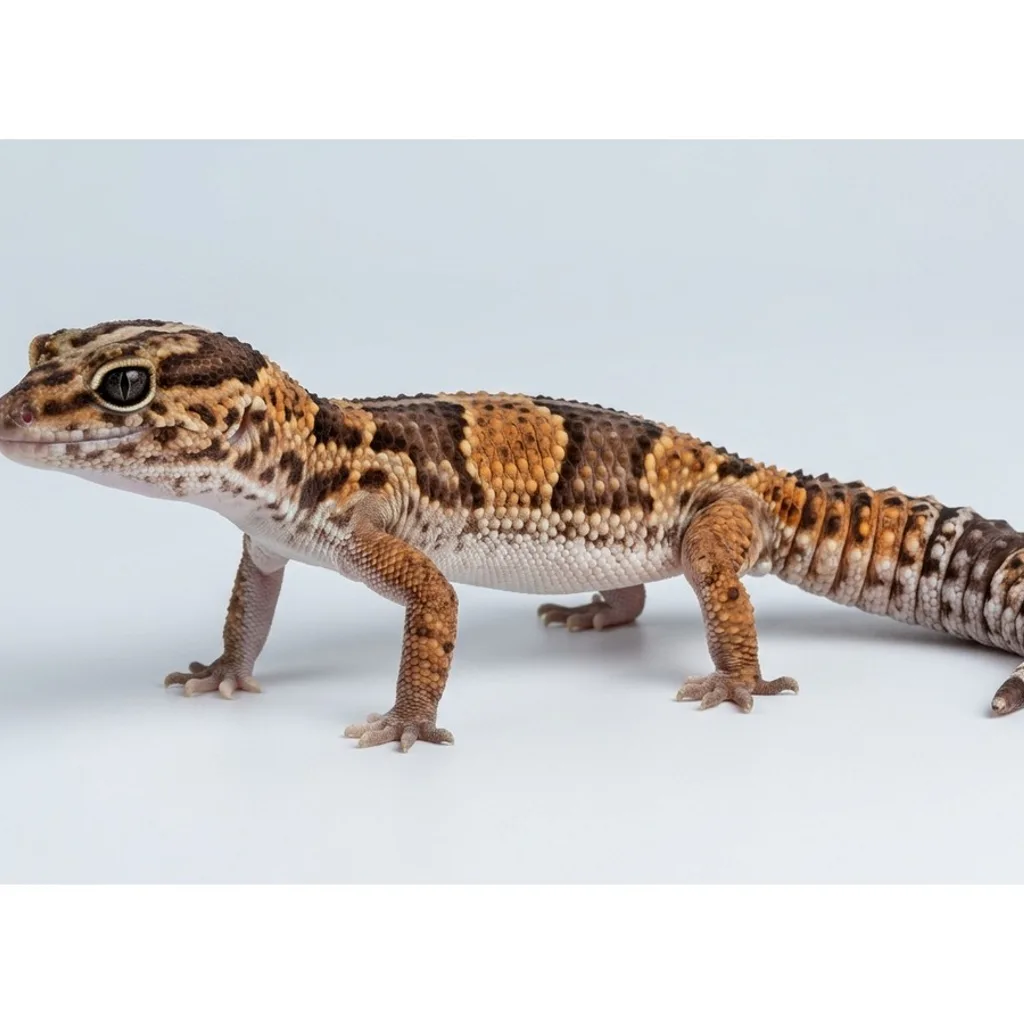
African Fat-tailed Gecko
The African Fat-tailed Gecko is a popular beginner reptile overseas, but it is prohibited in New Zealand: there is no legal captive population, reptile imports for the pet trade are not permitted, and under the HSNO Act 1996 it counts as a "new organism" that cannot lawfully be kept. This page explains the species and the NZ legal reality rather than how to keep one here. Typical lifespan in captivity overseas is 15-20 years.
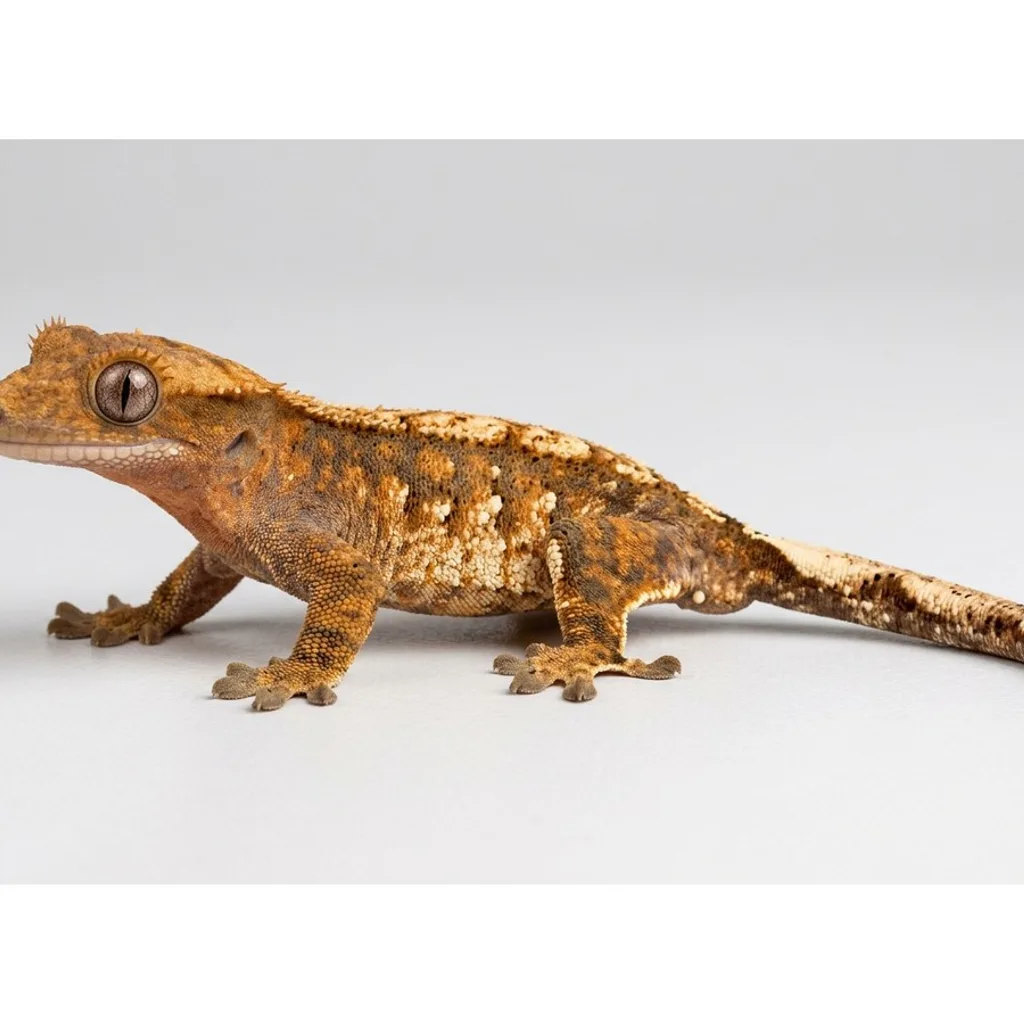
Crested Gecko
Crested geckos are hugely popular overseas, but they are not part of New Zealand's pet trade. Reptiles cannot be imported as pets, and there is no established NZ crested gecko population — they are absent from the New Zealand Herpetological Society's list of exotic reptiles kept here, and no NZ breeder or retailer offers them. Treat any local "crested gecko for sale" listing with extreme caution. If you want an NZ-legal lizard, look at leopard geckos, bearded dragons or blue-tongued skinks instead.
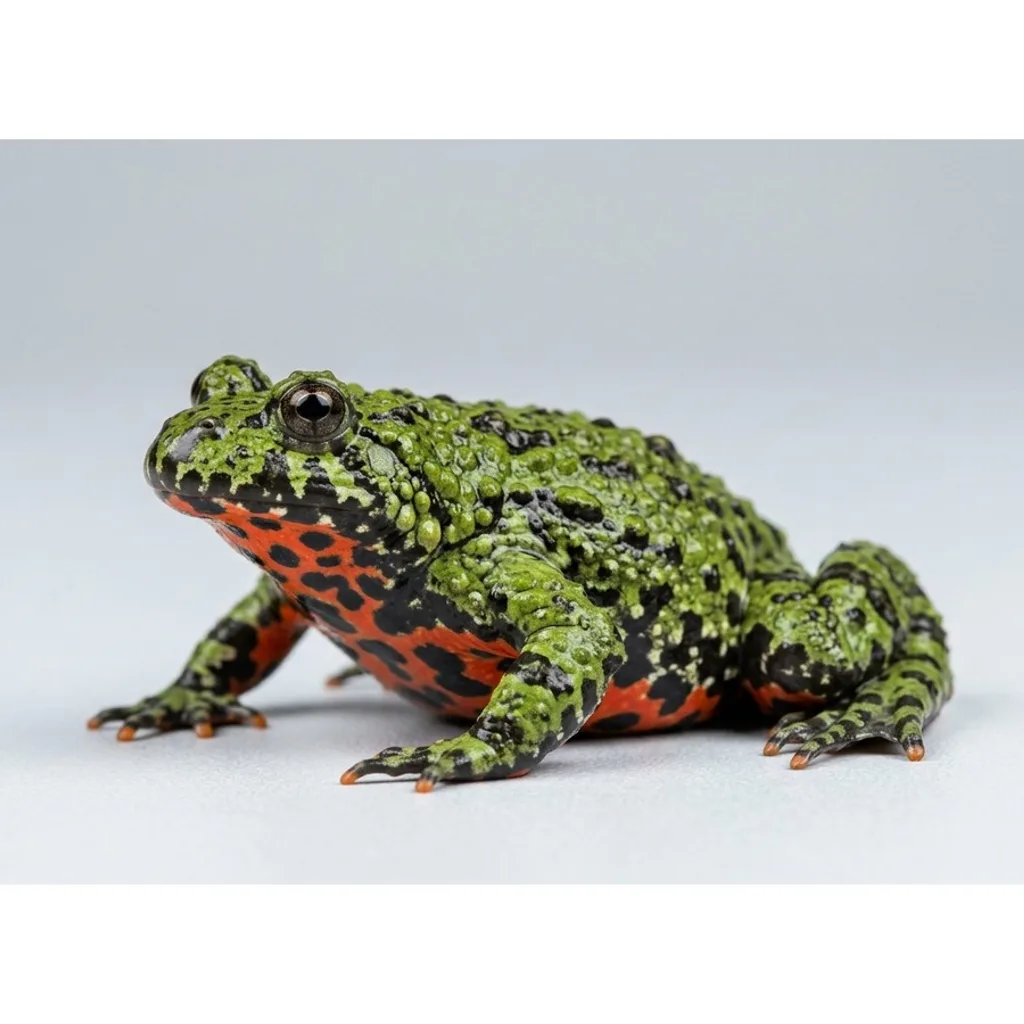
Fire-bellied Toad
The Fire-bellied Toad is not legally keepable in New Zealand; this page details the legal framework and approved alternative reptile species.
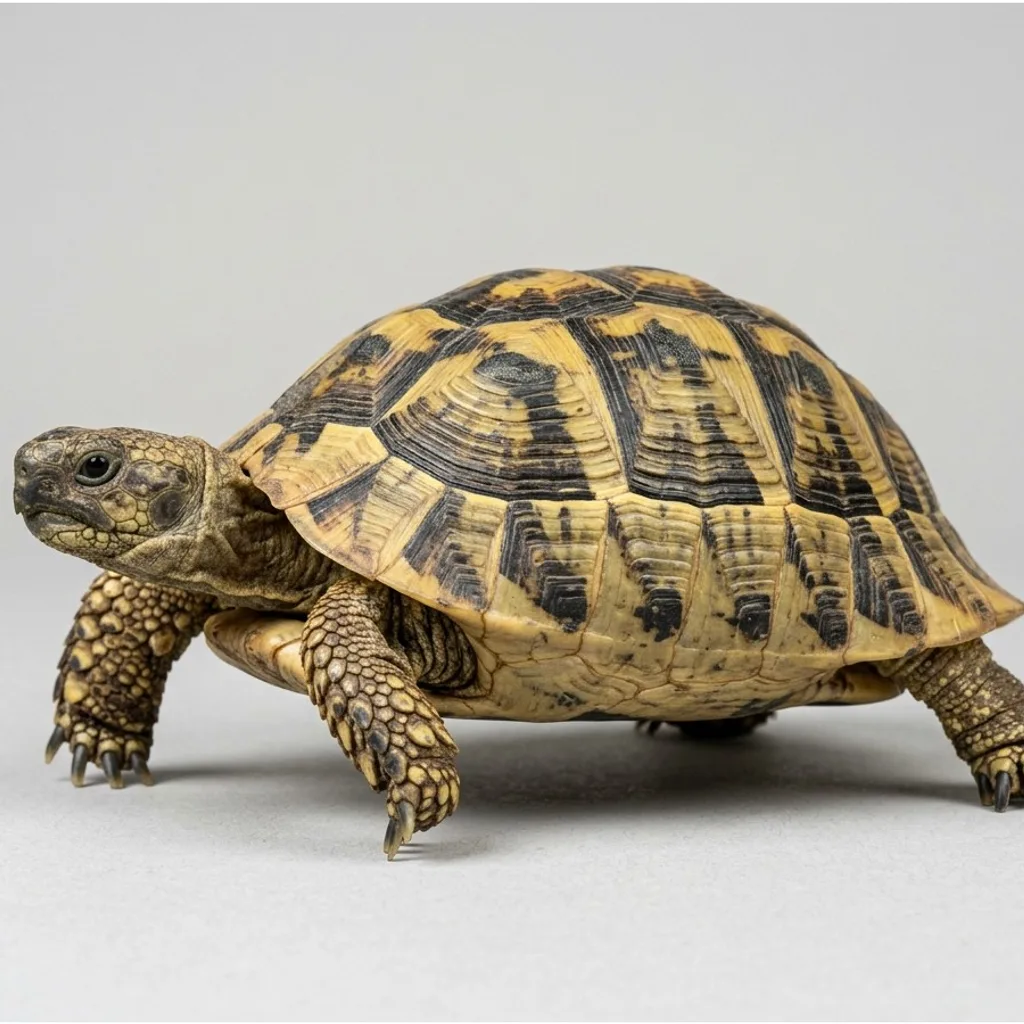
Hermann's Tortoise
Hermann's Tortoises are small, docile land tortoises native to southern Europe. Possessing beautiful shells and gentle temperaments, they make great outdoor pets in warmer parts of NZ, but require a 50+ year commitment.