Renting With Pets NZ: 7 Pet Bond Rules for Tenants
Renting with pets NZ guide: understand pet consent, pet bonds, tenant responsibilities, landlord conditions, and finding pet-friendly rentals.
Quick Answer: What the 2024 Tenancy Changes Mean
Since 1 December 2025, changes under the Residential Tenancies Amendment Act 2024 have made it easier for New Zealanders to rent with pets. Landlords can no longer unreasonably refuse a tenant's request to have a pet. They must consider all requests and can only decline if there are reasonable grounds, such as the property not being suitable or body corporate rules prohibiting pets. Landlords can also require a 'pet bond' to cover potential pet-related damage. You can read the official detail on the Tenancy Services pet bond page.
The Pet Bond: What Landlords Can and Cannot Ask
Under the rules in effect since 1 December 2025, landlords can ask for a pet bond. This bond is specifically designed to cover any damage caused by your pet beyond normal wear and tear. Here's what you need to know:
- Maximum Amount: A pet bond can be no more than two weeks' rent.
- Separate from General Bond: This pet bond is in addition to the standard tenancy bond (which is typically up to four weeks' rent). It's held separately and specifically for pet-related damage.
- Purpose: It can only be used to remedy damage caused by the pet, or to cover costs related to flea treatment or cleaning if specified in the tenancy agreement and necessary at the end of the tenancy.
- Refundable: Like a regular bond, the pet bond is refundable at the end of your tenancy, provided there's no pet-related damage or outstanding cleaning/treatment costs.
- No Pet Rent: Landlords cannot charge 'pet rent' – an ongoing fee for having a pet. The pet bond is a one-off payment.
- Existing Tenancies: If you already have a pet in your rental before 1 December 2025, your landlord cannot then ask for a pet bond unless you request to add a new pet after this date.
Understanding these rules helps you budget and know your rights regarding pet-related costs. For further details, refer to the Tenancy Services pet bond guidance.
Approaching Your Landlord: What Actually Works
Even with the upcoming changes, a proactive and well-organised approach significantly increases your chances of securing a pet-friendly rental. Before the 2025 changes, your landlord has full discretion. After, they still need to agree to reasonable conditions.
Start by creating a comprehensive 'pet CV' or profile. This should include:
- Pet's Details: Name, age, breed, weight, and a recent photo. For example, a calm Cavalier King Charles Spaniel or a quiet Ragdoll cat might be easier to approve.
- Temperament and Training: Describe your pet's personality. Is it quiet, house-trained, well-socialised, and does it have any obedience training? Mention if they're spayed/neutered and up-to-date on vaccinations and flea/worm treatments.
- Care Routine: Explain how you care for your pet. Do you walk your dog daily? Is your cat an indoor-only pet? How long are they left alone each day?
- References: Include contact details for previous landlords (if applicable) or a vet who can vouch for your pet's good health and your responsible ownership.
- Damage Prevention Plan: Outline how you'll prevent damage. This could include using scratch posts, pet gates, or ensuring regular grooming.
- Offer a Pet Bond (Pre-2025): Before the 2025 changes, offering an additional 'pet bond' (even if not legally required) can show your commitment and willingness to cover potential costs. This demonstrates you're a responsible tenant.
- Professional Cleaning: Offer to have the property professionally cleaned and flea-treated at the end of your tenancy.
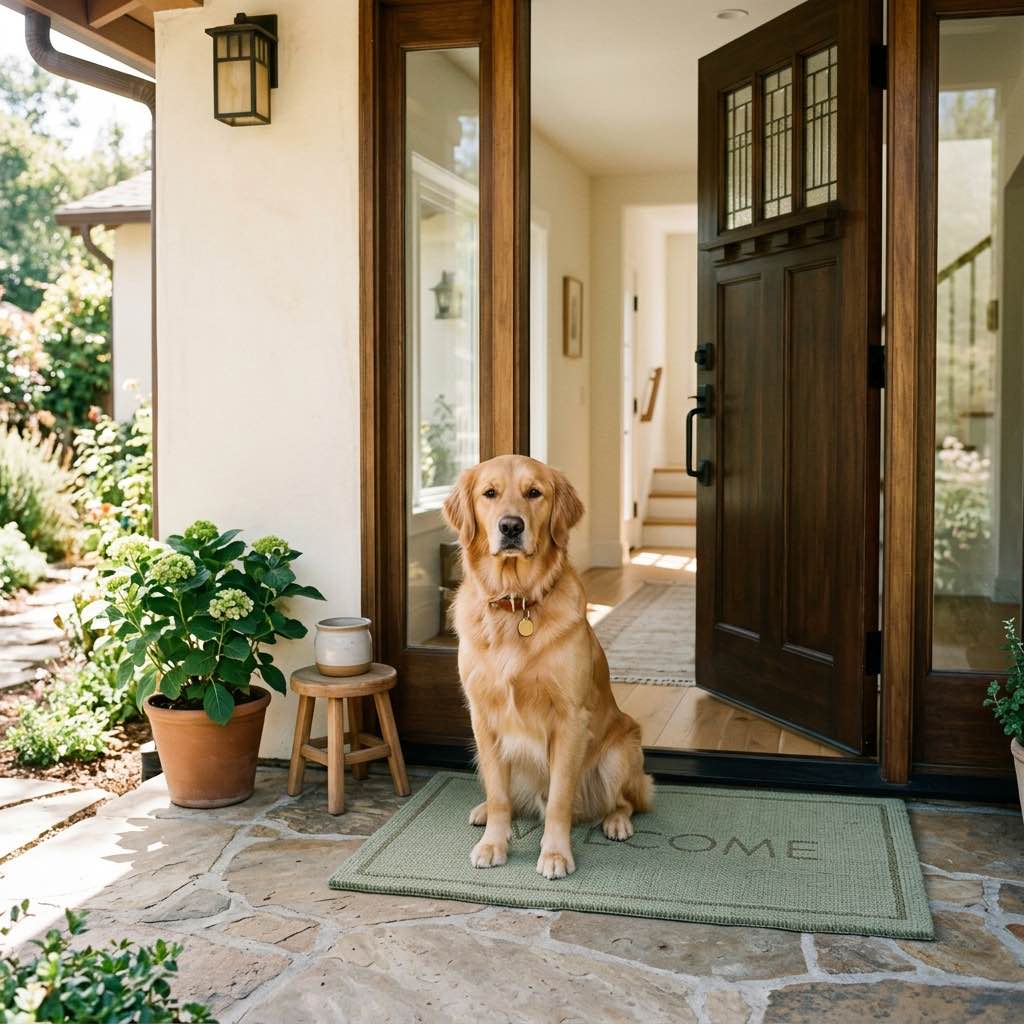
When you communicate with your landlord, be polite, transparent, and ready to discuss any concerns they might have. A well-prepared proposal shows you're a responsible pet owner and a desirable tenant.
Tenant Rights and Responsibilities With Pets
Renting with pets in New Zealand comes with both rights and significant responsibilities, whether under current rules or the upcoming 2025 changes.
Your Rights (Post-1 December 2025):
Your primary right is that a landlord cannot unreasonably refuse your request to have a pet. This means they must have a valid, justifiable reason to say no. Examples of reasonable grounds for refusal include:
- Property Suitability: The property is genuinely unsuitable for the type or number of pets requested (e.g., a large dog in a tiny studio apartment with no outdoor space).
- Body Corporate Rules: The property is part of a body corporate that has a clear, enforceable bylaw prohibiting pets or specific types of pets. We'll cover this more in the next section.
- Health and Safety: The pet poses a genuine health or safety risk to other tenants or neighbours.
- Nuisance: The pet is likely to cause an unreasonable nuisance to neighbours (e.g., excessive barking).
If a landlord refuses your request, they must provide their reasons in writing. If you believe the refusal is unreasonable, you can apply to the Tenancy Tribunal for a decision.
Your Responsibilities as a Pet Owner:
Regardless of the law, your responsibilities as a pet owner are paramount. These are often the basis for a landlord's conditions and are crucial for maintaining a good tenancy:
- Damage: You are responsible for any damage your pet causes to the property beyond normal wear and tear. This includes scratches on floors or doors, chewed skirting boards, or stained carpets. The pet bond helps cover these costs, but your liability isn't limited to the bond amount if the damage is extensive.
- Nuisance: Your pet must not cause a nuisance to neighbours or other tenants. This includes excessive barking, persistent meowing, strong odours, or aggressive behaviour. Being a good neighbour is key to a harmonious living situation.
- Hygiene and Cleanliness: You must keep the property clean and free from pet waste, odours, and pests (like fleas). Regular cleaning, grooming, and flea/worm treatments are essential.
- Pet Care: You are responsible for the proper care and welfare of your pet, including providing adequate food, water, shelter, exercise, and veterinary care. Neglecting your pet could lead to issues with animal welfare authorities and your landlord. Consider the potential NZ vet costs guide when budgeting for pet ownership.
- Compliance with Conditions: Your landlord can impose reasonable conditions on having a pet. These might include:
- Number and Type of Pets: Limiting the number of pets or specifying certain breeds.
- Indoor/Outdoor Access: Requiring cats to be indoor-only or dogs to be kept in a specific area.
- Flea Treatment: Requiring professional flea treatment at the end of the tenancy.
- Professional Cleaning: Requiring professional carpet cleaning at the end of the tenancy.
- Supervision: Ensuring pets are not left unsupervised for extended periods.
- Council Bylaws: You must comply with all local council bylaws regarding pet ownership, such as dog registration, leash laws, and limits on the number of animals.
- Communication: Maintain open communication with your landlord about your pet. If there are any issues or changes, address them promptly.
Understanding and upholding these responsibilities is vital for a successful tenancy with your beloved animal companion. For current rules, you can check Tenancy Services current pet rules.
Body Corporate, Council, and Apartment Rules
When renting with pets in New Zealand, it's not just your landlord's consent you need to consider. Other layers of rules can impact your ability to have a pet, especially in urban areas or multi-unit dwellings.
Body Corporate Rules: Many apartments, townhouses, and units are part of a body corporate. This is an administrative entity that manages the common property and services for a complex. Body corporates often have their own set of bylaws, and these can include strict rules about pets.
- Pet Bans: Some body corporates have outright bans on pets. If a property is subject to such a bylaw, your landlord cannot override it, and you will not be able to have a pet there, even after the 2025 tenancy law changes.
- Restrictions: Other body corporates might allow pets but with significant restrictions, such as:
- Limiting the size, weight, or breed of dogs.
- Requiring pets to be carried in common areas.
- Specifying that pets must be indoor-only.
- Requiring prior approval from the body corporate committee.
It's crucial to ask your landlord or property manager to provide a copy of the body corporate bylaws before you sign a tenancy agreement, especially if you have a pet or plan to get one. For more specific advice on living in apartments, see our guide to the best pets for NZ apartments.
Council Bylaws: Local councils across New Zealand have bylaws that govern pet ownership, particularly for dogs. These can include:
- Dog Registration: All dogs over three months old must be registered with the local council.
- Number Limits: Some councils have limits on the number of dogs or cats you can keep on a property without a special permit.
- Leash Laws: Rules about where dogs must be on a leash and designated off-leash areas.
- Nuisance Control: Bylaws addressing barking, fouling, and other nuisances.
Always check your local council's website for their specific animal management bylaws.
Apartment-Specific Considerations: Beyond formal rules, apartment living presents practical challenges for pets. You need to consider:
- Space: Is there enough space for your pet to live comfortably? Small apartments might be suitable for certain breeds like a Bichon Frise or specific cat breeds, but not a large, active dog.
- Exercise: How will your pet get enough exercise? Access to parks or walking routes is vital.
- Noise: Will your pet's noise disturb neighbours in close proximity?
- Waste Management: How will you manage pet waste responsibly in an apartment setting?
Choosing a pet that suits apartment living is key. You might find our guides to apartment-friendly cat breeds and dog breeds for Auckland apartments helpful.
Pet-Friendly Rentals: How to Find Them
Finding a pet-friendly rental in New Zealand can feel like a challenge, but with the right strategy, it's certainly achievable.
- Be Upfront: Always disclose that you have a pet from your very first enquiry. Don't wait until you've viewed the property or applied.
- Use Specific Search Terms: When searching online, use keywords like "pet-friendly," "pets considered," or "dogs allowed." Many rental websites now have filters for pet policies.
- Network: Tell friends, family, and colleagues that you're looking for a pet-friendly rental. Word-of-mouth can be incredibly effective.
- Prepare Your Pet CV: As mentioned earlier, a professional pet CV can make a huge difference. Have it ready to send with your application.
- Look for Private Landlords: Sometimes, private landlords can be more flexible than large property management companies, as they might have a personal connection to pets.
- Consider the Property Type: Properties with fully fenced yards or ground-floor access are often more appealing to landlords considering pets.
Final Thoughts
Renting with pets in New Zealand is becoming more accessible, particularly with the upcoming 2025 law changes. By understanding your rights, fulfilling your responsibilities, and approaching the process with preparation and transparency, you can significantly improve your chances of finding a welcoming home for you and your animal companion. Being a responsible pet owner is the best way to ensure a smooth tenancy and encourage more landlords to open their doors to pets.
---
Reference sources
- Tenancy Services, Tenancy law changes, checked 2026-06-04: https://www.tenancy.govt.nz/law-changes/
- Tenancy Services, Charging a pet bond, checked 2026-06-04: https://www.tenancy.govt.nz/rent-bond-and-bills/bond/charging-a-bond/charging-a-pet-bond/
- New Zealand Legislation, Residential Tenancies Amendment Act 2024, checked 2026-06-04: https://www.legislation.govt.nz/act/public/2024/52/en/latest/
- New Zealand Legislation, Residential Tenancies Act 1986, checked 2026-06-04: https://www.legislation.govt.nz/act/public/1986/120/en/latest/