Dog Breed Guide NZ
Bichon Frisé
The Bichon Frisé is a truly delightful companion, instantly recognisable by their cloud-like white, curly double coat and sparkling dark eyes. These cheerful, sturdy small dogs are renowned for their happy-go-lucky and affectionate nature, making them wonderful additions to many Kiwi homes. With a playful disposition and an intelligent mind, they thrive on interaction and love being part of the family action. Their adaptable size and moderate exercise needs mean they fit seamlessly into various New Zealand lifestyles, whether it's a bustling Auckland flat or a house with a modest section in the regions, bringing boundless joy and a wagging tail to their owners.
Photo Gallery
Breed Snapshot
- Size
- 5-8 kg
- Lifespan
- 14-15 years
- Origin
- Being enriched
- Temperament
- Happy, playful, affectionate, intelligent, gentle, energetic
- NZ Price
- $2,500 - $4,500 NZD from registered breeders; $150-$350 NZD adoption via SPCA
- Annual Vet Cost
- Estimated annual vet costs for a Bichon Frisé in NZ typically range from $400 - $800 NZD for routine care, including vaccinations, annual check-ups, and parasite prevention. However, this breed can be prone to certain health issues that may incur additional costs. Patellar luxation, a common small-breed condition, could lead to surgical costs of $1,500 - $4,000 NZD per knee. Dental disease is prevalent, with professional cleanings ranging from $300 - $800 NZD, potentially more if extractions are needed. Allergies can require ongoing medication or specialised diets, costing $50 - $200 NZD per month. Bladder stones might necessitate dietary changes or surgery, potentially $1,000 - $3,000 NZD. Eye conditions like cataracts may also require specialist vet attention.
Personality Scores
NZ Lifestyle Fit
The Bichon Frisé is remarkably adaptable to various New Zealand living situations. They are an excellent choice for apartment living, particularly in cities like Auckland or Wellington, due to their small size and moderate exercise requirements. A daily walk around the block or a play session in a local park is usually sufficient. For homes with a section, a secure backyard provides a great space for them to burn off energy, though they are primarily indoor dogs who thrive on human companionship. They are not suited for rural NZ farm life, as their delicate coat is not designed for rough terrain or outdoor work, and they would be prone to picking up debris. New Zealand's climate requires specific considerations. Auckland's humid summers necessitate diligent grooming to prevent their dense double coat from matting and causing skin issues. In colder South Island winters, a Bichon Frisé will appreciate a warm indoor environment and may benefit from a dog coat during outdoor excursions. The high UV levels across New Zealand mean owners should be mindful of sun protection for any exposed skin, such as their nose, and ensure they have shaded areas when outdoors. There are no specific MPI restrictions on owning a Bichon Frisé in New Zealand.
Origins & History
The Bichon Frisé boasts a rich history, believed to have descended from the Barbet or Water Spaniel, and is part of the Barbichon family of dogs, which also includes the Maltese, Havanese, and Bolognese. Originating in the Mediterranean, these charming little dogs were popular with sailors and traders, eventually making their way to the Canary Islands. By the 13th century, they were brought to mainland Europe, where they quickly became favourites among the French and Italian nobility. Their cheerful disposition and elegant appearance made them highly sought-after companions, often depicted in royal portraits. Despite a period of decline after the French Revolution, the Bichon Frisé found new life as circus performers and street entertainers, showcasing their intelligence and agility. They were officially recognised as a breed in France in 1933 and later gained popularity worldwide, arriving in New Zealand much later but quickly winning the hearts of Kiwis with their endearing qualities.
Appearance
The Bichon Frisé is a small, compact dog, typically weighing between 5 to 8 kg, as indicated by the raw data. Their most distinguishing feature is their magnificent double coat: a soft, dense undercoat and a coarse, curly outer coat, which gives them their characteristic powder puff or cotton ball appearance. This coat is always white, though puppies may have cream, buff, or apricot markings that usually fade with age. Dark, round eyes and a black nose stand out against their pristine fur, giving them an alert and intelligent expression. They have a plumed tail that curls gracefully over their back, and small, dropped ears that are well-covered with hair. Their gait is lively and springy, reflecting their joyful personality.
Temperament & Personality
As the raw data suggests, the Bichon Frisé is a bundle of joy, known for being "happy, playful, affectionate, intelligent, gentle, and energetic." These dogs are true companions, thriving on human interaction and forming strong bonds with their families. They possess a naturally cheerful and outgoing disposition, often greeting strangers with enthusiasm. Their intelligence makes them quick learners, though they can sometimes exhibit a stubborn streak. Bichons are generally good with children and other pets, provided they are properly socialised from a young age. They love to play and enjoy being the centre of attention, but are also content to cuddle up on the couch. While energetic, their exercise needs are moderate, making them suitable for various living environments. They are known for their 'Bichon Blitz' – short bursts of playful energy, often followed by a nap.
Life in New Zealand
Bichon Frisés are well-suited to life in New Zealand, adapting comfortably to both urban flats and houses with a section. Their small size makes them ideal for apartment living, especially in cities like Auckland or Wellington, provided they receive daily walks and mental stimulation. For those with a backyard, a secure section offers a safe space for play, though they are not outdoor dogs and prefer to be inside with their family. New Zealand's varied climate, from humid Auckland summers to colder South Island winters, means their distinctive coat requires consistent care to prevent matting and ensure their comfort. They are not typically suited for rural farm life, as their coat can easily pick up burrs and debris, and they lack the instincts for working dog roles.
Is This the Right Breed for You?
The Bichon Frisé is an excellent choice for individuals or families seeking a devoted, cheerful, and relatively low-shedding companion. They thrive in homes where they receive plenty of attention and are included in daily activities. If you're prepared for regular grooming commitments and enjoy a playful, affectionate dog, a Bichon could be a perfect match. They are generally good with children and other pets, making them suitable for family environments. However, if you're looking for an independent dog that can be left alone for long periods, or a dog for strenuous outdoor activities like long tramping expeditions, a Bichon Frisé might not be the best fit. Their need for companionship and consistent grooming are key considerations for potential Kiwi owners.
Fun Facts
Fact 1
The name "Bichon Frisé" translates from French to "curly lap dog."
Fact 2
They were once popular performers in circuses and street shows, known for their charming tricks.
Fact 3
Bichons are considered a 'hypoallergenic' breed due to their low-shedding coat, making them suitable for some allergy sufferers.
Fact 4
During the French Revolution, many Bichons lost their noble status and became companions to commoners and street performers.
Fact 5
They are often mistaken for other small white breeds like Maltese or miniature Poodles due to their similar appearance.
Related Breeds
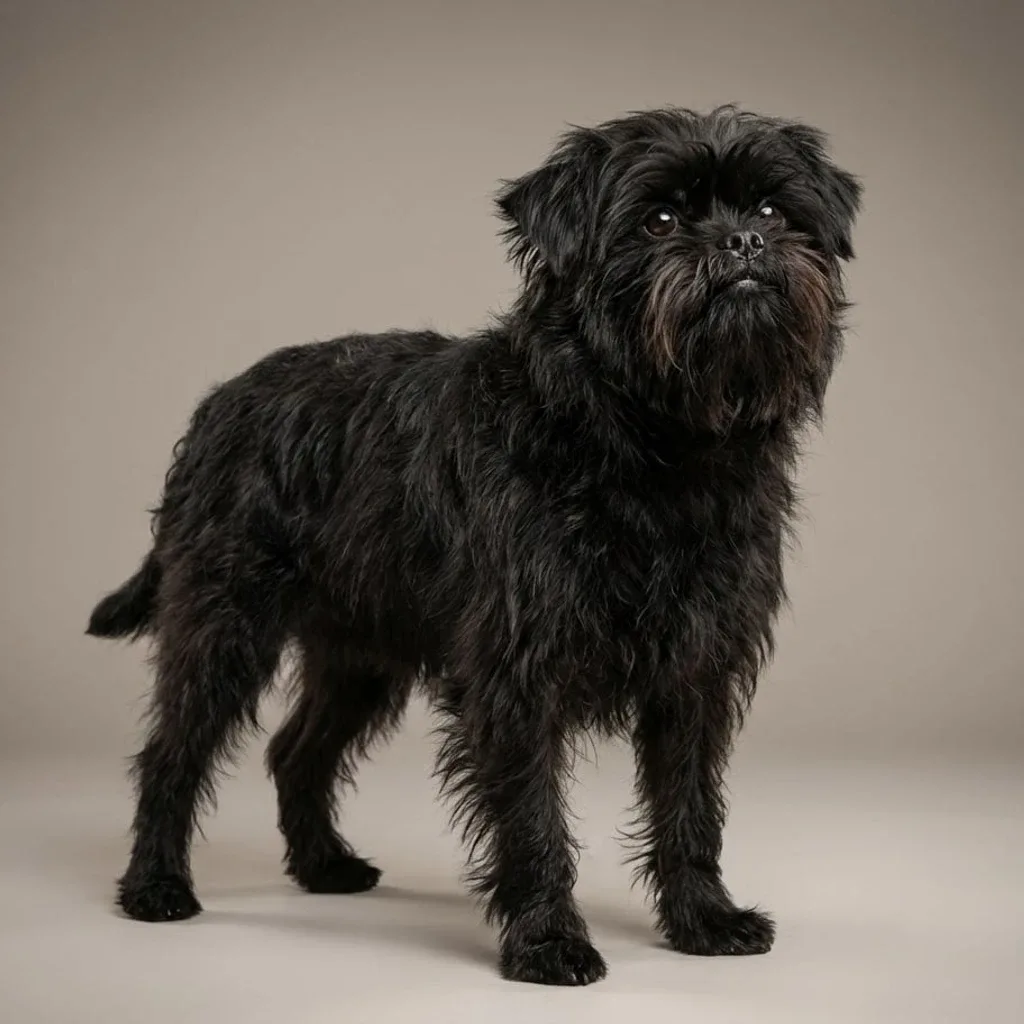
Affenpinscher
The Affenpinscher is a sturdy, monkey-like terrier-type toy breed known for its confidence and playful spirit. Despite its small size, it possesses a courageous heart and a loyal personality, making it a wonderful companion for Kiwi apartment dwellers or those with smaller sections.
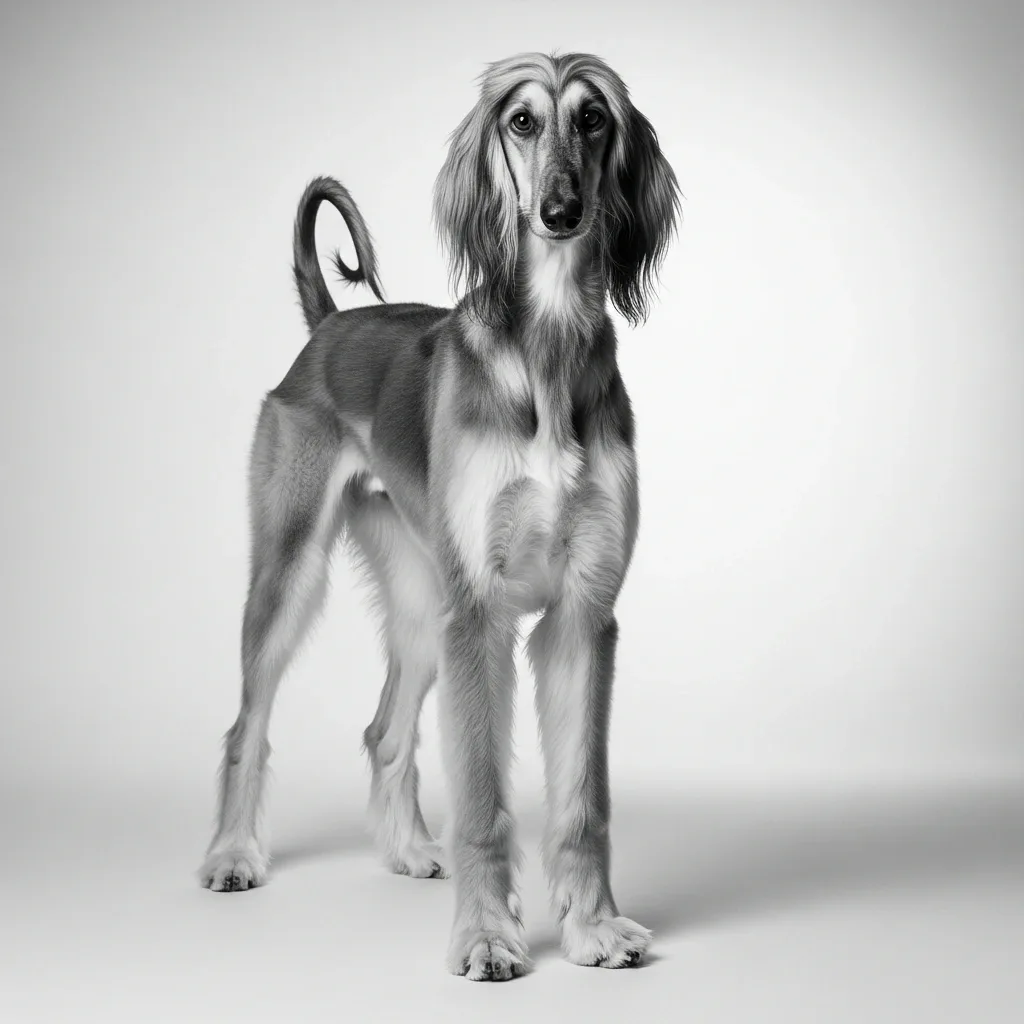
Afghan Hound
The Afghan Hound is an elegant aristocrat with a dignified and aloof personality. Known for its striking, silky coat, this breed is a high-maintenance beauty that requires ample space to run and an owner dedicated to its complex grooming needs.
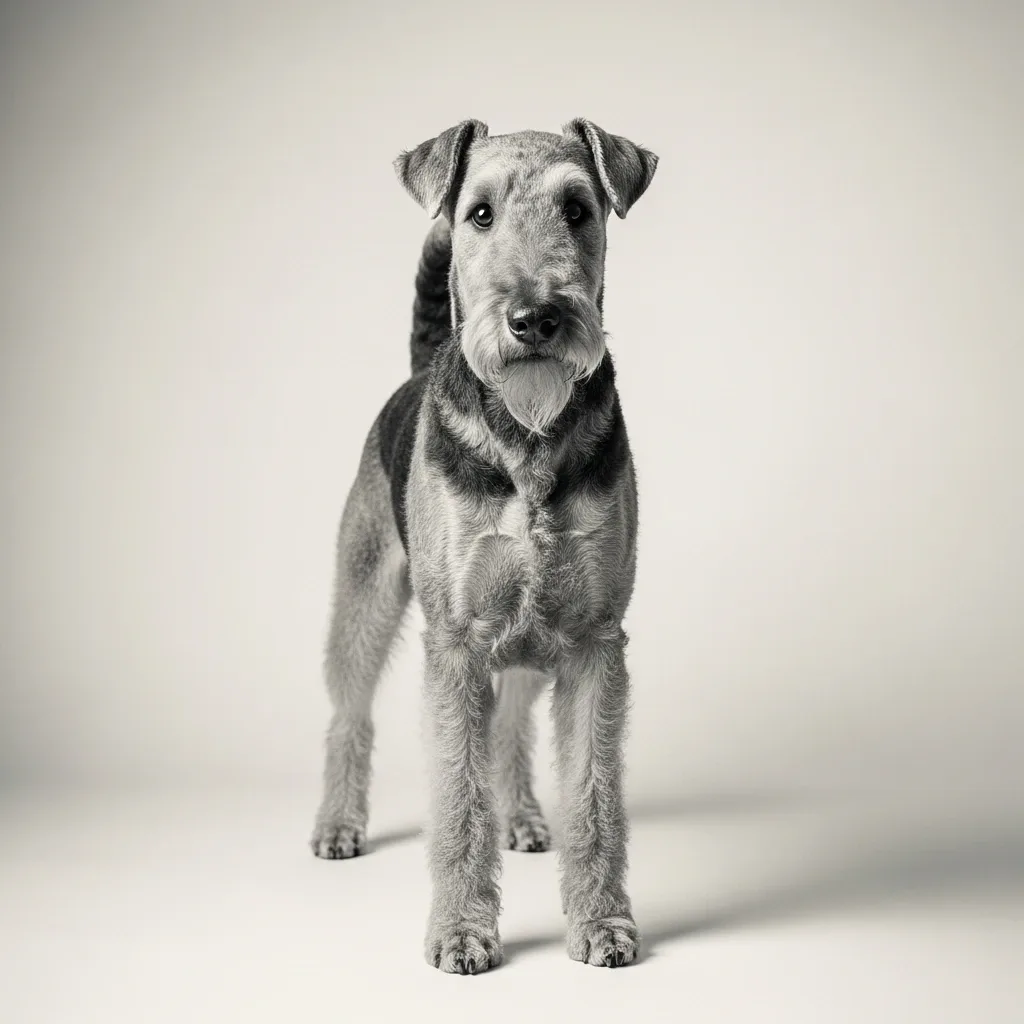
Airedale Terrier
The 'King of Terriers', the Airedale is the largest of all terrier breeds. They are brave, hardworking, and highly intelligent, making them excellent partners for active Kiwi families who love tramping and outdoor adventures.
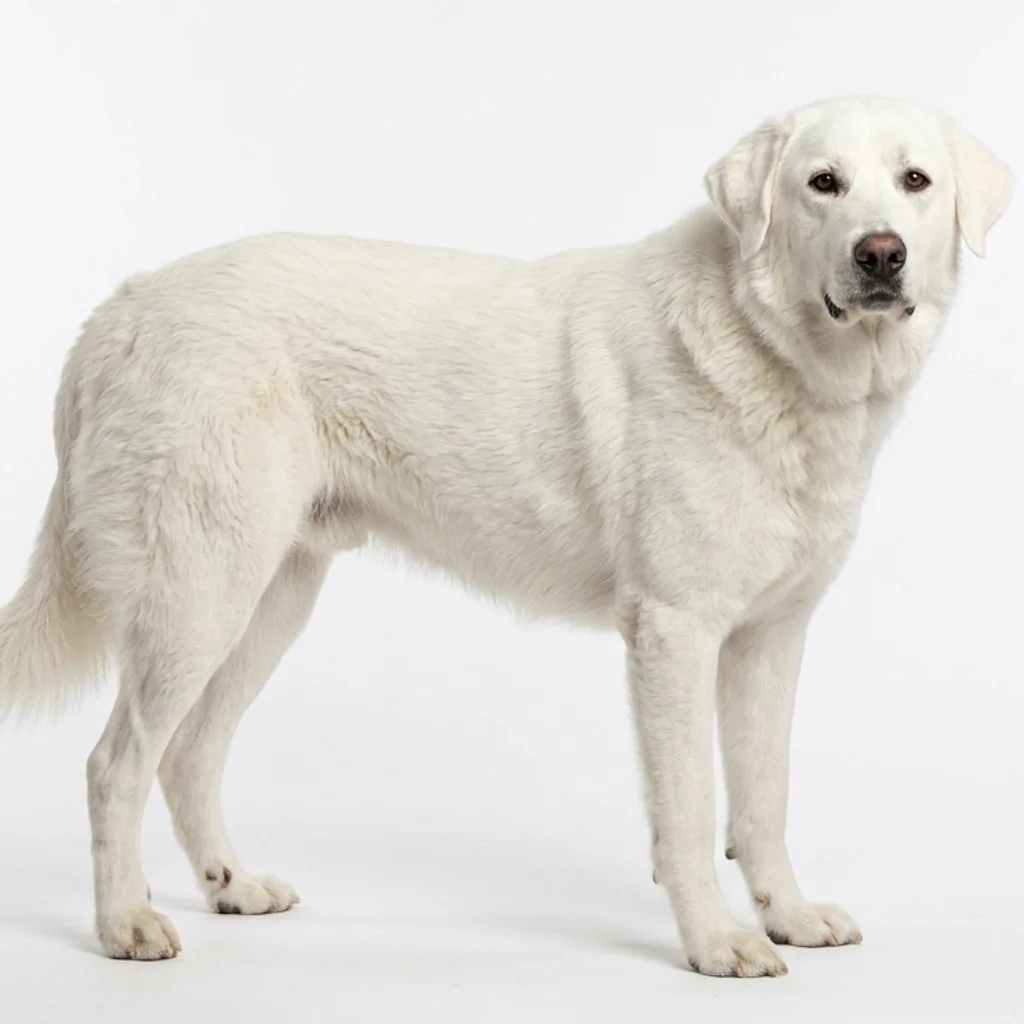
Akbash Dog
Originally a Turkish livestock guardian, the Akbash is a serious, protective, and independent breed. They are not suited for apartment living and thrive on large NZ lifestyle blocks where they can have a 'territory' to watch over.