Dog Injures a Neighbour's Cat in NZ: Who Pays the Vet Bill?
Dog injured a cat in NZ? Learn who may pay the vet bill, what to document, when to call council or insurer, and ways to recover costs after an incident.
When a dog injures a neighbour's cat, the first question is usually practical: who pays the vet bill? In New Zealand, the answer depends on the facts, the people involved, any insurance cover, and any council action. This guide gives general information only. It does not decide liability in a specific incident and it is not legal advice.
What to do right now
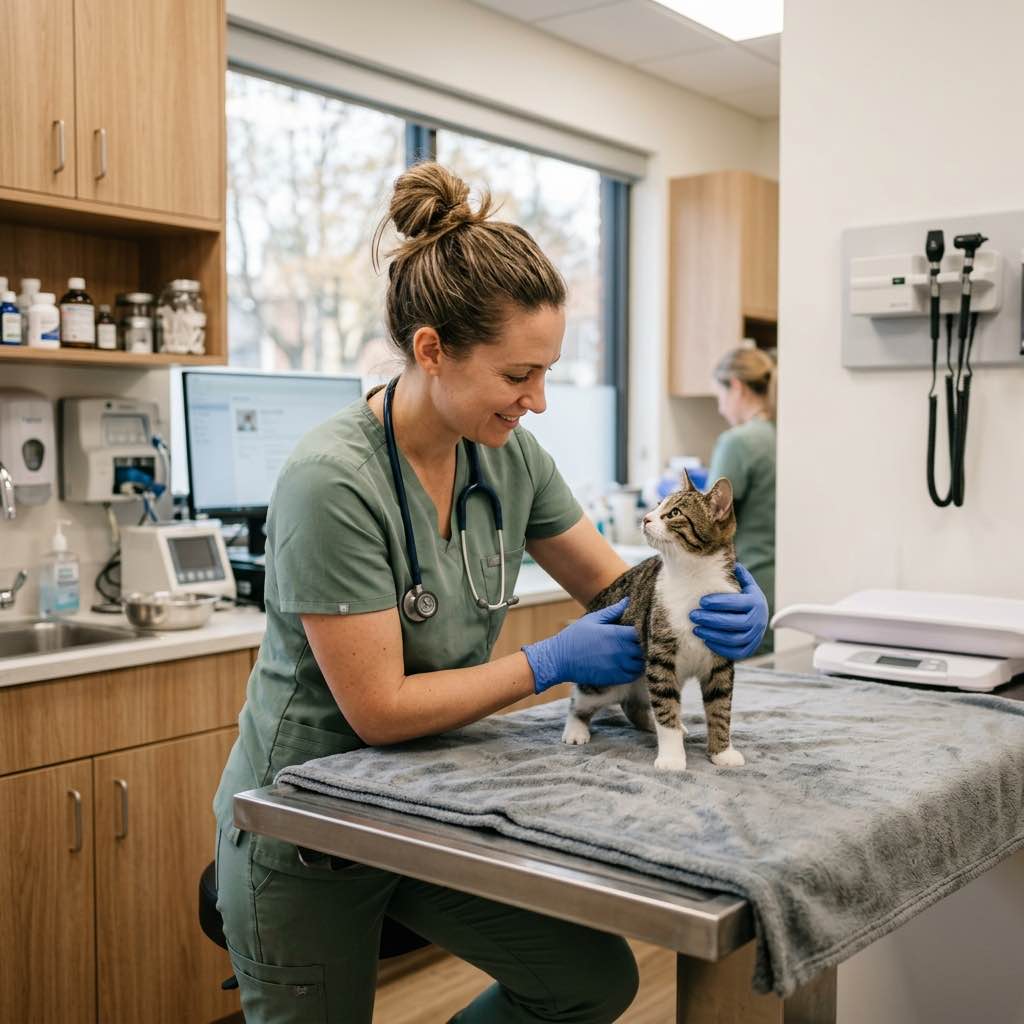
Vet care comes first. If the cat is alive and hurt, contact a vet or emergency vet clinic as soon as possible. Even wounds that look small can become serious, and the vet record may later become the clearest evidence of what injuries were treated.
Once it is safe, keep a simple record of what happened:
- Take clear photos of the injuries, the scene, broken fences or gates, damaged carriers, collars, tags, and any visible dog or cat identification.
- Keep the vet invoice, estimate, discharge notes, treatment plan, medication list, and any follow-up appointment notes.
- Exchange names, phone numbers, addresses, and email addresses with the other pet owner if you can do so calmly.
- Note the date, approximate time, exact place, weather or visibility, and whether the animals were on private property, a footpath, a shared driveway, or a public area.
- Write down witness names and contact details while the memory is fresh.
Avoid deciding blame on the spot. A short factual note is usually more useful than a heated message thread. If the injured cat is yours, our pet first aid NZ guide can help with the immediate triage mindset, but it is not a substitute for a vet.
Who to contact and when
The other owner is often the first person to contact, especially where the dog or cat is identifiable and the situation is safe. Keep the message factual: what happened, where it happened, which vet is treating the cat, and that invoices or notes can be shared once available. This is the point where many owners check whether a private agreement is possible.
Your local council's animal control team is the right contact for dog-control concerns. Councils enforce dog-control rules and investigate dog attacks or aggressive behaviour in their own district. Auckland Council, for example, tells people to phone for urgent dog attacks and says it takes action under the Dog Control Act 1996. If you live outside Auckland, use your own council's animal control or dog control contact page.
Your insurer is also worth identifying early. The dog owner's policy may include third-party liability, the cat owner's pet insurance may cover some accident treatment, or a home and contents policy may have a relevant liability section. Policies vary, so the key information is the policy wording, excess, exclusions, waiting periods, and whether the insurer wants to speak before a settlement is agreed.
If the dog involved is yours, this is also a reminder to check dog registration and council details, microchipping records, and whether gates, fences, visitors, leads, and recall routines need tightening.
The legal backdrop in general terms
New Zealand has a national Dog Control Act 1996 for dogs. In general terms, that Act is designed to control dogs and deal with damage caused by dogs. It includes dog owner obligations, council enforcement powers, attack-related provisions, and wording about an owner being liable for damage done by a dog.
Councils translate that framework into day-to-day dog control. Auckland Council's dog-control guidance says dog owners need to ensure their dog does not cause damage to property or injure, endanger, or distress any person, livestock, poultry, domestic animal, or protected wildlife. A pet cat can fall within the ordinary meaning of a domestic animal, but every real incident still depends on its own facts and evidence.
Cats are different. There is no national Cat Control Act equivalent to the Dog Control Act. Cat owners still have animal-welfare obligations, and some councils have local cat bylaws or responsible cat ownership guidance. MPI's companion cat welfare code explains that cat owners and people in charge of cats have welfare obligations under the Animal Welfare Act 1999. That is not the same thing as a dog-control liability regime.
Because the law can turn on details, this guide deliberately does not say "the dog owner must pay" or "the cat owner cannot recover anything" for a specific case. The safer general framing is: dog owners are generally responsible for harm their dogs cause, councils enforce dog control, and cost recovery is usually worked through evidence, insurance, negotiation, or a civil claim pathway.
Recovering vet costs
There are a few different cost pathways people commonly ask about after a dog attack on a cat vet bill in NZ.
Third-party liability is insurance that may respond when a person is legally responsible for damage or injury caused by their pet. Some NZ dog insurance products describe third-party liability as cover for damage or injury the owner is legally responsible for as a result of the dog. That does not mean every incident is covered. The policy wording decides who is insured, what is excluded, whether an excess applies, and how a claim must be made.
Pet insurance is different. If the injured cat has accident or illness cover, the cat owner may be able to claim some eligible veterinary costs under their own policy. That claim may still leave an excess, co-payment, excluded treatment, or unreimbursed amount. The insurer may also have an interest in any later recovery from another person.
Private agreement is another route. Owners sometimes agree to split, reimburse, or pay a vet invoice without a tribunal. If that happens, written records matter: what amount is being paid, by when, whether it is full and final, and whether insurance is involved. This is a practical record point, not legal advice.
The Disputes Tribunal is New Zealand's small-claims forum for lower-value civil disputes. Its guidance says it can settle small claims up to $60,000. For a claim, the Tribunal asks for clear details of what happened, when and where it happened, who was involved, what the damage or loss was, the amount claimed, what has been done to try to settle the dispute, and insurance details if insurance might cover the claim.
The Tribunal is not a council dog-control process. Council animal control may investigate the dog-control side of an incident; the Disputes Tribunal is about resolving a civil money dispute. The same photos, invoices, vet notes, witness details, messages, and council reference numbers may still be useful evidence in either setting.
For a broader budget view, see our Pet Insurance NZ guide. It covers pet insurance as a planning tool, not a promise that a specific dog attack cat vet bill will be covered.
Practical evidence checklist
Keep one folder, digital or paper, with:
- Vet invoice, estimate, clinical notes, and receipts.
- Photos of injuries, the place, gates, fences, leads, collars, tags, and any relevant damage.
- The cat's microchip or ownership details if relevant.
- The dog owner's name and contact details if known.
- Witness names and contact details.
- Messages between owners.
- Council animal-control reference number, if a report is made.
- Insurance claim number, policy name, and insurer contact details, if a claim is opened.
This helps everyone stay focused on what can be verified. It also reduces the risk of relying on memory weeks later.
Preventing a repeat incident
After the immediate vet and cost questions, prevention matters. Dog owners can check containment, leads, gates, visitor routines, and whether the dog needs behaviour support. Cat owners can review microchip details, collars, night routines, supervised outdoor time, catios, or other containment choices where practical.
For multi-pet homes, our dogs and cats living together guide covers introductions and tension reduction. Neighbourhood incidents are different, but the same calm management principle applies: reduce opportunities for another chase, confrontation, or boundary escape.
Sources checked
- Dog Control Act 1996
- Auckland Council: make a complaint about a dog
- Auckland Council: control your dog
- Auckland Council: be a responsible cat owner
- MPI: Code of Welfare for Companion Cats
- Disputes Tribunal: what you need to make a claim
- Petcover NZ dog insurance
General information only
This guide is general information for New Zealand pet owners. It is not legal advice, financial advice, insurance advice, or a decision about any specific case. For a specific dog-control incident, contact your local council. For legal advice about liability or recovering costs, contact a lawyer or Community Law. For insurance questions, contact the relevant insurer before assuming cover applies.
Free PetMall tools
Related guides
petmall.co.nz
Shop at PetMall
The products below are practical support items for your pet. PetMall ships across New Zealand.
- Dog FoodStart with food that matches your dog's life stage and activity level — and change brands slowly over 7–10 days.
- Dog TreatsTraining rewards and everyday treats — small, soft pieces work best for consistent reinforcement.
- Dog ToysA small rotation of chew, fetch, and puzzle toys usually works better than buying a large variety at once.
- Dog GroomingA gentle brush and the right shampoo make maintenance easier — especially for dogs that get muddy on walks.
- Leads & HarnessesComfort matters: padded contact points and adjustable fit help reduce rubbing on longer walks or tramping weekends.
- Flea & Worm TreatmentFor NZ conditions, look for protection that fits your routine (monthly vs longer-lasting) and your dog's weight range.