Dogs & Cats Living Together in NZ: Introduction, Territory & Harmony
Nearly 1 in 5 NZ households has both a dog and cat. Learn safe introductions, territory, conflict prevention, and harmony.
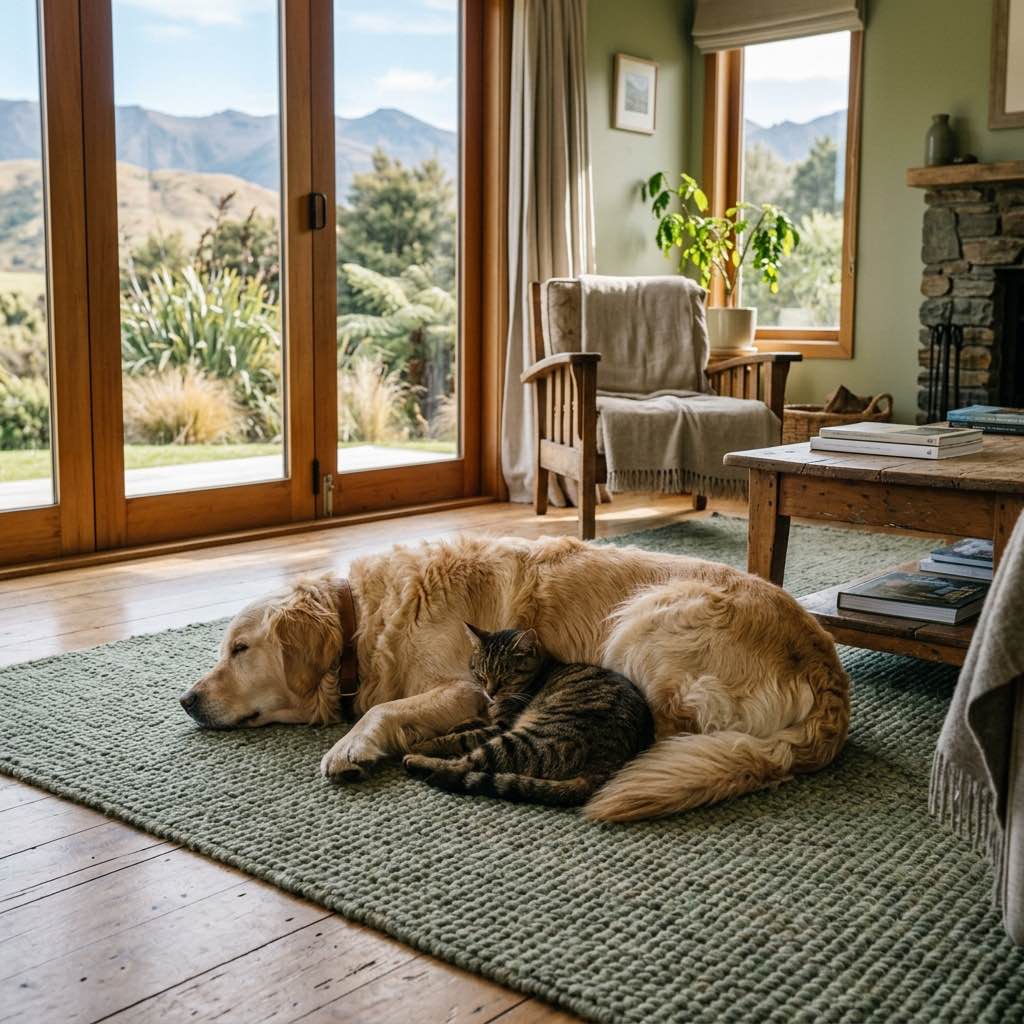
Kia ora, Kiwi pet owners! The dream of a dog and a cat curled up together, sharing a sunny spot on the deck, is a beautiful one. For many Aotearoa households, this isn't just a fantasy – it's a happy reality. While dogs and cats are often portrayed as natural enemies, with a bit of understanding, patience, and the right approach, they can absolutely learn to coexist, and even thrive, alongside each other.
Bringing a new pet into a home that already has a furry resident, or introducing two new animals to each other, is a journey. It requires careful planning, an understanding of animal behaviour, and a commitment to creating a safe and harmonious environment for everyone. This comprehensive guide from wiki.petmall.co.nz is designed to help you navigate this exciting, sometimes challenging, but ultimately rewarding path, ensuring all your beloved pets feel secure and cherished in their shared home.
We'll cover everything from pre-introduction preparations to reading subtle body language cues, all with a practical, Kiwi-centric approach. So, let's dive in and set your multi-pet household up for success!
Can Dogs & Cats Really Get Along?
Absolutely! While a cat and dog may seem like an unlikely pair, their ability to get along is far more common than popular culture might suggest. The key lies in understanding their fundamental differences and recognising their individual personalities. Dogs, often social pack animals, can be boisterous and eager to interact. Cats, typically more solitary and territorial, value their personal space and independence. The trick is to bridge this gap, fostering mutual respect and positive associations.
Many factors influence the success of a dog and cat living together:
- Individual Personalities: This is perhaps the most significant factor. A confident, laid-back cat is more likely to tolerate a friendly, gentle dog, and vice-versa. A timid cat paired with an overly boisterous dog, or an aggressive cat with a fearful dog, will face greater challenges.
- Age and Previous Experiences: A puppy and a kitten often have an easier time forming bonds, as they grow up together learning each other's species-specific cues. Older pets can also adapt, especially if they've had positive experiences with the other species before. A dog with a high prey drive or a cat that’s never seen a dog might require more careful management.
- Breed Tendencies (with a grain of salt): While generalisations should be avoided, some dog breeds (e.g., sighthounds, terriers) *can* have a higher prey drive, which might make introductions to cats more challenging. Similarly, some cat breeds are known for being more social or more tolerant. However, individual temperament always trumps breed.
- Your Approach: Your patience, consistency, and ability to create a safe, structured environment are crucial. You are the conductor of this interspecies orchestra!
In NZ, we see countless examples of dogs and cats coexisting peacefully, sharing beds, and even grooming each other. It’s a testament to their adaptability and the strong bonds they can form with their human families and each other. With the right strategy, your home in Aotearoa can be another one of those success stories.
Before You Bring a New Pet Home
Preparation is paramount when introducing a new animal to your existing fur family. A well-thought-out plan can significantly reduce stress for everyone involved and set the stage for a positive relationship.
For Existing Pet Owners:
If you already have a dog and are considering a cat, or vice-versa, take stock of your current pet's personality.
- Your Dog: Is your dog calm and gentle, or high-energy and boisterous? Does it have a strong prey drive (chasing birds, rabbits, or even other small dogs)? Does it get along well with other animals? A dog that is overly possessive of toys, food, or your attention might struggle with a new housemate.
- Your Cat: Is your cat confident and curious, or shy and prone to hiding? Does it tolerate other cats or dogs well (if it's had prior experience)? Is it territorial or easily stressed by change?
Consider these questions honestly. If your current pet has significant behavioural issues, it might be wise to address those with a professional behaviourist (perhaps referred by your vet) before adding another animal to the mix.
Choosing Your New Pet Wisely:
When selecting a new dog or cat, try to match temperaments.
- For a Dog: Look for a dog with a calm, friendly disposition. An adult dog that has previously lived successfully with cats is often an excellent choice. If considering a puppy, remember they will need consistent training and socialisation to ensure they learn appropriate behaviour around cats. SPCA NZ, local animal shelters, and reputable breeders can often provide insights into a pet's personality and history.
- For a Cat: A confident, social cat or kitten is generally a good match. A cat that is overly fearful or aggressive may find a multi-pet household too stressful. Ask about the cat’s history – has it lived with dogs before?
Preparing Your Home:
Before the new arrival steps paw inside, make sure your home is ready.
- Separate Spaces: Identify a dedicated "safe room" for the new pet – typically a quiet room with a door that can be closed (e.g., a spare bedroom, laundry). This room will be its sanctuary during the initial introduction phase. Equip it with all necessities: food, water, a litter tray (for cats), a comfortable bed, and toys.
- Vertical Space (for cats): Cats feel safest when they can survey their environment from above. Install cat trees, shelves, or cat-friendly furniture that allows them to escape upwards, away from a curious dog. This is crucial for their sense of security.
- Resource Management: Ensure you have enough individual resources for each animal – separate food bowls, water bowls, beds, and toys. This minimises competition and potential conflict.
- Secure Containment: If introducing a dog to a cat, a dog crate can be an invaluable tool for controlled introductions and providing the dog with a secure space. Likewise, secure carriers for the cat can be useful.
- Health Checks: Before bringing any new pet home, ensure both your existing pet and the new arrival are up-to-date on vaccinations, worming, and flea treatments. A visit to your vet is essential for a thorough health check-up. This prevents the spread of illness and ensures both animals are feeling their best.
Estimated Initial Costs (NZD, 2026 ranges):
- Vet Check for New Pet: $80 - $150
- Microchipping (if not already done): $50 - $100 (mandatory for dogs in NZ, recommended for cats)
- Initial Supplies (bowls, beds, toys, litter box, scratching post, crate): $200 - $500+ (depending on quality and quantity)
- Dog Registration (annual, varies by local council): $50 - $150 (for desexed dogs)
These costs are important to factor in when planning your new arrival. Remember, your local council will have specific requirements for dog registration in NZ, and microchipping is a legal requirement for dogs and highly recommended for cats for identification.
The First Meeting
This is perhaps the most critical stage, and patience is your best friend here. Never rush the first meeting. The goal is to create positive, calm associations between your pets.
Phase 1: Scent Swapping (Days 1-3+)
Before they even see each other, let them get used to each other's scent.
- Initial Confinement: Keep the new pet in its designated safe room.
- Scent Swapping: Gently rub a cloth on each animal and swap them. Place the dog's scented cloth near the cat's food/bed, and vice-versa. Observe their reactions – curiosity is good, fear or aggression is a sign to slow down.
- Feeding by the Door: Once they seem comfortable with the scent, feed them on opposite sides of the closed door to the safe room. This creates a positive association (food!) with the other's presence.
Phase 2: Visual Introduction (Days 3-7+)
Once scent swapping is going well, move to visual introductions, always supervised and controlled.
- Controlled Glimpses: Use a baby gate or crack the door slightly open, allowing them to see each other briefly. Always keep the dog on a leash during these initial visual encounters.
- Short, Positive Sessions: Keep these sessions very short (a few minutes) and end them on a positive note. Distract them with treats or praise if they remain calm.
- Dog on Leash: When the dog is in the same room as the cat, it must always be on a leash. This gives you control to prevent chasing or overly boisterous behaviour. Never allow the dog to chase the cat.
- Cat's Escape Route: Ensure the cat always has an easy escape route or a high perch to retreat to. Never corner the cat.
- No Forced Interaction: Do not force them to interact. Let them approach each other at their own pace.
- Positive Reinforcement: Reward calm behaviour from both animals with treats and praise.
Phase 3: Gradual Free Roaming (Weeks 1-4+)
As they become more comfortable, you can gradually increase supervised time together.
- Supervised Sessions: Allow them to be in the same room, with the dog still on a leash initially, for longer periods.
- Off-Leash Supervision: Once you're confident in the dog's calm behaviour, you can try supervised off-leash time. Always be present and ready to intervene.
- Never Unsupervised Initially: Do not leave them alone together until you are absolutely certain they are comfortable and safe with each other. This can take weeks, or even months.
Remember, every animal is different. Some will adapt quickly, others will need more time. The key is to go at their pace, ensuring every interaction is as positive and stress-free as possible.
Safe Spaces
Creating designated safe spaces is non-negotiable for a harmonious multi-pet household. Both dogs and cats need areas where they can retreat, feel secure, and be undisturbed. This is especially crucial for cats, who often need to escape the boisterous energy of a dog.
For Cats:
Cats are masters of vertical space. Providing them with elevated retreats is essential for their sense of security and their ability to escape from a curious or playful dog.
- Cat Trees and Condos: Invest in sturdy cat trees with multiple levels, scratching posts, and hideaways. Place them in common areas where the cat can observe without feeling threatened.
- Wall-Mounted Shelves: Cat-friendly shelving systems allow your feline friend to traverse rooms without touching the ground, providing a sense of ownership over their environment.
- High Perches: Ensure there are plenty of high spots – tops of bookshelves, windowsills, or even secure cabinet tops – that are easily accessible to the cat but out of reach for the dog.
- Dedicated Rooms: The initial "safe room" should remain available for the cat to retreat to if needed, even after introductions are complete. Consider installing a cat flap that only allows the cat access (e.g., microchip-activated).
- Hideaways: Cats love to hide. Provide cosy igloo beds, cardboard boxes, or fabric tunnels where they can feel safe and enclosed.
For Dogs:
Dogs also benefit from having their own secure den.
- Crates: A dog crate, properly introduced and used as a positive space, can be an excellent den for your dog. Cover it with a blanket to make it feel more private. It provides a secure place for them to sleep, chew a bone, or simply relax away from the cat.
- Dog Beds: Ensure your dog has a comfortable bed in a quiet corner where they won't be constantly disturbed.
- Separate Resting Areas: If your dog tends to be territorial over certain spots, ensure the cat has equally appealing alternatives.
Why Safe Spaces are Critical:
- Reduces Stress: Knowing they have an escape route or a private sanctuary significantly lowers an animal's stress levels.
- Prevents Conflict: It allows pets to self-regulate their interactions. If a cat feels overwhelmed, it can retreat rather than escalate to aggression.
- Respects Boundaries: It teaches both pets that the other has a right to personal space and quiet time.
- Promotes Independence: It allows each pet to maintain their individuality within the shared household.
When selecting products for these spaces, think about durability and comfort. PetMall offers a fantastic range:
- Cat Beds & Houses: For those cosy hideaways and elevated resting spots.
- Small Pet Supplies: You'll find a variety of toys, bedding, and general daily care items to make these safe spaces inviting.
Remember, the goal is not to segregate them permanently, but to empower them with choices and control over their environment, fostering a sense of security that is fundamental to a peaceful cohabitation.
Feeding Separately
Resource guarding is a common issue that can quickly sour relationships between pets. Food is a high-value resource, and competition over meals can lead to stress, aggression, and anxiety. Feeding your dog and cat separately is a simple yet crucial step to prevent these issues.
Why Separate Feeding is Important:
- Prevents Resource Guarding: Eliminates the need for either animal to defend their food from the other.
- Reduces Stress: Both pets can eat at their own pace without feeling rushed or threatened.
- Ensures Proper Nutrition: You can monitor each pet's food intake and ensure they are eating their specific diet without the other pet stealing their food. Cat food is typically higher in protein and fat, which isn't suitable for dogs in large quantities, and vice-versa.
- Avoids Conflict: The most straightforward way to prevent fights over food.
How to Organise Separate Feeding:
- Different Rooms: The easiest method is to feed your dog and cat in entirely separate rooms with closed doors. For example, the dog in the kitchen and the cat in its safe room.
- Elevated Feeding (for cats): Cats can eat on a counter, a cat tree, or a sturdy shelf where the dog cannot reach. This is a brilliant way to ensure the cat feels secure and its food remains untouched by a curious canine.
- Scheduled Meals: Feed at specific times rather than free-feeding (leaving food out all day). This allows you to control the environment during meal times. Once they've finished, pick up any remaining food.
- Dog Crates: If your dog is crate-trained, feeding them in their crate can provide a secure, private eating space.
- Microchip Feeders: For tech-savvy households, consider investing in a microchip-activated feeder. These feeders only open for the pet whose microchip they recognise, ensuring that only the designated animal can access the food. This is particularly useful for preventing dogs from eating cat food.
- Separate Water Bowls: While less critical than food, it's a good idea to have multiple water bowls available in different locations, including one in the cat's elevated space, to ensure both pets have easy access without competition.
Remember, even after your pets are good friends, maintaining separate feeding routines is a sensible long-term strategy. It reinforces boundaries and prevents potential conflicts over a high-value resource.
For all your feeding needs, check out PetMall’s range of Bowls & Feeders, where you can find everything from standard bowls to elevated feeders and water stations to suit your multi-pet household.
Reading Body Language
Understanding the subtle cues your dog and cat give off is paramount to fostering a harmonious multi-pet home. They communicate constantly, and learning to interpret their body language will help you intervene before problems arise and recognise when they are comfortable or stressed.
Dogs and cats have different ways of expressing themselves, which can sometimes lead to misunderstandings between the species. What might be an invitation to play for a dog (e.g., a play bow) could be perceived as a threat by a cat.
Key Body Language Cues to Watch For:
Here's a quick guide to help you decipher what your pets are trying to tell you:
| Body Part | Dog - Relaxed/Happy | Dog - Stressed/Fearful/Aggressive | Cat - Relaxed/Happy | Cat - Stressed/Fearful/Aggressive |
|---|---|---|---|---|
| Eyes | Soft, blinking, almond-shaped, direct but not staring | Staring, wide, dilated pupils, "whale eye" (white visible) | Soft, slow blinks, "half-closed", direct but not staring | Wide, dilated pupils, staring, narrowed/slitted eyes |
| Ears | Relaxed, forward or slightly to the side | Pinned back, flattened against head, stiffly forward | Forward, relaxed, slightly to the side | Pinned back, flattened against head, swivelling rapidly |
| Mouth | Soft, slightly open, sometimes panting, "smile" | Closed, tight lips, snarling, lip licking, yawning | Closed or slightly open, relaxed jaw, purring | Hissing, snarling, open mouth with exposed teeth, lip licking |
| Tail | Relaxed wag, broad sweeps, held naturally | Stiff, low, tucked, rapid small wags, high and stiff | Held high with a slight curl, gently swishing | Tucked, thrashing, puffed up ("bottle brush"), low and twitching |
| Body | Loose, relaxed posture, wiggling, play bow | Stiff, tense, hunched, low to the ground, trembling | Loose, fluid, stretched out, kneading, rubbing | Arched back, puffed fur, low to the ground, stiff-legged |
| Vocal | Happy barks, whines, growls (playful) | Growling, snapping, prolonged barking | Purring, chirping, soft meows | Hissing, spitting, growling, loud yelps, prolonged meows |
Interpreting Interactions:
- Positive Signs:
- Cats: Slow blinks, approaching with tail up, rubbing against the dog (or furniture near the dog), relaxed sleeping near the dog (but not touching unless very comfortable), gentle grooming.
- Dogs: Soft eyes, relaxed mouth, loose body, gentle tail wag (not stiff), play bows (if the cat responds positively), ignoring the cat's presence.
- Warning Signs:
- Cats: Ears flattened, pupils dilated, hissing, growling, spitting, batting with claws out, tail thrashing, "Halloween cat" pose (arched back, puffed fur), running away frantically and hiding.
- Dogs: Stiff body, direct stare, whale eye, growling, snarling, stiff tail, lunging, incessant barking at the cat, trying to herd or corner the cat.
If you observe any warning signs, immediately and calmly separate the animals. Redirect their attention with a favourite toy or treat, or simply guide one to their safe space. Never punish either animal for displaying these behaviours, as it can worsen their fear or aggression. Instead, use it as information to adjust your approach and slow down the introduction process.
Learning to read these subtle signals takes time and practice. Observing your pets carefully will help you become a fluent communicator in their world, enabling you to create a truly harmonious home in Aotearoa. If you're unsure about specific behaviours, don't hesitate to consult your vet or an NZVA-accredited animal behaviourist.
When It's Not Working
Despite your best efforts and patience, sometimes the introduction process doesn't go as smoothly as hoped. It's important to recognise the signs that your dog and cat are not getting along and to address them promptly and appropriately. Ignoring these signals can lead to chronic stress, fear, and even aggression in your pets.
Signs of Chronic Stress or Conflict:
- Constant Hiding: If your cat is consistently hiding, especially from the dog, and rarely ventures out, it's a clear sign of stress.
- Aggression: Persistent growling, hissing, swatting (with claws), lunging, or biting from either animal towards the other.
- Fearful Behaviour: Trembling, urinating/defecating inappropriately, excessive grooming, or loss of appetite in the presence of the other pet.
- Resource Guarding: Intense possessiveness over food, toys, sleeping spots, or even your attention, leading to conflict.
- Constant Chasing/Harassment: If the dog continually chases or harasses the cat, even if it seems playful, it's stressful for the cat and can escalate.
- Injury: Any physical injuries, no matter how minor, are a serious red flag.
What to Do When It's Not Working:
- Re-evaluate and Re-start: Go back to basics. Separate the animals completely into their safe spaces. Re-start the introduction process from Phase 1 (scent swapping), but this time, go even slower. Reduce exposure time and increase positive reinforcement.
- Ensure Adequate Resources: Double-check that both pets have more than enough individual resources (food bowls, water, beds, toys, litter trays) in separate, easily accessible locations.
- Increase Vertical Space: For cats, ensure there are ample high perches and escape routes. The more options they have to get away, the safer they'll feel.
- Enrichment: Provide plenty of mental and physical enrichment for both animals. Boredom can exacerbate behavioural issues. Interactive toys, puzzle feeders, and regular exercise can help.
- Seek Professional Help: This is perhaps the most crucial step. If you've tried everything and the situation isn't improving, or if you're witnessing outright aggression, it's time to call in the experts.
- Your Vet: Your first point of contact. Your vet can rule out any underlying medical conditions that might be contributing to behavioural changes. They can also refer you to a qualified animal behaviourist.
- Veterinary Behaviourist or Qualified Behaviour Consultant: An animal behaviourist (often referred to as a veterinary behaviourist if they have a veterinary degree) specialises in modifying problematic animal behaviours. They can assess your specific situation, identify triggers, and develop a tailored behaviour modification programme. They use positive, force-free methods. Ask your vet for a referral to a veterinary behaviourist, or to a qualified force-free behaviour consultant.
- Qualified Dog Trainers/Cat Behaviour Consultants: For less severe issues, a certified dog trainer specialising in multi-pet households or a cat behaviour consultant could also offer valuable guidance. Always ensure they use positive reinforcement techniques and are certified or have reputable references.
What Not to Do:
- Punish Aggression: Punishing an animal for growling or hissing will only suppress the warning signs, making future aggression more unpredictable and potentially more dangerous.
- Force Interaction: Never force your pets to interact or "work it out" themselves. This will only increase fear and anxiety.
- Give Up Too Soon: While some situations may not be resolvable, don't give up after just a few days or weeks. Behaviour modification takes time and consistency.
Sometimes, despite everyone's best efforts, some dogs and cats simply aren't compatible. In rare cases, the safest and kindest option might be to rehome one of the animals. This is a heartbreaking decision, but ensuring the safety and well-being of all pets must be the priority. However, with professional guidance and unwavering commitment, many challenging situations can be successfully resolved, leading to a peaceful multi-pet home in Aotearoa.
How Long It Really Takes
One of the most common questions from Kiwi pet owners embarking on this journey is, "How long will it take?" The honest answer is: it varies wildly, and there's no single timeline. Patience, consistency, and a realistic outlook are your most important tools.
- Days to Weeks: For some lucky pairs, especially a calm puppy and a confident kitten, or well-socialised adult pets with positive past experiences, they might tolerate each other's presence within a few days and start showing signs of comfort within a couple of weeks.
- Weeks to Months: This is the more typical scenario. Most introductions will take several weeks to a few months for your dog and cat to genuinely become comfortable and relaxed in each other's presence. This includes reaching a stage where they can be left unsupervised for short periods.
- Months to a Year (or longer): For pets with difficult pasts, strong personalities, or existing anxieties, it can take six months to a year, or even longer, for them to truly coexist peacefully. Some may never become best friends, but will learn to tolerate and respect each other's space.
Key Takeaways on Timeline:
- Don't Rush It: The biggest mistake people make is trying to speed up the process. Rushing can undo weeks of progress and create negative associations.
- Focus on Small Victories: Celebrate every small step – a cat eating calmly in the dog's presence, a dog ignoring the cat walking by, a brief moment of shared space without tension.
- Consistency is Key: Stick to your routine of separate feeding, supervised interactions, and providing safe spaces every single day.
- No "Finish Line": Even after they seem to be getting along, continue to monitor their interactions, provide separate resources, and respect their individual needs. Building a harmonious multi-pet home is an ongoing commitment.
- It's About Coexistence, Not Always Friendship: While many dogs and cats do form strong bonds, the primary goal is peaceful coexistence. If they can comfortably share a home without stress or conflict, that is a huge success.
Remember, you're helping two different species learn a new social language. It's a complex process that requires empathy, understanding, and a whole lot of Kiwi patience. The reward, however, of seeing your dog and cat share a peaceful home, is immeasurable. Keep at it, observe your pets closely, and don't hesitate to seek professional advice from your vet or an animal behaviourist if you're struggling. You've got this!
Sources
- Ministry for Primary Industries, Code of Welfare: Companion Cats, checked 2026-07-22: https://www.mpi.govt.nz/animals/animal-welfare/codes/all-animal-welfare-codes/code-of-welfare-companion-cats/
- Ministry for Primary Industries, Code of Welfare: Dogs, checked 2026-07-22: https://www.mpi.govt.nz/animals/animal-welfare/codes/all-animal-welfare-codes/code-of-welfare-dogs/
- SPCA New Zealand, Keeping Cats Safe and Happy at Home, checked 2026-07-22: https://www.spca.nz/advice-and-welfare/article/keeping-cats-safe-at-home
Shop Related Products at PetMall
Looking for the products mentioned in this guide? PetMall ships across New Zealand with fast delivery.