Bernese Mountain Dog Breeders NZ (2026): Puppies, Prices & What to Check
Find ethical Bernese Mountain Dog breeders in NZ: puppy prices, Dogs NZ registered kennels, hip/elbow scoring, and cancer/longevity warnings.
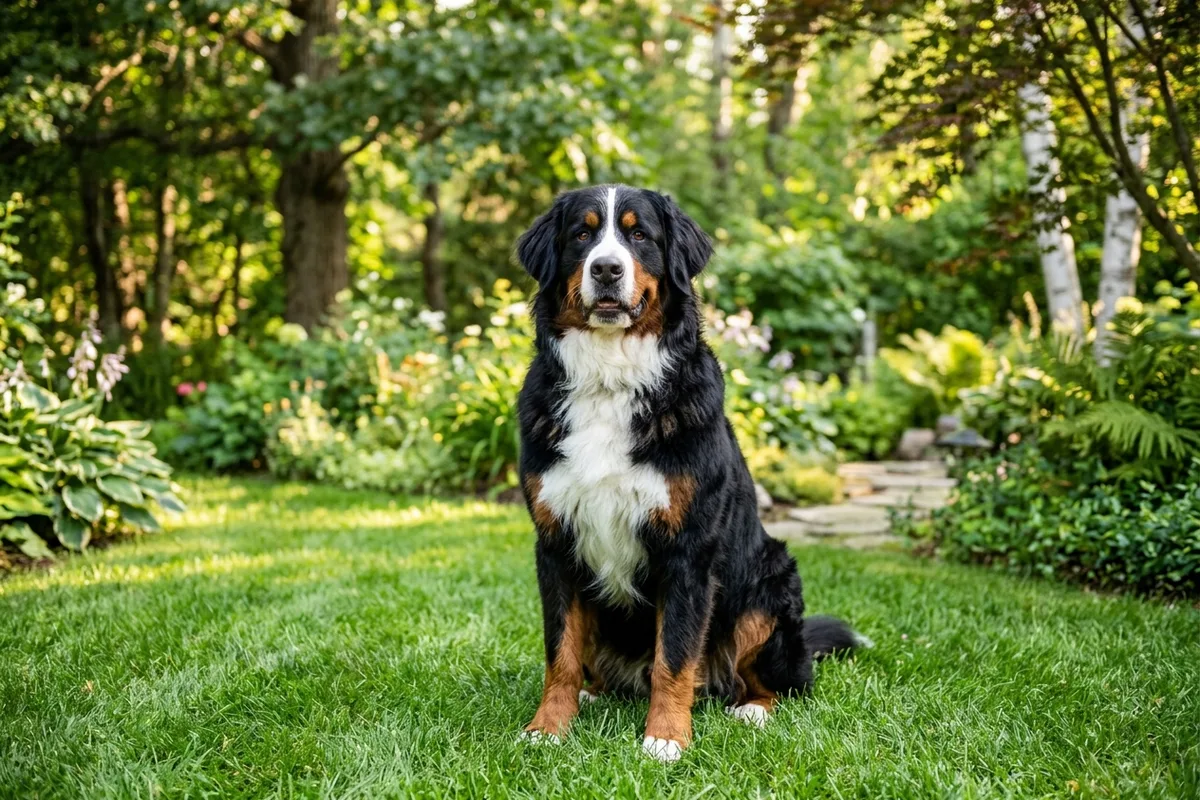
The Bernese Mountain Dog is an incredibly affectionate, loyal, and striking giant breed that has captured the hearts of many Kiwi families. Originally bred as farm dogs in Switzerland for drafting carts and herding cattle, they are famous for their beautiful tricolour coat and gentle nature. However, because of their massive size and distinct genetic history, acquiring a Bernese Mountain Dog requires extreme caution and careful research.
Choosing a responsible breeder who prioritises health and longevity over profit is essential. This comprehensive guide outlines how to find ethical Bernese Mountain Dog breeders in New Zealand, understand pricing expectations, and navigate critical health screenings. To learn more about their general temperament, grooming requirements, and exercise needs, visit our main Bernese Mountain Dog profile.
---
Dogs NZ Registered Breeders
When searching for a puppy, your primary step should always be to seek out breeders registered with Dogs New Zealand (Dogs NZ), formerly known as the New Zealand Kennel Club. Dogs NZ registered breeders are bound by a strict Code of Ethics that dictates breeding frequencies, minimal age limits, and puppy rearing environments.
Registered breeders participate in showing or working trials to prove their dogs meet breed standards. They do not sell puppies to commercial pet shops and will typically ask you detailed questions about your yard space, fences, and work schedule before placing you on a waitlist. A long waiting list (often 6 to 18 months) is a strong sign of a responsible breeding programme, indicating that litters are planned carefully and puppies are not produced constantly for quick sales.
---
Bernese Mountain Dog Price NZ (2026)
In New Zealand, Dogs NZ registered breeders who publish prices ask about $5,500 to $6,000 NZD for a Bernese Mountain Dog puppy (checked September 2026).
Several factors influence the overall purchase price:
- Accredited Breeder Status: Members of the Dogs NZ Accredited Breeders Scheme often charge higher prices due to the extensive costs of compulsory genetic profiling and veterinary testing.
- Pedigree Status: Puppies from champion show lines or imported bloodlines command premium prices.
- Veterinary Expenses: Prices reflect the rising costs of professional microchipping, puppy vaccinations, worming treatments, and genetic profiling.
Puppies advertised without Dogs NZ registration papers may not come with hip and elbow results or DNA tests, so ask to see them before you commit.
---
Health Tests to Demand (Crucial Breed-Specific Screening)
The Bernese Mountain Dog has one of the shortest lifespans among domestic canines, with a median lifespan of only 6 to 8 years. The breed is highly prone to severe orthopedic disorders and genetic cancers. You must ask breeders for copies of the parents' official screening certificates for the following conditions:
1. Hip and Elbow Scoring
Like many giant breeds, Bernese Mountain Dogs are highly vulnerable to crippling hip and elbow dysplasia. Joint laxity leads to painful, early-onset osteoarthritis. Dogs NZ requires its accredited Bernese breeders to test for hip and elbow dysplasia (along with a DNA profile and the vWD1 DNA test), so ask to see both parents' hip and elbow results. To understand the pathology of joint degeneration, see the clinical reference: Merck Veterinary Manual — Hip Dysplasia in Dogs.
2. Histiocytic Sarcoma (Susceptibility to Cancers)
Cancer is the leading cause of death in this breed, accounting for nearly 50% of all mortality. Specifically, Histiocytic Sarcoma, an aggressive and fatal cancer of the white blood cells, is highly hereditary in Bernese Mountain Dogs. While there is no definitive DNA test that guarantees a puppy won't develop cancer, ethical breeders keep meticulous pedigree databases, tracking cancer incidents in their lines and avoiding breeding from families with high rates of early deaths. To read the clinical review: Canine Histiocytic Malignancies (peer-reviewed, Vet Sci 2016) — PMC.
3. DNA Screening (vWD & DM)
- Von Willebrand's Disease (vWD Type I): A genetic bleeding disorder caused by a lack of clotting factors. Dogs must be DNA tested to ensure they are not affected.
---
Red Flags to Avoid
When communicating with breeders, walk away if you notice any of the following warning signs:
- Refusing Site Visits: Breeders who refuse to let you see the mother interact with the puppies or view the kennels are likely running a puppy farm.
- No Official Joint Scores: Avoid breeders who claim their dogs are "vet checked" but cannot produce official radiologist certificates for hips and elbows. A basic vet check cannot diagnose joint laxity.
- Multiple Litters Available: A breeder selling puppies from three or four different litters at the same time is prioritising quantity over quality.
- Early Rehoming: NZ's Code of Welfare: Dogs recommends puppies be at least 8 weeks old, and have begun socialisation with other dogs and people, before rehoming. It is best-practice guidance rather than a legal cut-off, but rehoming younger falls short of it.
---
Where to Find Breeders in NZ
To find an accredited breeder, consult the official Dogs NZ Breed Club directories. The Bernese Mountain Dog Club of New Zealand and the Southern Bernese Mountain Dog Club are the primary breed-specific clubs. They maintain breeder referral lists and offer advice on puppy availability. Avoid TradeMe listings that do not display a valid Dogs NZ kennel name and registration number, as unregulated backyard breeding is highly prevalent.
---
Bringing Your Bernese Home
Preparing for a giant breed puppy requires specific adjustments:
- Veterinary Care & Council Rules: Your puppy must receive core vaccinations at 8, 12, and 16 weeks, and be registered with your local council by 3 months of age.
- Preventing Joint Stress: Avoid letting your growing puppy jump off couches or climb stairs during their first 12 months, as impact stress damages soft growth plates.
- Pet Insurance: Given the breed's high risk of joint disease and cancer, securing comprehensive pet insurance immediately is highly recommended. To budget for these costs, consult our NZ vet costs guide and check the cost of owning a dog in NZ.
---
Conclusion
Finding an ethical Bernese Mountain Dog breeder in New Zealand requires thorough research, waiting lists, and demanding certified hip, elbow, and DNA clearances. Honesty regarding their shorter lifespan and cancer risks is key to making an informed decision. For further research, check our main Bernese Mountain Dog profile, visit the dog breed prices hub, or read our guide on the cost of owning a dog in NZ.
---
Sources
- Dogs New Zealand (Dogs NZ). Accredited breeders scheme and Code of Ethics, checked 2026-07-05: https://www.dogsnz.org.nz/accredited-breeders/code-of-ethics
- Dogs New Zealand — Accredited Breeder Health Tests: Bernese Mountain Dog, checked 2026-09-30: https://www.dogsnz.org.nz/accredited-breeders/health-tests-by-breed/bernese-mountain-dog/615
- Merck Veterinary Manual — Hip Dysplasia in Dogs, checked 2026-07-05: https://www.merckvetmanual.com/musculoskeletal-system/arthropathies-and-related-disorders-in-small-animals/hip-dysplasia-in-dogs
- Canine Histiocytic Malignancies (peer-reviewed, Vet Sci 2016) — PMC, checked 2026-07-05: https://pmc.ncbi.nlm.nih.gov/articles/PMC5644619/
- Ministry for Primary Industries (MPI) — Code of Welfare: Dogs, section 6.5 Supply of Puppies, checked 2026-09-28: https://www.mpi.govt.nz/dmsdocument/46030-Code-of-Welfare-Dog
Related guides
petmall.co.nz
Shop at PetMall
The products below are practical support items for your pet. PetMall ships across New Zealand.
- Dog FoodStart with food that matches your dog's life stage and activity level — and change brands slowly over 7–10 days.
- Dog TreatsTraining rewards and everyday treats — small, soft pieces work best for consistent reinforcement.
- Dog ToysA small rotation of chew, fetch, and puzzle toys usually works better than buying a large variety at once.
- Dog GroomingA gentle brush and the right shampoo make maintenance easier — especially for dogs that get muddy on walks.
- Leads & HarnessesComfort matters: padded contact points and adjustable fit help reduce rubbing on longer walks or tramping weekends.
- Flea & Worm TreatmentFor NZ conditions, look for protection that fits your routine (monthly vs longer-lasting) and your dog's weight range.