Dog Breed Guide NZ
Bernese Mountain Dog
The Bernese Mountain Dog, often affectionately called a 'Berner', is a majestic and gentle giant hailing from the Swiss Alps. Renowned for their striking tri-colour coat and calm, devoted nature, these intelligent dogs make exceptional family companions. Their patient and good-natured temperament means they typically get along wonderfully with children and other pets, making them a cherished addition to many homes. While their size requires a commitment to space and exercise, their affectionate disposition and loyalty are incredibly rewarding. For New Zealand families with a larger section or a lifestyle that accommodates a big, loving dog, the Bernese Mountain Dog offers unparalleled companionship and a warm presence, particularly suited to our cooler South Island climates but adaptable across the motu with proper care.
Photo Gallery
Breed Snapshot
- Size
- Male: 36-52 kg; Female: 32-43 kg
- Lifespan
- 7-10 years
- Origin
- Being enriched
- Temperament
- Calm, gentle, loyal, intelligent, affectionate, good-natured
- NZ Price
- $5,500 - $6,000 NZD from registered breeders (two NZ breeders publish pricing); beware of "$600-$800 Bernese" ads — recognised scam pattern. $150-$350 NZD adoption via SPCA (rarely available).
- Annual Vet Cost
- Estimated annual vet costs for a Bernese Mountain Dog in NZ range from $800 - $1,500+ NZD. This includes routine check-ups, vaccinations, and parasite prevention. However, due to their predisposition to certain health issues like hip and elbow dysplasia, various cancers (especially histiocytic sarcoma), and bloat, costs can significantly increase if these conditions arise, potentially requiring specialist consultations, diagnostics, and long-term medication or surgery. Pet insurance is highly recommended for this breed.
Personality Scores
NZ Lifestyle Fit
Bernese Mountain Dogs are generally not ideal for apartment living in Auckland or other urban centres due to their substantial size and need for space. While they are relatively calm indoors, a small flat simply won't provide enough room for them to stretch out comfortably. They thrive in homes with a generous, securely fenced section where they can roam and play safely. For those in rural New Zealand, a Bernese can excel, enjoying the open spaces and potentially even engaging in light farm work, though they are primarily companion dogs and shouldn't be relegated to an outdoor-only existence. New Zealand's varied climate requires consideration. Their thick coats make them well-suited to the South Island's cold winters, but owners must provide adequate shelter from the elements. Auckland's humid summers can be challenging; owners must ensure constant access to shade, fresh water, and avoid exercise during the hottest parts of the day to prevent overheating. High UV levels across NZ mean lighter-pigmented areas, like their white muzzle, might need sun protection. MPI has no specific restrictions on owning Bernese Mountain Dogs in New Zealand, making them a welcome breed across the country.
Origins & History
The Bernese Mountain Dog's history is deeply rooted in the picturesque farmlands of the Swiss Alps, specifically the Canton of Bern, from which they derive their name. For centuries, these versatile dogs were indispensable working companions for farmers, performing a variety of tasks including herding cattle, guarding farmsteads, and most famously, pulling carts laden with dairy products or other goods to market. Their strength, intelligence, and calm demeanour made them perfectly suited for these demanding roles. They are one of four Swiss Mountain Dog breeds, distinguished by their long, silky coat. Despite their long history, the breed faced decline in the late 19th century but was revitalised by dedicated breeders in the early 20th century, eventually gaining international recognition and popularity as a beloved companion dog.
Appearance
The Bernese Mountain Dog is a large, sturdy, and well-built dog, exuding an air of nobility and strength. Males typically weigh between 36-52 kg and females 32-43 kg, standing around 64-70 cm at the shoulder for males and 58-66 cm for females. Their most distinctive feature is their luxurious, thick double coat, which is famously tri-coloured: a jet black base with rich rust or tan markings on the cheeks, over the eyes, on all four legs, and on the chest, complemented by crisp white markings on the chest (forming a 'Swiss cross'), muzzle, and often the tip of the tail. Their expressive, dark brown eyes convey their gentle and intelligent nature, while their strong, muscular build hints at their working heritage. Their tail is typically carried low, with a slight upward curve when alert.
Temperament & Personality
Bernese Mountain Dogs are celebrated for their exceptional temperament, living up to their 'gentle giant' reputation. They are inherently calm, gentle, and remarkably patient, making them outstanding family dogs. Their loyalty and affectionate nature mean they thrive on human companionship and want to be an integral part of the family's daily life. Berners are intelligent and eager to please, which generally makes them trainable, though they can have a stubborn streak. Early socialisation is crucial to ensure they grow into well-adjusted adults, as some can be reserved with strangers if not properly introduced. They are known for being particularly good with children, often displaying a protective yet gentle instinct. While not overly energetic indoors, they do enjoy being active outdoors and appreciate a good romp or a leisurely walk with their loved ones.
Life in New Zealand
For many Kiwi families, a Bernese Mountain Dog can be a wonderful addition, provided their specific needs are met. Their thick double coat means they are well-suited to New Zealand's cooler climates, particularly the South Island winters, where they truly thrive. In warmer regions like Auckland, owners must be diligent about providing shade, fresh water, and avoiding strenuous exercise during the hottest parts of the day. Their need for space makes them ideal for homes with a decent-sized, securely fenced section where they can play and relax. They love being part of family activities, whether it's a stroll along a local beach (checking council restrictions first), a gentle tramping trip, or simply relaxing on the deck. Their calm nature means they can adapt to various lifestyles, but they are not suited to being left alone for long periods, as their deep bond with their family can lead to separation anxiety.
Is This the Right Breed for You?
Bringing a Bernese Mountain Dog into your home is a significant commitment. They are large dogs with a relatively short lifespan (7-10 years), and they come with specific care requirements. You'll need to consider their need for space, their grooming demands due to heavy shedding, and the potential for certain health issues common to large breeds. They require consistent, positive training and early socialisation to ensure they develop into well-mannered companions. If you're looking for a loyal, affectionate, and gentle family dog who will be a constant, loving presence in your life, and you have the space, time, and resources to dedicate to their care, then the Bernese Mountain Dog could be the perfect furry addition to your New Zealand whānau. They offer immense love and companionship, enriching the lives of those who welcome them.
Fun Facts
Fact 1
Bernese Mountain Dogs were originally multi-purpose farm dogs in the Swiss Alps, used for herding, guarding, and pulling carts.
Fact 2
Their distinctive tri-colour coat of black, white, and rust is a hallmark of the breed and often features a 'Swiss cross' on their chest.
Fact 3
They are one of four 'Sennenhund' (Swiss Mountain Dog) breeds, with the others being the Greater Swiss, Appenzeller, and Entlebucher.
Fact 4
The Bernese Mountain Dog's name comes from the Canton of Bern in Switzerland, where they were most commonly found.
Fact 5
Despite their large size, Berners are known for their gentle and affectionate nature, earning them the nickname 'gentle giants'.
Related Breeds
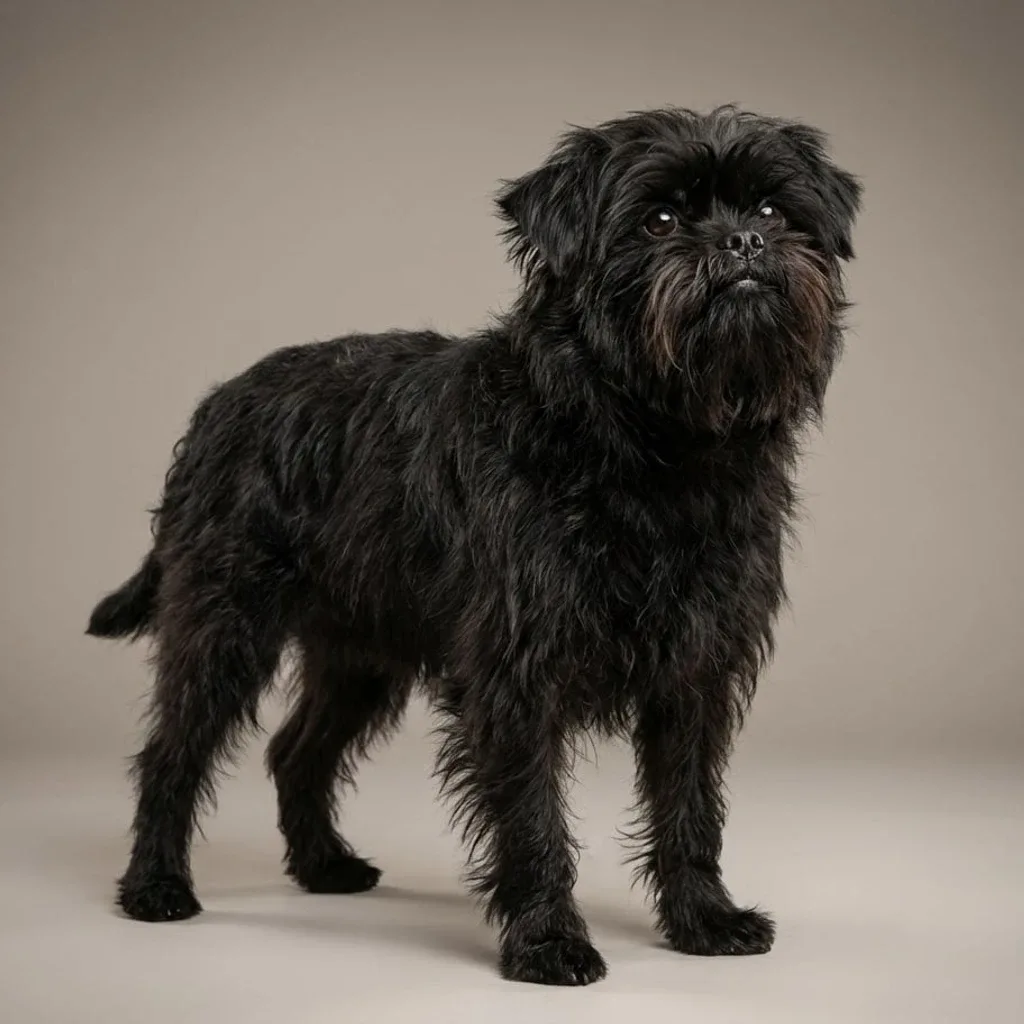
Affenpinscher
The Affenpinscher is a sturdy, monkey-like terrier-type toy breed known for its confidence and playful spirit. Despite its small size, it possesses a courageous heart and a loyal personality, making it a wonderful companion for Kiwi apartment dwellers or those with smaller sections.
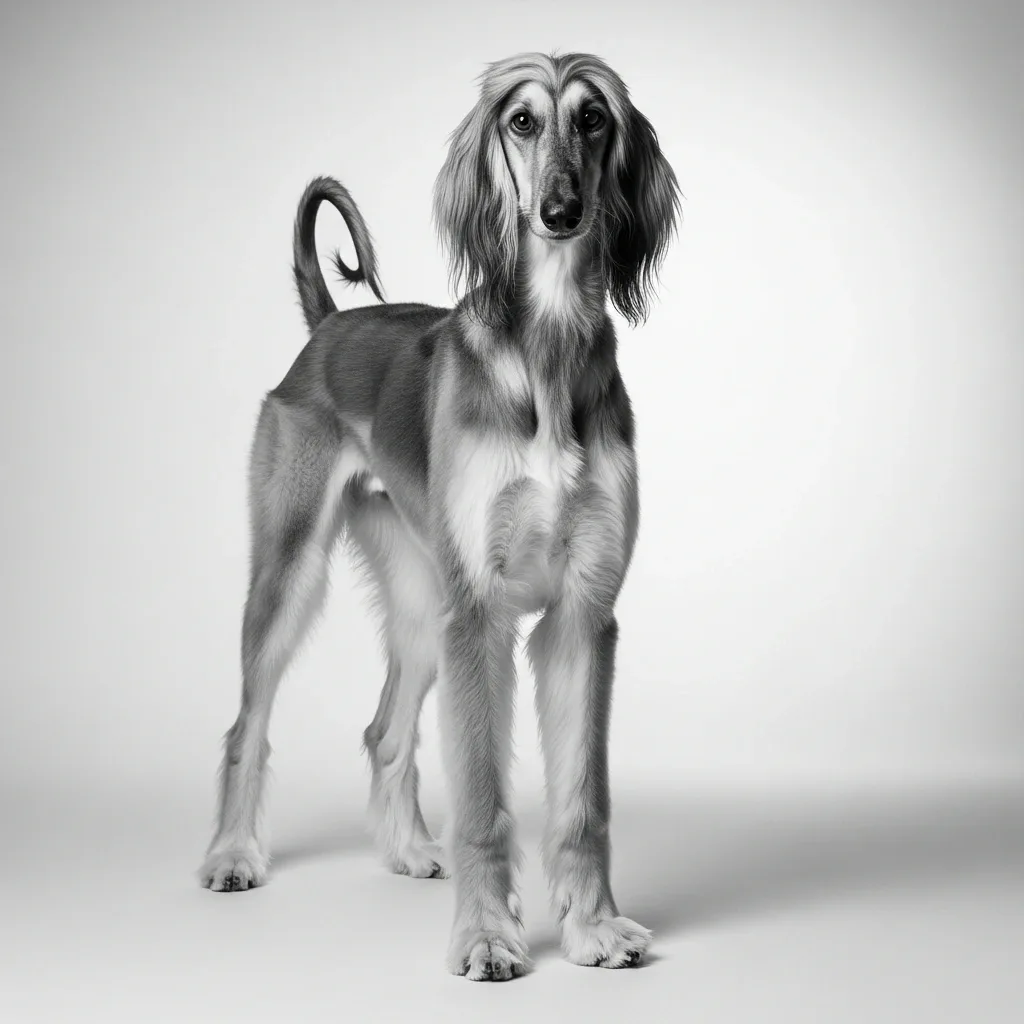
Afghan Hound
The Afghan Hound is an elegant aristocrat with a dignified and aloof personality. Known for its striking, silky coat, this breed is a high-maintenance beauty that requires ample space to run and an owner dedicated to its complex grooming needs.
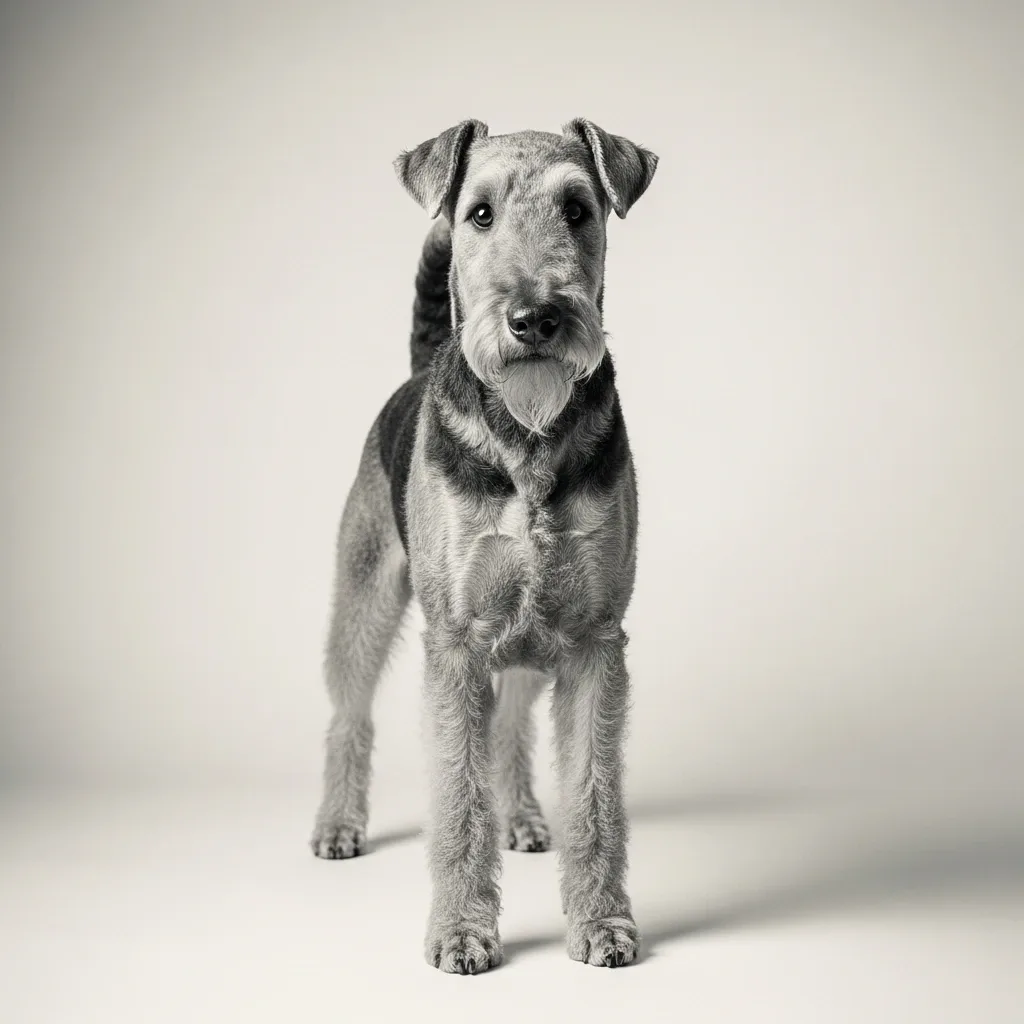
Airedale Terrier
The 'King of Terriers', the Airedale is the largest of all terrier breeds. They are brave, hardworking, and highly intelligent, making them excellent partners for active Kiwi families who love tramping and outdoor adventures.
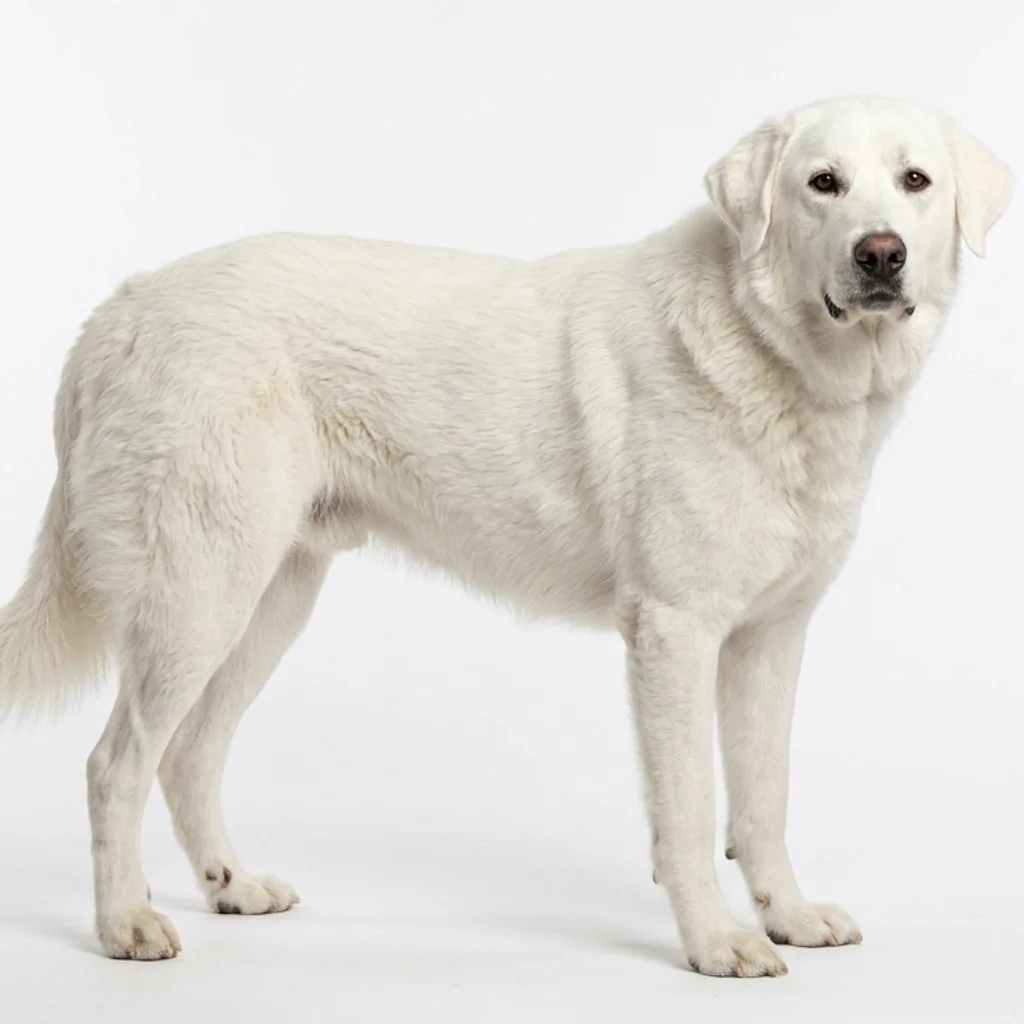
Akbash Dog
Originally a Turkish livestock guardian, the Akbash is a serious, protective, and independent breed. They are not suited for apartment living and thrive on large NZ lifestyle blocks where they can have a 'territory' to watch over.