Dog Breed Guide NZ
Dobermann
The Dobermann (the spelling preferred in NZ) is an exceptionally loyal, intelligent, and highly alert protector. Renowned for their athletic build and absolute devotion to their family, they require experienced owners and substantial exercise.
Photo Gallery
Breed Snapshot
- Size
- Male: 40–45 kg (68–72 cm); Female: 32–35 kg (63–68 cm)
- Lifespan
- 10–13 years
- Origin
- Germany
- Temperament
- Loyal, intelligent, alert, courageous, energetic, protective, trainable
- NZ Price
- $1,500 – $3,500 NZD from reputable Dogs NZ breeders performing essential cardiac and vWD DNA screenings; rescue dogs range from $150 – $450 NZD.
- Annual Vet Cost
- Routine annual veterinary care ranges from $500 – $1,000 NZD. However, because the breed is highly predisposed to DCM (heart disease) and vWD (bleeding disorder), lifelong cardiac care, diagnostic echo tests, or emergency surgical clotting support can run from $3,000 – $8,000+ NZD. Securing comprehensive pet insurance early is critical.
Personality Scores
NZ Lifestyle Fit
Dobermanns are a great fit for active New Zealand families with secure suburban properties. In NZ, they are not classified as a dangerous or menacing breed under the Dog Control Act, but positive early training and socialization are crucial to manage public perception. They are velcro dogs who thrive when living indoors as part of the family, and do not cope well when isolated in a backyard.
Origins & History
The Dobermann (the spelling traditionally preferred in New Zealand, Australia, and the UK, as opposed to the American "Doberman Pinscher") is a relatively modern breed developed in Apolda, Germany, around 1890 by Karl Friedrich Louis Dobermann. Working as a tax collector and dog catcher, he sought to create a loyal, imposing, and highly intelligent guard dog to protect him during his rounds in dangerous areas. By crossbreeding various dogs—hypothesized to include the early German Shepherd, Rottweiler, Great Dane, Greyhound, and Weimaraner—he successfully created a breed renowned for its unmatched protective instincts and sharp intellect. In New Zealand, the breed is highly respected as a dedicated companion and guardian. Responsible prospective owners should research getting a dog in New Zealand to ensure they are fully prepared for the lifelong commitment and housing requirements this breed demands.
Physical Characteristics & Weather Sensitivity
Dobermanns are medium-to-large, square-bodied dogs characterised by a sleek, muscular, and elegant silhouette. They possess a short, hard, and single-layered coat that lies flat against the body, typically in black and rust or brown and rust colours. While this low-maintenance coat requires only a quick weekly brush, it offers virtually no insulation against extreme weather. Due to their low body fat percentage and lack of a dense undercoat, Dobermanns are highly sensitive to cold and wet conditions. During the damp, chilly winters in New Zealand—especially in Southern regions like Canterbury or Otago—owners must provide high-quality insulated dog coats for outdoor walks and ensure they sleep in a warm, draft-free indoor environment.
Temperament & Obedience Training
A well-bred and properly trained Dobermann is a remarkably loyal, intelligent, and affectionate family guardian. They are often described as "Velcro dogs" due to their intense desire to stay physically close to their human pack. However, their formidable protective instincts can easily turn into nervous aggression if they are not bred responsibly or socialised adequately. Early obedience training and extensive exposure to various sights, sounds, and strangers are absolutely essential from puppyhood. New Zealand owners are strongly encouraged to enroll their dogs in local puppy classes and familiarise themselves with standard advice on puppy socialisation to ensure their dog grows into a balanced and confident companion. Training must focus on positive reinforcement; Dobermanns are sensitive and will shut down or become defensive under harsh correction. When introducing a new dog to a household with existing animals, check out the SPCA guide on introducing a new dog to other pets for safe integration steps.
Major Genetic Health Risks: DCM & vWD
Dobermanns face serious, life-threatening genetic health risks that every prospective Kiwi owner must honestly evaluate. The most critical is Dilated Cardiomyopathy (DCM), a primary heart muscle disease. Dobermanns have the highest incidence of DCM among all dog breeds, with research indicating that over 50% of the breed will develop the condition in their lifetime. According to the VCA Hospitals Guide to Canine DCM, this condition causes the heart muscle walls to thin and weaken, leading to congestive heart failure or sudden, tragic cardiac arrest. Annual veterinary screening, including an echocardiogram and a 24-hour Holter monitor, is highly recommended from two years of age. Another major inherited risk is von Willebrand's Disease (vWD), a genetic bleeding disorder caused by a deficiency in clotting factors. As detailed in the VCA Hospitals Guide to von Willebrand's Disease, dogs with vWD are prone to excessive, prolonged bleeding from minor cuts, injuries, or during routine surgeries like desexing. DNA testing is readily available, and responsible breeders must screen their breeding stock to ensure they do not produce affected puppies. Due to these potential genetic issues, veterinary expenses can be substantial. Owners should read the NZ vet costs guide to understand potential medical budgets and secure comprehensive pet insurance early.
Exercise & Mental Stimulation Needs
This is a high-energy working breed that requires a significant commitment to daily physical activity and mental engagement. A mature Dobermann needs at least 2 hours of active exercise per day. Gentle street walks are insufficient; they thrive on off-leash running in secure areas, retrieving games, swimming, and canine sports like agility or tracking. Mentally, they are incredibly active and easily bored. If left alone for long periods without a job, they can develop severe separation anxiety and destructive habits like digging and chewing. Incorporating interactive puzzle feeders, scent training, and daily obedience sessions is vital to channel their sharp intellect constructively. When comparing large, active guardians, they are often compared to the German Shepherd due to their similar working capabilities and high training needs. For those looking to adopt or find a reputable breeder, check our guide on how to find puppies for sale in NZ.
Fun Facts
Fact 1
The Dobermann was originally bred in Germany around 1890 by a tax collector named Karl Friedrich Louis Dobermann, who wanted a loyal personal guardian to protect him during his rounds.
Fact 2
New Zealand, Australia, and the UK prefer the traditional double-n spelling 'Dobermann', while North American registries drop the second 'n' to spell it 'Doberman Pinscher'.
Fact 3
They are affectionately known as 'Velcro dogs' due to their extreme attachment to their owners, preferring to stay physically touching their humans whenever possible.
Fact 4
Due to their sleek build, low body fat, and single coat, Dobermanns show off impressive muscle tone, but this also makes them highly vulnerable to cold Kiwi winters.
Fact 5
Dobermanns were selected by the US Marine Corps during WWII as their official war dogs, earning the heroic nickname 'Devil Dogs'.
Related Breeds
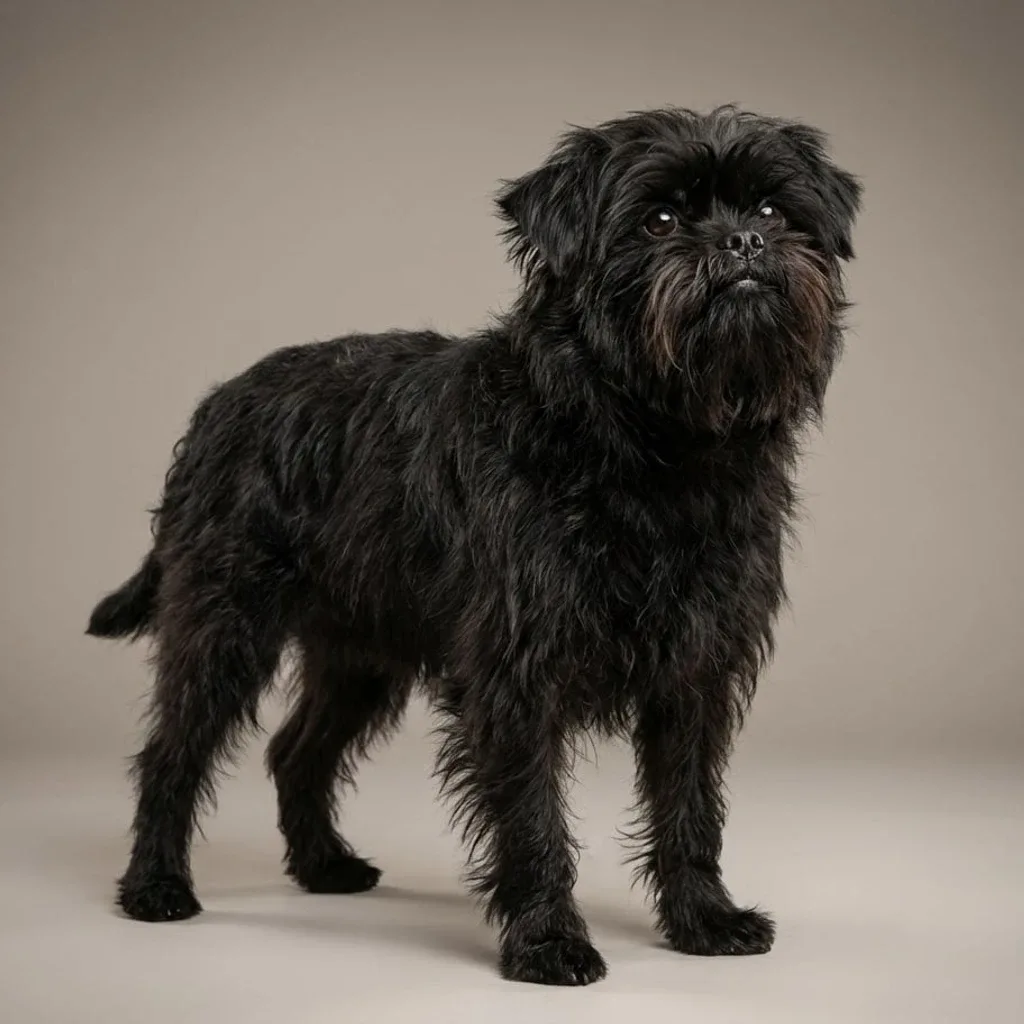
Affenpinscher
The Affenpinscher is a sturdy, monkey-like terrier-type toy breed known for its confidence and playful spirit. Despite its small size, it possesses a courageous heart and a loyal personality, making it a wonderful companion for Kiwi apartment dwellers or those with smaller sections.
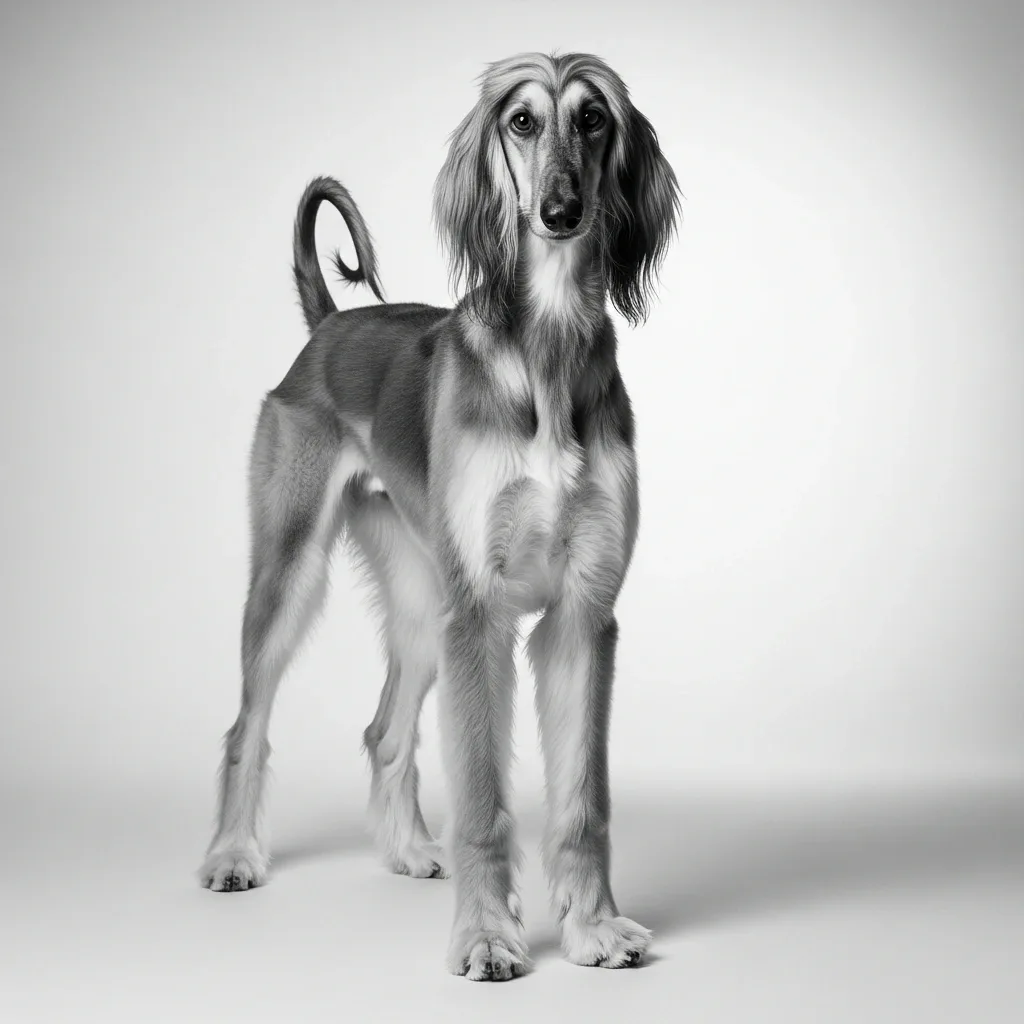
Afghan Hound
The Afghan Hound is an elegant aristocrat with a dignified and aloof personality. Known for its striking, silky coat, this breed is a high-maintenance beauty that requires ample space to run and an owner dedicated to its complex grooming needs.
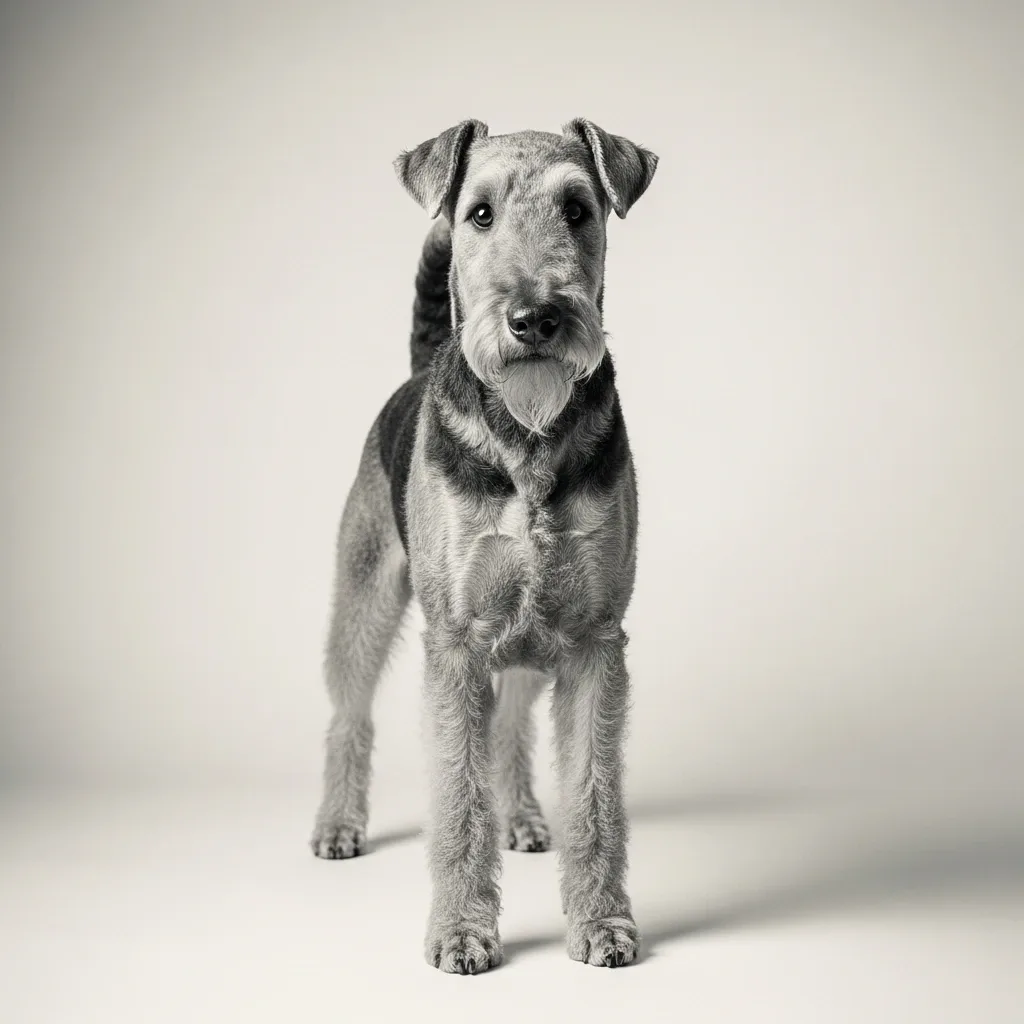
Airedale Terrier
The 'King of Terriers', the Airedale is the largest of all terrier breeds. They are brave, hardworking, and highly intelligent, making them excellent partners for active Kiwi families who love tramping and outdoor adventures.
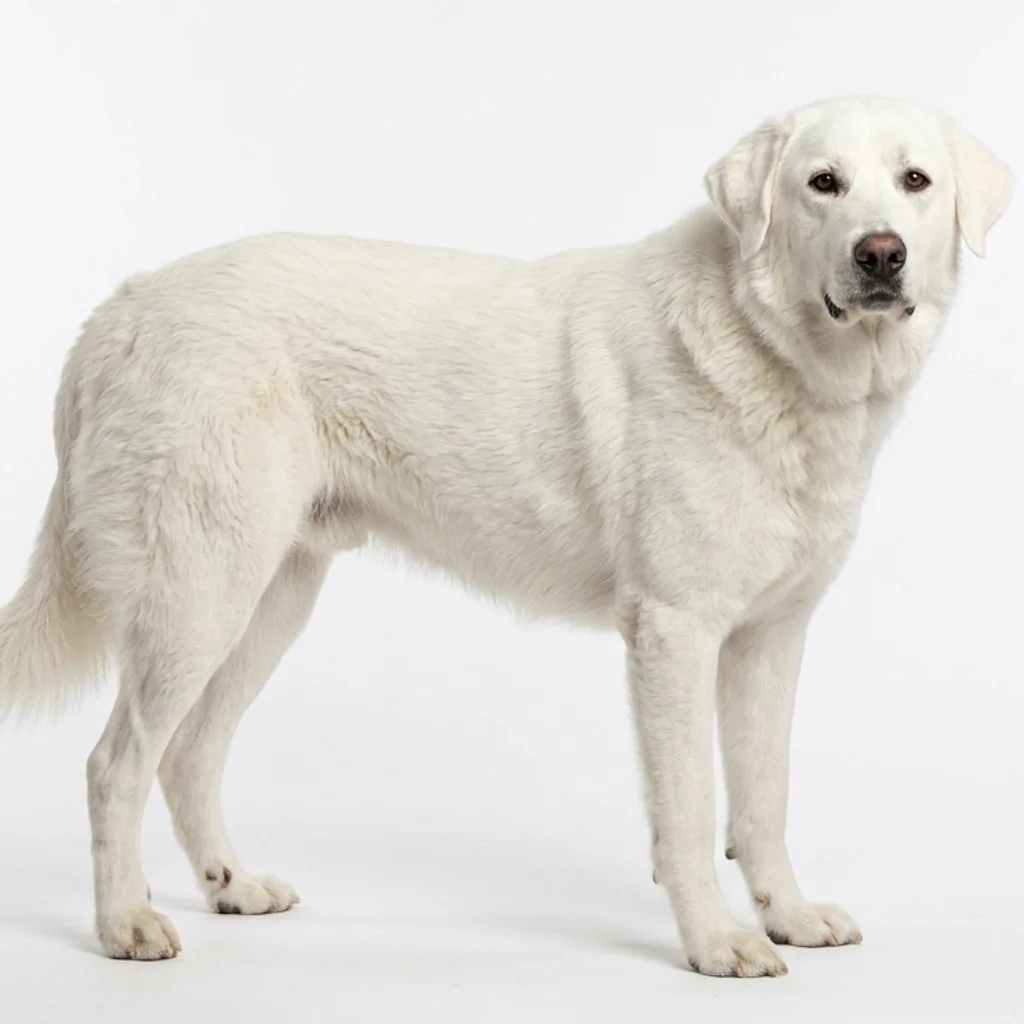
Akbash Dog
Originally a Turkish livestock guardian, the Akbash is a serious, protective, and independent breed. They are not suited for apartment living and thrive on large NZ lifestyle blocks where they can have a 'territory' to watch over.