Pet Breed Guide NZ
Reeve's Turtle (Chinese Pond Turtle)
The Reeve's Turtle is a legal pond turtle in New Zealand. Known for their active, friendly personalities and manageable size, they are the ideal turtle for beginner keepers.
Photo Gallery
NZ Ownership Snapshot
Verified NZ StatusBreed Snapshot
- Size
- Small-medium (15–20 cm shell length; females grow larger)
- Lifespan
- 20–30 years
- Origin
- China, Japan, Korea, Taiwan
- Care Focus
- Alert, active, and personable; easily habituated to keepers; gentler than sliders
- NZ Price
- $150 – $400 NZD from NZ herpetological breeders.
- Annual Vet Cost
- Exotic vet checkups cost $100 – $180 NZD. Treatment for shell rot, respiratory infections, or ear abscesses can cost $300 – $1,000 NZD.
Personality Scores
NZ Lifestyle Fit
Reeve's Turtles are an exceptional fit for New Zealand keepers. Because they grow to a manageable size, they are suitable for indoor aquariums in townhouses. Due to cold Kiwi winters, they must be kept indoors year-round with artificial heating and strong UVB setups, as outdoor keeping is risky and can lead to hibernation complications.
Origins & History
Reeve's Turtle (Mauremys reevesii), also known as the Chinese Pond Turtle or Chinese Three-keeled Pond Turtle, is native to the slow-moving freshwater ponds, lakes, and marshes of China, Japan, Korea, and Taiwan. Famous for their expressive eyes, alert behavior, and three prominent ridges (keels) running down their carapace (shell), they are highly regarded in Asian cultures. In New Zealand, Reeve's Turtles are legal captive exotic reptiles, listed on the New Zealand Herpetological Society (NZHS) approved species list (reptiles.org.nz). They are locally bred and are highly sought-after.
Aquarium & Habitat Setup
Reeve's Turtles are semi-aquatic pond turtles. They are relatively poor swimmers compared to Red-eared Sliders and prefer shallower water. Key tank requirements:
- Tank Size: A minimum of an 80-liter aquarium is suitable for a juvenile, though adults will eventually require 150-200 liters. The water depth should be kept relatively shallow — about 1.5 to 2 times the shell length of the turtle, allowing them to stretch and breathe easily while resting on the bottom.
- Filtration & Heating: High-quality filtration is essential. Use an external canister filter rated for double the tank size to keep the water clean. Water temperature should be maintained between 20°C and 24°C using a glass heater with a plastic heater guard.
- Basking Platform: Provide a dry basking area (like cork bark or a floating dock) under a heat spotlight, achieving a basking spot temperature of 30-32°C.
- UVB Lighting: High-output UVB lighting (minimum 10% T5 tube) is mandatory. The light must cover the basking zone to prevent shell issues.
Diet & Nutrition
Reeve's Turtles are omnivores. As they grow older, their diet naturally shifts from primarily carnivorous to incorporating more vegetation.
- Juveniles: Feed daily, focusing on protein-rich live foods like small earthworms, bloodworms, crickets, prawns, and high-quality commercial turtle pellets.
- Adults: Feed every second day, offering a mix of commercial pellets, earthworms, and leafy greens (such as dandelion, romaine lettuce, watercress, and duckweed). Avoid feeding spinach, cabbage, or high-fat meats.
- Supplements: Dust food with calcium powder twice a week and a multivitamin once a week. Keep a cuttlebone in the tank.
Behavior & Beginner Suitability
Reeve's Turtles are widely considered one of the best turtle species for beginners. They grow to a very manageable size (typically 15-20cm, rarely up to 25cm), making them much easier to house than the popular Red-eared Slider, which grows large and aggressive. Reeve's Turtles have charming, alert personalities. They quickly learn to recognize their keepers and will swim to the front of the tank begging for food. While they are hardier and more forgiving of beginner mistakes, they still require specialized heating, filtration, and UVB lighting, and represent a 20 to 30-year commitment.
Fun Facts
Fact 1
Reeve's Turtles have three distinct longitudinal ridges or 'keels' running down their carapace, giving them a rugged, armored look.
Fact 2
As males mature, they can undergo melanism, turning almost completely black, including their eyes, skin, and shell.
Fact 3
They are named after John Reeves, a British tea inspector and naturalist who collected numerous wildlife specimens in China in the 19th century.
Fact 4
They are relatively poor swimmers compared to sliders and prefer to crawl along the bottom of shallow ponds rather than swim in deep waters.
Fact 5
In traditional Chinese culture, the turtle is a symbol of longevity and wisdom, and keeping them is believed to bring good fortune to the household.
Related Breeds & Species
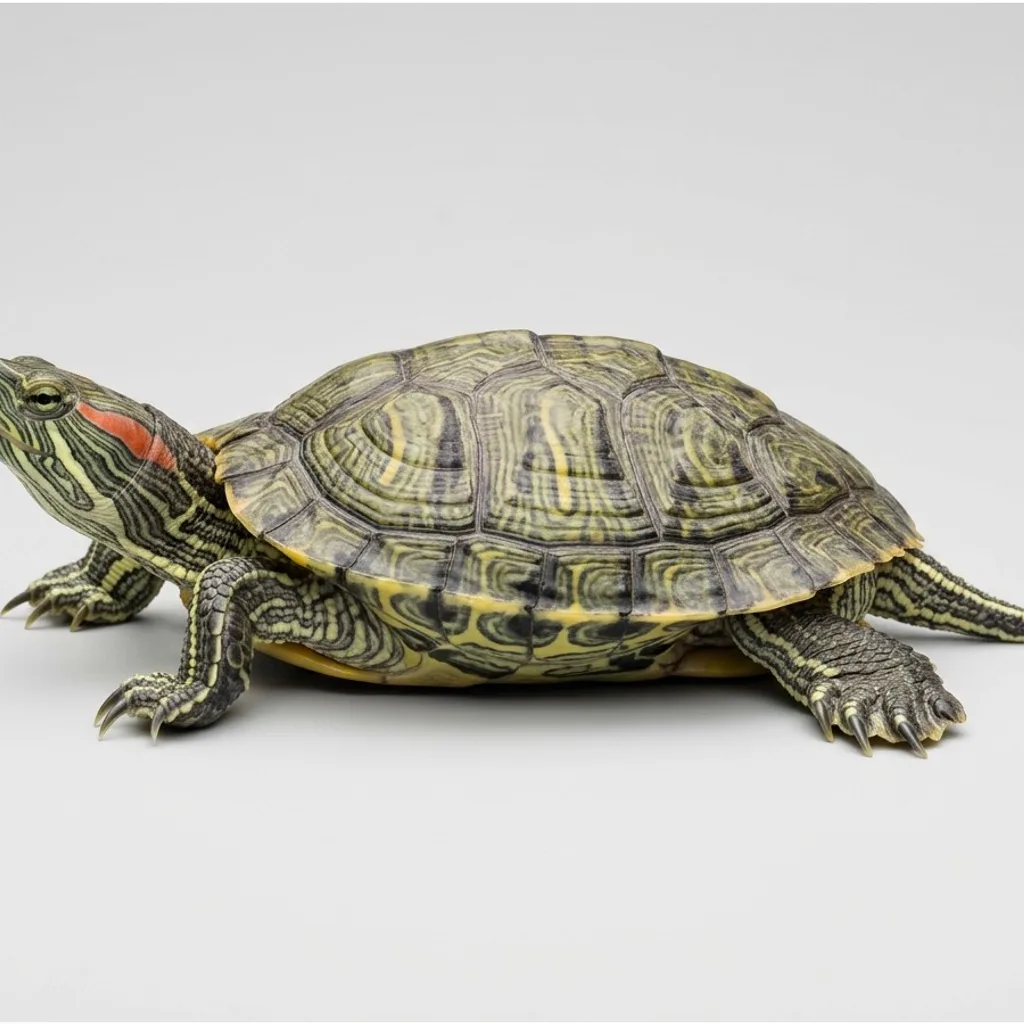
Red-eared Slider Turtle
Red-eared Slider Turtles are semi-aquatic reptiles recognizable by the red stripe behind their eyes. They are highly active swimmers that need a large water tank, a dry basking dock, and intense UVB lighting.
PetMall visual placeholder
Chinese Fire-bellied Newt
A small, cool-water aquatic newt from China. Notable for being smaller and more fully aquatic than the Japanese species. Requires low-flow sponge filters, cool temperatures, and zero handling due to skin toxins.
PetMall visual placeholder
Japanese Fire-bellied Newt
A small, cool-water semi-aquatic newt from Japan. Famous for its bright orange belly and warning coloration. Requires a low-flow paludarium, cool temperatures, and zero handling due to mild skin toxins.
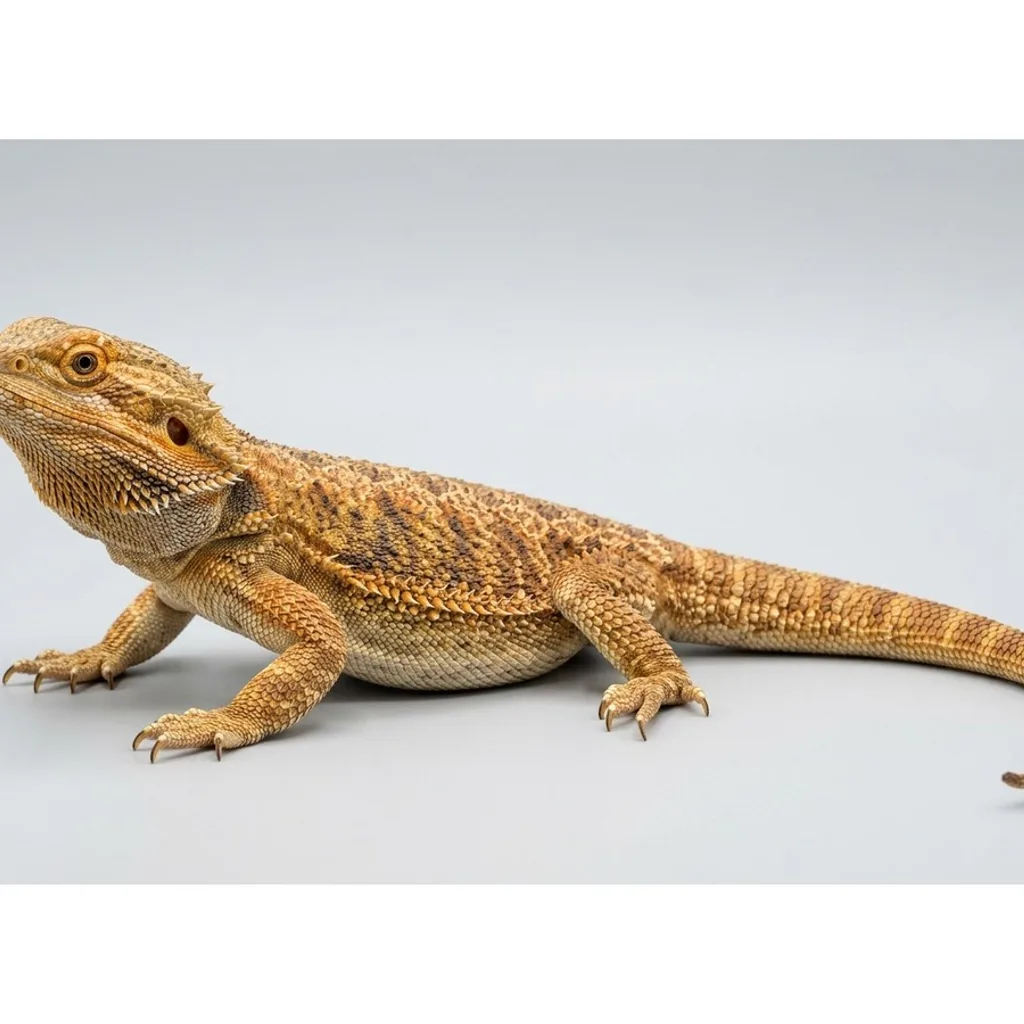
Bearded Dragon
Bearded dragons are one of the small number of non-native lizards legally kept in New Zealand. They are daytime-active and genuinely handleable, but they are also the most equipment-hungry of the common pet lizards: an adult needs roughly a 120x60x60cm vivarium, a 38-42°C basking spot and full-spectrum UVB. Skimp on the UVB and metabolic bone disease is the usual outcome. Typical lifespan is 10-15 years.
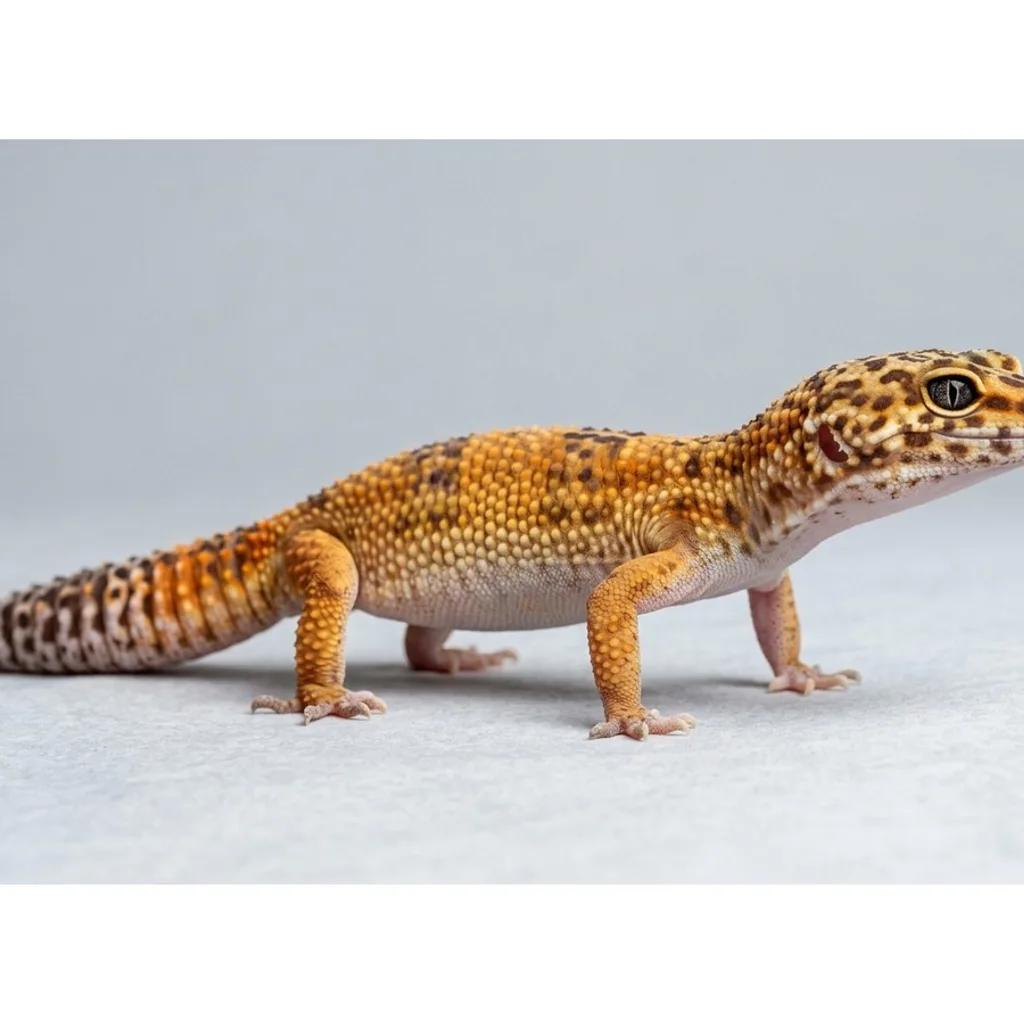
Leopard Gecko
Leopard geckos are legal to keep in New Zealand and among the exotic lizards commonly held here. They live on the ground, are most active at dusk and dawn, and eat live insects about every 2-3 days as adults. The New Zealand Herpetological Society gives a life span of 6-10 years that can reach 20 years in captivity, so plan for a long commitment.
PetMall visual placeholder
Eastern Long-necked Turtle (Snakeneck Turtle)
An active, freshwater carnivorous turtle native to Australia. Notable for its snake-like long neck. Requires large aquatic tanks, heavy filtration, a dry basking dock, and specialized handling.