Pet Breed Guide NZ
Ackie Monitor
The Ackie Monitor, also known as the Spiny-tailed Monitor, is a fascinating and relatively smaller monitor species originating from Australia. Renowned for their intelligence and active nature, Ackies make rewarding pets for experienced reptile keepers. They require specific environmental conditions, including high temperatures and a varied, insectivorous diet, to thrive. While not a beginner reptile, their engaging personalities and manageable size compared to other monitors make them increasingly popular. In New Zealand, Ackie Monitors are legal to own, though prospective Kiwi owners should always confirm current MPI and local council regulations before acquiring one.
Photo Gallery
NZ Ownership Snapshot
Prohibited in NZ- Noise Level
- quiet
- Social Needs
- solitary
- Diet Type
- Insectivorous
- UVB Required
- Yes
Monitor lizards (Varanus sp.) are not on the NZ MPI/NZHS approved species list and cannot be legally kept as pets in New Zealand.
Breed Snapshot
- Size
- medium
- Lifespan
- 15-20 years
- Origin
- Australia
- Care Focus
- Enclosure-focused reptile with handling tolerance and activity needs that should be checked in a species-specific care guide.
- NZ Price
- NOT AVAILABLE IN NZ — prohibited species, no lawful source or price
- Annual Vet Cost
- Estimated annual vet/care costs for an Ackie Monitor in NZ can range from NZD $150 - $400 for routine check-ups and basic preventative care, assuming no major health issues. However, if an Ackie Monitor develops a serious illness or requires specialised treatment, costs can quickly escalate into the thousands. It's crucial to be aware that access to exotic animal veterinarians in New Zealand is limited, particularly outside of major cities. Finding a vet experienced with reptiles, especially monitors, can be challenging, and emergency care might require travel or extended waiting times. It's wise to budget for potential high costs and identify a knowledgeable vet in advance.
Personality Scores
NZ Lifestyle Fit
Ackie Monitors are best suited for experienced reptile keepers in New Zealand who can dedicate significant space and resources to their care. Their requirement for a large, secure enclosure with precise temperature and humidity gradients means they are not ideal for small apartments unless a dedicated room can be converted. New Zealand's climate, from the often humid conditions of Auckland to the colder winters of the South Island, necessitates robust heating and lighting systems to maintain their required basking temperatures of 50-60°C and ambient temperatures of 28-32°C. This means substantial electricity costs for heating. There are no known regional restrictions specific to Ackie Monitors within New Zealand, but it is always prudent for prospective owners to check with their local council regarding any specific bylaws for exotic pets. Legally sourcing Ackie Monitors in NZ is primarily through reputable New Zealand breeders or specialist reptile pet stores that adhere to ethical breeding practices and MPI guidelines. Avoid any unregulated or black-market sources.
NZ legal status not yet verified against MPI, EPA, DOC and regional council records. Don't treat this page as confirmation that the species can legally be imported, bought, sold, bred or kept in New Zealand — check those official sources first.
No — you cannot legally keep, buy, or breed an Ackie Monitor (Varanus acanthurus) in New Zealand. While these miniature monitor lizards are incredibly popular in the global reptile hobby due to their active behaviour and manageable size, they are strictly prohibited under New Zealand's rigorous biosecurity laws. There are no legal captive populations of Ackie Monitors within the country, and importing them is entirely illegal.
Why Ackie Monitors are not legal in NZ
The primary legal mechanism keeping Ackie Monitors out of New Zealand is the Hazardous Substances and New Organisms (HSNO) Act 1996. Under this legislation, any species that was not physically present in New Zealand prior to 29 July 1998 is legally classified as a "new organism."
Because no monitor lizards (Varanus species) had established legal captive or wild populations in New Zealand before this 1998 cutoff date, they cannot be legally introduced or kept today. The Environmental Protection Authority (EPA) maintains a strict ban on importing exotic reptiles. Approvals for new reptile imports are virtually never granted for private keepers. You can review the details of prohibited species classifications on the EPA Prohibited Organisms portal.
Furthermore, the New Zealand Herpetological Society (NZHS) maintains the definitive whitelist of approved exotic reptiles allowed in New Zealand captivity. The Ackie Monitor is entirely absent from the NZHS Exotic Pets registry. Because New Zealand's unique island ecosystem is highly vulnerable to introduced pests and novel reptile pathogens, biosecurity officials do not permit the introduction of large, carnivorous, or highly active exotic lizards that could compete with or prey upon native geckos and skinks.
What if someone offers you one?
If a local breeder, online seller, or social media group offers to sell you an Ackie Monitor in New Zealand, you must exercise extreme caution. Because there are no legal breeding lines within the country, any individual present in New Zealand is almost certainly the result of illegal wildlife smuggling.
Purchasing, holding, or breeding a smuggled new organism is a serious offence under both the Biosecurity Act 1993 and the HSNO Act 1996. Engaging in the illegal trade of these lizards not only carries severe legal penalties but also puts New Zealand’s native wildlife at risk of contracting foreign diseases.
If you encounter anyone advertising or selling Ackie Monitors, you should report the details immediately to the Ministry for Primary Industries (MPI) via their 24-hour biosecurity hotline at 0800 80 99 66. Reports can be made confidentially, helping protect the local ecology from illegal introductions.
Legal reptiles to keep instead
Fortunately, New Zealand has a vibrant, legal reptile-keeping community centered around several established exotic and native species that do not pose biosecurity risks. If you are looking for an engaging, legal lizard to keep as a pet, consider these approved alternatives:
- Bearded Dragon: The Central Bearded Dragon (Pogona vitticeps) is the most popular large lizard in the Kiwi hobby. They are known for their calm temperament and responsive behaviour. Learn more about their housing requirements in our bearded dragon guide.
- Blue-Tongue Skink: The Eastern Blue-Tongue Skink (Tiliqua scincoides) is a robust, fascinating lizard with a gentle nature. While they are legal to keep, they are subject to regional pest management restrictions in certain areas like Auckland, meaning breeding or selling them there is prohibited. Read the full details in our blue-tongue skink profile.
- Leopard Gecko: If you prefer a smaller, colourful lizard, the Leopard Gecko (Eublepharis macularius) is a brilliant choice. They are docile, nocturnal, and highly suited for indoor terrariums. Check our detailed leopard gecko guide.
Sources
- Environmental Protection Authority (EPA). Prohibited organisms in New Zealand, checked 2026-07-04: https://www.epa.govt.nz/industry-areas/new-organisms/prohibited-organisms-in-new-zealand/
- New Zealand Herpetological Society (NZHS). Approved exotic pet registry, checked 2026-07-04: https://www.reptiles.org.nz/herpetofauna/exotic-pets
Fun Facts
Fact 1
The name "Ackie" is a common abbreviation for their scientific name, Varanus acanthurus.
Fact 2
They are known for their impressive intelligence and can often recognise their keepers.
Fact 3
Their spiny tail is not just for show; it provides protection from predators and can be used as a defensive whip.
Fact 4
Ackie Monitors are excellent burrowers, creating complex tunnel systems in their natural habitat to escape heat and predators.
Fact 5
They are incredibly fast and agile, capable of quick bursts of speed to catch prey or evade threats.
Related Breeds
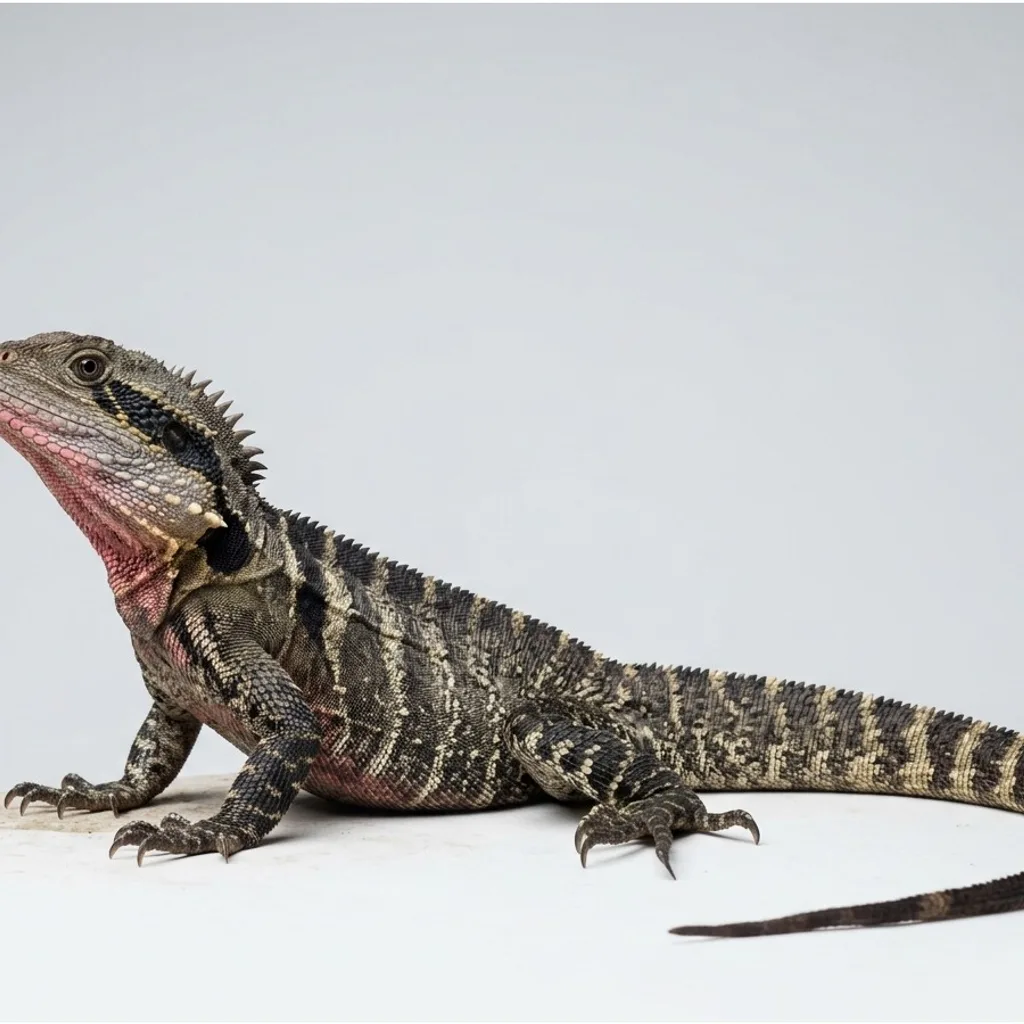
Australian Water Dragon
Australian Water Dragons are large, active semi-arboreal lizards native to Australia. They need large vertical climbing enclosures, high humidity, and a swimming pool, and are the only water dragon legal in NZ.
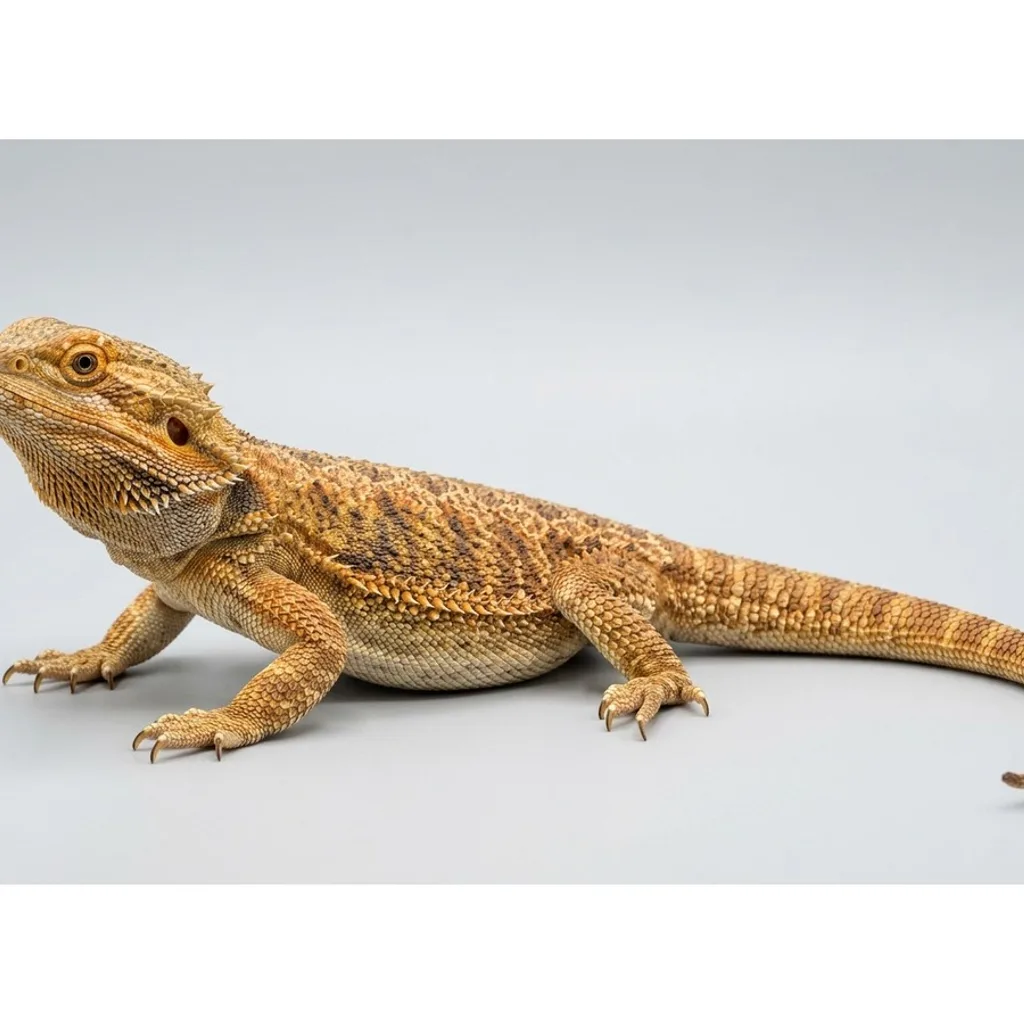
Bearded Dragon
Bearded dragons are one of the small number of non-native lizards legally kept in New Zealand. They are daytime-active and genuinely handleable, but they are also the most equipment-hungry of the common pet lizards: an adult needs roughly a 120x60x60cm vivarium, a 38-42°C basking spot and full-spectrum UVB. Skimp on the UVB and metabolic bone disease is the usual outcome. Typical lifespan is 10-15 years.
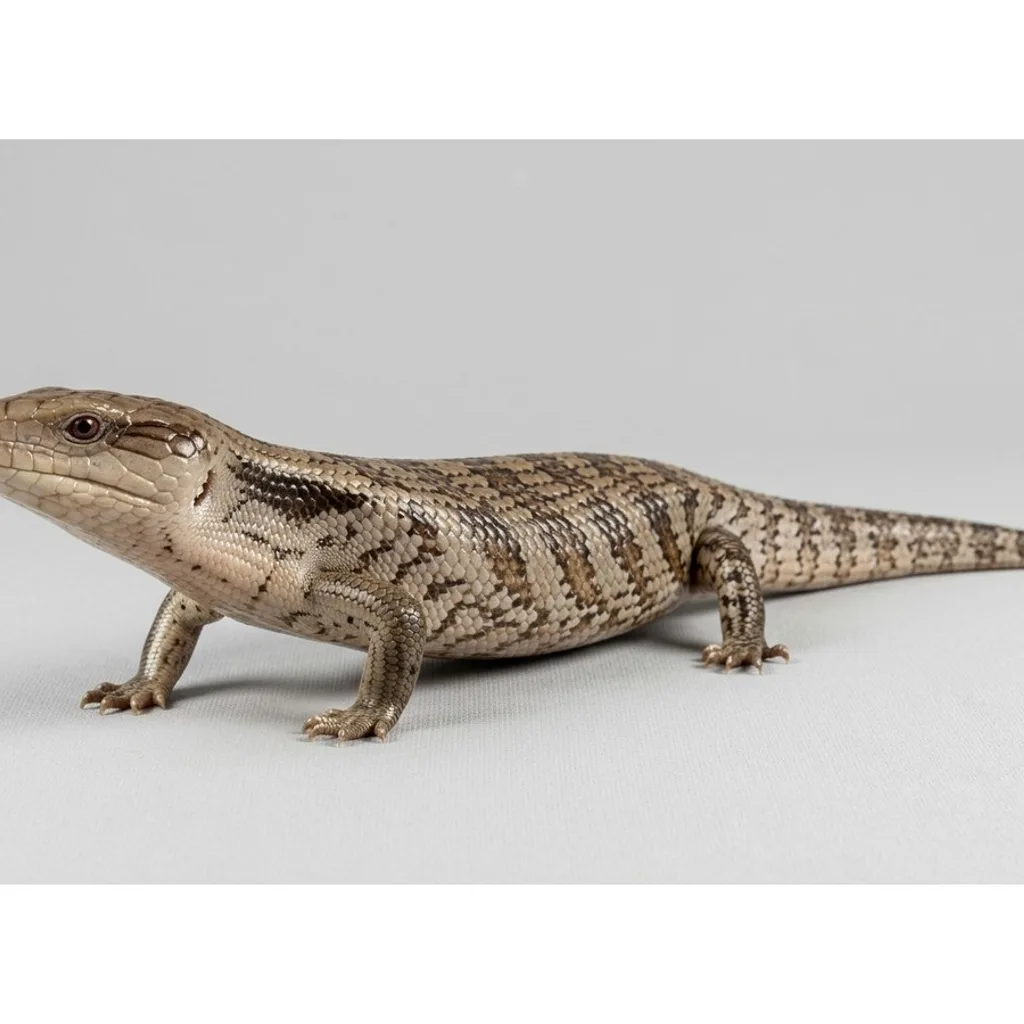
Blue-tongued Skink
Blue-tongued Skink is a medium reptile originating from Australia. This animal has verified NZ restriction or pest context; check MPI, DOC, EPA, and local council rules before keeping, moving, breeding, selling, or sourcing one. Typical lifespan is 15-20 years.
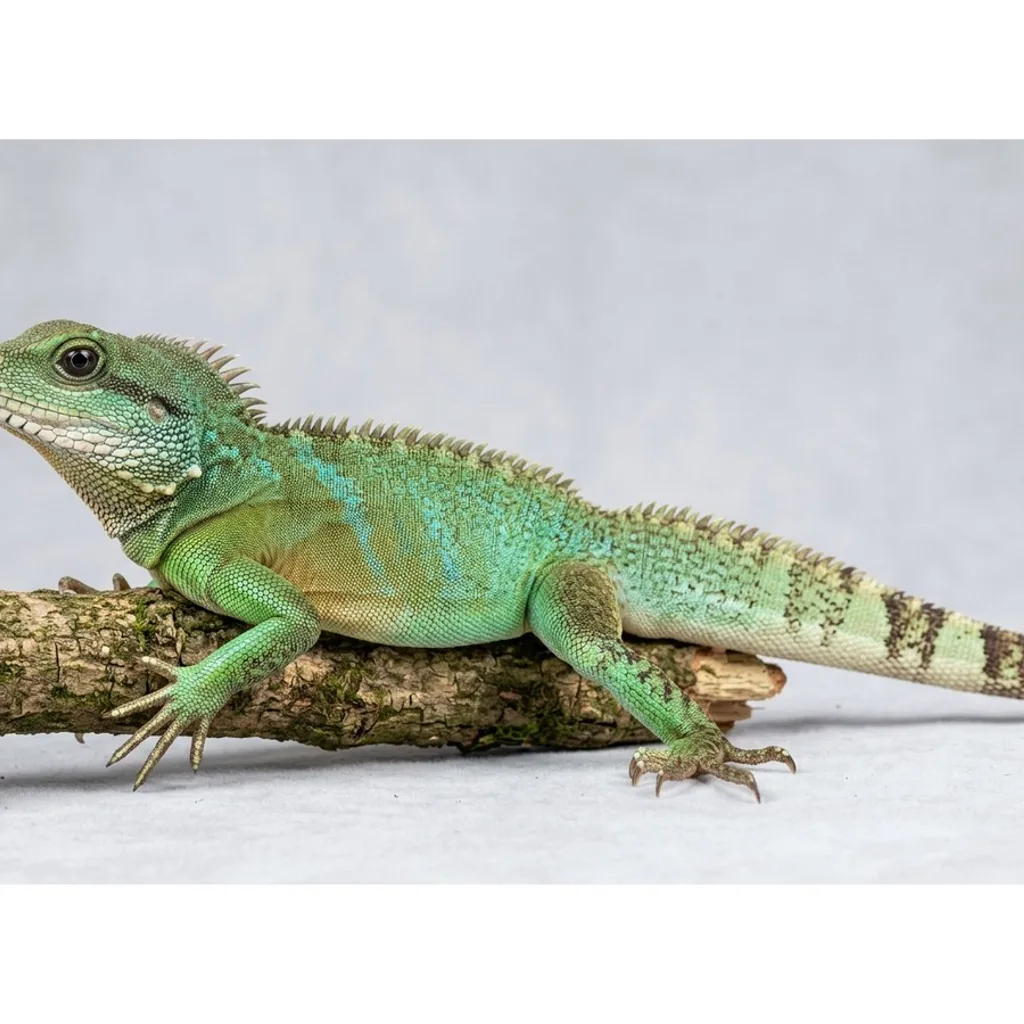
Chinese Water Dragon
The Chinese Water Dragon is not legally keepable in New Zealand; this page details the regulations and approved alternative reptile species. The similarly named Australian Water Dragon is a different species that is legally kept in New Zealand — we cover it in a separate profile.