Pet Breed Guide NZ
Blue-tongued Skink
The Blue-tongued Skink, a captivating medium-sized reptile originating from Australia, is renowned for its striking sapphire-blue tongue, which it flashes as a defensive display. These intelligent and generally docile lizards make fascinating pets, known for their relatively long lifespan of 15-20 years. They are omnivorous, requiring a varied diet of insects, vegetables, and fruits. In New Zealand, Blue-tongued Skinks hold a unique legal status: they are permissible as pets, but only if they are born from existing captive populations within the country. Importing them is strictly prohibited, making responsible sourcing from NZ-born stock essential for Kiwi enthusiasts.
Photo Gallery
NZ Ownership Snapshot
Restricted in NZ- Noise Level
- quiet
- Social Needs
- solitary
- Diet Type
- Species-specific reptile diet
- UVB Required
- Yes
Restricted regional-pest context: MPI lists blue-tongue skink species in regional pest management plan examples. Check exact species and regional rules before keeping, moving, breeding, or selling.
Breed Snapshot
- Size
- medium
- Lifespan
- 15-20 years
- Origin
- Australia
- Care Focus
- Enclosure-focused reptile with handling tolerance and activity needs that should be checked in a species-specific care guide.
- NZ Price
- NZD $400 - $1000 (from legal NZ-born stock, prices can vary due to limited availability)
- Annual Vet Cost
- Estimated annual vet/care costs can range from NZD $150 - $400, depending on the skink's health and the availability of exotic vets. Initial setup costs for a vivarium, heating, and lighting can be an additional NZD $500 - $1000.
Personality Scores
NZ Lifestyle Fit
Blue-tongued Skinks can be suitable pets for various New Zealand homes, from city apartments to larger sections or bach properties, provided their enclosure requirements are met. Their primary need is a spacious vivarium that maintains consistent temperature and humidity, regardless of the external climate. For instance, while Auckland's humidity might be beneficial, proper ventilation is still key. In colder regions like the South Island, robust heating systems are essential to maintain their preferred basking temperatures (around 32-35°C) and ambient temperatures (24-28°C). There are no specific regional restrictions on ownership within NZ, but local councils may have bylaws regarding exotic pets, so checking with your local council is always advised. Legally sourcing a Blue-tongued Skink in New Zealand means acquiring one from NZ-born stock only. This typically involves connecting with registered breeders or reptile enthusiasts through networks like the NZ Herpetological Society or specialised pet groups. Importing these animals is strictly prohibited by MPI. Always request proof of origin to ensure compliance with NZ law.
Restricted regional-pest context: MPI lists blue-tongue skink species in regional pest management plan examples. Check exact species and regional rules before keeping, moving, breeding, or selling.
About the Blue-tongued Skink
The Blue-tongued Skink (Tiliqua spp.) is a genus of large, heavy-bodied lizards native to Australia and parts of New Guinea. Known for their distinctive blue tongues, which they display as a warning to predators, these reptiles are a popular choice among enthusiasts due to their relatively docile nature and manageable size. With a lifespan of 15-20 years, they represent a long-term commitment for pet owners. They are terrestrial, spending most of their time on the ground, often burrowing or hiding under leaf litter and logs. Their omnivorous diet and specific environmental needs require dedicated care, making them suitable for owners prepared for the responsibility.
What They Look Like
Blue-tongued Skinks are robust lizards, typically reaching lengths of 45-60 cm, including their short, thick tail. Their bodies are covered in smooth, overlapping scales, giving them a sleek appearance. Colouration varies significantly between subspecies, ranging from shades of grey and brown to banded patterns of cream, orange, or yellow. Their legs are short and stout, well-adapted for moving through dense undergrowth. The most striking feature, of course, is their broad, flat, and vivid cobalt-blue tongue, which contrasts sharply with the pink interior of their mouth. This flash of blue, often accompanied by a hiss, is a bluff used to deter potential threats.
Personality & Behaviour
Generally, Blue-tongued Skinks are solitary animals, preferring to live alone rather than in groups. They are known for their calm and somewhat curious demeanour, often becoming quite tolerant of handling with regular, gentle interaction. While they are not overly active, they do enjoy exploring their enclosure and basking under heat sources. When threatened, their primary defence mechanism involves puffing up their body, hissing loudly, and flashing their blue tongue. Bites are rare but can occur if they feel cornered or stressed. They are intelligent reptiles, capable of recognising their owners and even learning simple routines.
Life in New Zealand
For Kiwi pet owners, the Blue-tongued Skink presents a unique opportunity, albeit with specific legal requirements. While legal, it is crucial to understand that only Blue-tongued Skinks bred from existing New Zealand captive populations are permitted. Importing these animals is strictly prohibited by the Ministry for Primary Industries (MPI) to protect New Zealand's biosecurity and native ecosystems. Prospective owners must ensure they source their skink from reputable, legal breeders within NZ. This ensures the animal is ethically obtained and complies with all national regulations. Responsible ownership also includes understanding their specific care needs in the New Zealand climate, providing appropriate heating and UV lighting, and being aware of the limited availability of exotic vets.
Is This the Right Pet for You?
Owning a Blue-tongued Skink is a rewarding experience for those prepared for the commitment. Their long lifespan means you'll be caring for them for many years. They require a spacious enclosure with appropriate heating, lighting, and humidity, as well as a varied, omnivorous diet. While generally docile, they are not a 'cuddly' pet and are best suited for owners who appreciate observing their natural behaviours. If you are willing to provide the necessary environment, diet, and attention to their specific needs, and are diligent about sourcing a legally NZ-born animal, a Blue-tongued Skink can be a fascinating and engaging addition to your whānau.
Fun Facts
Fact 1
Blue-tongued Skinks are one of the few lizard species that give birth to live young, rather than laying eggs.
Fact 2
Their prominent blue tongue is a bluff; it's meant to startle predators into thinking they are venomous, even though they are not.
Fact 3
They are intelligent and can often recognise their owners, sometimes even coming to the front of their enclosure when approached.
Fact 4
Blue-tongued Skinks have powerful jaws and flat, broad teeth designed for crushing snails and insects.
Fact 5
They are opportunistic omnivores and will eat almost anything they can overpower, from insects and snails to fruits, vegetables, and even carrion.
Related Breeds
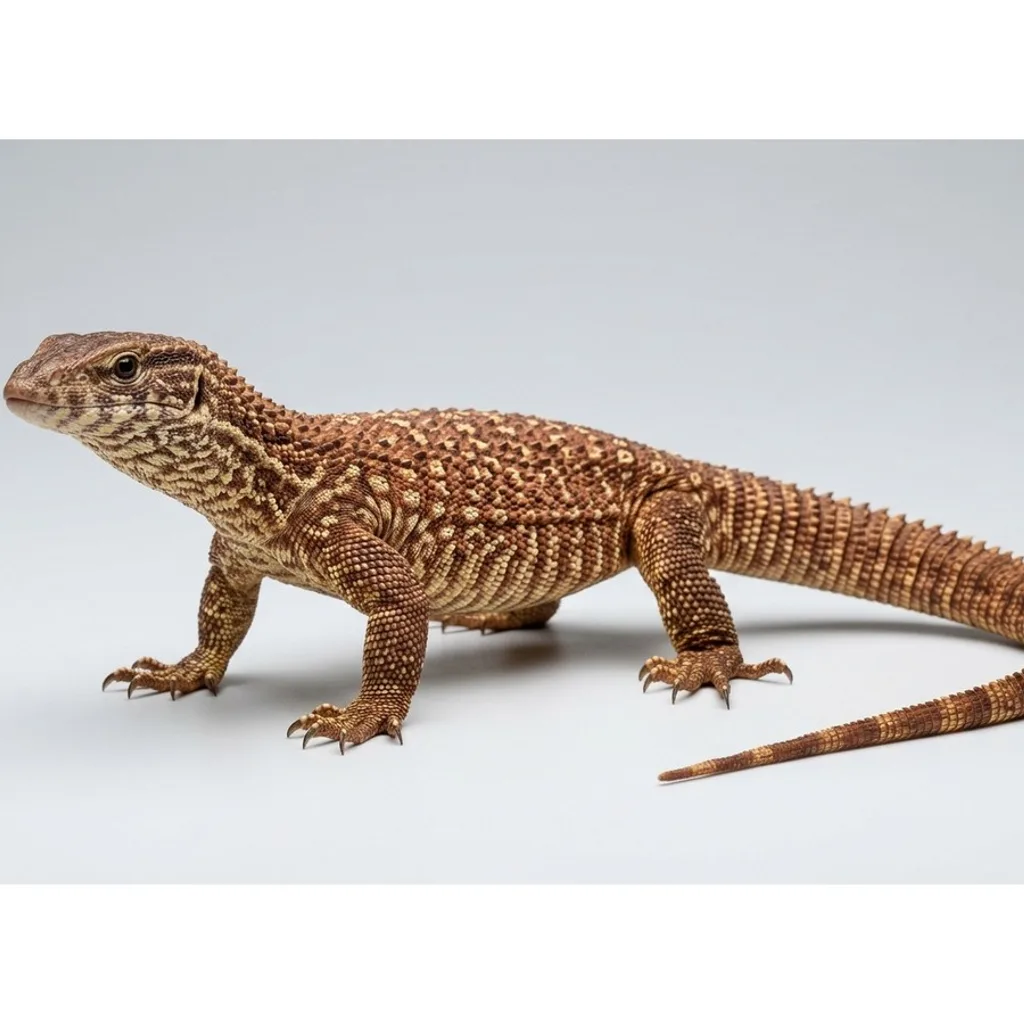
Ackie Monitor
The Ackie Monitor is not legally keepable in New Zealand; this page details the legal framework and approved alternative reptile species.
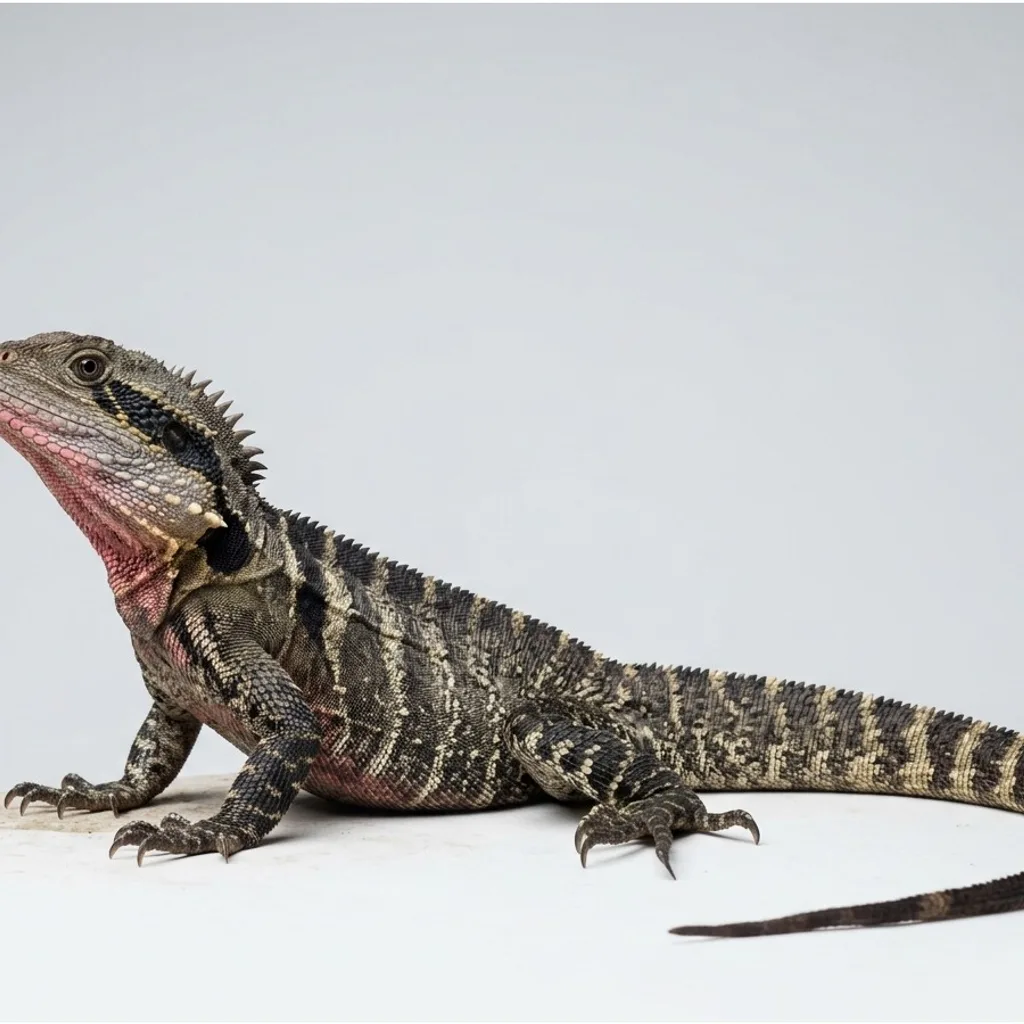
Australian Water Dragon
Australian Water Dragons are large, active semi-arboreal lizards native to Australia. They need large vertical climbing enclosures, high humidity, and a swimming pool, and are the only water dragon legal in NZ.
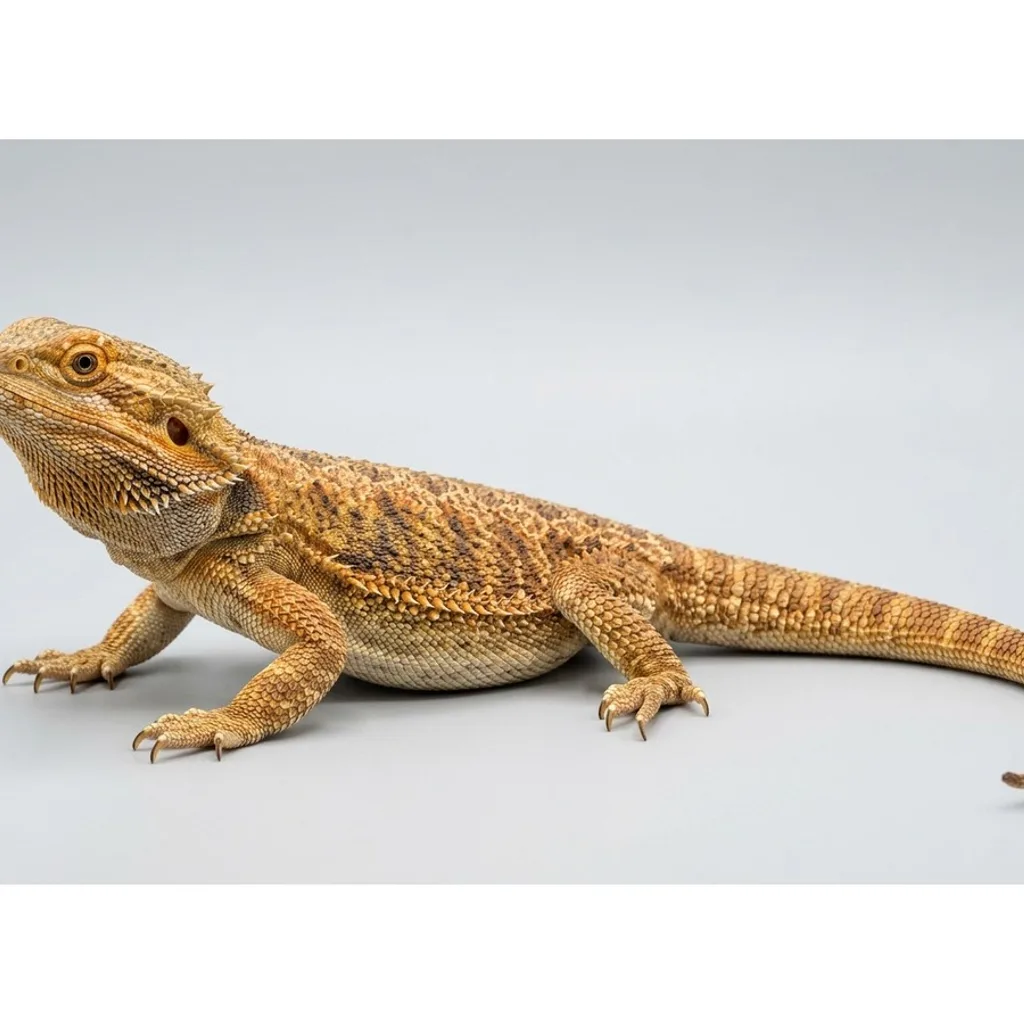
Bearded Dragon
Bearded dragons are one of the small number of non-native lizards legally kept in New Zealand. They are daytime-active and genuinely handleable, but they are also the most equipment-hungry of the common pet lizards: an adult needs roughly a 120x60x60cm vivarium, a 38-42°C basking spot and full-spectrum UVB. Skimp on the UVB and metabolic bone disease is the usual outcome. Typical lifespan is 10-15 years.
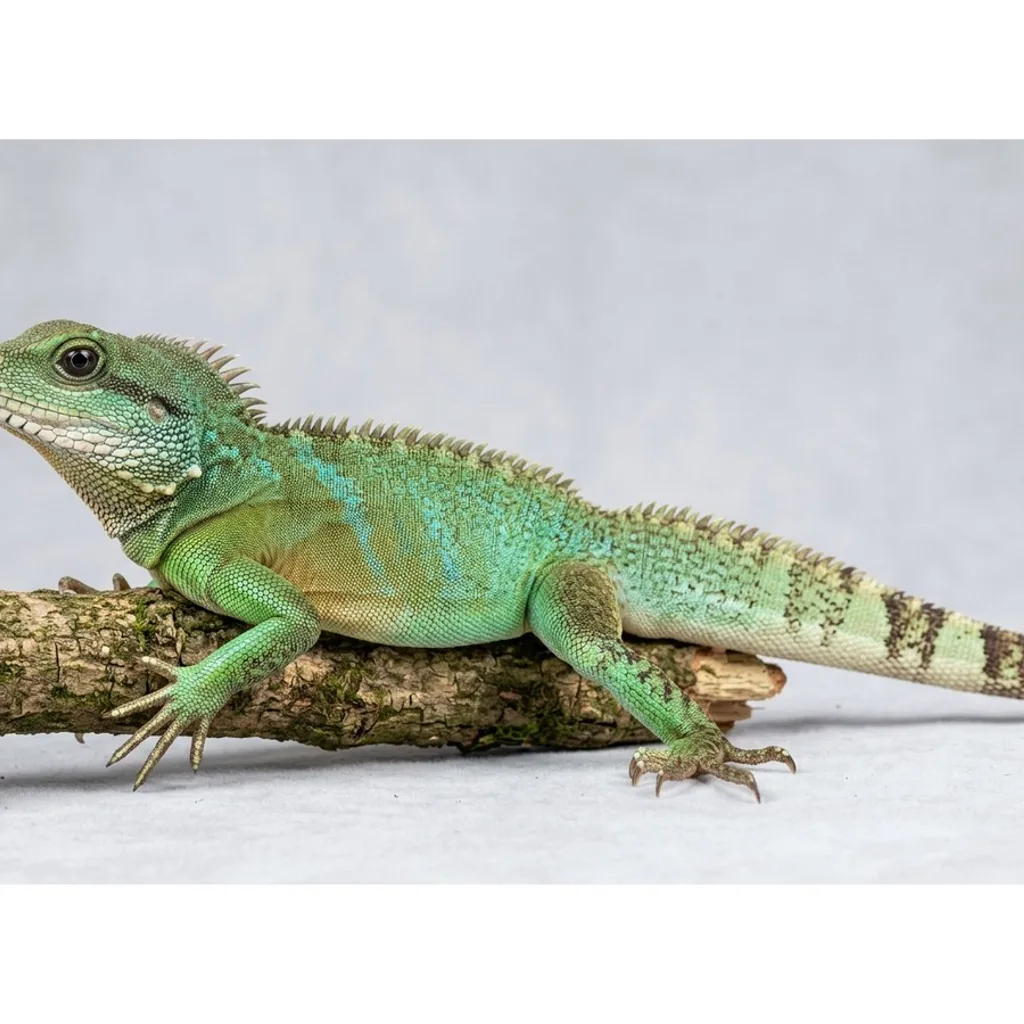
Chinese Water Dragon
The Chinese Water Dragon is not legally keepable in New Zealand; this page details the regulations and approved alternative reptile species. The similarly named Australian Water Dragon is a different species that is legally kept in New Zealand — we cover it in a separate profile.