Pet Breed Guide NZ
Chinese Water Dragon
The Chinese Water Dragon (Physignathus cocincinus) is a captivating arboreal reptile, renowned for its striking emerald green scales and impressive crests, particularly on males. Hailing from the tropical rainforests of Southeast Asia, these lizards are semi-aquatic, enjoying both climbing and swimming. As pets, they are visually stunning and can be quite active, requiring a spacious, tall enclosure that mimics their natural humid habitat with ample climbing branches and a large water source. In New Zealand, Chinese Water Dragons are legal to own, but prospective Kiwi owners must still ensure they comply with all MPI regulations and local council bylaws before acquiring one, ensuring responsible pet ownership.
Photo Gallery
NZ Ownership Snapshot
Prohibited in NZ- Noise Level
- quiet
- Social Needs
- solitary
- Diet Type
- Species-specific reptile diet
- UVB Required
- Yes
The Chinese Water Dragon (Physignathus cocincinus) is not approved in NZ. The Australian Water Dragon (Physignathus lesuerii) is a different species that is legal in NZ.
Breed Snapshot
- Size
- medium
- Lifespan
- 10-15 years
- Origin
- Southeast Asia
- Care Focus
- Enclosure-focused reptile with handling tolerance and activity needs that should be checked in a species-specific care guide.
- NZ Price
- NOT AVAILABLE IN NZ — prohibited species, no lawful source or price
- Annual Vet Cost
- Estimated annual vet/care costs can range from NZD $200 - $500, excluding initial setup. This includes annual check-ups, potential parasite screenings, and emergency care. It's important to note that exotic reptile vets are limited in New Zealand, and their services can be more costly due to specialisation and equipment.
Personality Scores
NZ Lifestyle Fit
Chinese Water Dragons require a substantial, tall enclosure, making them more suitable for homes with dedicated space rather than small apartments or bachs. Their need for high humidity and consistent warmth means that while Auckland's humid climate might offer a slight advantage, homes throughout New Zealand, particularly in colder South Island regions, will require significant investment in heating and misting systems. They are not suited for outdoor enclosures in most of NZ due to temperature fluctuations. Regional councils typically don't have specific restrictions beyond general animal welfare bylaws, but owners should always check. Legally sourcing Chinese Water Dragons in NZ is possible through specialist reptile breeders or pet stores that hold appropriate MPI permits, ensuring the animals are captive-bred and legally imported or bred within the country. Avoid any unverified sources to ensure compliance with NZ law and ethical animal welfare.
NZ legal status not yet verified against MPI, EPA, DOC and regional council records. Don't treat this page as confirmation that the species can legally be imported, bought, sold, bred or kept in New Zealand — check those official sources first.
No — you cannot legally keep, buy, or breed a Chinese Water Dragon (Physignathus cocincinus) in New Zealand. While these vibrant, semi-arboreal lizards are common in the international reptile market, they are strictly prohibited under New Zealand's environmental protection and biosecurity laws. There are no legal captive populations of Chinese Water Dragons in New Zealand, and importing them is entirely illegal.
Why Chinese Water Dragons are not legal in NZ
Under the Hazardous Substances and New Organisms (HSNO) Act 1996, Chinese Water Dragons are classified as a "new organism." This means the species was not established in New Zealand prior to the 29 July 1998 cutoff date. Consequently, it is illegal to import or keep them without specific authorizations, which are not granted for private pet owners.
The Environmental Protection Authority (EPA) maintains a strict ban on importing exotic reptiles. Review the prohibited organism policies on the EPA Prohibited Organisms portal.
The Species-Confusion Trap
A common point of confusion is the legal status of "water dragons" in New Zealand. The New Zealand Herpetological Society (NZHS) whitelist allows the Australian Water Dragon (Physignathus lesueurii / Intellagama lesueurii), which was established in New Zealand prior to 1998.
However, the Chinese Water Dragon (Physignathus cocincinus) is an entirely different species and remains strictly prohibited. While they share similar common names, they have distinct physiological and ecological differences.
The Chinese Water Dragon is absent from the NZHS Exotic Pets whitelist. Unregulated introduction of these lizards poses ecological risks, including potential competition with native fauna and the introduction of novel reptilian pathogens to New Zealand's vulnerable ecosystem.
What if someone offers you one?
Because there are zero legal breeding lines of Chinese Water Dragons in New Zealand, any individual offered for sale is highly likely to have been smuggled. Smuggling wild animals or purchasing smuggled new organisms is a severe offence under both the Biosecurity Act 1993 and the HSNO Act 1996. Doing so carries heavy penalties, including substantial fines and potential imprisonment.
Smuggled reptiles bypass all biosecurity screening and quarantine, making them highly likely to carry diseases that could devastate New Zealand's native geckos and skinks.
If you encounter anyone advertising Chinese Water Dragons for sale, or if someone offers to sell you one, you should report it immediately to the Ministry for Primary Industries (MPI) via their confidential 24-hour biosecurity hotline at 0800 80 99 66. Reporting these incidents helps safeguard New Zealand's native ecosystem.
Legal reptiles to keep instead
If you love large, active lizards but want to stay strictly within the law, New Zealand has several excellent, approved alternatives that are legally bred and kept by Kiwi hobbyists:
- Bearded Dragon: The Central Bearded Dragon (Pogona vitticeps) is an excellent alternative. They grow to a substantial size (around 50-60 cm) and are widely regarded as one of the friendliest and most interactive lizards in the world. Read our bearded dragon guide to learn more.
- Blue-Tongue Skink: The Eastern Blue-Tongue Skink (Tiliqua scincoides) is another large, docile, and legal exotic reptile. Keep in mind that they are managed as regional pests in some areas (like Auckland), which restricts breeding and sale, but keeping existing pets remains legal. Read our blue-tongue skink profile for details.
- Leopard Gecko: If you want a smaller, beautifully patterned lizard, the Leopard Gecko (Eublepharis macularius) is highly popular, legal, and easy to care for indoors. See our leopard gecko guide.
Sources
- Environmental Protection Authority (EPA). Prohibited organisms in New Zealand, checked 2026-07-04: https://www.epa.govt.nz/industry-areas/new-organisms/prohibited-organisms-in-new-zealand/
- New Zealand Herpetological Society (NZHS). Approved exotic pet registry, checked 2026-07-04: https://www.reptiles.org.nz/herpetofauna/exotic-pets
Fun Facts
Fact 1
Chinese Water Dragons can hold their breath for up to 25 minutes underwater.
Fact 2
They are excellent swimmers and will often dive into water to escape predators.
Fact 3
Males develop prominent crests on their heads and backs, which are used to display dominance.
Fact 4
They have a 'third eye' or parietal eye on the top of their head, which can detect changes in light and dark, helping them sense predators from above.
Fact 5
Despite their name, they are found in various parts of Southeast Asia, not just China.
Related Breeds
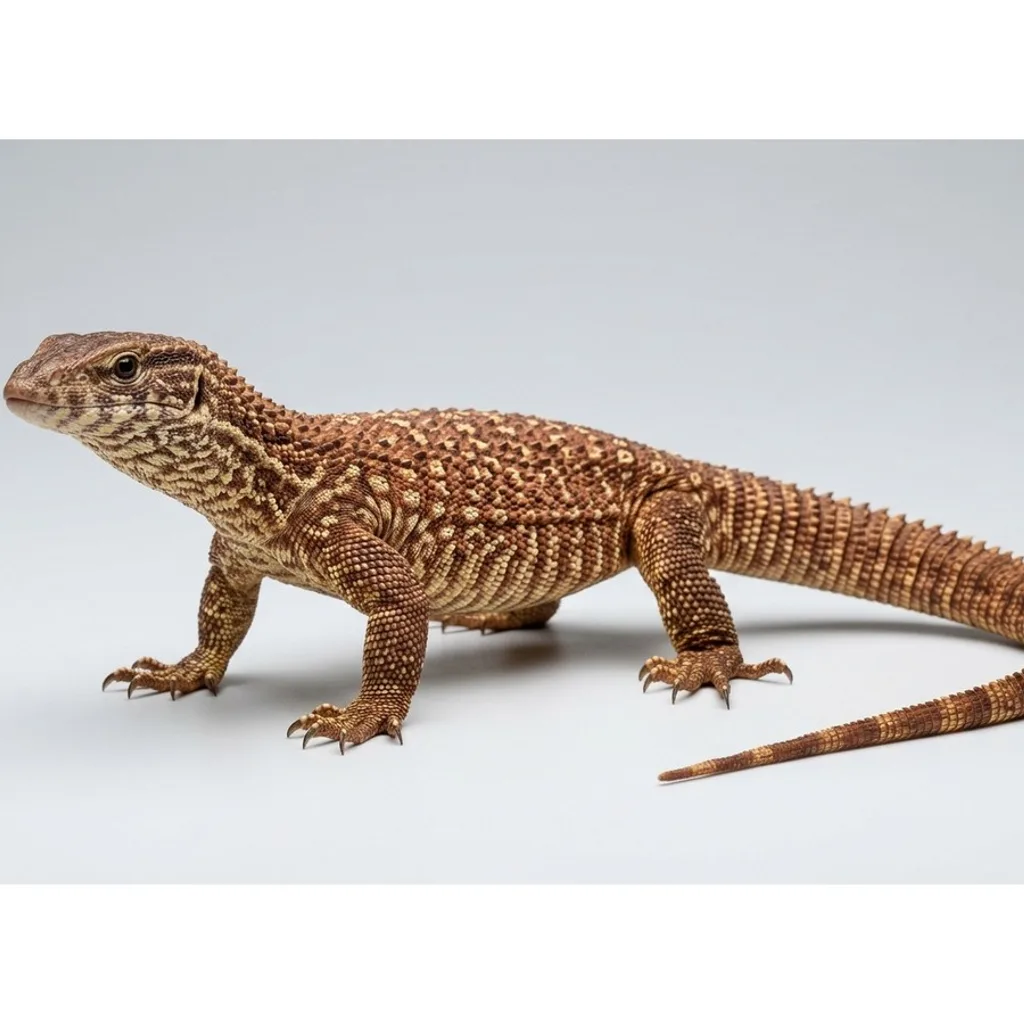
Ackie Monitor
The Ackie Monitor is not legally keepable in New Zealand; this page details the legal framework and approved alternative reptile species.
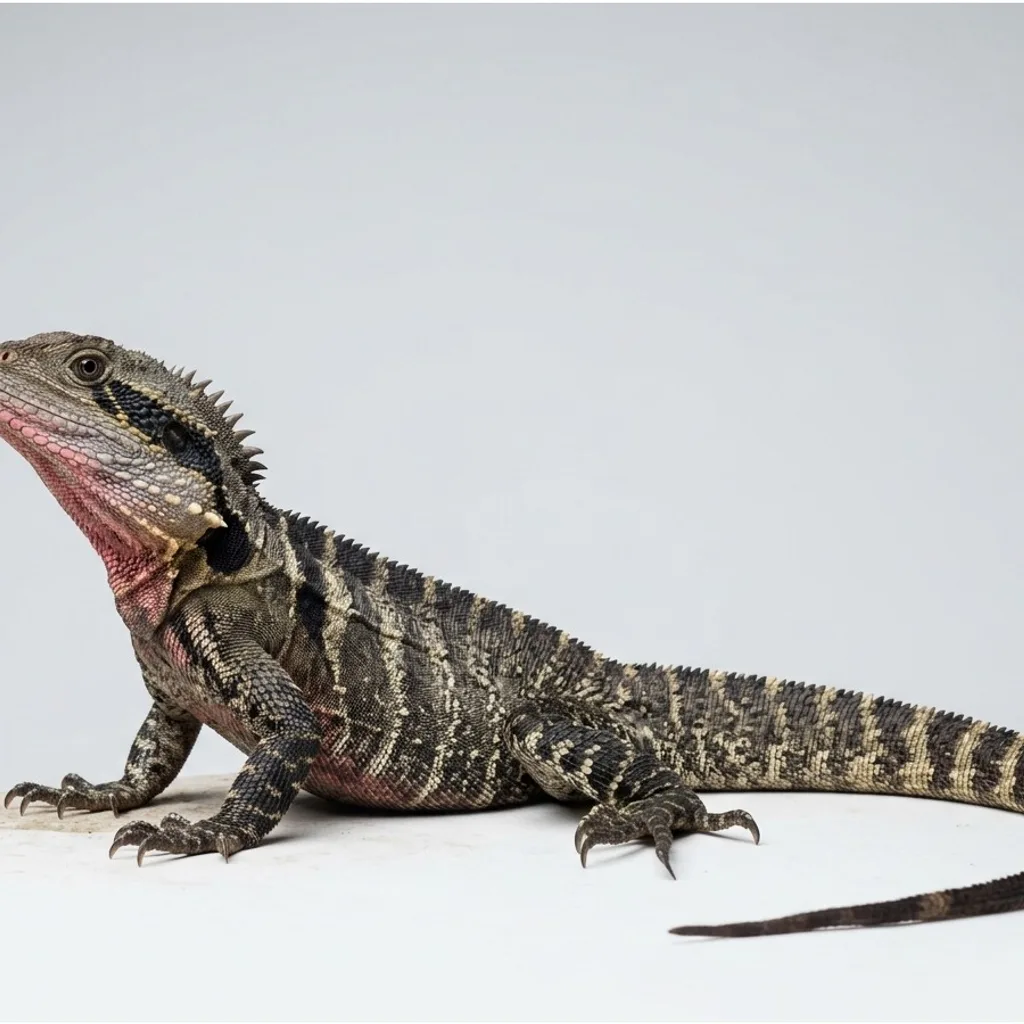
Australian Water Dragon
Australian Water Dragons are large, active semi-arboreal lizards native to Australia. They need large vertical climbing enclosures, high humidity, and a swimming pool, and are the only water dragon legal in NZ.
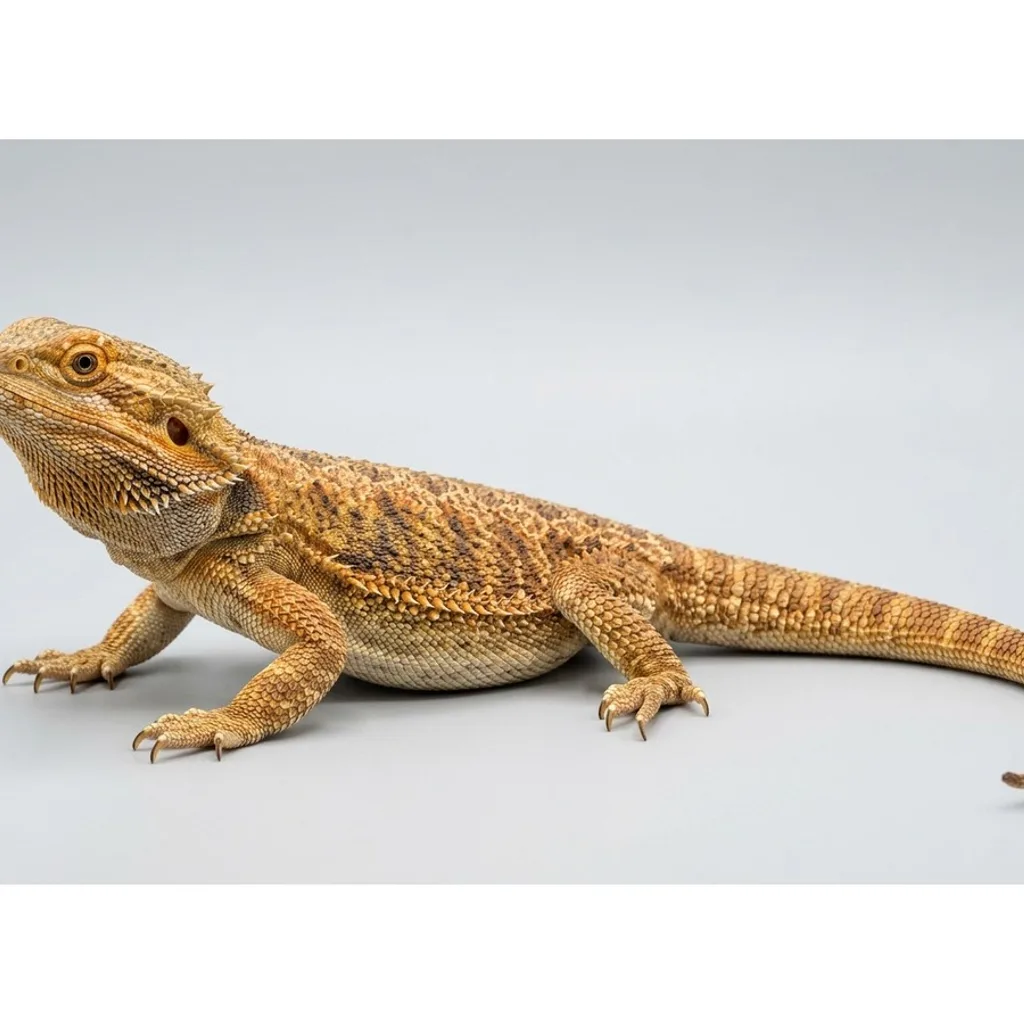
Bearded Dragon
Bearded dragons are one of the small number of non-native lizards legally kept in New Zealand. They are daytime-active and genuinely handleable, but they are also the most equipment-hungry of the common pet lizards: an adult needs roughly a 120x60x60cm vivarium, a 38-42°C basking spot and full-spectrum UVB. Skimp on the UVB and metabolic bone disease is the usual outcome. Typical lifespan is 10-15 years.
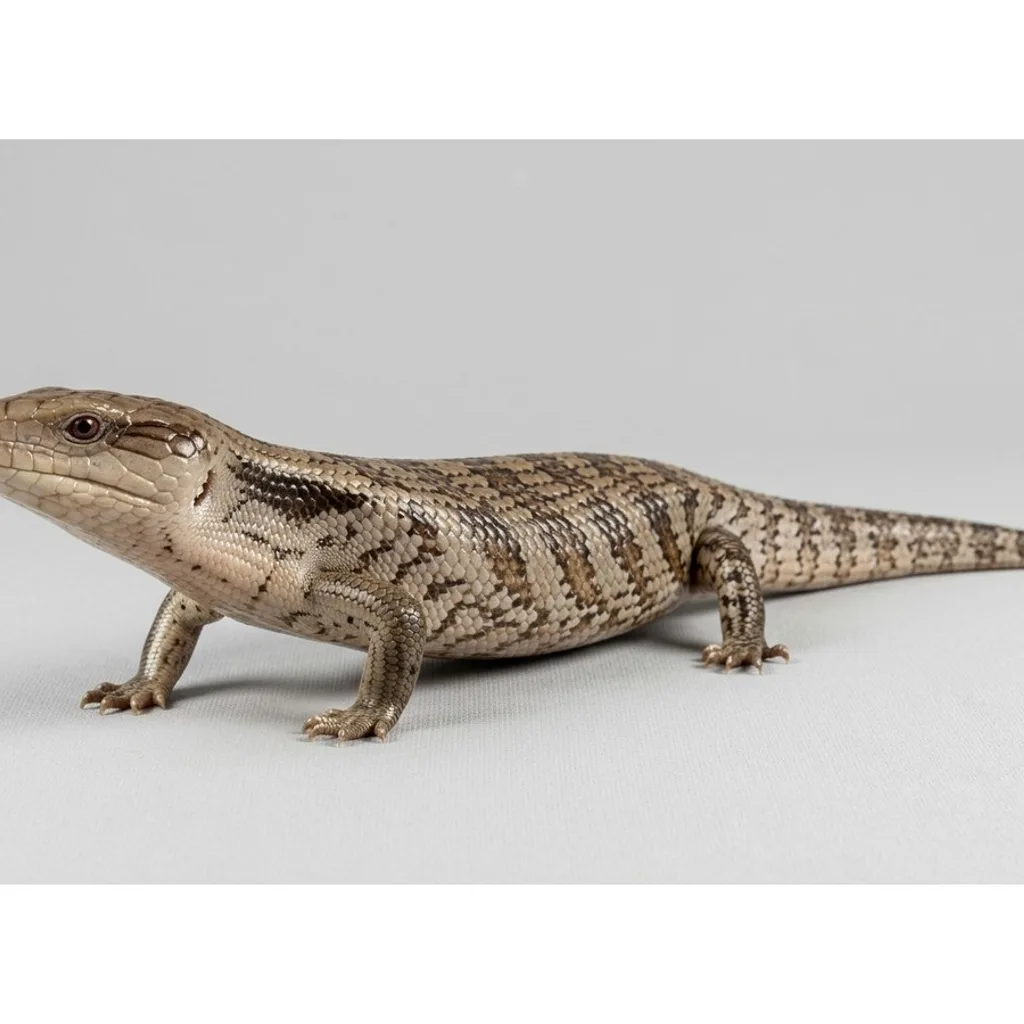
Blue-tongued Skink
Blue-tongued Skink is a medium reptile originating from Australia. This animal has verified NZ restriction or pest context; check MPI, DOC, EPA, and local council rules before keeping, moving, breeding, selling, or sourcing one. Typical lifespan is 15-20 years.