Pet Breed Guide NZ
Japanese Fire-bellied Newt
The Japanese Fire-bellied Newt is a legal semi-aquatic amphibian in New Zealand. Known for their striking orange bellies and calm aquatic behavior, they make beautiful low-maintenance pets.
Photo Gallery
NZ Ownership Snapshot
Verified NZ StatusBreed Snapshot
- Size
- Small (8–12 cm total length)
- Lifespan
- 10–15 years
- Origin
- Japan
- Care Focus
- Calm, slow-moving; strictly a display pet; mildly toxic skin secretions
- NZ Price
- $50 – $150 NZD from NZ herpetological breeders.
- Annual Vet Cost
- Exotic vet consultations for amphibian skin conditions cost $100 – $180 NZD. Treatment options are limited, making preventative clean husbandry the most critical health measure.
Personality Scores
NZ Lifestyle Fit
Japanese Fire-bellied Newts are highly suitable for NZ apartment or townhouse dwellers because they are quiet, require minimal space, and do not need expensive heating equipment. In fact, keeping them cool during hot Auckland summers is the main husbandry challenge. They are strictly display pets, not suited to household handling.
Origins & History
The Japanese Fire-bellied Newt (Cynops pyrrhogaster) is a medium-sized newt species endemic to Japan. Characterized by its dark, granular skin on the back and a vibrant orange-to-red belly, this color pattern acts as a warning (aposematic coloration) to predators. In New Zealand, they are legal captive exotic amphibians under the Biosecurity Act 1993, listed on the New Zealand Herpetological Society (NZHS) approved species list (reptiles.org.nz). Kept as popular terrarium pets, they must be captive-bred locally. Crucial Distinction: Note that Fire-bellied TOADS (Bombina species) are strictly PROHIBITED in New Zealand — these are completely different animals and should not be confused.
Habitat & Terrarium Setup
Japanese Fire-bellied Newts are semi-aquatic amphibians that require a "paludarium" or a split water-and-land terrarium setup. Key enclosure requirements:
- Tank Size & Split: A minimum 40-liter tank is suitable for a pair of newts. The setup should be roughly 70% water and 30% land, using sloped gravel banks, floating cork bark, or commercial turtle docks to allow easy exits from the water.
- Cool Water Temperatures: Unlike tropical fish or reptiles, newts thrive in cool temperatures (15-22°C). They are highly sensitive to heat; water temperatures exceeding 25°C can cause severe stress and death. In warm New Zealand summers, keep their tank in the coolest room of the house (or use a small cooling fan). A heater is not required.
- Filtration: Use a low-flow filter (such as a small sponge filter or internal corner filter). Strong currents stress newts and make swimming difficult.
- Lighting: Low-output lighting is sufficient. They do not require UVB lighting, although a low-wattage bulb is useful if you are keeping live aquatic plants like Java Moss.
Diet & Aquatic Feeding
Japanese Fire-bellied Newts are carnivorous hunters. Their diet should consist of:
- Frozen Foods: Bloodworms, brine shrimp, and daphnia (excellent for feeding via tweezers).
- Live Foods: Small earthworms (very nutritious), chopped garden worms, tubifex worms, and tiny crickets.
- Feeding Schedule: Feed adult newts 2 to 3 times a week. Remove any uneaten food promptly to prevent water contamination.
Handling & Mild Toxicity
Newts are strictly display pets and should not be handled unless absolutely necessary for health checks. Toxicity warning: When stressed, the Japanese Fire-bellied Newt secretes a mild neurotoxin (tetrodotoxin) from its skin glands. While not dangerous through intact skin, it can cause severe irritation to the eyes, nose, or open cuts. Always wash hands thoroughly with soap after touching the newt or cleaning the tank. Ensure children are supervised around the enclosure, and never keep newts in the same tank as fish or other amphibians, as their toxic skin secretions can be lethal to tank-mates.
Fun Facts
Fact 1
The newt's bright red-orange belly is a classic example of aposematism, warning predators that they secrete toxic chemical defenses.
Fact 2
Like many amphibians, they possess extraordinary regenerative abilities, capable of regrowing lost limbs, toes, tail segments, and even parts of their eyes.
Fact 3
They regularly shed their outer skin layer in one piece, often rolling it up like a sock and eating it to recycle nutrients.
Fact 4
In New Zealand, they are often confused with the Fire-bellied TOAD (Bombina), which is strictly prohibited under biosecurity laws.
Fact 5
In the wild, they hibernate underwater or under logs during the cold winter months, but in warm Kiwi homes, they remain active year-round.
Related Breeds
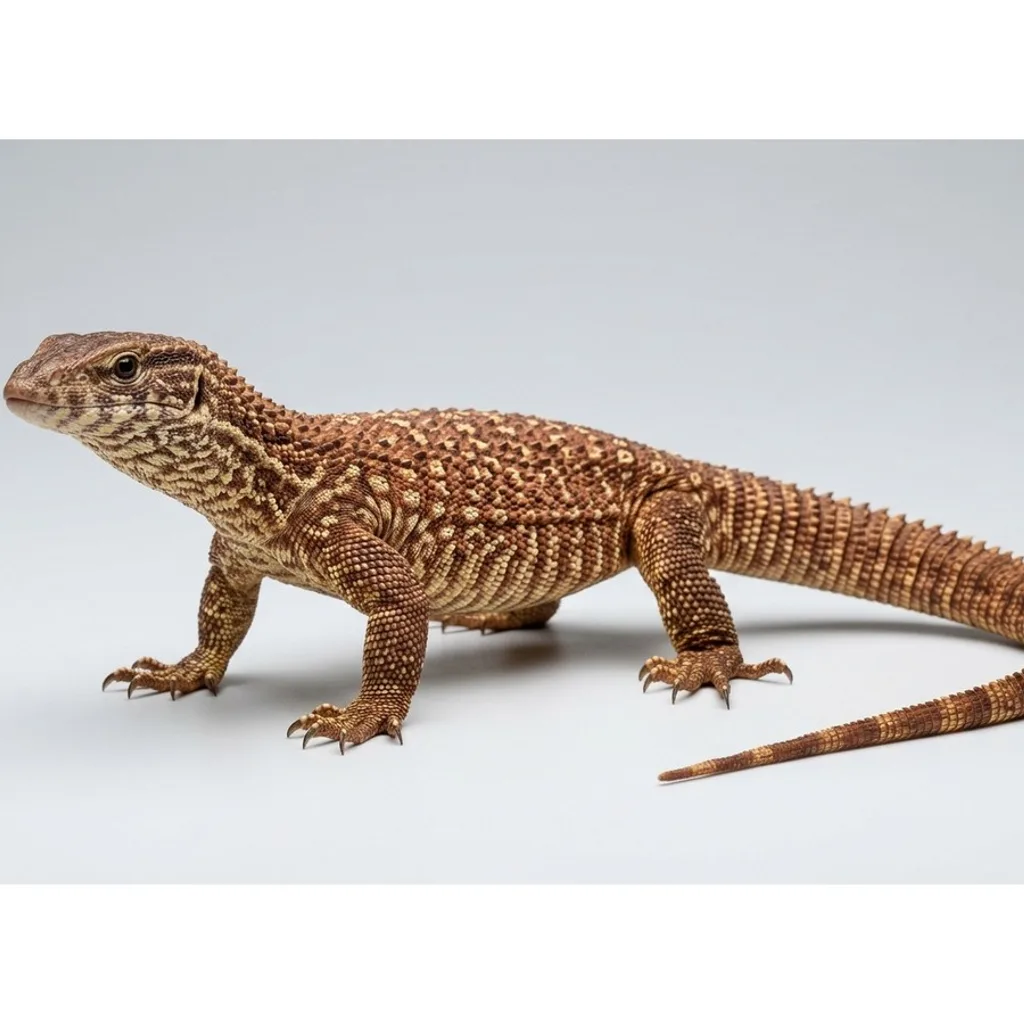
Ackie Monitor
The Ackie Monitor is not legally keepable in New Zealand; this page details the legal framework and legal alternative reptile species.
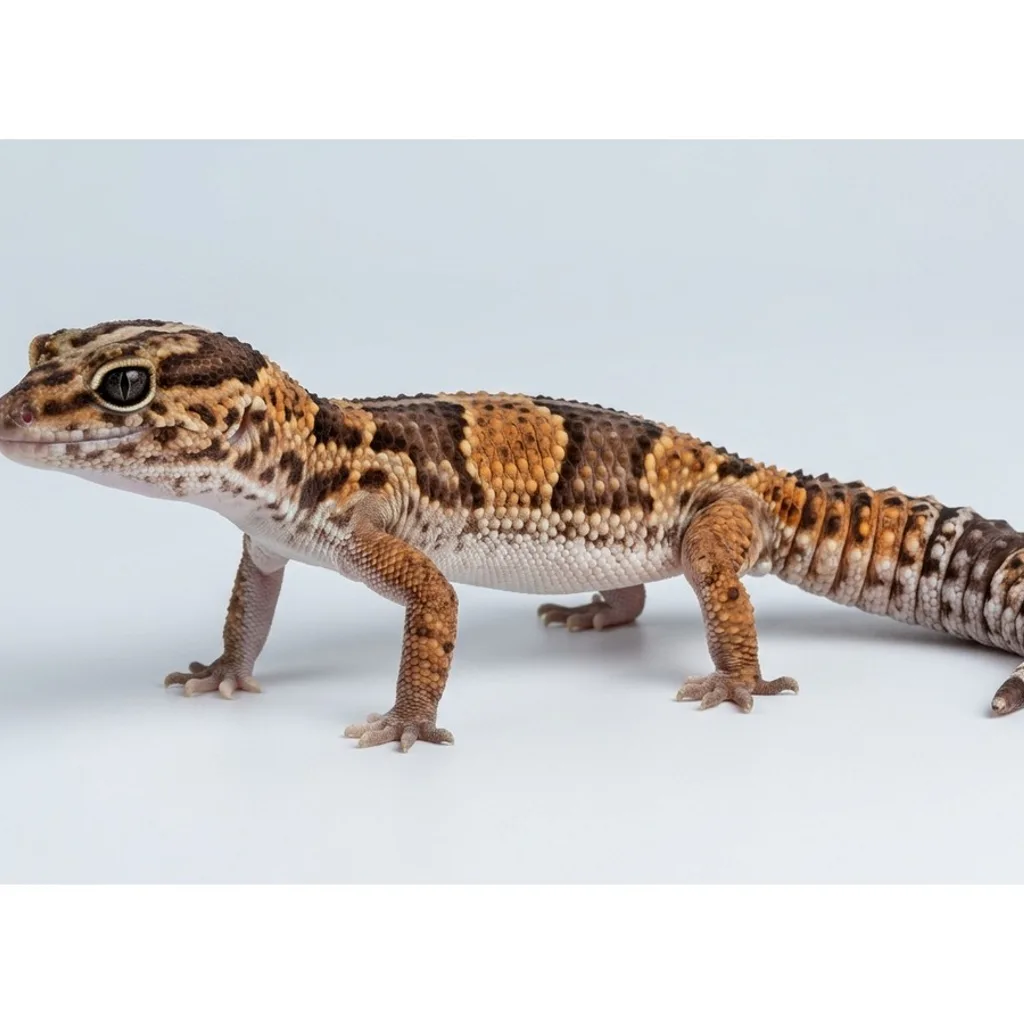
African Fat-tailed Gecko
The African Fat-tailed Gecko is a popular beginner reptile overseas, but it is prohibited in New Zealand: there is no legal captive population, reptile imports for the pet trade are not permitted, and under the HSNO Act 1996 it counts as a "new organism" that cannot lawfully be kept. This page explains the species and the NZ legal reality rather than how to keep one here. Typical lifespan in captivity overseas is 15-20 years.
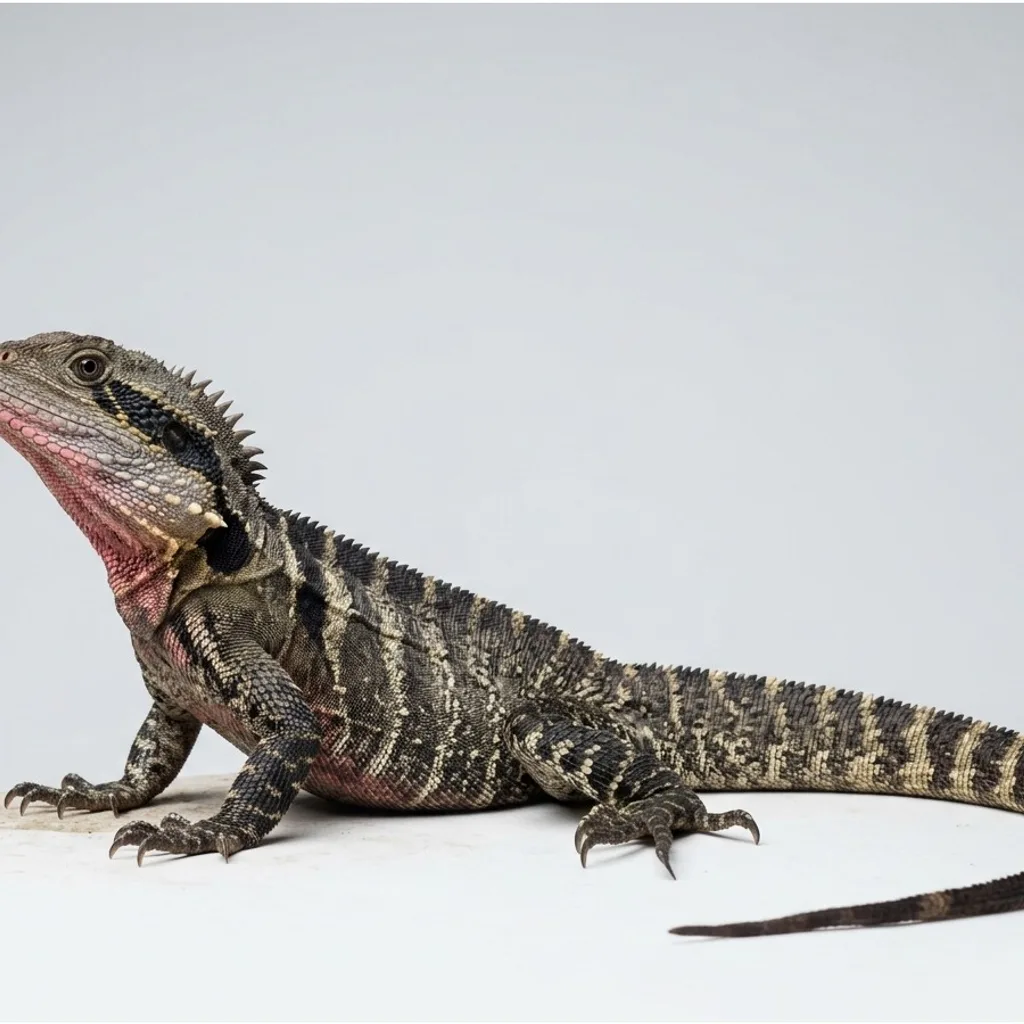
Australian Water Dragon
Australian Water Dragons are large, active semi-arboreal lizards native to Australia. They need large vertical climbing enclosures, high humidity, and a swimming pool, and are the only water dragon legal in NZ.
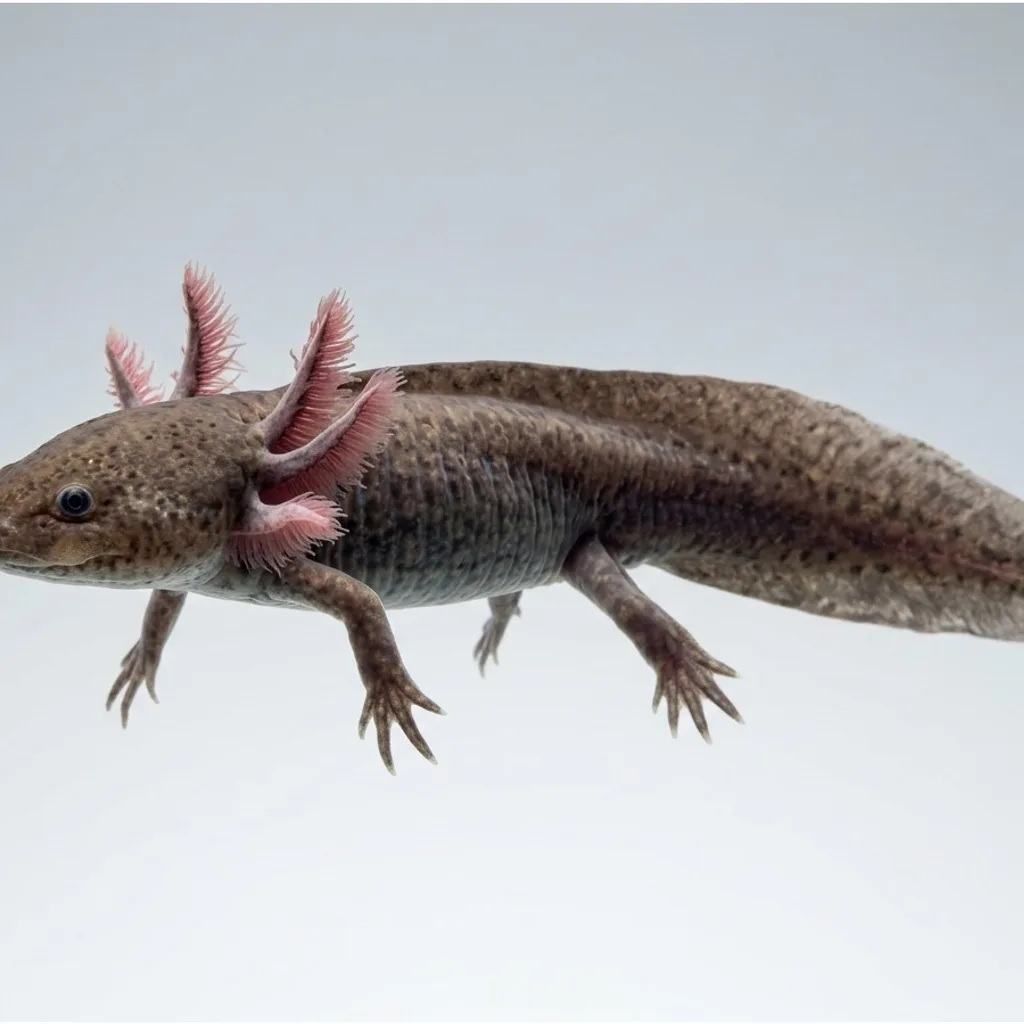
Axolotl (Mexican Walking Fish)
Axolotls are neotenic, fully aquatic salamanders native to Mexico. Famous for their branch-like external gills and smiling expressions, they are popular, low-maintenance aquarium pets in NZ.