Pet Breed Guide NZ
Greek Tortoise (Spur-thighed Tortoise)
The Greek Tortoise is a classic spur-thighed species legal to keep in New Zealand. Famous for their beautifully patterned shells and calm demeanor, they require a lifetime commitment.
Photo Gallery
NZ Ownership Snapshot
Verified NZ StatusBreed Snapshot
- Size
- Small-medium (15–25 cm shell length)
- Lifespan
- 50–100 years (lifetime commitment)
- Origin
- Southern Europe, North Africa, Southwest Asia
- Care Focus
- Calm, slow-moving; mostly solitary; active during the day
- NZ Price
- $300 – $800 NZD from licensed NZ reptile breeders.
- Annual Vet Cost
- Routine annual health checks and fecal float tests at an exotic vet cost $100 – $200 NZD. Specialized treatments for respiratory infections or shell repair can range from $300 to $1,500+ NZD. Finding a vet experienced in chelonian medicine in NZ is essential.
Personality Scores
NZ Lifestyle Fit
Greek Tortoises are suitable for dedicated keepers in New Zealand. Due to the cool climate, they must be housed primarily indoors with high-output artificial UVB and thermostat-controlled heating, especially in the South Island. Outdoor access is limited to warm, sunny summer afternoons in secure predator-proof pens. Their exceptionally long lifespan means they are not suitable as temporary pets for young children.
Origins & History
The Greek Tortoise, also commonly known as the Spur-thighed Tortoise, is native to Southern Europe, North Africa, and Southwest Asia. In New Zealand, they are kept as captive exotic pets. Because New Zealand maintains strict biosecurity under the Biosecurity Act 1993, importing live tortoises from overseas is highly restricted. However, Greek Tortoises are verified as legal to keep and trade in New Zealand as they are listed on the New Zealand Herpetological Society (NZHS) approved reptile species list (reptiles.org.nz). Captive-bred tortoises from established NZ breeders are legal, whereas wild-caught specimens or illegal imports are prohibited.
NZ Legality & Purchase Advice
In New Zealand, the Greek Tortoise is classified as CITES Appendix II. Captive-bred individuals born within New Zealand do not require CITES import/export permits for local trade. Prospective owners must buy only from reputable licensed breeders who can verify the animal's captive-bred heritage. Expect to pay between $300 and $800 NZD depending on the age and shell quality of the tortoise. Because they can live for 50 to 100 years, buying a Greek Tortoise is a lifetime, multi-generational commitment. Many tortoises outlive their original owners, so planning for their long-term care in a family trust or will is highly recommended.
Enclosure & Heating Setup
Greek Tortoises require a spacious enclosure. For indoor keeping, a large wooden "tortoise table" (minimum 1.2m x 0.6m for a single adult) is preferred over glass terrariums, as glass can cause stress when they try to walk through it. Key requirements for the setup include:
- Substrate: A 50/50 mix of clean topsoil and play sand is ideal. Avoid wood shavings or calcium sand which can cause impaction if swallowed.
- Heating & Basking: A basking spotlight must provide a hot spot of 32-35°C, with a thermal gradient down to 22-25°C at the cool end. Night temperatures should not drop below 18°C; in colder regions like Christchurch or Dunedin, a ceramic heat emitter on a thermostat is necessary for winter.
- UVB Lighting: High-output UVB lighting (minimum 10% or 12% T5 tube) is mandatory. Without strong UVB, they cannot synthesize vitamin D3, leading to Metabolic Bone Disease (MBD) and soft shell deformities.
Diet & Nutritional Demands
Greek Tortoises are strict herbivores requiring a high-fiber, low-protein, and calcium-rich diet. Their diet should consist of Mediterranean weeds, grasses, and leafy greens. Suitable foods include dandelion, plantain weeds, clover, hibiscus leaves, romaine lettuce, and watercress. Avoid feeding fruit, cucumber, or cabbage, as high sugar levels cause gut issues and brassicas interfere with thyroid function. Dust all meals with a high-quality calcium supplement (calcium carbonate) three times a week, and use a multivitamin containing D3 once a week. Provide fresh, shallow water in a heavy ceramic dish daily for drinking and self-soaking.
Health & Common Issues
With proper husbandry, Greek Tortoises are hardy pets. However, common issues include Metabolic Bone Disease (MBD) from lack of UVB, respiratory infections caused by damp or drafty enclosures, and intestinal parasites. Regular deworming by an exotic animal vet is recommended. In New Zealand's cooler climate, indoor housing with controlled artificial climate is vital, as outdoor keeping is only suitable during warm, dry summer days. Always handle your tortoise gently and wash your hands with soap after handling to prevent Salmonella transmission.
Fun Facts
Fact 1
Greek Tortoises get their alternative name, the Spur-thighed Tortoise, from the small spur-like tubercles located on either side of their thighs.
Fact 2
Because they can live for a century, they are frequently passed down through families as cherished multi-generational heirlooms.
Fact 3
They are excellent diggers and will readily burrow into their substrate to sleep, hide, or escape high temperatures.
Fact 4
A tortoise's shell is actually part of its skeleton, consisting of fused ribs and vertebrae covered by keratin plates called scutes.
Fact 5
In New Zealand, they do not undergo hibernation (brumation) unless the keeper is highly experienced, as indoor heating keeps them active year-round.
Related Breeds
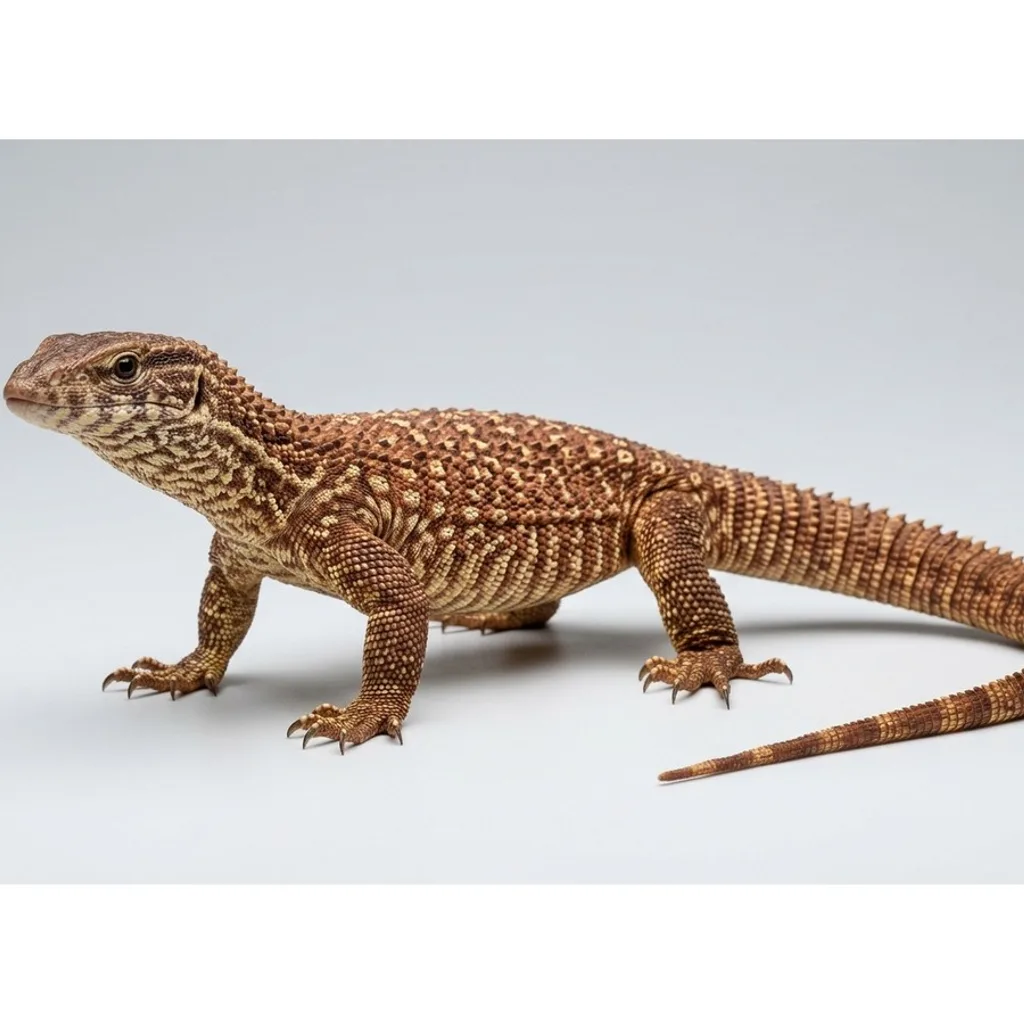
Ackie Monitor
The Ackie Monitor is not legally keepable in New Zealand; this page details the legal framework and legal alternative reptile species.
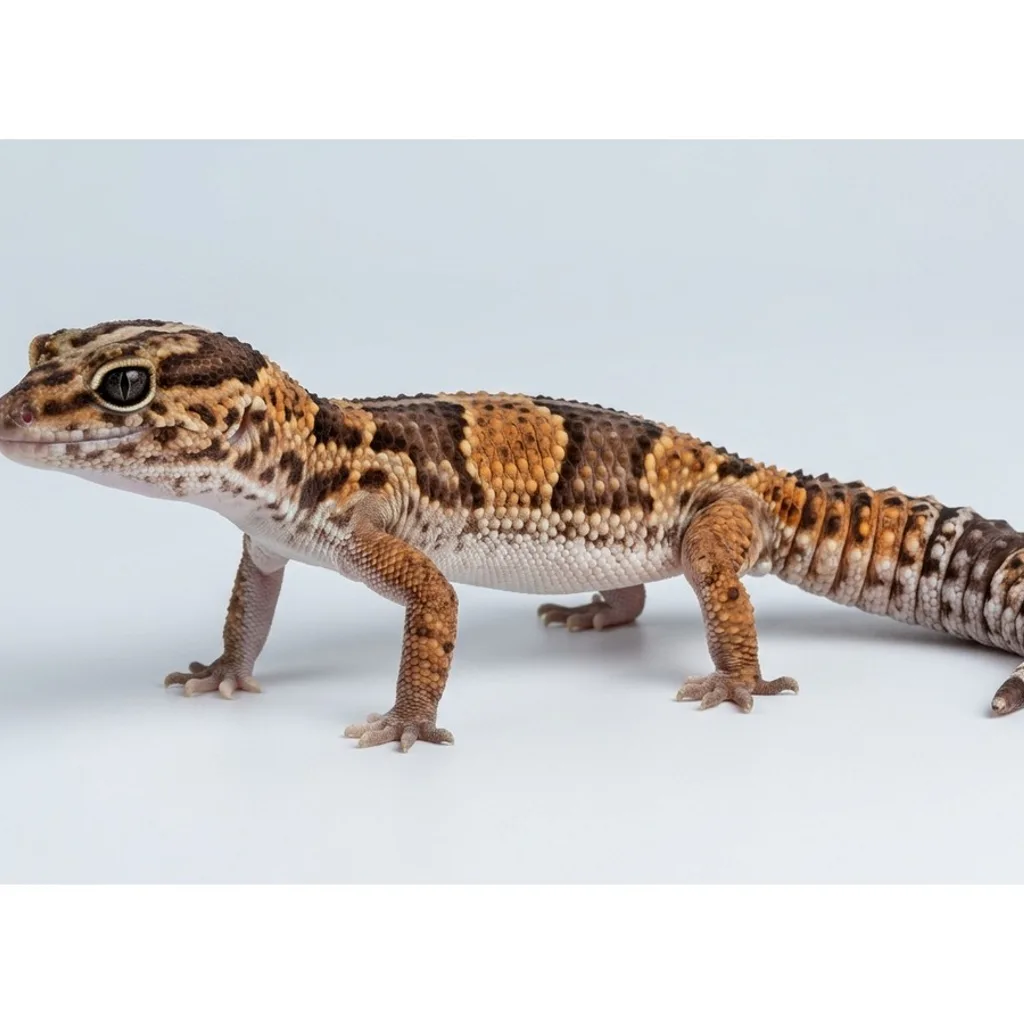
African Fat-tailed Gecko
The African Fat-tailed Gecko is a popular beginner reptile overseas, but it is prohibited in New Zealand: there is no legal captive population, reptile imports for the pet trade are not permitted, and under the HSNO Act 1996 it counts as a "new organism" that cannot lawfully be kept. This page explains the species and the NZ legal reality rather than how to keep one here. Typical lifespan in captivity overseas is 15-20 years.
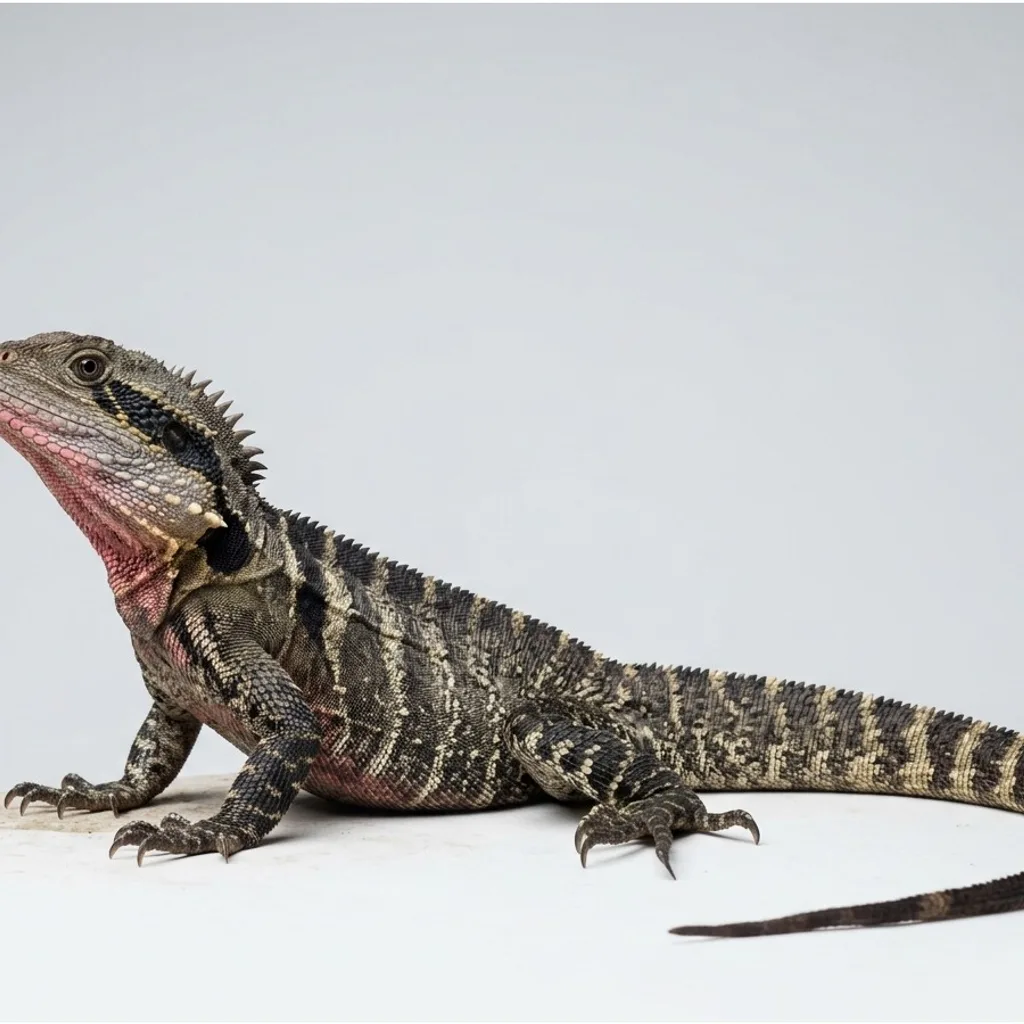
Australian Water Dragon
Australian Water Dragons are large, active semi-arboreal lizards native to Australia. They need large vertical climbing enclosures, high humidity, and a swimming pool, and are the only water dragon legal in NZ.
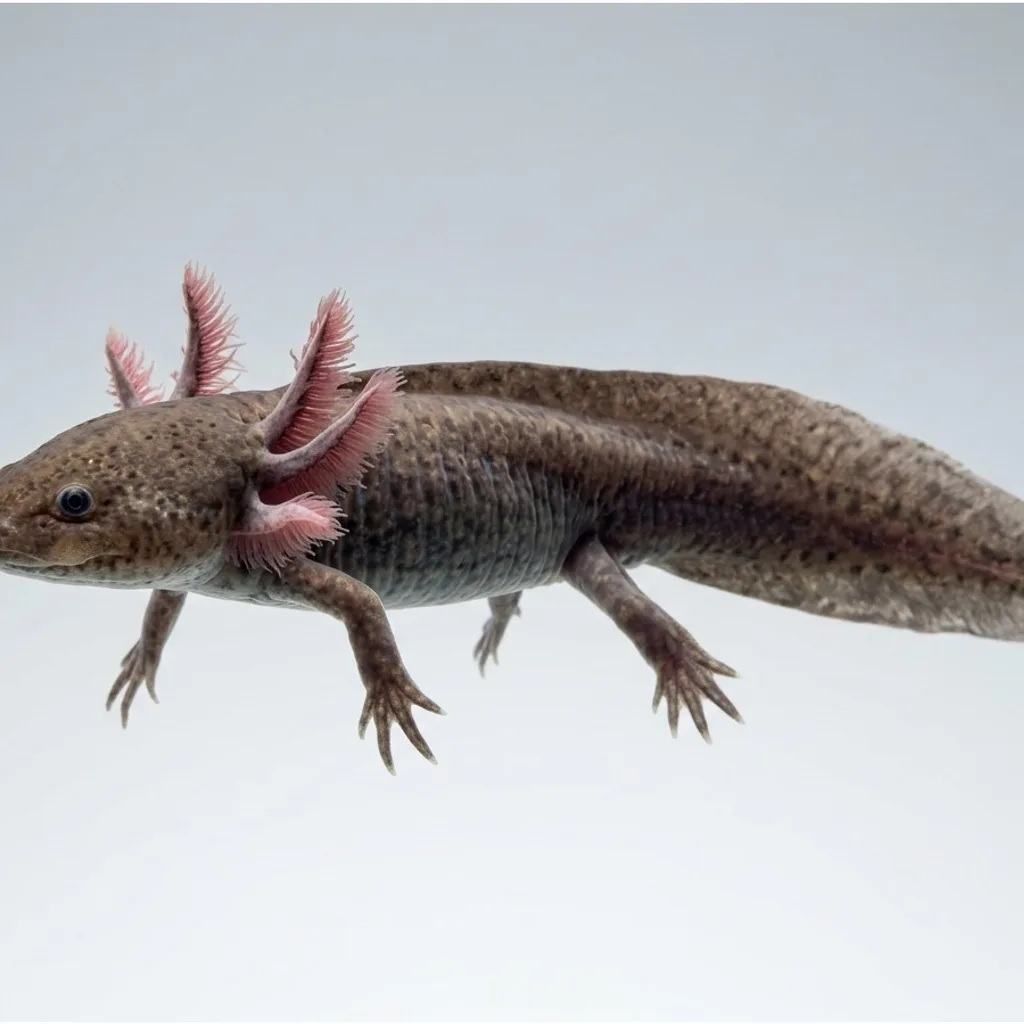
Axolotl (Mexican Walking Fish)
Axolotls are neotenic, fully aquatic salamanders native to Mexico. Famous for their branch-like external gills and smiling expressions, they are popular, low-maintenance aquarium pets in NZ.