Pet Breed Guide NZ
Eastern Long-necked Turtle (Snakeneck Turtle)
The Eastern Snakeneck Turtle is an iconic long-necked aquatic reptile legal to keep in New Zealand. Known for their active swimming style, they require large freshwater tanks.
Photo Gallery
NZ Ownership Snapshot
Verified NZ StatusBreed Snapshot
- Size
- Medium (20–26 cm shell length, plus neck)
- Lifespan
- 30–50 years
- Origin
- Eastern Australia
- Care Focus
- Active, curious; can be nippy and defensive; best as a display pet rather than a handling pet
- NZ Price
- $200 – $500 NZD from NZ reptile breeders.
- Annual Vet Cost
- Routine exotic vet visits and water testing consults cost $120 – $200 NZD. Complex treatments for shell rot, ear abscesses, or egg binding can range from $500 to $1,800+ NZD.
Personality Scores
NZ Lifestyle Fit
Eastern Snakeneck Turtles are suitable for experienced keepers in New Zealand. Because they require large tanks (120L+ for young, 250L+ for adults) and heavy-duty canister filters, keepers must have space for major indoor plumbing/electrical equipment. They do not tolerate cold Kiwi winters outdoors; they must be kept indoors year-round with artificial heating and strong UVB basking setups.
Origins & History
The Eastern Long-necked Turtle (Chelodina longicollis), commonly known as the Snakeneck Turtle, is native to freshwater slow-moving rivers, swamps, and lagoons of eastern Australia. They are famous for their extremely long, flexible necks, which can equal or exceed the length of their carapace (shell). In New Zealand, Eastern Snakeneck Turtles are verified legal pets, listed on the New Zealand Herpetological Society (NZHS) approved species list (reptiles.org.nz). Because Australian environmental laws protect wild native fauna, all turtles in New Zealand must be captive-bred from licensed herpetological breeders.
Aquatic Habitat & Tank Setup
Eastern Snakeneck Turtles are active aquatic animals that require substantial swimming room and a dedicated dry basking platform. Key enclosure requirements:
- Tank Size: A minimum of a 120-liter tank is required for a single juvenile, though adults will eventually need 250 liters or more. The water depth should be at least 1.5 to 2 times the shell length to allow natural swimming and diving.
- Water Quality & Filtration: High-quality canister filtration is mandatory. Aquatic turtles produce significant waste, and clean freshwater is vital to prevent bacterial shell rot and eye infections. Use an aquarium heater to keep water temperature between 18°C and 22°C.
- Basking Area: A dry land basking dock (such as a floating turtle dock or stacked rocks) must be placed under a heat spotlight, achieving a basking temperature of 30-32°C.
- UVB Lighting: High-output UVB lighting (minimum 10% T5 tube) is essential. It must span the basking area so the turtle can absorb calcium and keep its shell healthy.
Diet & Carnivorous Feeding
Unlike Red-eared Sliders, which become herbivorous as they age, Eastern Snakeneck Turtles remain strict carnivores throughout their lives. Their diet should include:
- Live Food: Feeder fish, earthworms, water snails, and crickets. Hunting live prey provides excellent physical exercise.
- Frozen & Fresh Foods: Raw peeled prawns, mussels, whitebait, and specialized frozen turtle diets.
- Commercial Food: High-protein floating turtle pellets.
- Supplements: Dust food with calcium powder twice a week. Keep a cuttlebone floating in the tank for the turtle to nibble on for natural calcium.
Handling & Temperament
Eastern Snakeneck Turtles are fascinating display animals, but they are not suitable for children to handle. They are active swimmers and will swim to the glass to greet their owners. However, they can be nippy and have a powerful bite. Handling Warning: Because of their exceptionally long necks, they can turn and reach around to bite handlers when held by the sides of the shell. If handling is necessary, always hold the turtle firmly by the very back of the shell near the tail, keeping fingers away from the front half of the carapace. When stressed, they can also release a strong, musky-smelling secretion from their scent glands as a defense mechanism.
Fun Facts
Fact 1
The Eastern Snakeneck Turtle's neck is so long that it cannot pull it straight back into its shell like other turtles; instead, it folds its neck sideways along the edge of the shell.
Fact 2
They are opportunistic hunters that use a 'strike and vacuum' technique, opening their mouths rapidly to create a vacuum that pulls in small fish and insects.
Fact 3
When threatened, they secrete a foul-smelling yellow-fluid from their groin and armpit glands, earning them the Australian nickname 'stinker'.
Fact 4
They are excellent travelers and in the wild will migrate overland in search of new water bodies during rainy weather.
Fact 5
Unlike Red-eared Sliders, they are strictly carnivorous throughout their entire lives and will not eat aquatic plants.
Related Breeds
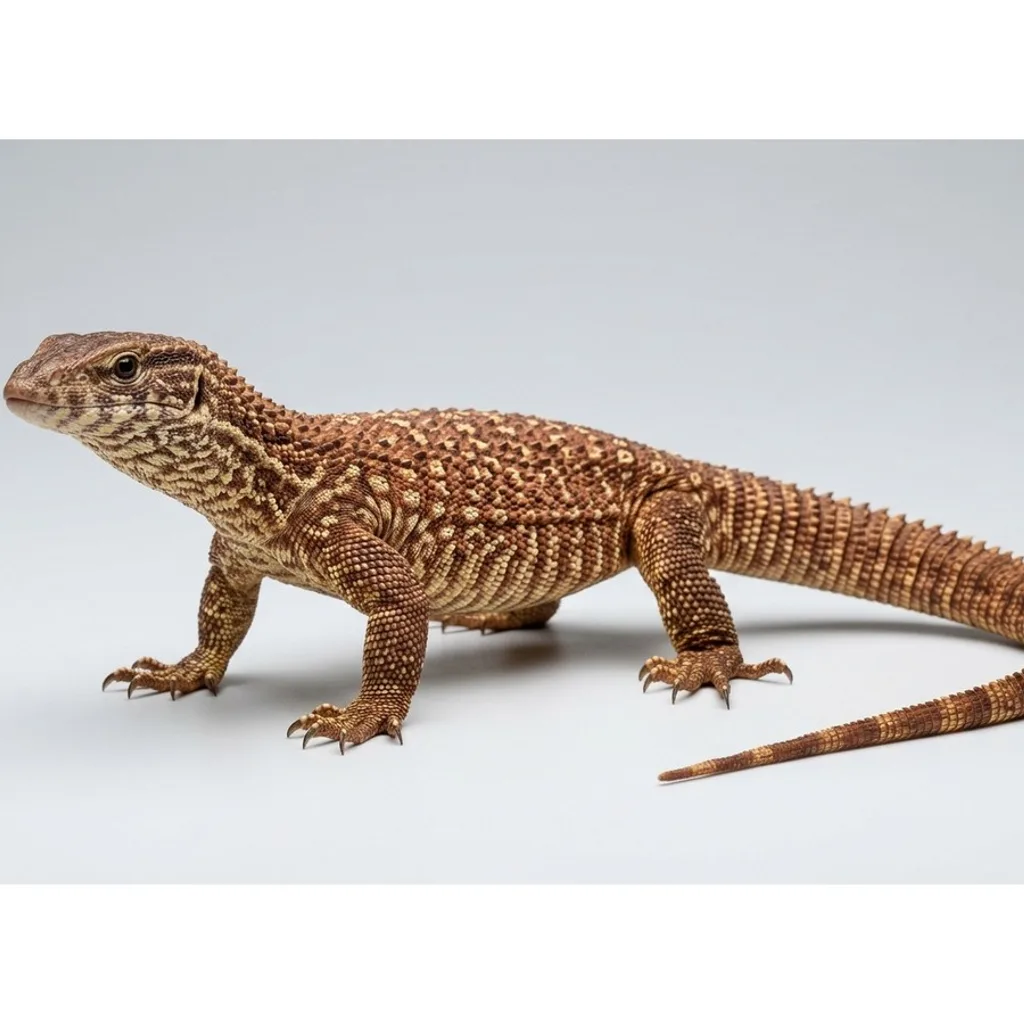
Ackie Monitor
The Ackie Monitor is not legally keepable in New Zealand; this page details the legal framework and legal alternative reptile species.
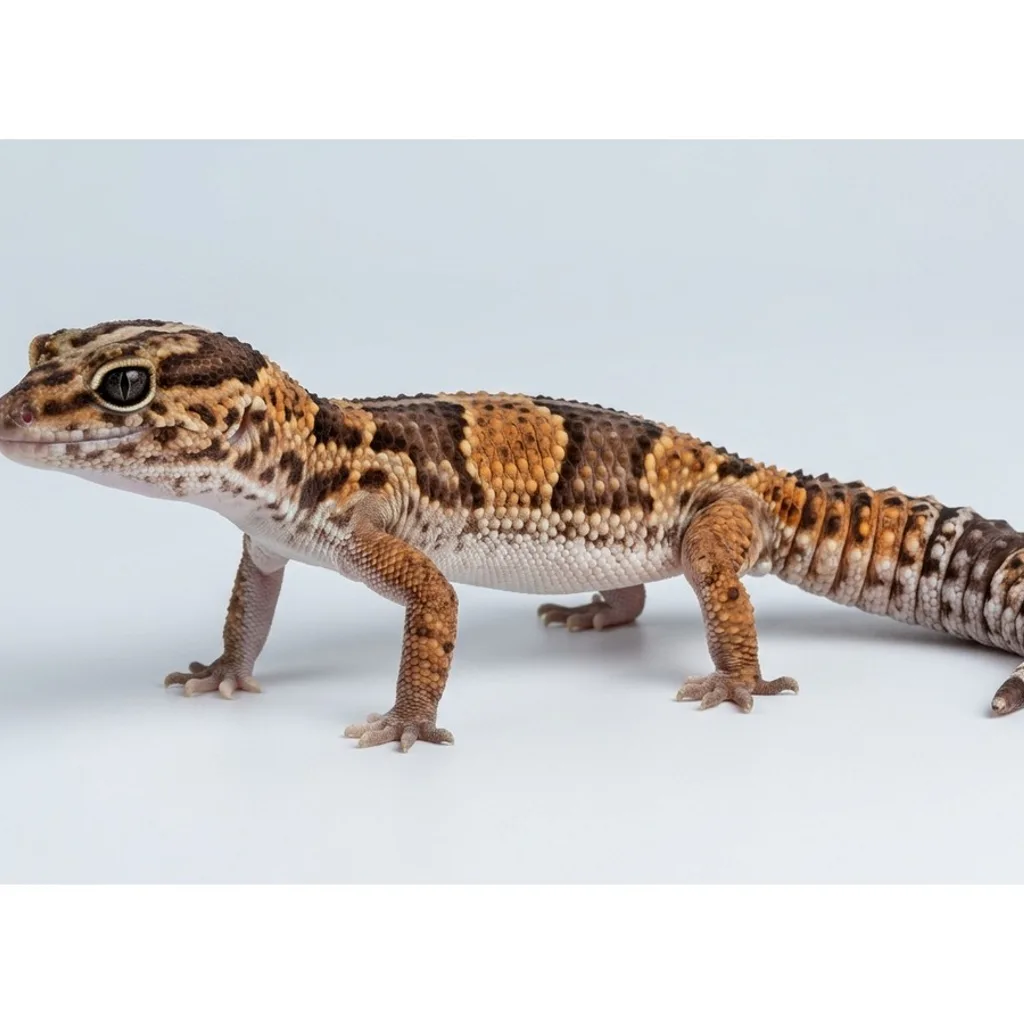
African Fat-tailed Gecko
The African Fat-tailed Gecko is a popular beginner reptile overseas, but it is prohibited in New Zealand: there is no legal captive population, reptile imports for the pet trade are not permitted, and under the HSNO Act 1996 it counts as a "new organism" that cannot lawfully be kept. This page explains the species and the NZ legal reality rather than how to keep one here. Typical lifespan in captivity overseas is 15-20 years.
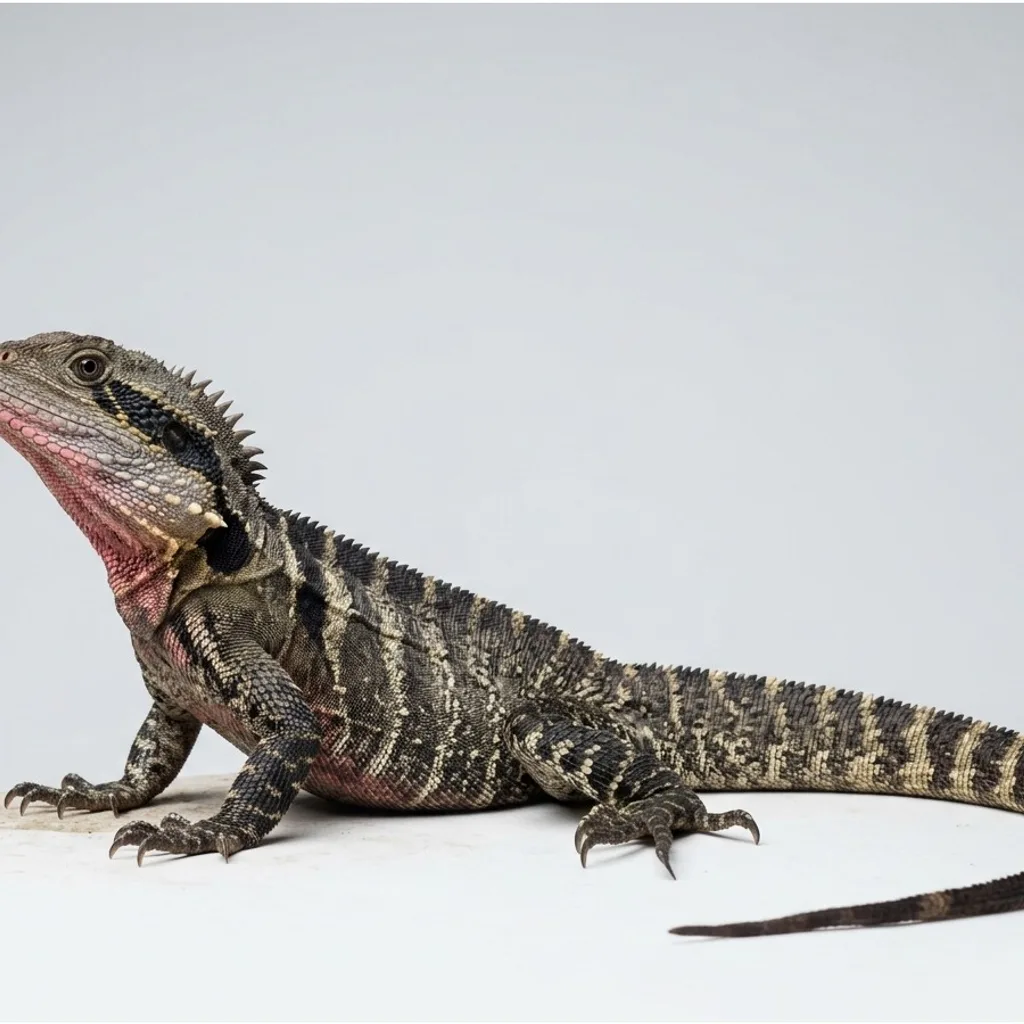
Australian Water Dragon
Australian Water Dragons are large, active semi-arboreal lizards native to Australia. They need large vertical climbing enclosures, high humidity, and a swimming pool, and are the only water dragon legal in NZ.
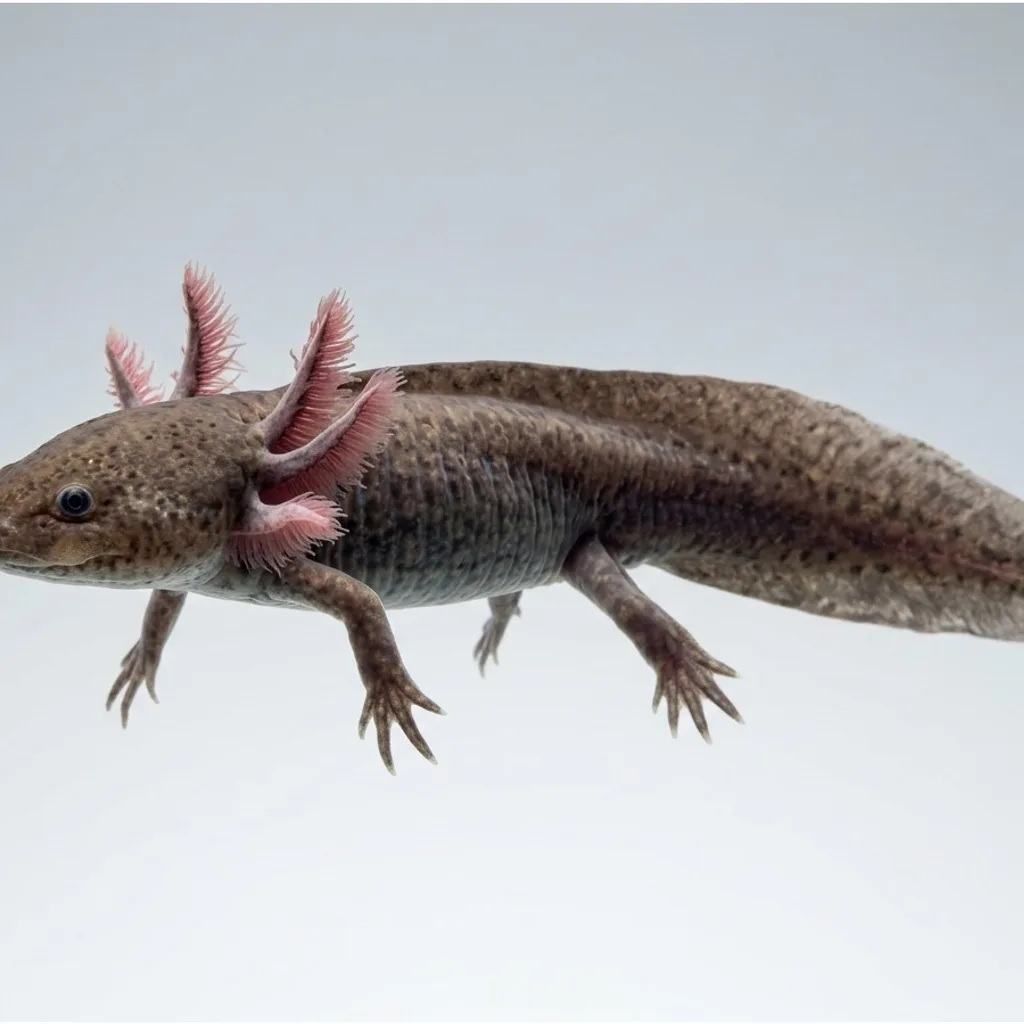
Axolotl (Mexican Walking Fish)
Axolotls are neotenic, fully aquatic salamanders native to Mexico. Famous for their branch-like external gills and smiling expressions, they are popular, low-maintenance aquarium pets in NZ.