Pet Breed Guide NZ
Cunningham's Skink
Cunningham's Skink is a rare, spiny-tailed legal lizard in New Zealand. Known for their unique social grouping habits and armored scales, they make fascinating display pets.
Photo Gallery
NZ Ownership Snapshot
Verified NZ StatusBreed Snapshot
- Size
- Medium (up to 35 cm total length)
- Lifespan
- 15–20 years
- Origin
- Southeastern Australia
- Care Focus
- Social, alert; can be defensive initially but tames well with patient handling
- NZ Price
- $200 – $600 NZD (relatively rare compared to Blue-tongued Skinks).
- Annual Vet Cost
- Annual health checks and fecal tests cost $100 – $180 NZD. Treatment for injuries from group fighting or shell issues can cost $200 – $600 NZD. Finding a vet experienced in exotic lizards is highly recommended.
Personality Scores
NZ Lifestyle Fit
Cunningham's Skinks are highly suitable for NZ reptile enthusiasts. Unlike many skinks, their social nature makes them engaging to watch in group settings. They must be housed indoors in a dry terrarium, making them suitable for townhouses and warm rooms. While hardier than many tropical lizards, they still require specialized heating and high-output UVB lighting.
Origins & History
Cunningham's Skink (Egernia cunninghami) is a large, spiny-tailed skink species native to southeastern Australia. Named after the botanist Allan Cunningham, these skinks have a unique, prehensile-like appearance with keeled, pointed scales that help lock them securely inside rock crevices. In New Zealand, they are legal captive exotic pets under the Biosecurity Act 1993, listed on the New Zealand Herpetological Society (NZHS) approved reptile species list (reptiles.org.nz). Because Australian wildlife laws prohibit the export of native fauna, all Cunningham's Skinks in New Zealand must be captive-bred from long-standing local populations.
Social Behavior & Group Keeping
Unlike the majority of lizard species, which are strictly solitary and territorial, Cunningham's Skinks are highly social. In the wild, they live in family groups consisting of breeding pairs and multiple generations of offspring, sharing rock crevices and basking sites. In captivity, they can be housed in stable same-sex groups or breeding pairs, provided the enclosure is sufficiently large and has multiple hiding spots. Keeping them in groups provides positive social stimulation and makes for a fascinating display, but keepers must monitor them closely for food competition or bullying.
Terrarium & Heating Setup
Cunningham's Skinks are active, terrestrial lizards that require a large, secure terrarium. A minimum size of 1.2m x 0.6m x 0.6m is recommended for a pair or small group. Key enclosure requirements:
- Landscaping: Provide plenty of heavy, flat rocks (such as slate or schist) stacked securely to create crevices. They love to wedge themselves between tight rocky spaces. Ensure the rock stacks are stable so they cannot collapse and crush the lizards.
- Basking Hotspot: A basking lamp must provide a hot spot of 35-38°C, with a cool end of 24-26°C. They are avid baskers and require daily thermal cycles.
- UVB Lighting: High-output UVB lighting (10% or 12% T5 fluorescent tube) is essential. Place the UVB bulb directly over the basking rock so they receive maximum exposure while warming up.
- Substrate: Use a dry substrate mix of soil, play sand, and bark. Avoid high-humidity substrates as they prefer a relatively dry environment (40-50% humidity).
Diet & Omnivorous Feeding
Cunningham's Skinks are opportunistic omnivores. In captivity, they require a highly varied diet consisting of both plant matter and animal protein (approx. 50/50 mix).
- Vegetation: Offer chopped greens like dandelion, watercress, endive, and mustard greens, alongside flowers (hibiscus, nasturtiums) and berries (strawberries, blueberries) as treats.
- Insects & Protein: Provide gut-loaded live insects, including large crickets, locusts, wood cockroaches, and snails. Snails are highly favored and provide excellent calcium from their shells.
- Supplements: Dust all live insects with calcium carbonate powder at every feed, and use a multivitamin with D3 once a week.
Health & Husbandry
Cunningham's Skinks are tough, long-lived reptiles that can reach 15 to 20 years in captivity. Their spiked scales can collect dirt, so offering a shallow lukewarm bath every few weeks is helpful. Common health issues in captivity stem from incorrect husbandry: lack of UVB causes Metabolic Bone Disease (MBD), and damp, poorly ventilated tanks can lead to respiratory problems or scale rot. Always handle them gently; when alarmed, they will inflate their bodies and wedge themselves into crevices, using their spiny scales to resist extraction. Patient hand-feeding with tweezers will tame them over time.
Fun Facts
Fact 1
Cunningham's Skinks are named in honor of Allan Cunningham, an English botanist and explorer who traveled extensively in Australia and New Zealand.
Fact 2
Unlike most lizards that lay eggs, Cunningham's Skinks are viviparous, giving birth to live young (typically 2 to 10 babies at a time).
Fact 3
Their tail is covered in sharp, pointed, keeled scales, which they use as a defensive shield when wedged inside rock cracks.
Fact 4
They live in cooperative family groups in the wild, which is extremely rare in the lizard world where territorial aggression is the norm.
Fact 5
In New Zealand, they are significantly less common than Blue-tongued Skinks, making them highly prized by local herpetologists.
Related Breeds
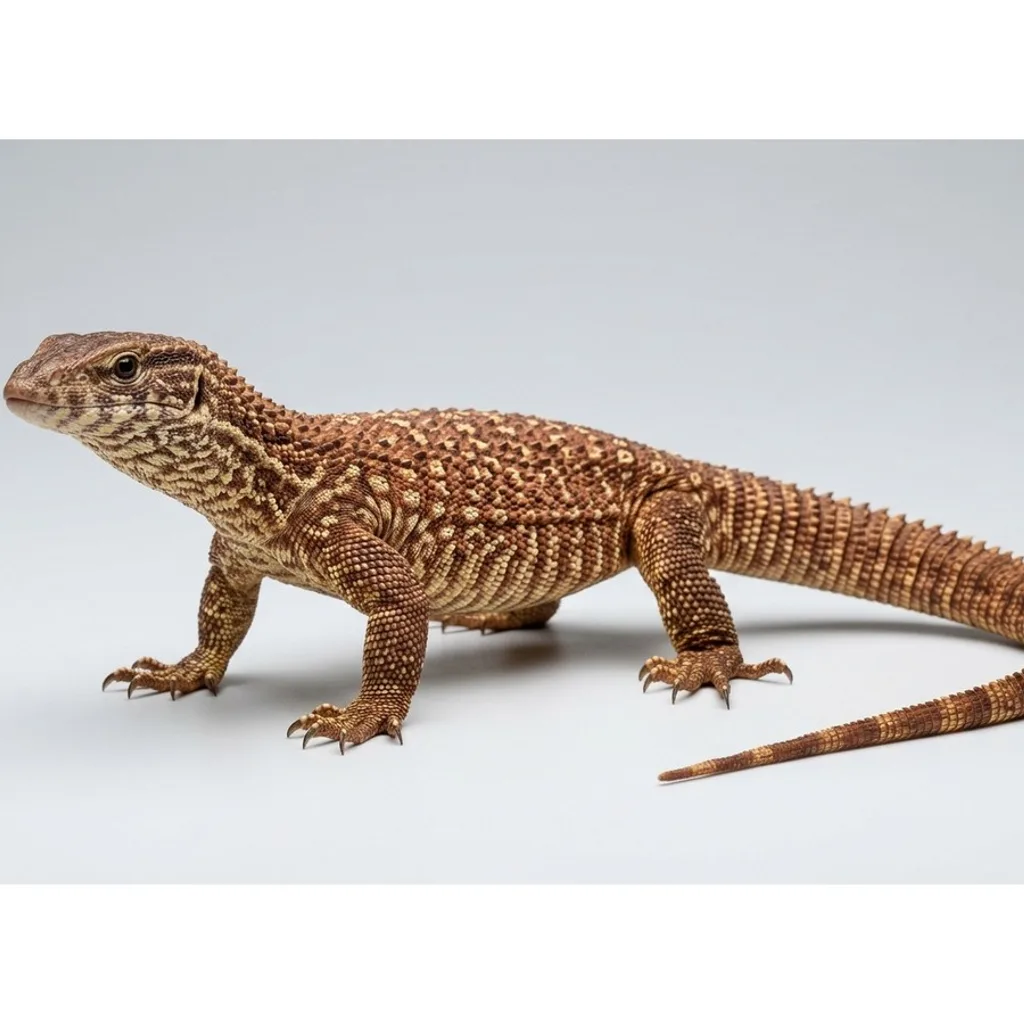
Ackie Monitor
The Ackie Monitor is not legally keepable in New Zealand; this page details the legal framework and legal alternative reptile species.
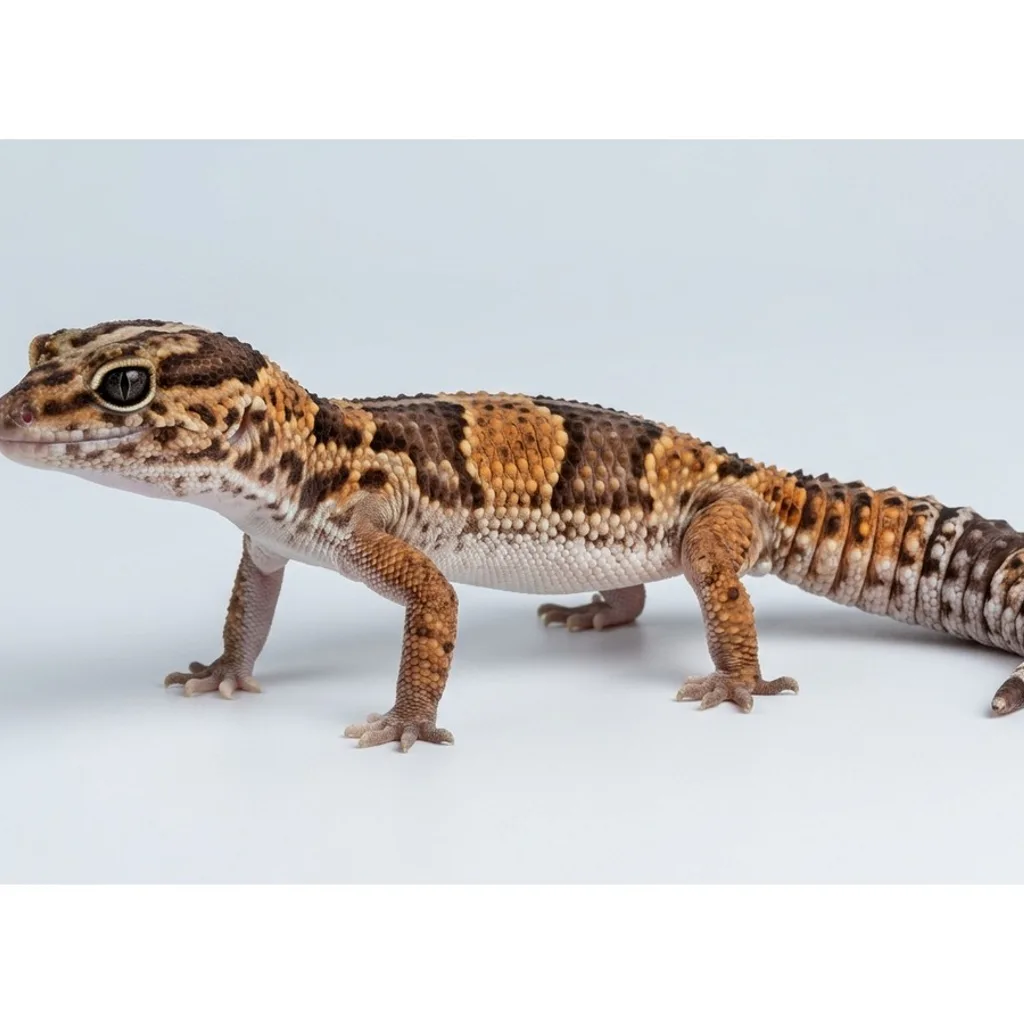
African Fat-tailed Gecko
The African Fat-tailed Gecko is a popular beginner reptile overseas, but it is prohibited in New Zealand: there is no legal captive population, reptile imports for the pet trade are not permitted, and under the HSNO Act 1996 it counts as a "new organism" that cannot lawfully be kept. This page explains the species and the NZ legal reality rather than how to keep one here. Typical lifespan in captivity overseas is 15-20 years.
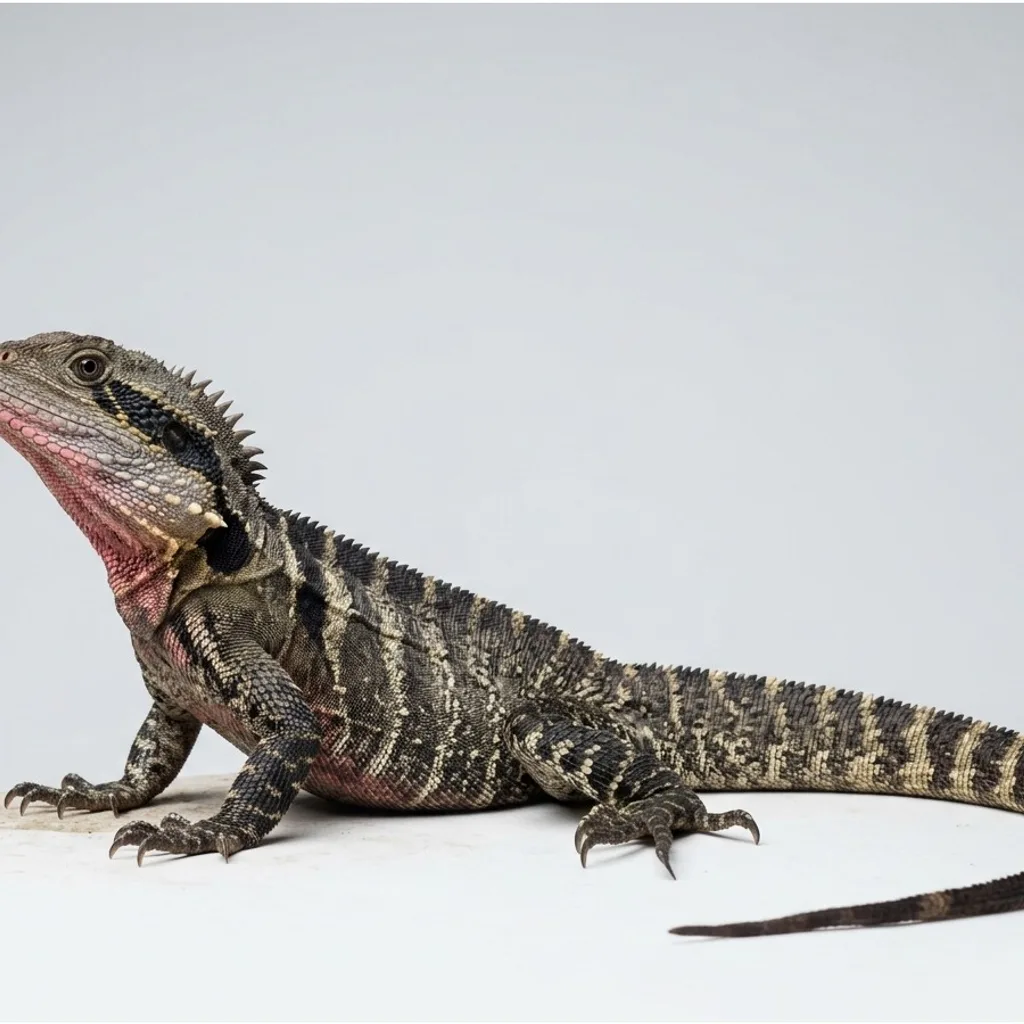
Australian Water Dragon
Australian Water Dragons are large, active semi-arboreal lizards native to Australia. They need large vertical climbing enclosures, high humidity, and a swimming pool, and are the only water dragon legal in NZ.
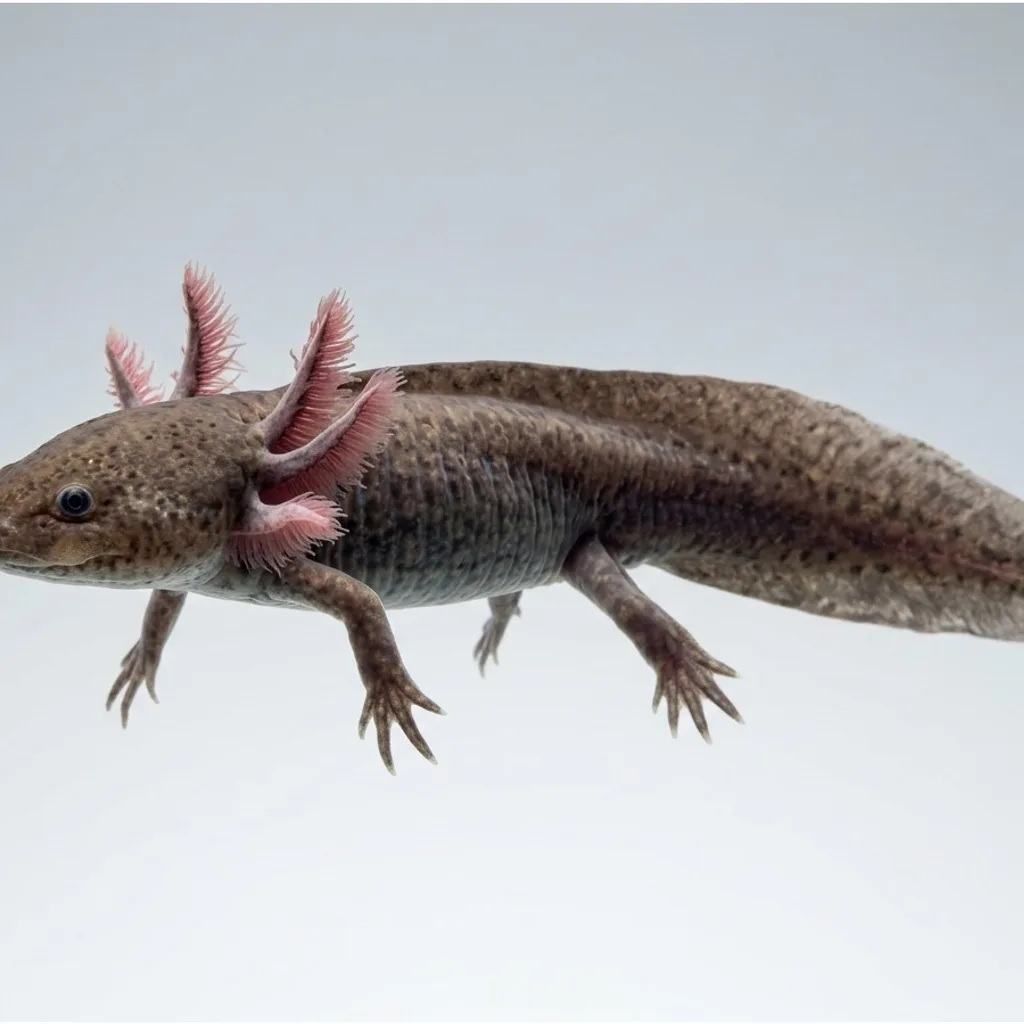
Axolotl (Mexican Walking Fish)
Axolotls are neotenic, fully aquatic salamanders native to Mexico. Famous for their branch-like external gills and smiling expressions, they are popular, low-maintenance aquarium pets in NZ.