Pet Breed Guide NZ
Chinese Fire-bellied Newt
The Chinese Fire-bellied Newt is a legal, small-sized aquatic amphibian in New Zealand. Known for being fully aquatic and having beautiful orange underbellies, they are popular low-maintenance pets.
Photo Gallery
NZ Ownership Snapshot
Verified NZ StatusBreed Snapshot
- Size
- Small (6–10 cm total length — smaller than Japanese newts)
- Lifespan
- 10–15 years
- Origin
- Eastern and Central China
- Care Focus
- Calm, aquatic; display pet only; mildly toxic skin secretions
- NZ Price
- $40 – $120 NZD from NZ herpetological breeders.
- Annual Vet Cost
- Amphibian vet checkups cost $100 – $180 NZD. Preventative care via clean water and cool temperatures is the best way to avoid expensive veterinary intervention.
Personality Scores
NZ Lifestyle Fit
Chinese Fire-bellied Newts are highly suitable for Kiwi apartment and townhouse dwellers who want a quiet, low-space display pet. They do not require aquarium heating, keeping Kiwi power bills low. However, keeping the water cool during North Island summers is essential. They are strictly display pets and should not be handled.
Origins & History
The Chinese Fire-bellied Newt (Cynops orientalis) is a small salamander species native to the slow-moving streams, ponds, and quiet waters of eastern and central China. They are recognizable by their smooth, dark gray-to-black backs and a bright orange-red underside dotted with black spots. In New Zealand, Chinese Fire-bellied Newts are legal captive exotic amphibians, listed on the New Zealand Herpetological Society (NZHS) approved species list (reptiles.org.nz). They are bred locally by enthusiasts. Biosecurity Reminder: Do not confuse Fire-bellied Newts with Fire-bellied TOADS (Bombina), which are strictly PROHIBITED under New Zealand biosecurity laws.
Paludarium & Aquatic Setup
Unlike the Japanese species, which is semi-aquatic, the Chinese Fire-bellied Newt is primarily aquatic. Key setup requirements:
- Tank Size: A minimum 30-liter tank is sufficient for a pair or trio of newts. They do not require a massive land area, but a small floating island (like cork bark or a plastic lily pad) should still be provided in case they want to climb out.
- Water Temperature: They require cool water (15-20°C). Temperatures exceeding 23°C cause heat stress and can be fatal. In warm New Zealand regions, keep the tank in a cool, air-conditioned room or use a mesh screen cover with a computer cooling fan. No aquarium heater is needed.
- Low-flow Filtration: Amphibians prefer still water. Use a low-flow sponge filter powered by an air pump. Strong currents force them to swim constantly, leading to fatigue and stress.
- Water Conditioner: Their skin absorbs chemicals easily. Always treat tap water with a high-quality de-chlorinator to remove chlorine and heavy metals.
Diet & Nutrition
Chinese Fire-bellied Newts are opportunistic carnivores. Their diet should consist of:
- Frozen Foods: Frozen bloodworms, tubifex worms, brine shrimp, and daphnia. Tweezers or a feeding dish help prevent water pollution.
- Live Foods: Small live earthworms, white worms, and micro-crickets.
- Feeding Frequency: Feed them 2 to 3 times a week, ensuring any uneaten food is siphoned out after 1 hour.
Handling & Health Concerns
Newts are display-only animals. Toxicity Warning: Like their Japanese relatives, Chinese Fire-bellied Newts secrete mild skin toxins (such as tetrodotoxin) when stressed. While harmless on clean, intact hands, the toxin causes painful burning if it gets into eyes, mouth, or cuts. Always wash hands thoroughly with soap and warm water after performing tank maintenance. Never house newts with other fish or amphibians, as their skin toxins can poison tank mates, and fish may nibble on the newts' tails.
Fun Facts
Fact 1
Chinese Fire-bellied Newts are smaller than Japanese Fire-bellied Newts and spend almost their entire lives in the water, rarely utilizing land.
Fact 2
Their bright orange belly acts as a warning sign to birds and fish that they contain bitter-tasting skin toxins.
Fact 3
Like other salamanders, they have the incredible ability to completely regenerate lost limbs, tail segments, and damaged internal organs.
Fact 4
They undergo skin shedding regularly, pulling off their outer skin layer with their mouths and eating it to conserve amino acids.
Fact 5
Under NZ biosecurity regulations, importing newts from overseas is prohibited, meaning all pets are sourced from local captive-bred populations.
Related Breeds
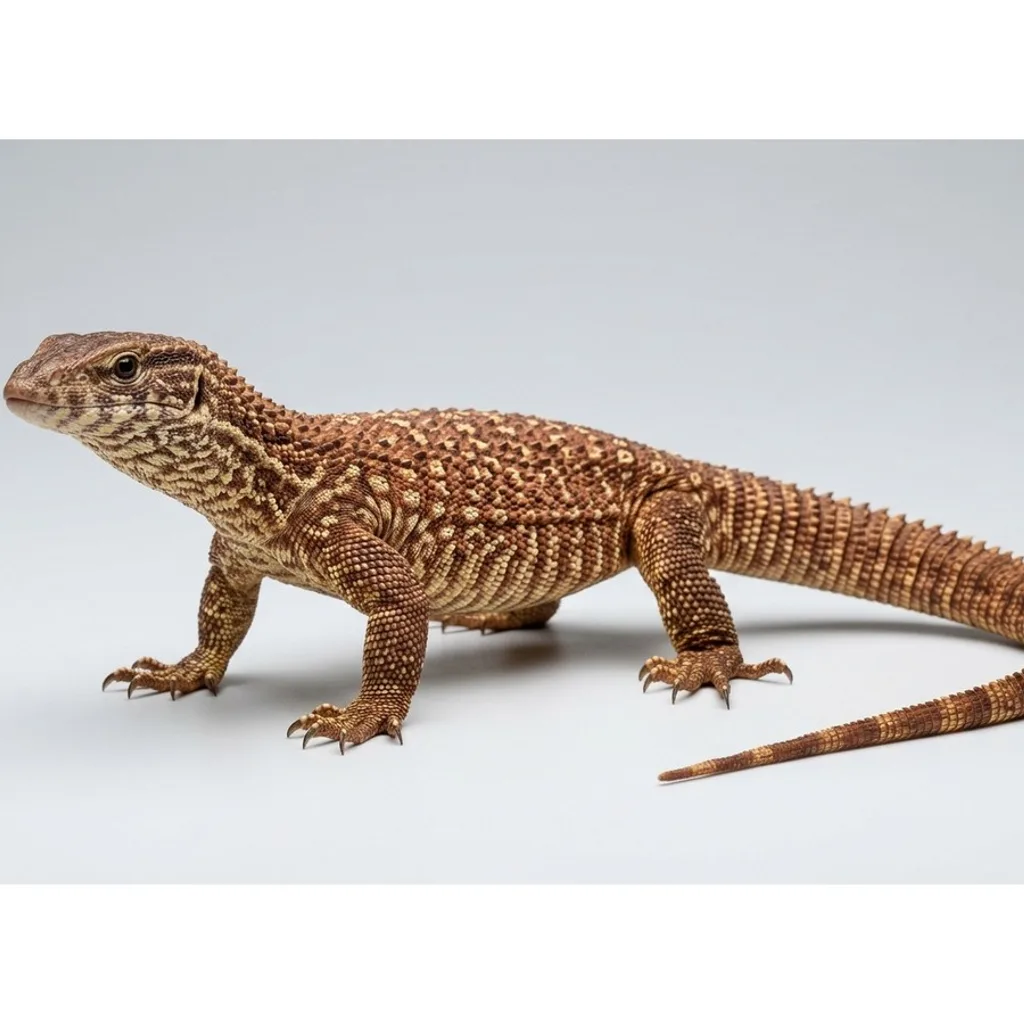
Ackie Monitor
The Ackie Monitor is not legally keepable in New Zealand; this page details the legal framework and legal alternative reptile species.
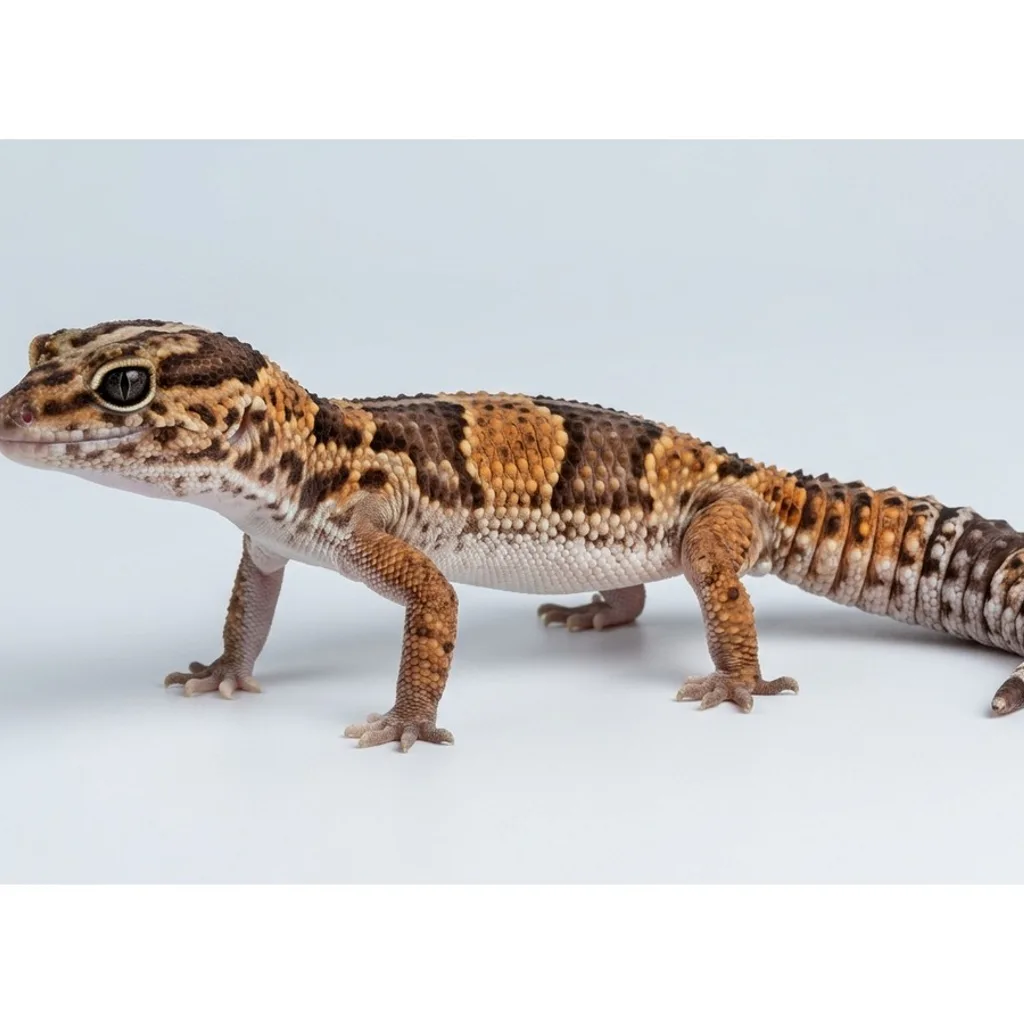
African Fat-tailed Gecko
The African Fat-tailed Gecko is a popular beginner reptile overseas, but it is prohibited in New Zealand: there is no legal captive population, reptile imports for the pet trade are not permitted, and under the HSNO Act 1996 it counts as a "new organism" that cannot lawfully be kept. This page explains the species and the NZ legal reality rather than how to keep one here. Typical lifespan in captivity overseas is 15-20 years.
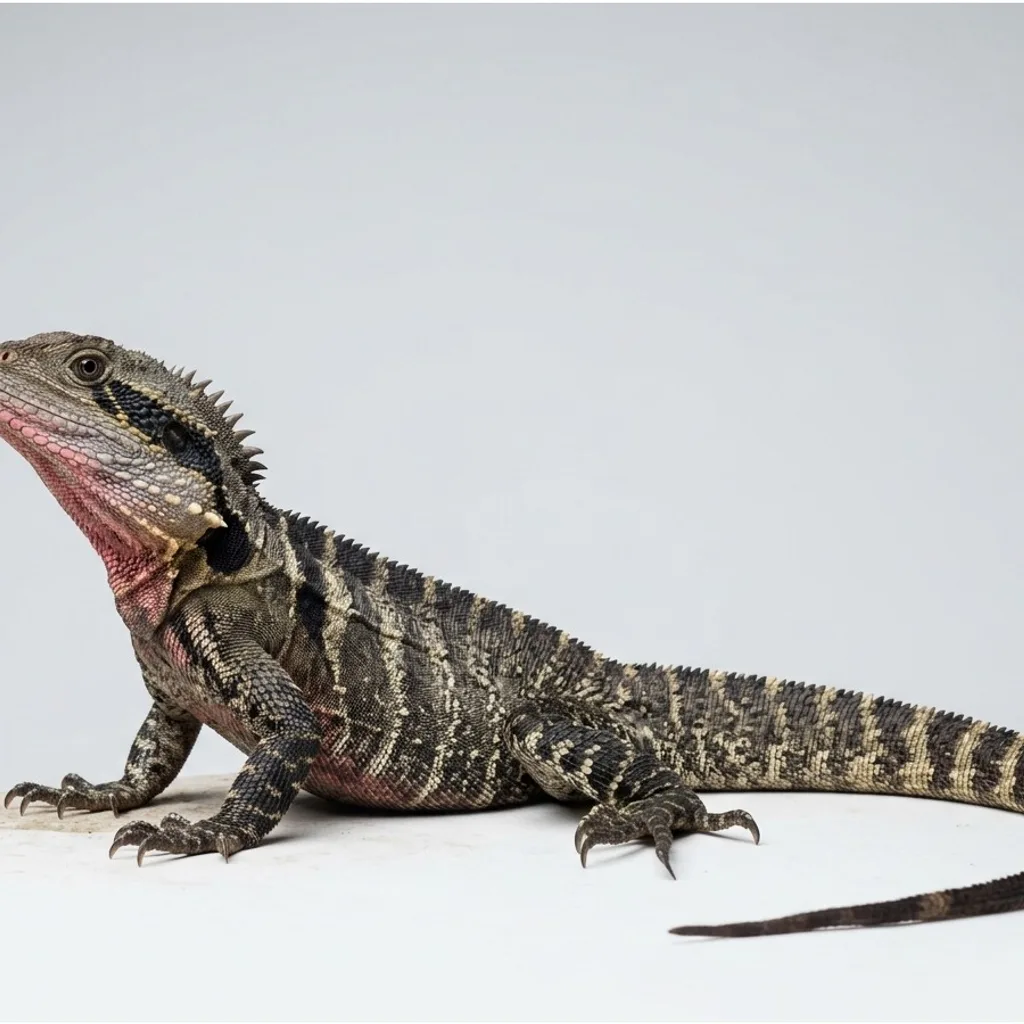
Australian Water Dragon
Australian Water Dragons are large, active semi-arboreal lizards native to Australia. They need large vertical climbing enclosures, high humidity, and a swimming pool, and are the only water dragon legal in NZ.
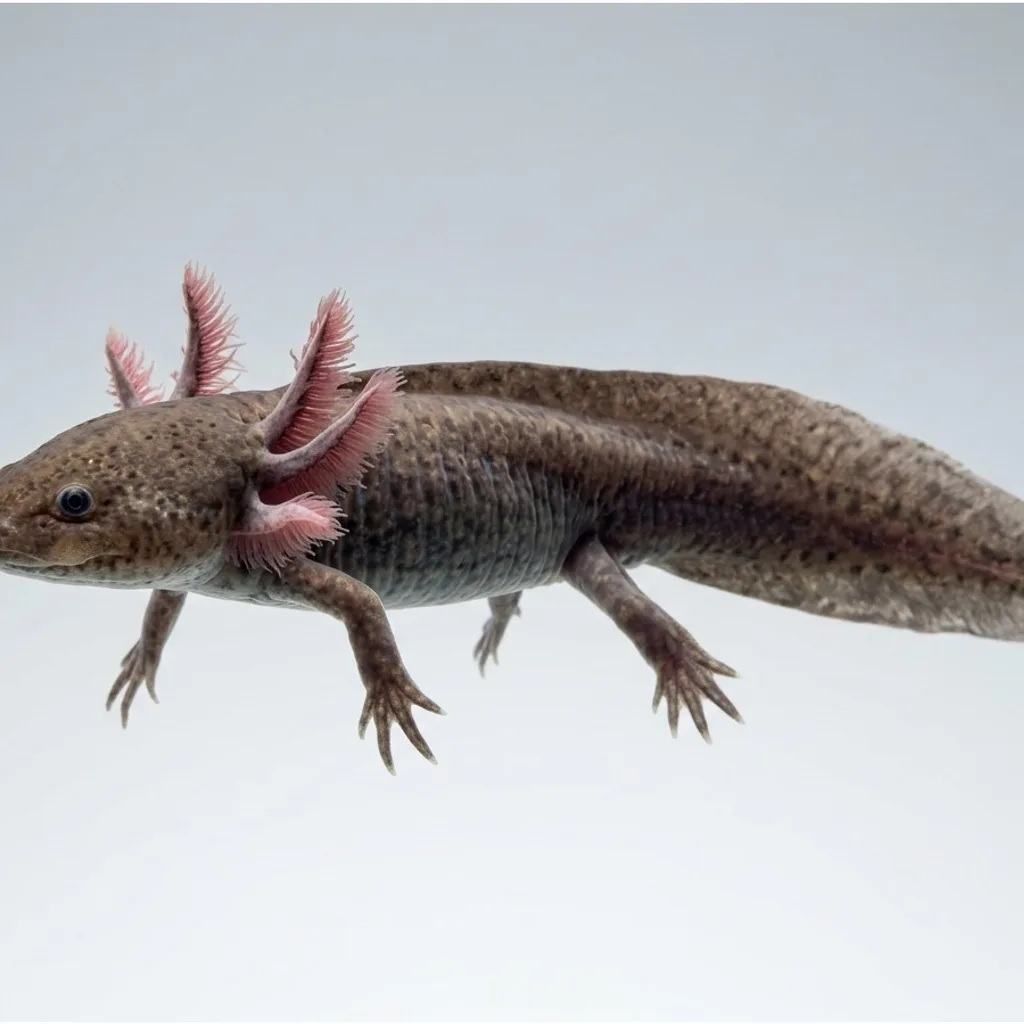
Axolotl (Mexican Walking Fish)
Axolotls are neotenic, fully aquatic salamanders native to Mexico. Famous for their branch-like external gills and smiling expressions, they are popular, low-maintenance aquarium pets in NZ.