Pet Breed Guide NZ
Box Turtle
The Box Turtle is a legal terrestrial species in New Zealand. Known for their unique hinged shells and gentle, curious natures, they make wonderful long-term pets.
Photo Gallery
NZ Ownership Snapshot
Verified NZ StatusBreed Snapshot
- Size
- Small-medium (10–20 cm shell length)
- Lifespan
- 30–50+ years
- Origin
- North America / Asia
- Care Focus
- Shy at first; gentle and calm; terrestrial; sensitive to excessive handling
- NZ Price
- $200 – $600 NZD from NZ herpetological breeders.
- Annual Vet Cost
- Exotic vet checkups cost $100 – $180 NZD. Treatment for ear abscesses, shell cracks, or respiratory infections can range from $300 to $1,200+ NZD. Finding a vet experienced in turtle care in NZ is essential.
Personality Scores
NZ Lifestyle Fit
Box Turtles are suitable for patient, dedicated keepers in New Zealand. Because they can live for over 50 years, they represent a long-term commitment. In New Zealand, they must be kept indoors year-round (or outdoors only on warm summer days in secure pens), as damp, cold NZ winters can lead to fatal respiratory infections.
Origins & History
Box Turtles (primarily referencing North American Terrapene species or certain Asian Cuora species) are unique terrestrial turtles. Unlike aquatic turtles, they spend their lives on land, though they reside near water sources. They are famous for their hinged plastron (bottom shell) which allows them to pull their head, limbs, and shell tightly together and completely close their shell like a box for protection. In New Zealand, Box Turtles are verified legal pets, listed on the New Zealand Herpetological Society (NZHS) approved species list (reptiles.org.nz). Importing live wild turtles is illegal; all local pets must be captive-bred from established NZ populations.
Enclosure & Climate Requirements
Because Box Turtles are primarily terrestrial, they require a setup designed for land roaming, along with access to shallow water. Key terrarium requirements:
- Enclosure Size: A large wooden tortoise table or a high-sided terrarium (minimum 1.2m x 0.6m) is ideal. Glass aquariums are not recommended as turtles will constantly crawl against the glass trying to get out.
- Substrate: Box Turtles require moderate humidity (60-70%) to protect their skin and eyes. Use a deep layer (10-15cm) of moisture-retaining substrate like coconut coir, peat moss, and pesticide-free topsoil. They love to burrow to sleep and thermoregulate.
- Heating: Provide a basking spotlight creating a warm zone of 29-32°C, and an ambient cool-end temperature of 21-24°C.
- UVB Lighting: High-output UVB lighting (minimum 10% T5 tube) is mandatory. Without UVB, they cannot process calcium, leading to Metabolic Bone Disease (MBD) and soft shell deformities.
Diet & Omnivorous Feeding
Box Turtles are opportunistic omnivores. A highly varied diet is crucial to their long-term health.
- Animal Protein (approx. 50%): Live earthworms, garden snails, wood cockroaches, crickets, and waxworms. Snails are excellent sources of calcium.
- Vegetation (approx. 50%): Leafy greens (dandelion, watercress, romaine lettuce), grated carrots, squash, mushrooms, and occasional fruits (strawberries, blackberries, melon) as treats.
- Supplements: Dust food with calcium carbonate powder three times a week, and use a multivitamin with D3 once a week. Keep a cuttlebone in the enclosure.
Behavior & Handling
Box Turtles are shy, gentle creatures that can become surprisingly tame and recognize their owners over time. However, they are sensitive to stress and should be handled minimally. Defensive Mechanism: When threatened, a Box Turtle will pull itself entirely into its shell and close the hinged trapdoor shell tightly. Never try to pry open a closed Box Turtle shell, as you can easily injure the animal. Keep a shallow, heavy water dish in the enclosure at all times. The water must be shallow enough that the turtle can sit in it with its head well above water, as they are poor swimmers and can drown in deep water.
Fun Facts
Fact 1
Unlike most turtles, Box Turtles have a hinged plastron (bottom shell) that can shut completely, leaving zero soft tissue exposed to predators.
Fact 2
A Box Turtle's shell grows with them and is made of living bone and keratin; they cannot crawl out of their shell.
Fact 3
They have excellent eyesight and a keen sense of smell, which they use to hunt down earthworms and locate ripe berries.
Fact 4
They are primarily land-based and are actually poor swimmers; their feet are clawed and only slightly webbed, unlike aquatic turtles.
Fact 5
In captivity, they frequently live past 50 years, and some wild specimens have been documented living over 100 years.
Related Breeds
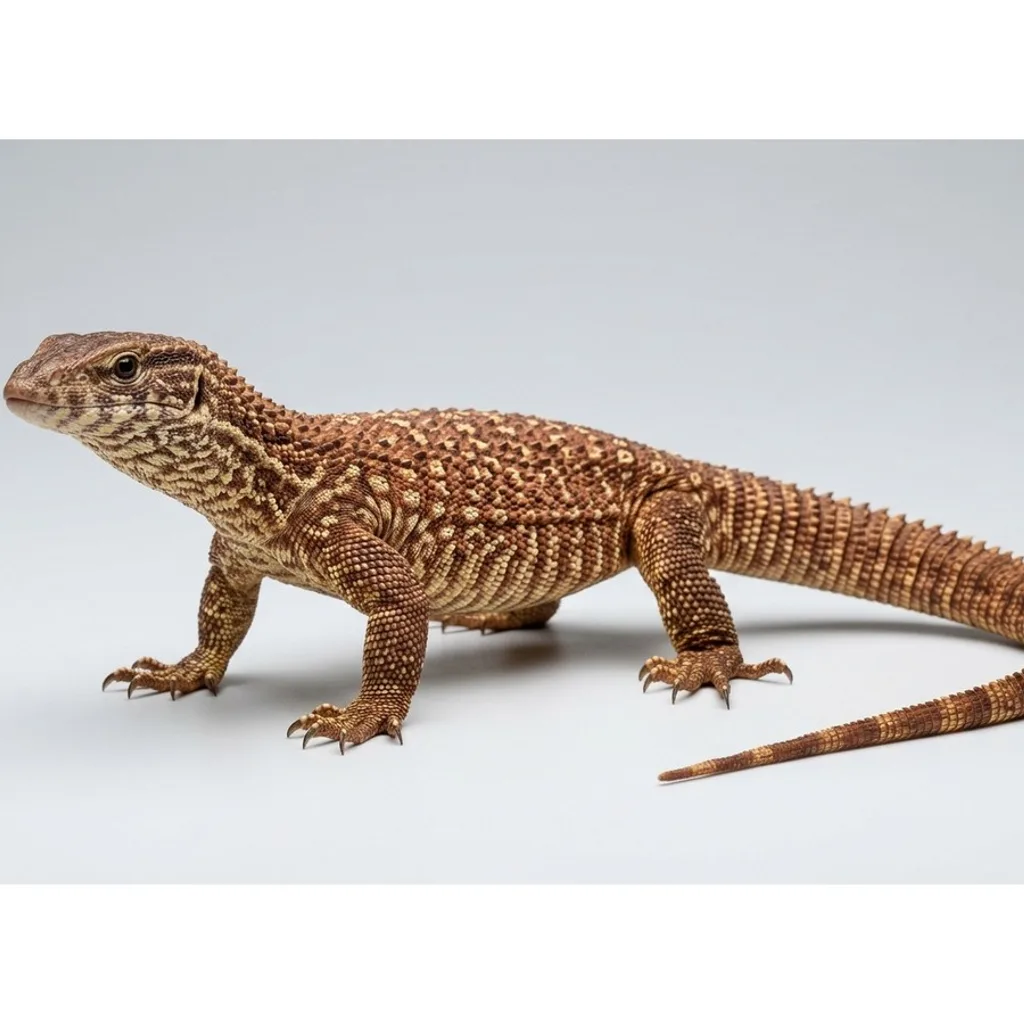
Ackie Monitor
The Ackie Monitor is not legally keepable in New Zealand; this page details the legal framework and legal alternative reptile species.
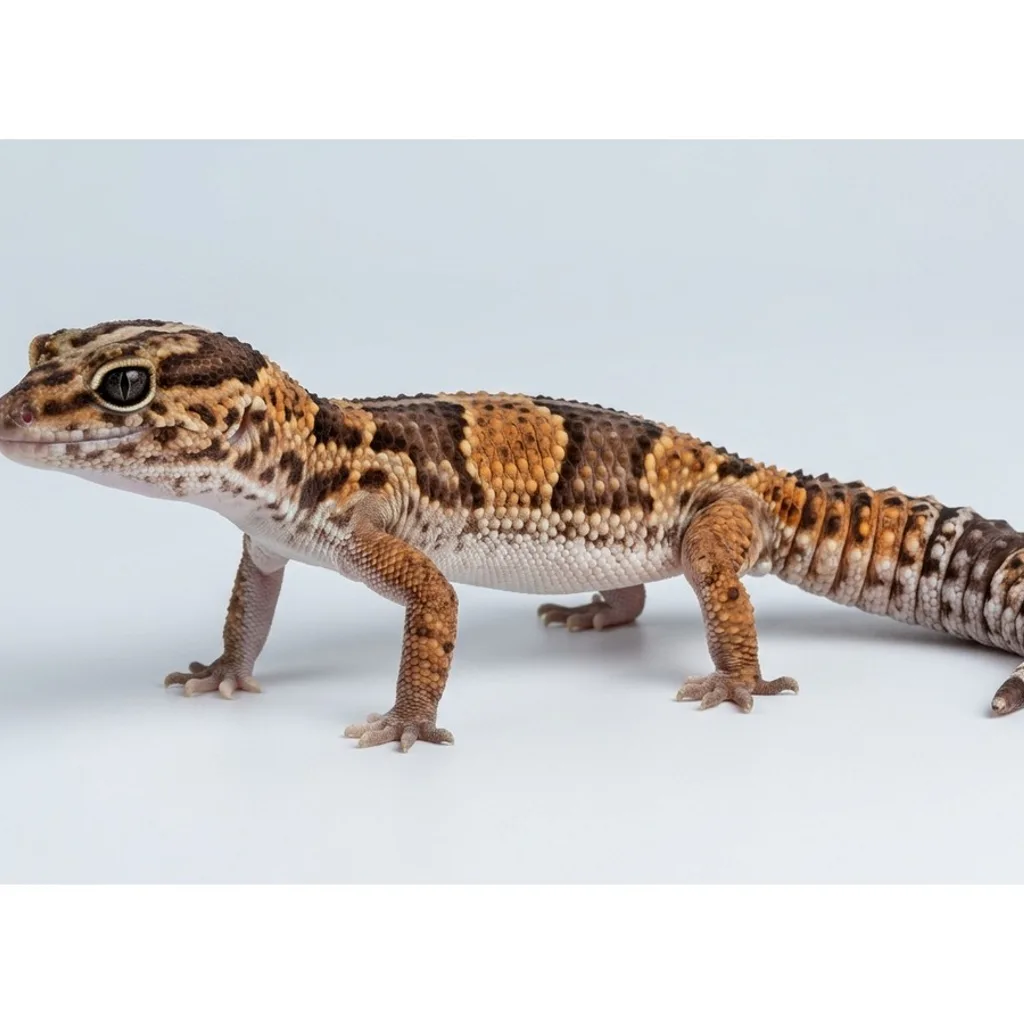
African Fat-tailed Gecko
The African Fat-tailed Gecko is a popular beginner reptile overseas, but it is prohibited in New Zealand: there is no legal captive population, reptile imports for the pet trade are not permitted, and under the HSNO Act 1996 it counts as a "new organism" that cannot lawfully be kept. This page explains the species and the NZ legal reality rather than how to keep one here. Typical lifespan in captivity overseas is 15-20 years.
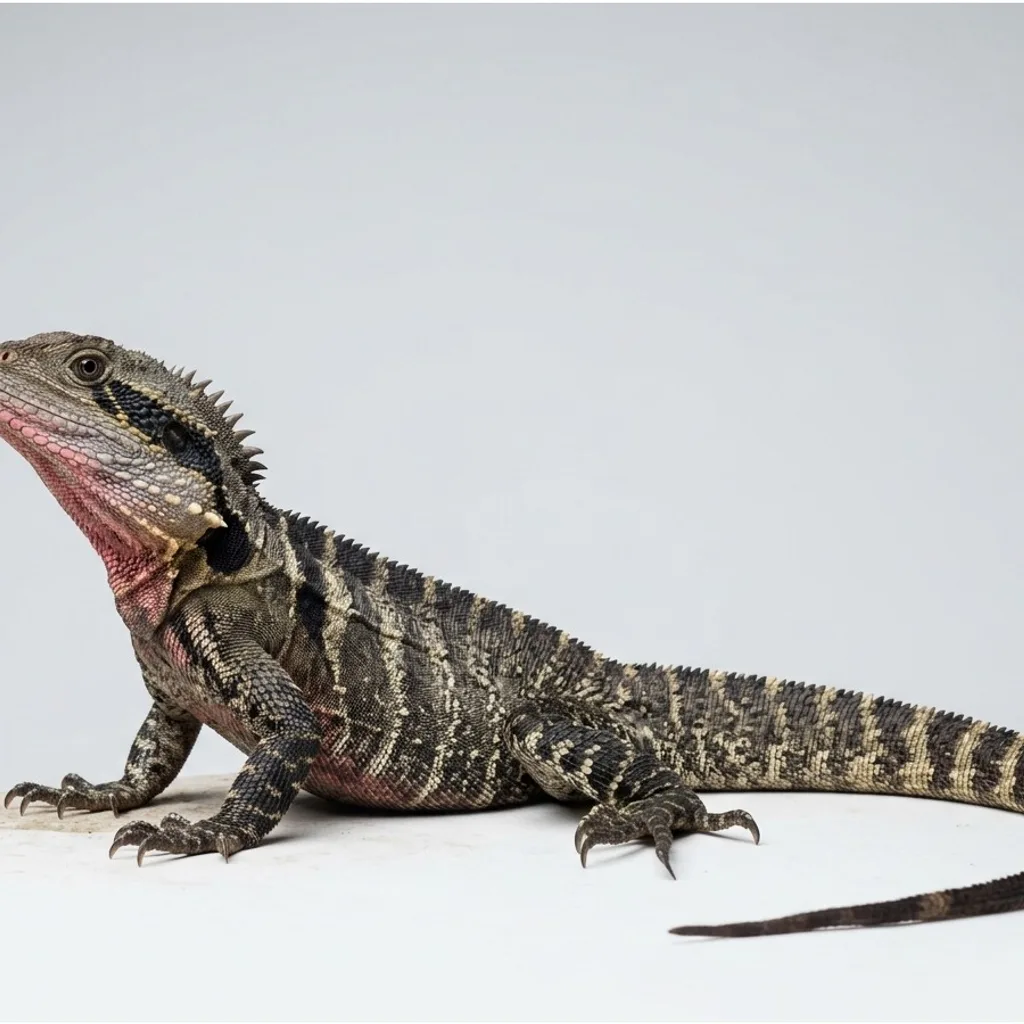
Australian Water Dragon
Australian Water Dragons are large, active semi-arboreal lizards native to Australia. They need large vertical climbing enclosures, high humidity, and a swimming pool, and are the only water dragon legal in NZ.
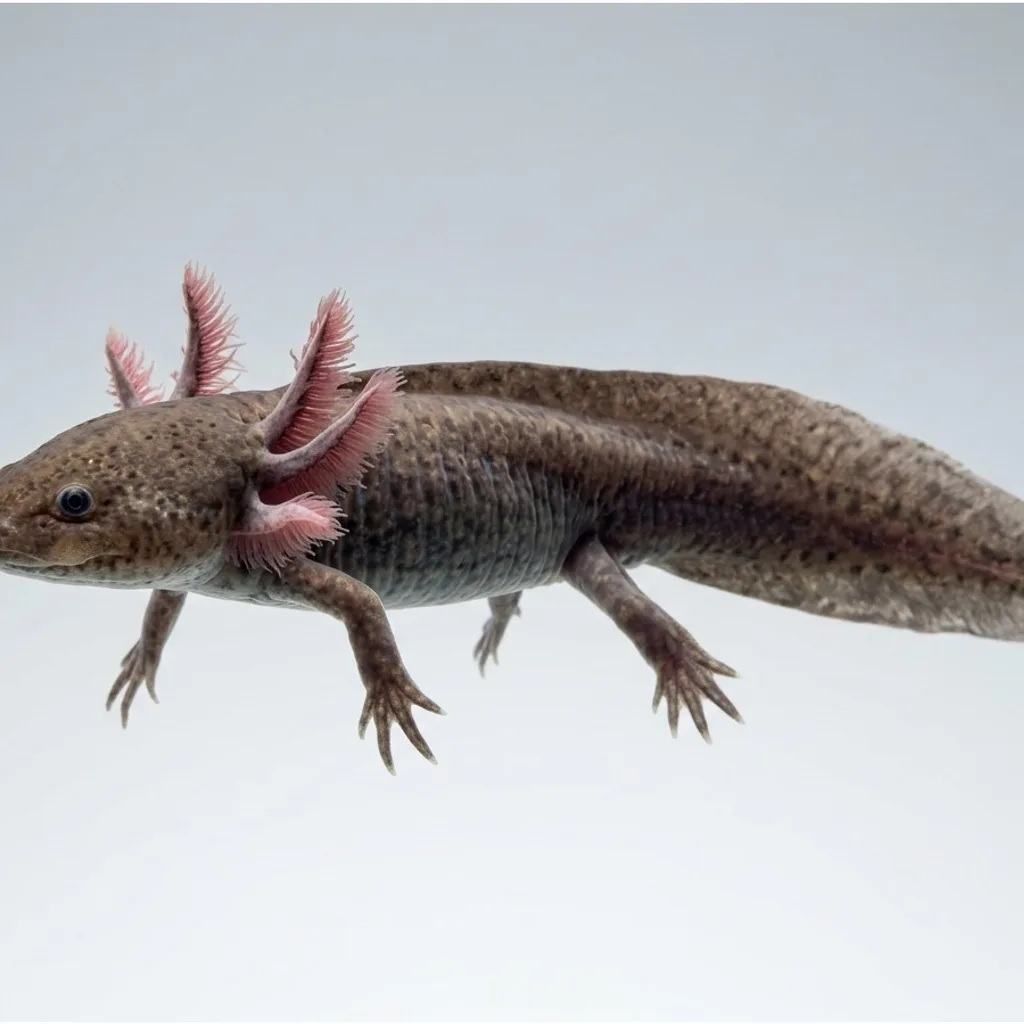
Axolotl (Mexican Walking Fish)
Axolotls are neotenic, fully aquatic salamanders native to Mexico. Famous for their branch-like external gills and smiling expressions, they are popular, low-maintenance aquarium pets in NZ.