How to Teach Leave It to a Dog: NZ Step-by-Step Guide
How to teach leave it to a dog with reward-based steps for NZ homes, walks and food safety situations.
The quick answer: teach "leave it" by rewarding your dog for turning away from something, not by wrestling items out of their mouth. Start with boring objects, make the right choice easy, and pay well. Once the dog understands the cue, use it for dropped food, wildlife distractions and household hazards.
What "leave it" should mean
"Leave it" means: notice that thing, then disengage and check back with you. It is not the same as "drop it", which asks the dog to release something already in their mouth.
This cue is useful around food, children's toys, picnic scraps, possum droppings, beach rubbish and other NZ walk surprises. Pair it with the wider basics in Dog Training and Behaviour NZ, Dog Recall Training NZ, Puppy Socialisation NZ and How to Stop a Dog Barking NZ.
Step 1: start with a boring item
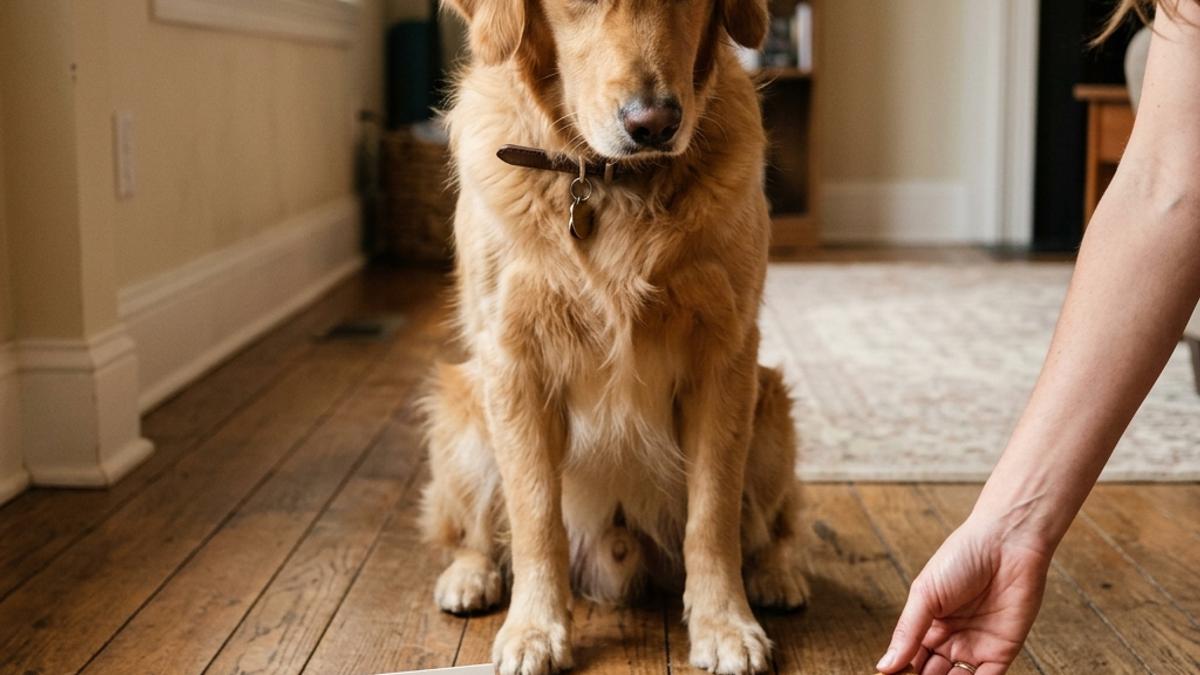
Put a low-value item on the floor under your hand or foot. The moment your dog stops sniffing, backs away or looks at you, mark the choice and reward from your other hand. Do not let the dog grab the item.
Repeat until the dog quickly disengages. Then say "leave it" once, before they move away, and reward the turn-away.
Step 2: add movement and distance
Move to an item in an open palm, then an item on the floor, then a gently tossed item. Keep the reward better than the thing they are leaving. If your dog dives for it, make the setup easier.
Practise in quiet rooms before the garden, driveway, footpath and park. Dogs do not automatically understand that a cue learnt in the lounge applies beside a fish-and-chip wrapper.
Step 3: use real life carefully
On walks, say "leave it" early, before your dog reaches the item. Reward turning back to you. If the item may be dangerous, create distance first and reward afterwards.
Do not use "leave it" as a threat. RSPCA and AVSAB guidance supports reward-based training because dogs learn best when the wanted behaviour is clear and reinforced.
When to get help
If your dog guards items, freezes, growls, snaps or has swallowed something risky, do not keep practising over high-value objects. Contact a NZ vet for ingestion concerns and a qualified force-free trainer or behaviour professional for guarding.
Quick takeaways
- "Leave it" means disengage and check back with you.
- Start easy and reward with something better.
- Practise in many places before relying on it outdoors.
- Guarding or dangerous ingestion needs professional help.
Related reading
- Dog Training and Behaviour NZ
- Dog Recall Training NZ
- Puppy Socialisation NZ
- How to Stop a Dog Barking NZ
References
- RSPCA, Training your dog, checked 2026-06-13: https://www.rspca.org.uk/adviceandwelfare/pets/dogs/training
- American Veterinary Society of Animal Behavior, Humane Dog Training Position Statement, checked 2026-06-13: https://avsab.org/wp-content/uploads/2021/08/AVSAB-Humane-Dog-Training-Position-Statement-2021.pdf
Important notice
*General dog training information for NZ owners. Item guarding, growling, snapping, toxin exposure or swallowed objects need a NZ vet or qualified behaviour professional.*
Free PetMall tools
Related guides
petmall.co.nz
Shop at PetMall
The products below are practical support items for your pet. PetMall ships across New Zealand.
- Dog FoodStart with food that matches your dog's life stage and activity level — and change brands slowly over 7–10 days.
- Dog TreatsTraining rewards and everyday treats — small, soft pieces work best for consistent reinforcement.
- Dog ToysA small rotation of chew, fetch, and puzzle toys usually works better than buying a large variety at once.
- Dog GroomingA gentle brush and the right shampoo make maintenance easier — especially for dogs that get muddy on walks.
- Leads & HarnessesComfort matters: padded contact points and adjustable fit help reduce rubbing on longer walks or tramping weekends.
- Flea & Worm TreatmentFor NZ conditions, look for protection that fits your routine (monthly vs longer-lasting) and your dog's weight range.