Pet Breed Guide NZ
Red-eared Slider Turtle
Red-eared Slider Turtles are semi-aquatic reptiles recognizable by the red stripe behind their eyes. They are highly active swimmers that need a large water tank, a dry basking dock, and intense UVB lighting.
Photo Gallery
NZ Ownership Snapshot
Verified NZ Status- Water Type
- freshwater
- Tank Size
- 120
- UVB Required
- Yes
Red-eared sliders are the most commonly kept turtle in New Zealand and you may legally keep one anywhere in the country. The catch is regional: under Auckland Council's regional pest management plan you cannot breed, distribute or sell any red-eared slider (or other sub-species of Trachemys scripta) within the Auckland region from 1 September 2022 — so Auckland residents cannot lawfully buy one, and taking on an existing turtle that needs rehoming is the only route. Existing owners keep full rights: vet visits, moving house and boarding while you travel are all fine, provided the turtle stays securely contained. Releasing a turtle into the wild is an offence under the Biosecurity Act and the Animal Welfare Act, with fines up to $5,000.
Breed Snapshot
- Size
- medium
- Lifespan
- 20–40 years in captivity with proper care — this is a lifetime commitment
- Origin
- Eastern and central United States; naturalised widely
- Care Focus
- Active, curious, semi-aquatic; can be tamed with consistent handling but prefer swimming to being held; not a cuddly pet
- NZ Price
- $80–$200 NZD for hatchlings; adult turtles occasionally available from rehomers
Personality Scores
NZ Lifestyle Fit
Auckland Council regional pest management plan (rules in force from 1 September 2022): no breeding, distribution or sale of Trachemys scripta within the Auckland region; no release from containment anywhere in Auckland; no movement to Aotea/Great Barrier Island or into or out of the Hauraki Gulf controlled area. Nationally, the Department of Conservation records release into the wild as an offence under the Biosecurity Act and the Animal Welfare Act (fines up to $5,000). Check your own regional council — several list the red-eared slider as a pest species.
The Red-eared Slider Turtle (Trachemys scripta elegans) is the most popular and recognizable pet turtle in New Zealand. Characterized by the distinctive red stripes behind their eyes and their active, inquisitive personalities, these semi-aquatic reptiles are fascinating pets to observe. However, they are frequently purchased as tiny, cute hatchlings without the buyer realizing the massive size they will reach as adults—often growing up to 30cm in shell length—or the extraordinary commitment required, as they can live for 20 to 40 years in captivity.
Caring for an adult Red-eared Slider requires a large, dedicated setup. A minimum tank size of 150 litres is necessary for a single adult to provide adequate swimming space. In addition to a deep swimming area, sliders require a completely dry basking platform where they can pull themselves out of the water to dry off. This basking spot must be equipped with two essential lamps: a heat lamp creating a localized temperature of 30–35°C, and a high-quality UVB light (5.0 or 10.0). Without daily exposure to UVB radiation, turtles cannot synthesize vitamin D3, leading to Metabolic Bone Disease (MBD), which causes soft, deformed shells and eventual death.
Turtles are exceptionally messy eaters and produce a large amount of waste, meaning a powerful external canister filter is essential to maintain clean, safe water. Their diet is omnivorous, consisting of commercial turtle pellets, leafy greens (such as dandelion greens and romaine lettuce), and occasional protein treats like earthworms. In warmer parts of New Zealand, adult sliders can be transitioned to secure outdoor ponds during the summer, provided the enclosure is entirely escape-proof. If you are considering a slider, ensure you are prepared for a multi-decade commitment, as rehoming adult turtles in NZ is incredibly difficult.
Related Breeds
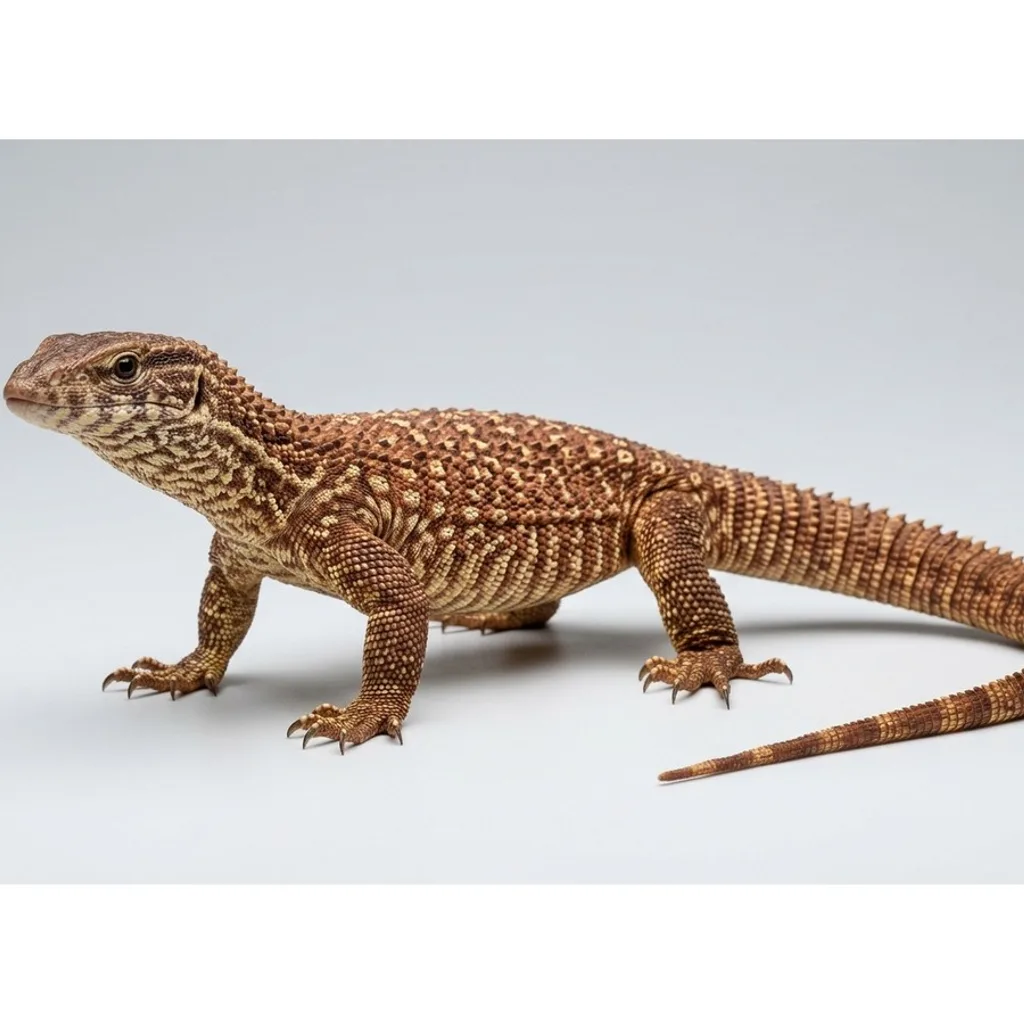
Ackie Monitor
The Ackie Monitor is not legally keepable in New Zealand; this page details the legal framework and approved alternative reptile species.
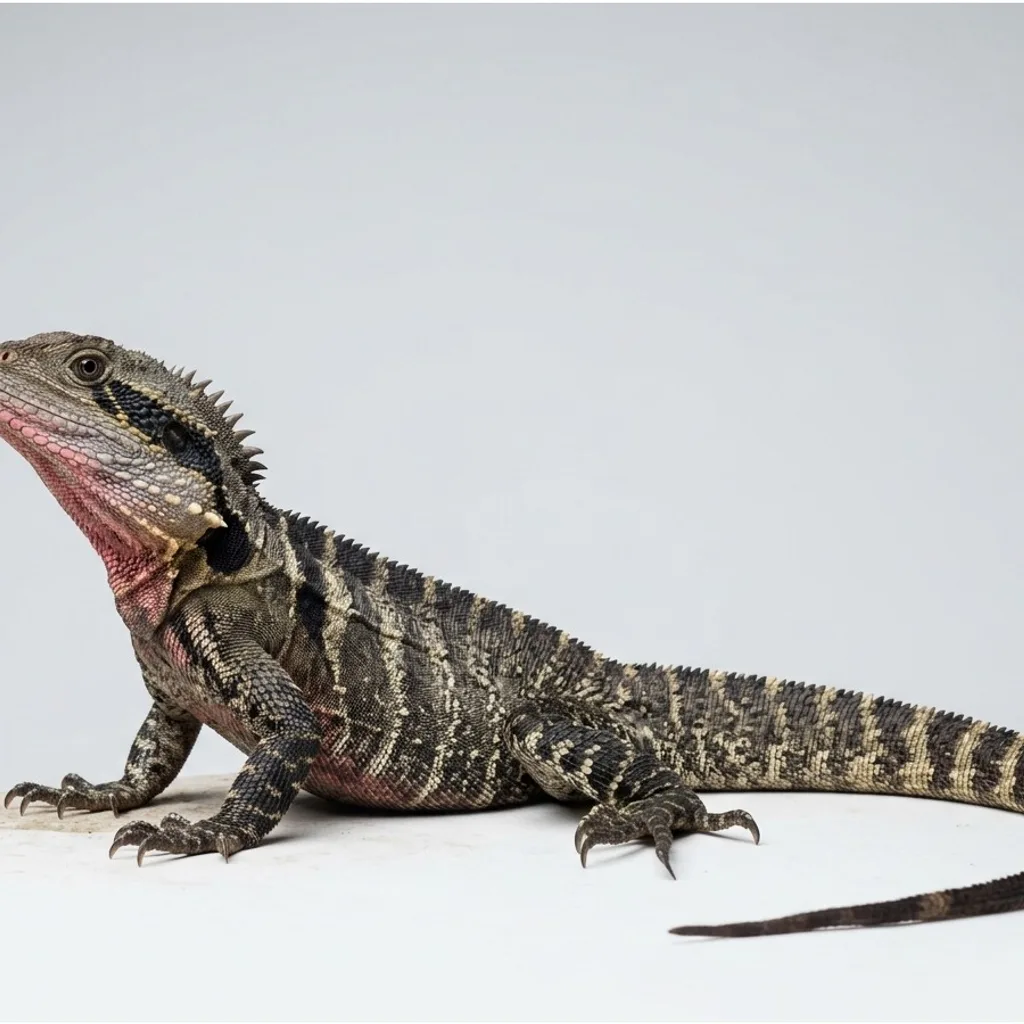
Australian Water Dragon
Australian Water Dragons are large, active semi-arboreal lizards native to Australia. They need large vertical climbing enclosures, high humidity, and a swimming pool, and are the only water dragon legal in NZ.
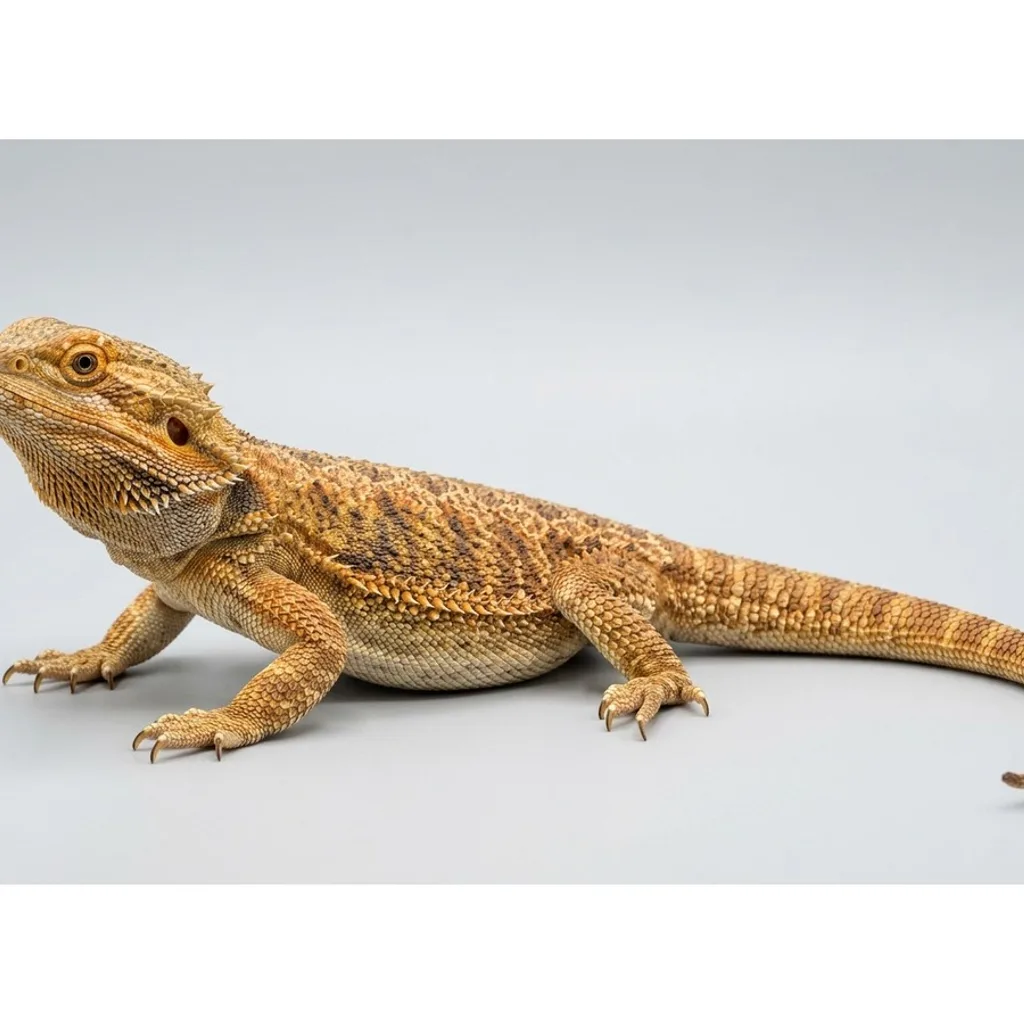
Bearded Dragon
Bearded dragons are one of the small number of non-native lizards legally kept in New Zealand. They are daytime-active and genuinely handleable, but they are also the most equipment-hungry of the common pet lizards: an adult needs roughly a 120x60x60cm vivarium, a 38-42°C basking spot and full-spectrum UVB. Skimp on the UVB and metabolic bone disease is the usual outcome. Typical lifespan is 10-15 years.
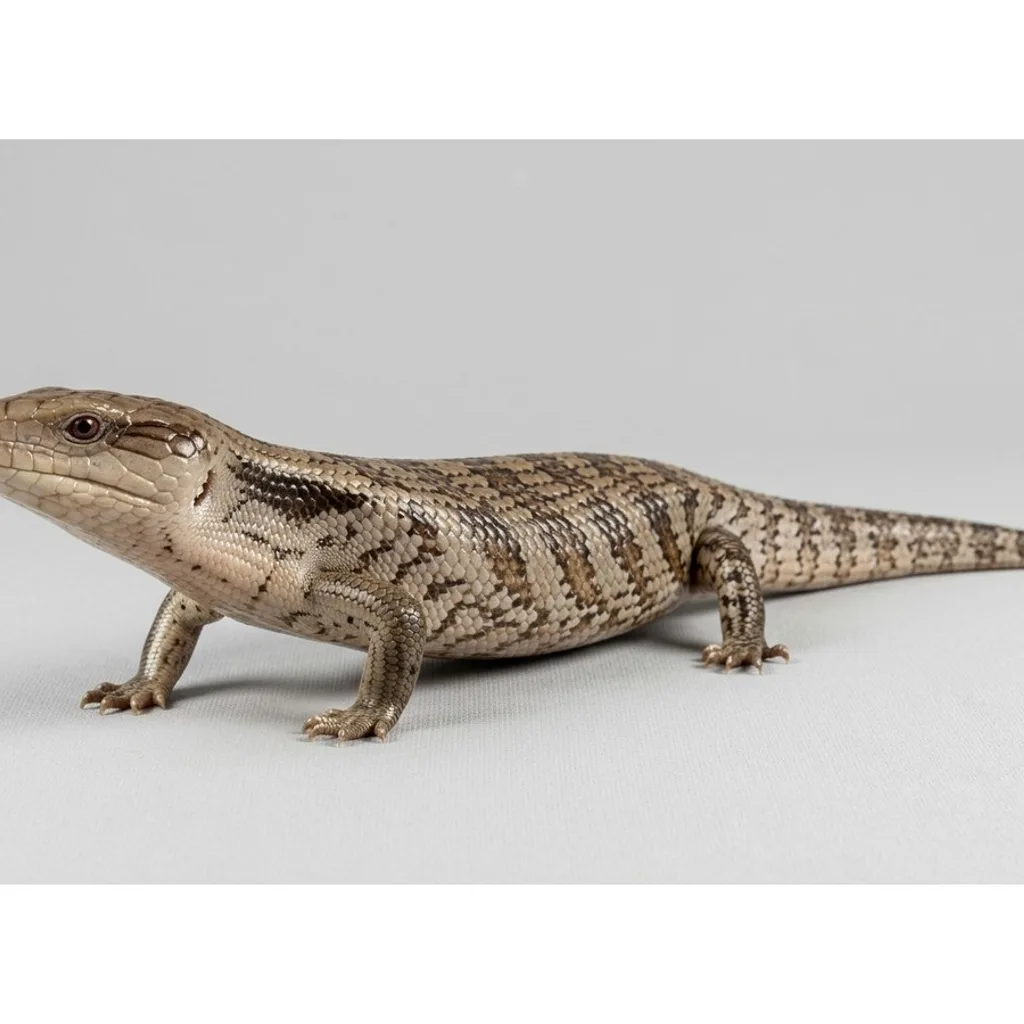
Blue-tongued Skink
Blue-tongued Skink is a medium reptile originating from Australia. This animal has verified NZ restriction or pest context; check MPI, DOC, EPA, and local council rules before keeping, moving, breeding, selling, or sourcing one. Typical lifespan is 15-20 years.