Dog Breed Guide NZ
Wire Fox Terrier
The Wire Fox Terrier is a classic, spirited small terrier breed in New Zealand. Famous for their wiry tricolor coats, characteristic beards, and bold personalities, they are engaging companions.
Photo Gallery
Breed Snapshot
- Size
- Small-medium (7–9 kg; stands around 39 cm tall)
- Lifespan
- 13–15 years
- Origin
- England
- Temperament
- Energetic, bold, curious, stubborn, alert, playful, loyal
- NZ Price
- $1,200 – $2,500 NZD from registered Dogs NZ breeders.
- Annual Vet Cost
- Annual routine vet care averages $400 – $800 NZD. Treatments for skin allergies, lens luxation, or knee surgeries can range from $1,500 to $4,500+ NZD.
Personality Scores
NZ Lifestyle Fit
Wire Fox Terriers are suitable for active NZ owners with secure, escape-proof gardens. They have a natural urge to dig, requiring secure boundaries. They are less common than Smooth Fox Terriers in NZ but possess a dedicated terrier club. They make excellent alert watchdogs for suburban Kiwi homes.
Origins & History
The Wire Fox Terrier was developed in England during the late 18th century, bred specifically to flush foxes from their underground dens during hunts. They were bred with wire-haired terriers to create a rugged, weather-resistant coat suitable for rough brush and damp English weather. In New Zealand, the Wire Fox Terrier has a dedicated following and a long history, supported by local terrier breed clubs. While less common than their relative, the Smooth Fox Terrier, they are highly regarded for their bold personality, classic look, and spirited companion qualities.
Breed Characteristics & Temperament
Wire Fox Terriers are energetic, bold, and fiercely independent dogs. True to their terrier heritage, they possess a high level of self-confidence, curiosity, and playfulness. They are alert watchdogs that will vocalize to announce visitors. However, their independent nature can translate into stubbornness. They possess a high prey drive and will chase smaller pets, and they have an innate desire to dig, which can cause havoc in unsecured Kiwi gardens. They respond best to firm, consistent, and fun training.
Coat Types & Grooming Demands
The distinctive wire coat is a key feature of the breed and requires specialized grooming. Key grooming tips:
- Coat Texture: The coat is dense, wiry, and crinkly, resembling coconut fiber, with a soft undercoat. They also display characteristic beard and leg furnishings.
- Hand-stripping vs. Clipping: To maintain the hard, wiry texture and rich colors (tricolor or ginger and white), the coat must be "hand-stripped" (pulling out dead hairs by hand) every 4 to 6 months. If clipped with shears, the coat will gradually become soft, curly, faded, and lose its dirt-resistant qualities.
- Brushing: Brush their coat and comb their beard twice a week using a slicker brush and metal comb to prevent matting from food or dirt.
- Shedding: They are very low shedders, making them popular with allergy sufferers, provided their coat is properly stripped or clipped.
Health & Veterinary Concerns
Wire Fox Terriers are generally a long-lived and healthy breed with an average lifespan of 13 to 15 years. Common health issues include:
- Skin Allergies: Atopic dermatitis and contact allergies can cause itchy skin and feet.
- Patellar Luxation: Slipping kneecaps, which is relatively common in small terriers.
- Primary Lens Luxation (PLL): A genetic eye condition causing displacement of the lens. Reputable breeders must test parents.
- Deafness: Occurs in some predominantly white lines.
NZ Suitability & Lifestyle
Wire Fox Terriers are well-suited to active New Zealand households with secure yards. They are highly active dogs that need daily walks and mental stimulation to prevent boredom-based behaviors like digging under fences. Because of their strong prey drive, yards must have secure fencing (dug slightly into the ground to prevent tunneling), and they must be kept on-leash in public spaces. They are not recommended for homes with small pocket pets (hamsters, mice, guinea pigs). They make excellent companions for active families who enjoy walks and dog sports.
Fun Facts
Fact 1
Wire Fox Terriers have a distinctive rectangular head shape, flat cheeks, and a dense beard that gives them a sophisticated, alert look.
Fact 2
A Wire Fox Terrier named Caesar was the beloved companion of King Edward VII and led the King's funeral procession in 1910.
Fact 3
Their wiry coat acts like a suit of armor, shedding water, resisting dirt, and protecting their skin from brambles and thorns.
Fact 4
If you do not hand-strip their coat, it will eventually lose its rich ginger and black colors, turning soft, curly, and pale gray.
Fact 5
The breed has historically won the prestigious Westminster Kennel Club 'Best in Show' title more times than any other dog breed.
Related Breeds
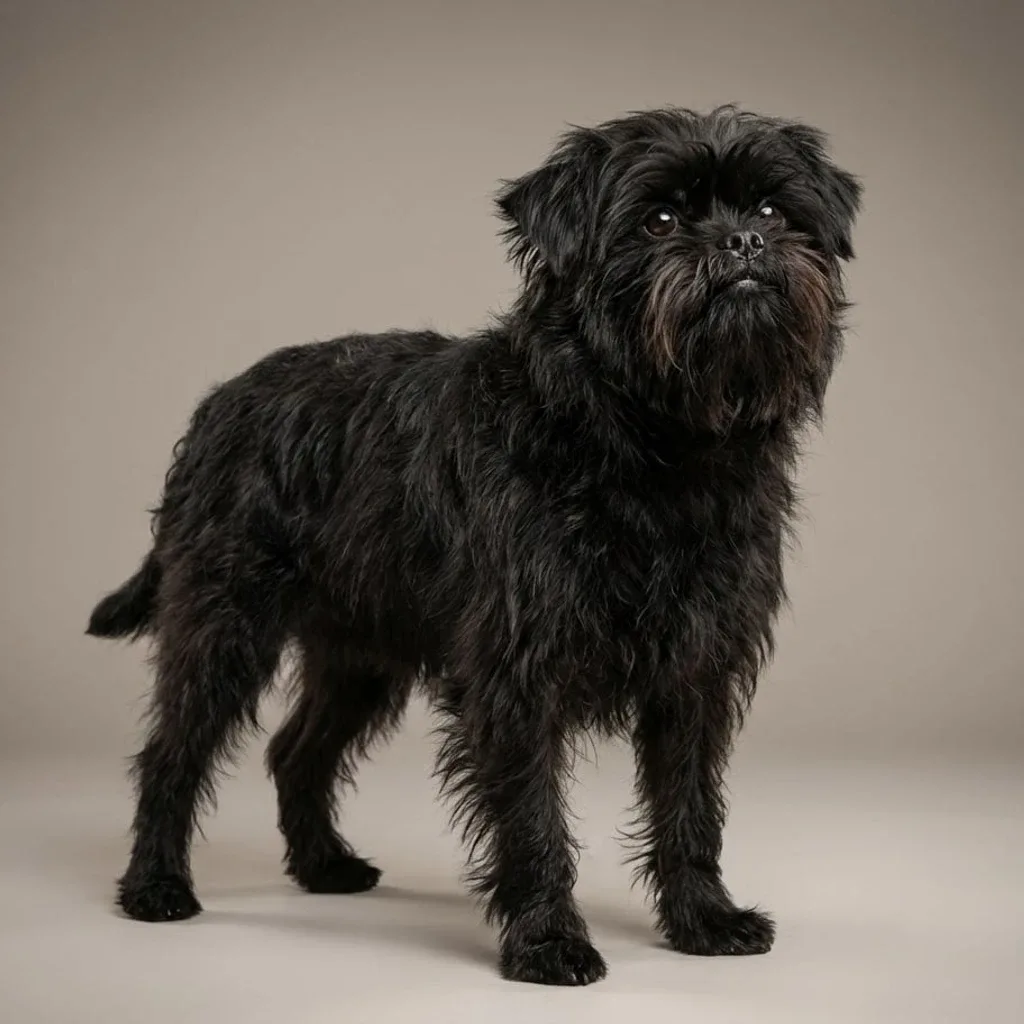
Affenpinscher
The Affenpinscher is a sturdy, monkey-like terrier-type toy breed known for its confidence and playful spirit. Despite its small size, it possesses a courageous heart and a loyal personality, making it a wonderful companion for Kiwi apartment dwellers or those with smaller sections.
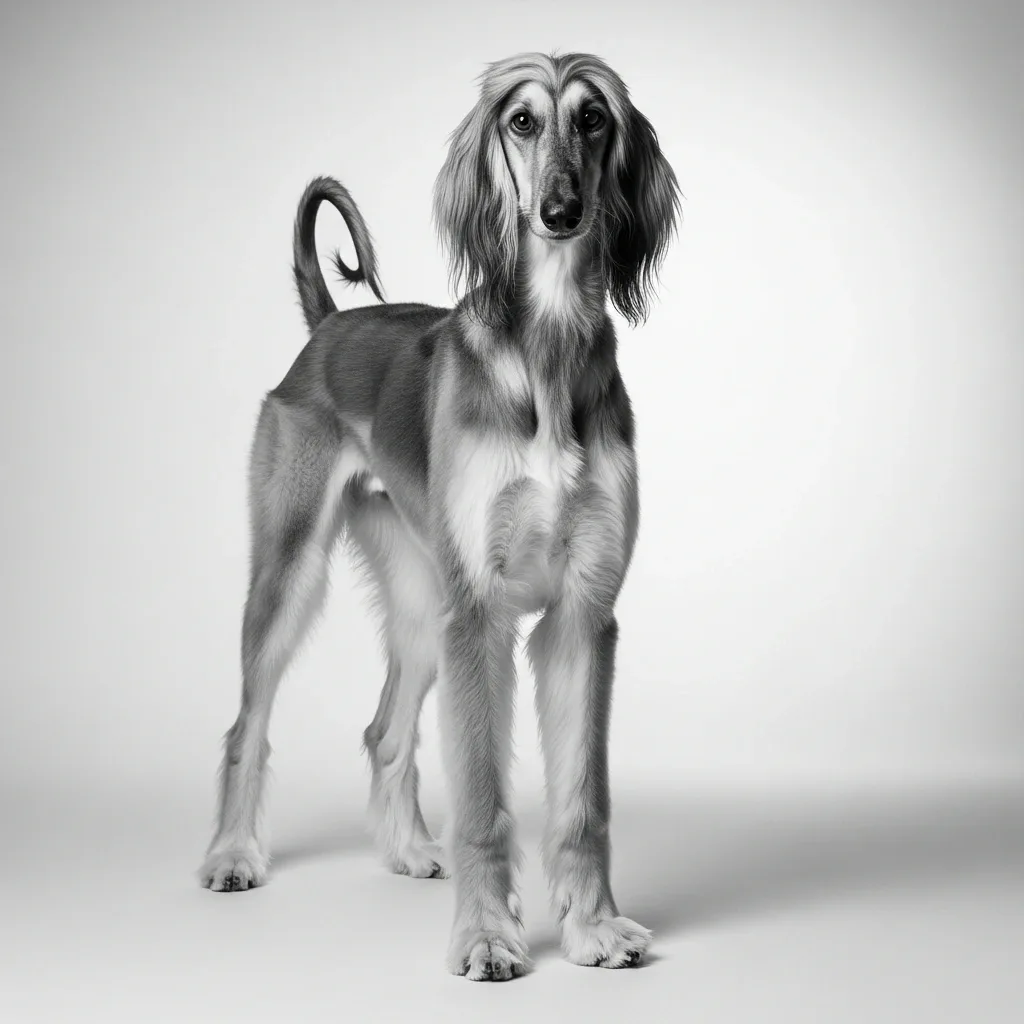
Afghan Hound
The Afghan Hound is an elegant aristocrat with a dignified and aloof personality. Known for its striking, silky coat, this breed is a high-maintenance beauty that requires ample space to run and an owner dedicated to its complex grooming needs.
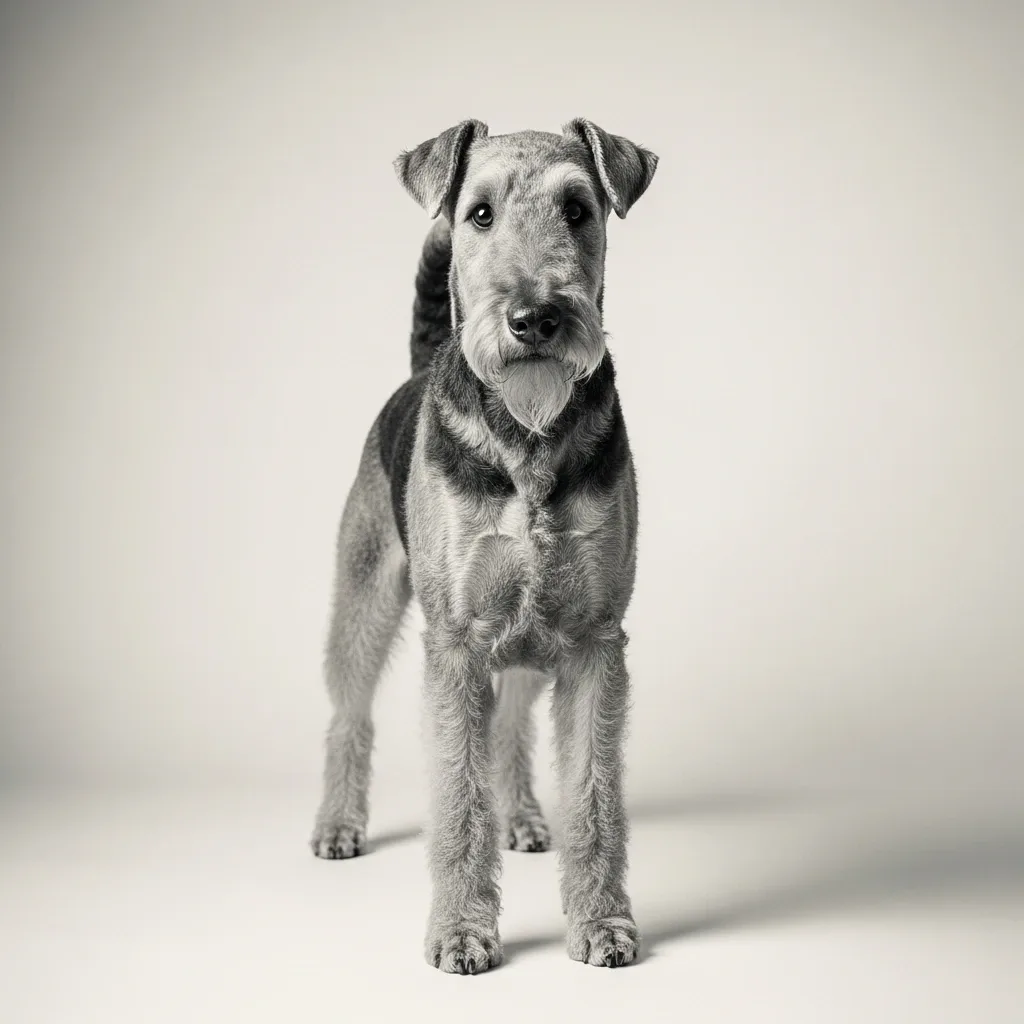
Airedale Terrier
The 'King of Terriers', the Airedale is the largest of all terrier breeds. They are brave, hardworking, and highly intelligent, making them excellent partners for active Kiwi families who love tramping and outdoor adventures.
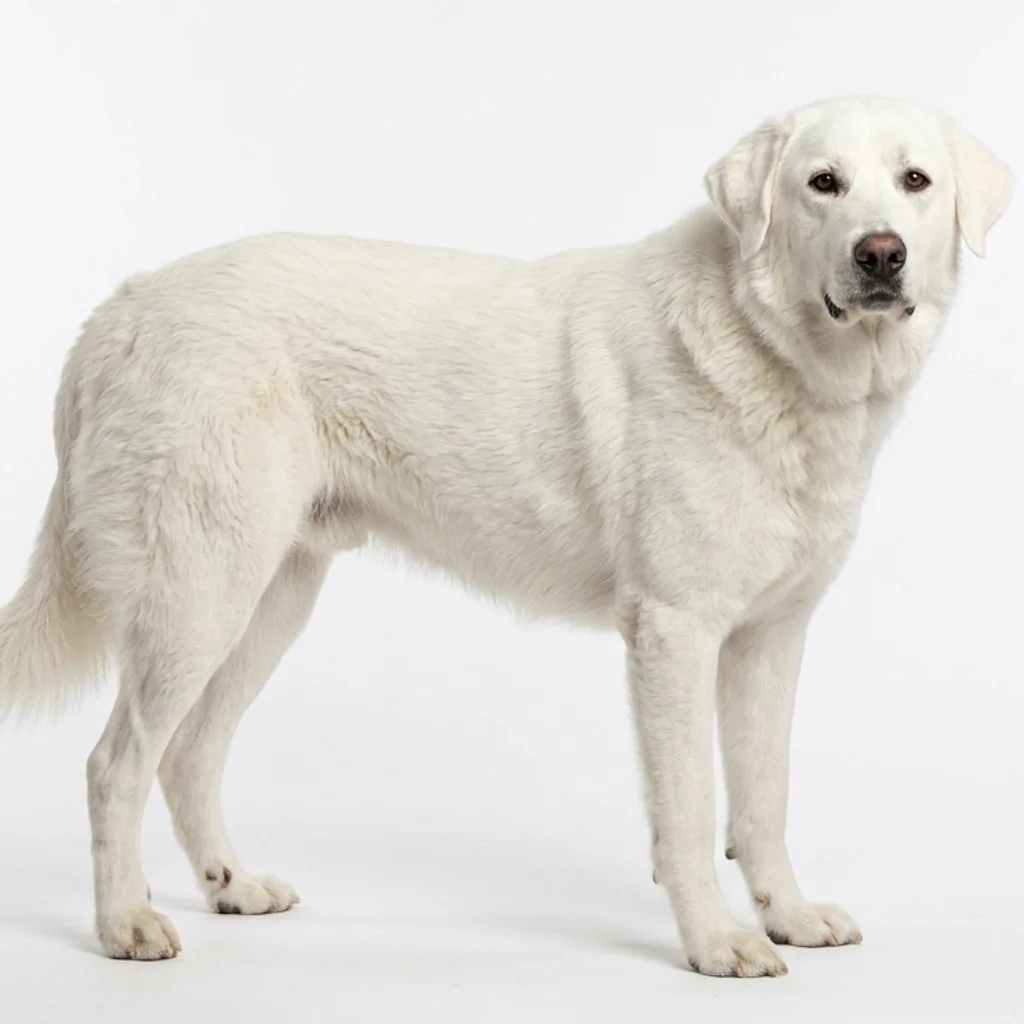
Akbash Dog
Originally a Turkish livestock guardian, the Akbash is a serious, protective, and independent breed. They are not suited for apartment living and thrive on large NZ lifestyle blocks where they can have a 'territory' to watch over.