Dog Breed Guide NZ
Whippet
The Whippet is a graceful, medium-sized sighthound popular in New Zealand. Known for their sweet temperaments, low shedding, and lazy indoor habits, they are perfect family companions.
Photo Gallery
Breed Snapshot
- Size
- Medium (9–19 kg; males: 12-19 kg, females: 9-14 kg)
- Lifespan
- 12–15 years
- Origin
- England
- Temperament
- Gentle, quiet, affectionate, sensitive, playful, loyal
- NZ Price
- $1,500 – $3,000 NZD from registered Dogs NZ breeders.
- Annual Vet Cost
- Annual routine vet care (checkups, vaccinations, parasite prevention) averages $400 – $800 NZD. Skin tear stitches or heart murmur monitoring can range from $500 to $2,500+ NZD. Sighthound-safe anesthesia protocols are essential.
Personality Scores
NZ Lifestyle Fit
Whippets are popular in NZ cities like Auckland and Wellington. They make ideal townhouse pets because they are clean, quiet, and sleep for most of the day. They tolerate Kiwi climates well but must live indoors and wear warm dog coats during winter. Because of their high prey drive, off-leash exercise must be kept to securely fenced dog parks.
Origins & History
The Whippet originated in England during the 18th century, bred by crossing Greyhounds with smaller terriers and Italian Greyhounds to create a swift, compact sighthound. Initially used by working-class families for rabbit coursing and "rag racing," they earned the nickname "the poor man's racehorse." In New Zealand, the Whippet has become one of the most beloved sighthound breeds. They are popular in metropolitan areas like Auckland and Wellington, where active city lifestyles fit well with their clean, quiet, and affectionate nature.
Breed Characteristics & Temperament
Whippets are renowned for their dual-nature personality: they are capable of accelerating to speeds of up to 60kph in seconds, yet they are notorious "couch potatoes" indoors. They are gentle, quiet, and deeply affectionate dogs that form close bonds with their families. They rarely bark, possess a clean, low-odor coat, and make excellent indoor companions. However, their sighthound genetics give them an intense prey drive. They will chase small animals (cats, rabbits, birds) instantly if they spot movement. They are also highly sensitive dogs that do not tolerate cold temperatures or harsh training methods.
Coat Types & Grooming Demands
Whippets have a very short, smooth, single-layer coat that requires minimal grooming. Key grooming tips:
- Brushing: A weekly wipe-down with a rubber grooming mitt or a soft bristle brush is sufficient to remove loose hair.
- Shedding: They are low-to-moderate shedders and carry almost no "doggy odor."
- Skin Care: Because they lack a protective undercoat and have very thin skin, they are highly susceptible to skin scrapes, cuts, and tears when running through gorse or rough NZ scrub.
- Warmth: Their low body fat means they get cold very quickly. During New Zealand's autumn and winter months, they require a warm dog coat for outdoor walks and indoor heating.
Health & Veterinary Concerns
Whippets are generally a healthy and robust breed with an average lifespan of 12 to 15 years. Common health issues include:
- Heart Conditions: Mitral valve disease and heart murmurs occur in some breeding lines.
- Eye Conditions: Progressive Retinal Atrophy (PRA) and cataracts.
- Anesthesia Sensitivity: Like Greyhounds, Whippets process barbiturates and anesthetics slowly due to low body fat. Ensure your NZ vet is experienced in sighthound anesthesia.
- Skin Tears: Thin skin leads to frequent lacerations requiring veterinary stitches.
NZ Suitability & Lifestyle
Whippets are exceptionally well-suited to New Zealand lifestyles. They are excellent apartment and townhouse dogs because they are quiet, clean, and sleep for most of the day, provided they get a daily walk and an opportunity for a secure off-leash sprint. They are popular with active urban owners. Because of their thin coats, they must live strictly indoors and require cozy bedding away from drafts. Due to their high prey drive, they must be kept on-leash in unfenced public areas.
Fun Facts
Fact 1
Despite their athletic, aerodynamic build, Whippets are champion sleep enthusiasts, regularly logging 18+ hours of sleep a day.
Fact 2
They are capable of accelerating to speeds of 60kph in under four seconds, making them one of the fastest accelerating land mammals.
Fact 3
Whippets are single-coated and have virtually no body fat, meaning they do not possess the typical 'doggy odor' and are highly sensitive to cold.
Fact 4
The breed was originally developed by English coal miners who crossed Greyhounds with terriers to create a fast rabbit-coursing companion.
Fact 5
They are quiet alert dogs; they rarely bark at visitors and prefer to greet guests with a gentle tail wag.
Related Breeds
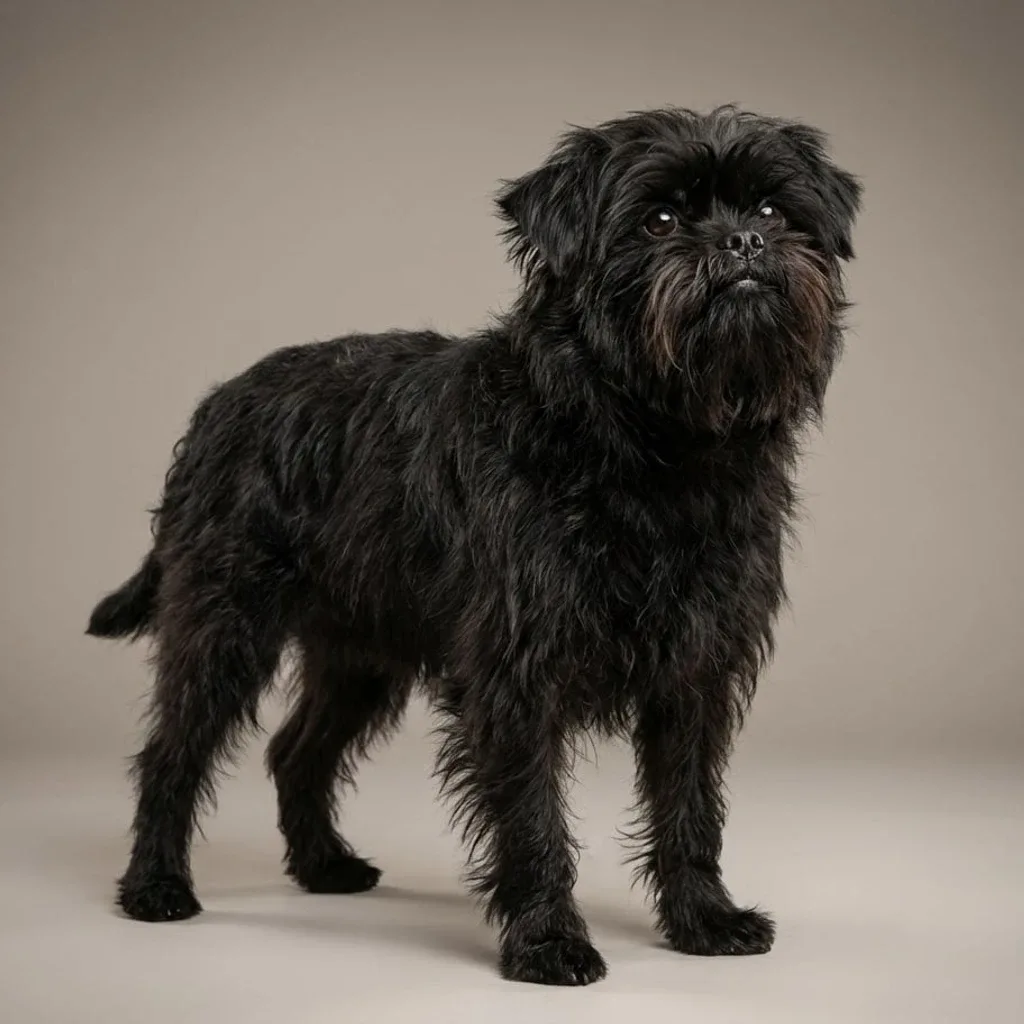
Affenpinscher
The Affenpinscher is a sturdy, monkey-like terrier-type toy breed known for its confidence and playful spirit. Despite its small size, it possesses a courageous heart and a loyal personality, making it a wonderful companion for Kiwi apartment dwellers or those with smaller sections.
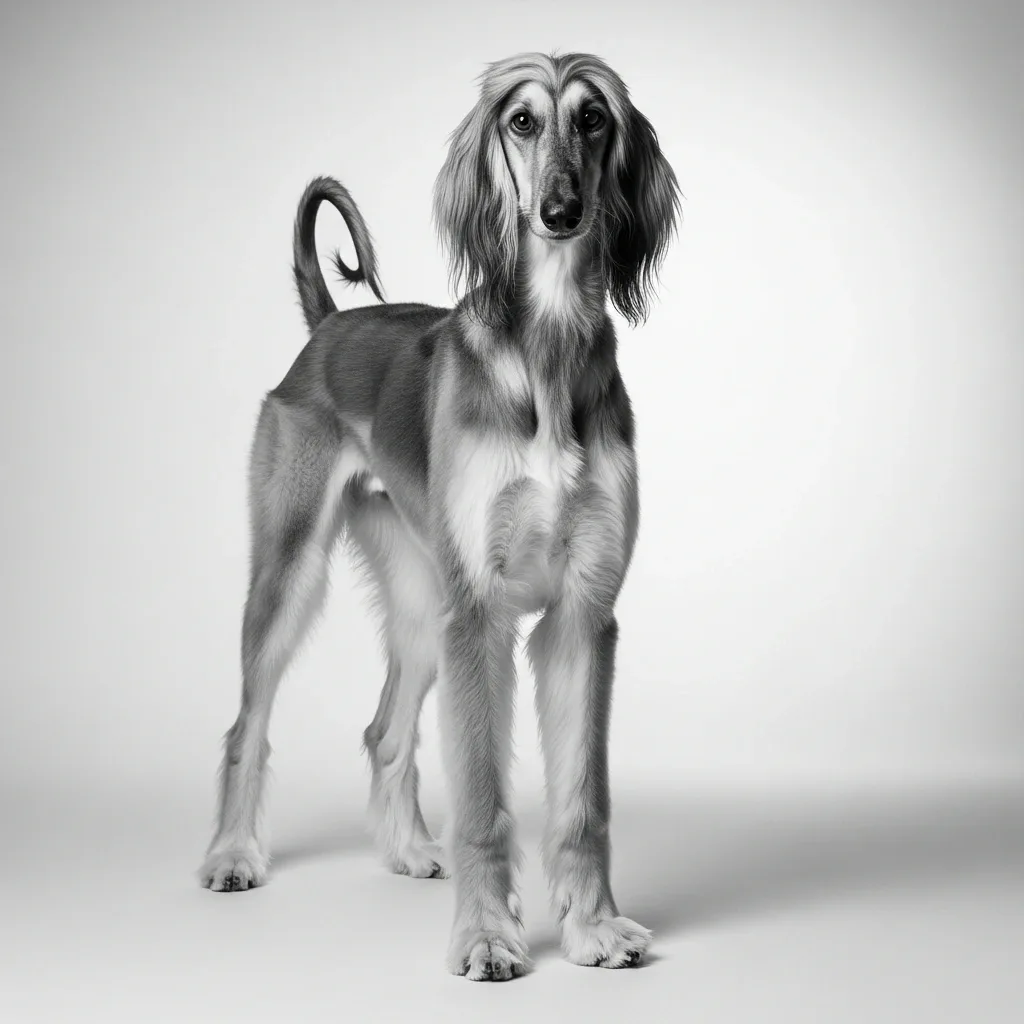
Afghan Hound
The Afghan Hound is an elegant aristocrat with a dignified and aloof personality. Known for its striking, silky coat, this breed is a high-maintenance beauty that requires ample space to run and an owner dedicated to its complex grooming needs.
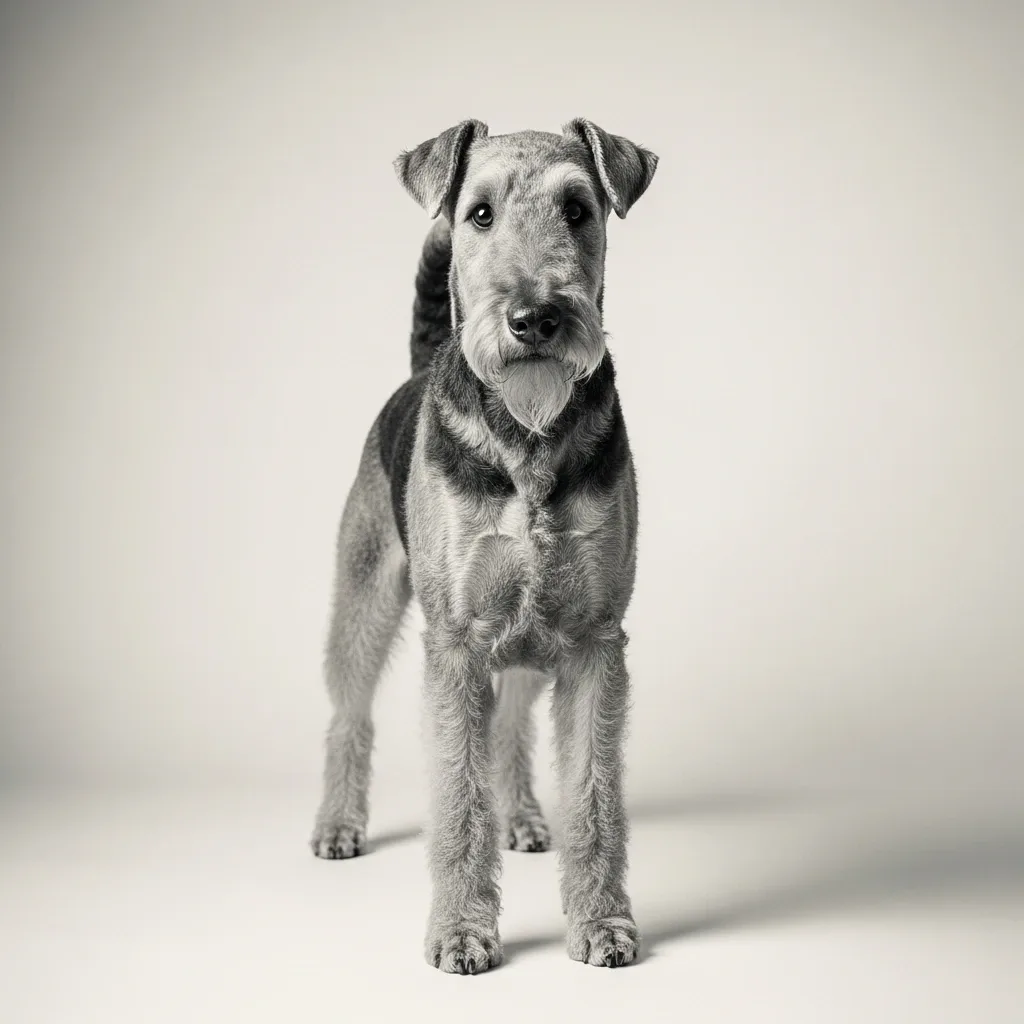
Airedale Terrier
The 'King of Terriers', the Airedale is the largest of all terrier breeds. They are brave, hardworking, and highly intelligent, making them excellent partners for active Kiwi families who love tramping and outdoor adventures.
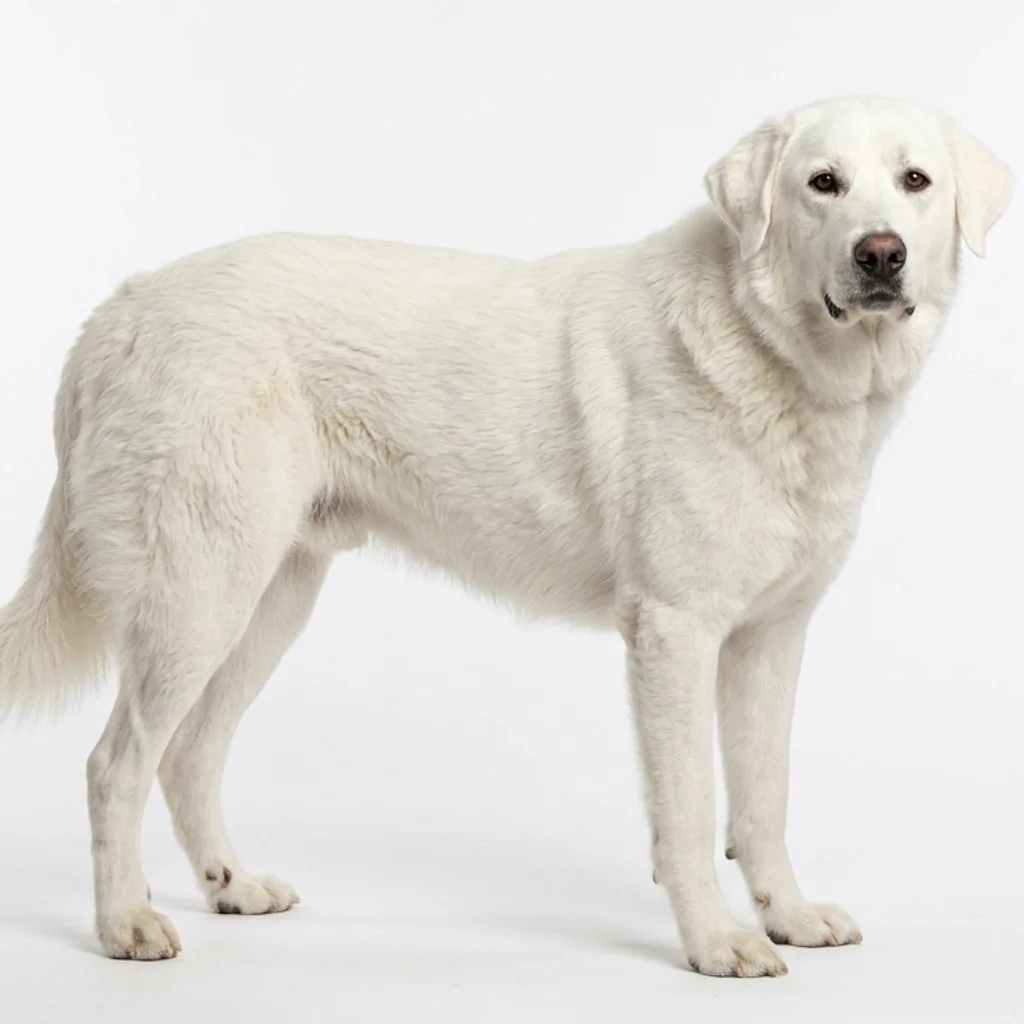
Akbash Dog
Originally a Turkish livestock guardian, the Akbash is a serious, protective, and independent breed. They are not suited for apartment living and thrive on large NZ lifestyle blocks where they can have a 'territory' to watch over.